The Role of Instruments in Carnatic Music | Tradition, Expression, and Harmony
The Role of Instruments in Carnatic Music is vital in shaping performances, supporting improvisation, and enhancing the emotional depth of this classical South Indian music tradition. While Carnatic music is primarily vocal-centric, instruments act as partners in melody, rhythm, and expression, making every performance rich, structured, and immersive.
Carnatic music, the classical music tradition of South India, is one of the oldest and most sophisticated musical systems in the world. While it is fundamentally vocal-centric, instruments play a vital and irreplaceable role in shaping, supporting, and expanding this rich musical tradition. From melodic expression to rhythmic structure, instruments are essential to Carnatic performances, pedagogy, and evolution.
The Role of Carnatic Music: Vocal Tradition Supported by Instruments
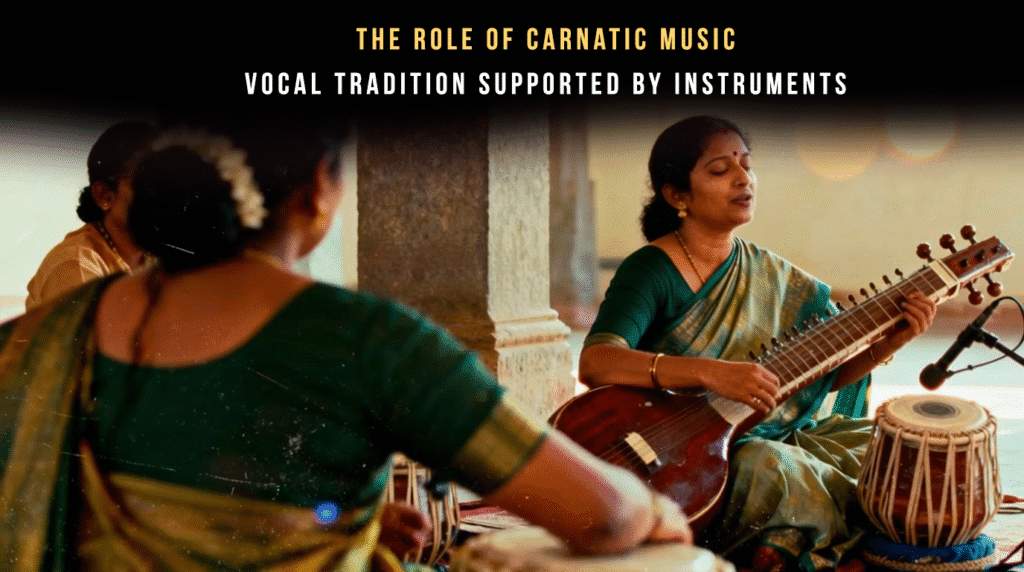
Carnatic music is primarily a vocal art form, meaning that even instrumentalists aim to mimic the subtleties of the human voice. Instruments help articulate ragas melodic frameworks, maintain tala rhythmic cycles, and provide harmonic support.
In a typical Carnatic concert, a combination of melodic, rhythmic, and drone instruments works in harmony to deliver a rich, immersive musical experience.
The Role of Classification of Instruments in Carnatic Music
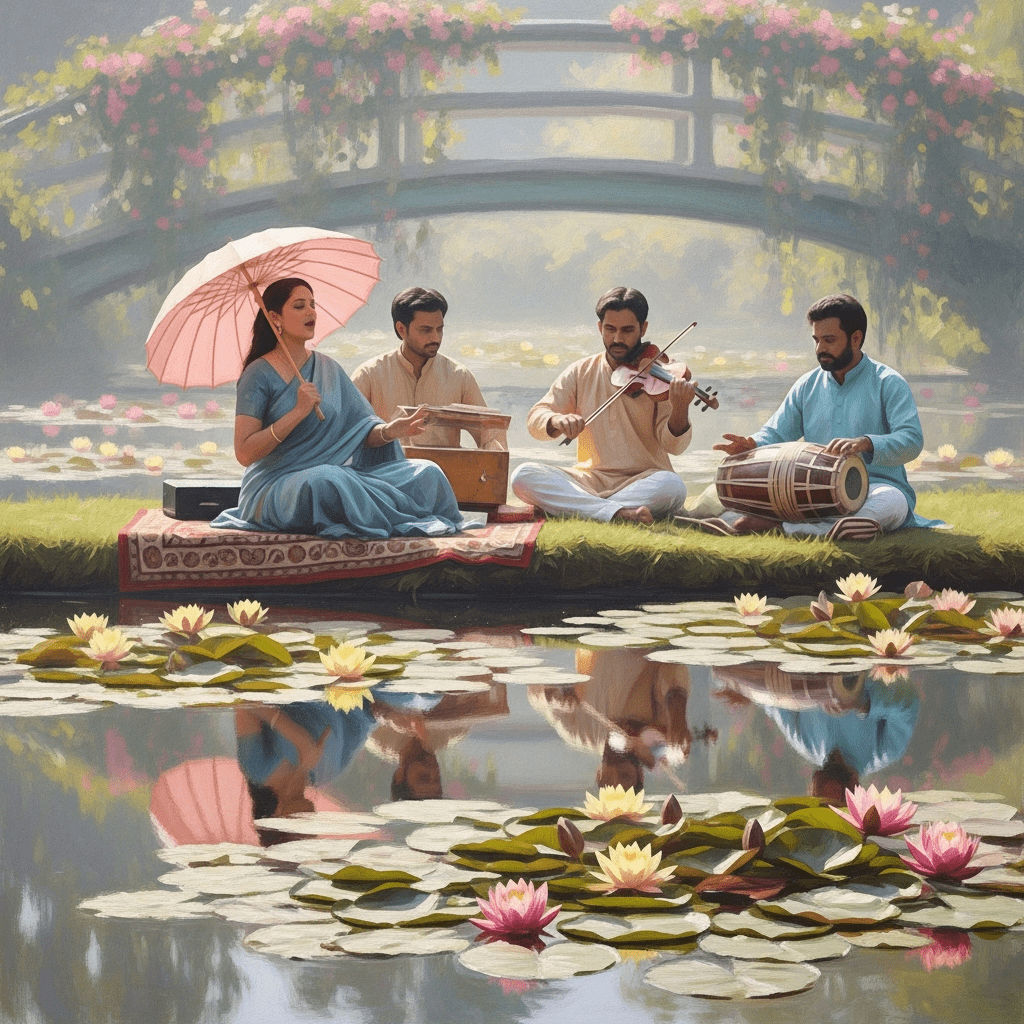
Carnatic instruments are generally divided into three main categories based on their function:
Melodic Instruments (Swaravadyas) – Focus on melody and expression.
Rhythmic Instruments (Avanaddha Vadya) – Provide rhythmic structure and tempo.
Drone Instruments (Tantra Vadya) – Maintain tonal reference and shruti.
Each category has unique characteristics and contributes differently to the music.
1. Melodic Instruments
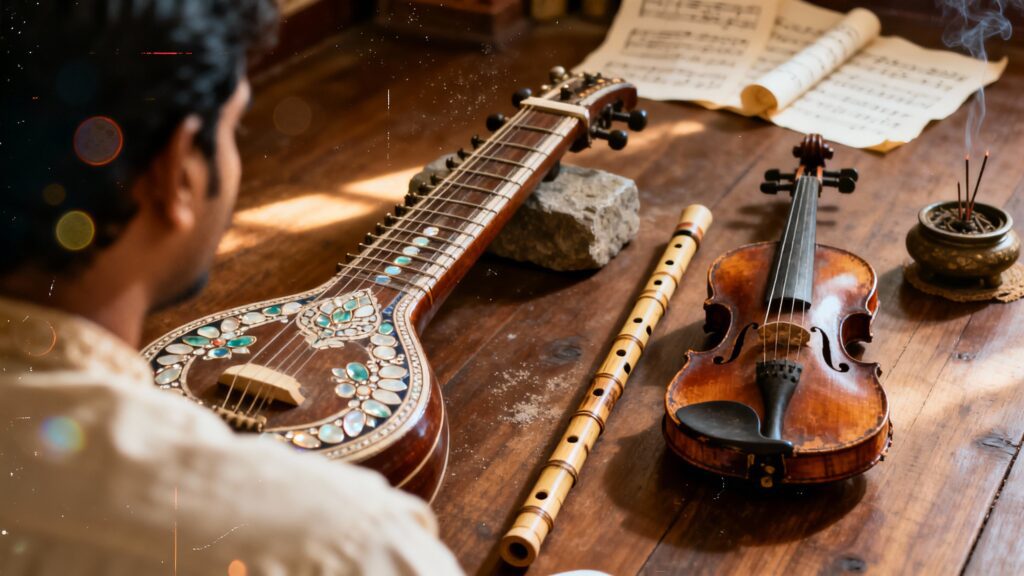
Melodic instruments in Carnatic music are designed to replicate vocal nuances, including ornamentations (gamakas), fast phrases (brigas), and microtonal shifts. These instruments are often featured as solo instruments or as accompaniment to the main artist.
Veena – The Queen of Carnatic Instruments
The Veena is the most iconic The Role of Instruments in Carnatic Music instrument. With its resonant tone and ability to produce intricate gamakas, it closely mirrors the human voice. Traditionally associated with Goddess Saraswati, the Veena symbolizes knowledge, wisdom, and musical artistry.
Violin – The Essential Accompanist
Adapted uniquely for Carnatic music, the violin is the most common melodic accompaniment. Played while seated on the floor, it allows musicians to perform delicate glides and rapid ornamentations. The violin often mirrors the vocalist, echoing phrases and enhancing melodic continuity.
Flute (Venu) – The Breath of Melody
The bamboo flute adds a lyrical, meditative quality to Carnatic music. Its breath-based sound enables smooth transitions and expressive phrasing. It is used both as a solo instrument and as accompaniment.
Nadaswaram – The Majestic Wind
Traditionally played in temples and auspicious ceremonies, the nadaswaram is a loud, majestic wind instrument. Its penetrating tone is ideal for outdoor performances and religious events, embodying grandeur and devotion.
2. Rhythmic Instruments
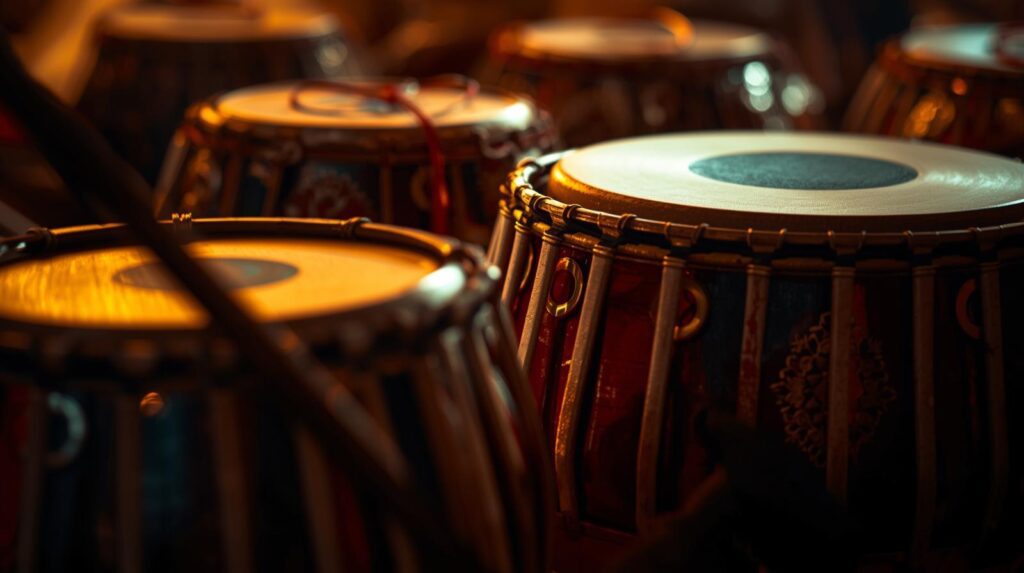
Rhythmic instruments maintain the tala (time cycle) and enhance the performance’s energy. They provide the structure within which melodic improvisation occurs.
Mridangam – The Pulse of Carnatic Music
The mridangam is the primary percussion instrument in Carnatic music. It provides rhythm, supports improvisation, and engages in rhythmic dialogues with the main artist. Skilled mridangam players elevate performances with intricate patterns and dynamic expression.
Ghatam, Kanjira, and Morsing – Supporting Rhythms
Supporting percussion instruments like the ghatam (clay pot), kanjira (frame drum), and morsing (jaw harp) add texture and rhythmic complexity. They are particularly featured during tani avartanam, the percussion solo segment of concerts.
3. Drone Instruments
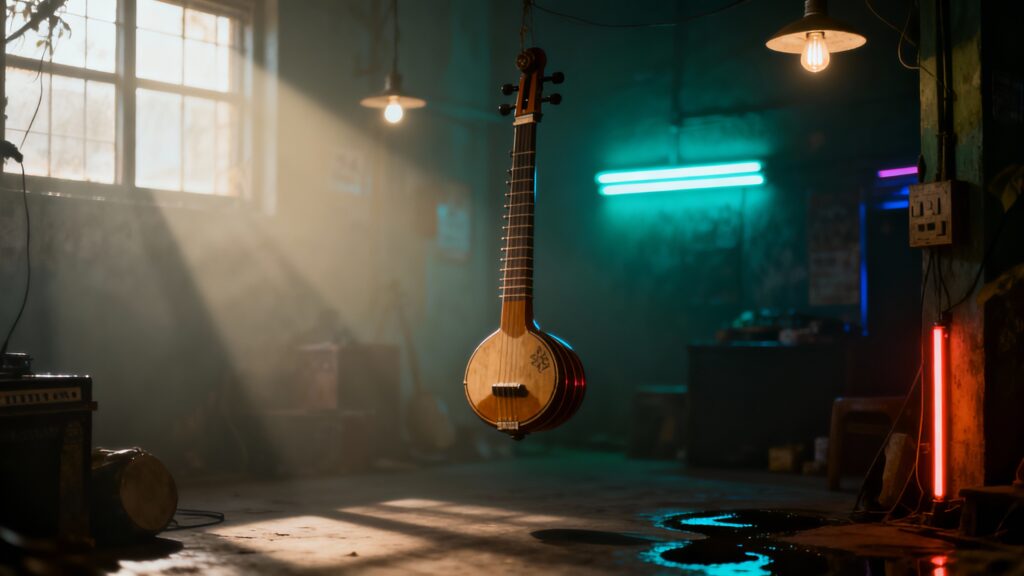
Drone instruments maintain the shruti, the tonal foundation that underpins the entire performance. They provide a constant sonic reference for pitch and harmony.
The tanpura produces a continuous harmonic drone that helps performers stay in pitch. Its subtle resonance provides a calming and steady tonal reference throughout a performance.
Shruti Box – Modern Pitch Support
The shruti box offers a portable alternative to the tanpura, delivering stable pitch support for both practice and performance.
The Role of Instruments in Carnatic Music in Improvisation and Education
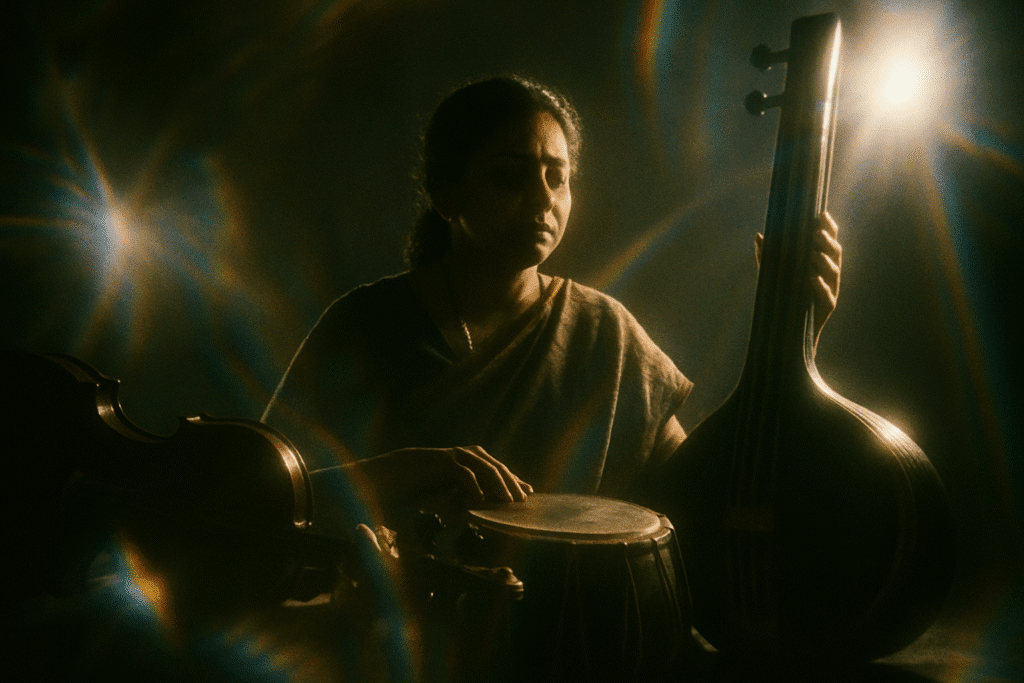
Carnatic music places heavy emphasis on improvisation, such as alapana, niraval, kalpana swaras, and tani avartanam. Instruments actively participate in these improvisations, responding to the main artist while adhering to raga and tala frameworks.
In music education, instruments play a crucial role in teaching rhythmic cycles, raga clarity, shruti awareness, and coordination. Students often learn vocal compositions before translating them onto instruments, reinforcing the vocal-centric philosophy of Carnatic music.
Preservation and Evolution
Carnatic instruments have evolved over centuries, adapting to modern performance contexts and global audiences. Innovations in amplification, instrument design, and cross-genre collaborations have expanded the reach of Carnatic music while maintaining its core traditions.
Despite these advancements, instruments remain dedicated to supporting vocal expression, preserving raga and tala, and enhancing the emotive impact of music.
Final Thoughts
Instruments in Carnatic music are far more than accompaniments; they are partners in melody, rhythm, and expression. They enhance the emotional depth of performances, provide structural stability, and facilitate improvisation, ensuring the music’s integrity and beauty.
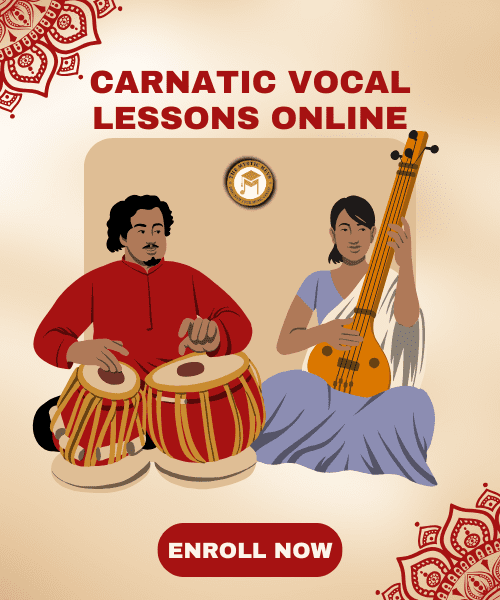
By combining vocal skill with instrumental mastery, Carnatic music continues to celebrate tradition, creativity, and spiritual expression, captivating audiences for generations past, present, and future. For those interested in learning this timeless art, enrolling in Carnatic Vocal lessons online provides an accessible and flexible way to develop both vocal and instrumental skills from anywhere.
Intersted in learning music with us? Register now
For more information and exciting resources about learning music, visit our website at The Mystic Keys. For more music content and exciting offers follow us on
Facebook, Instagram, YouTube, LinkedIn, Twitter, Pinterest, and Threads.