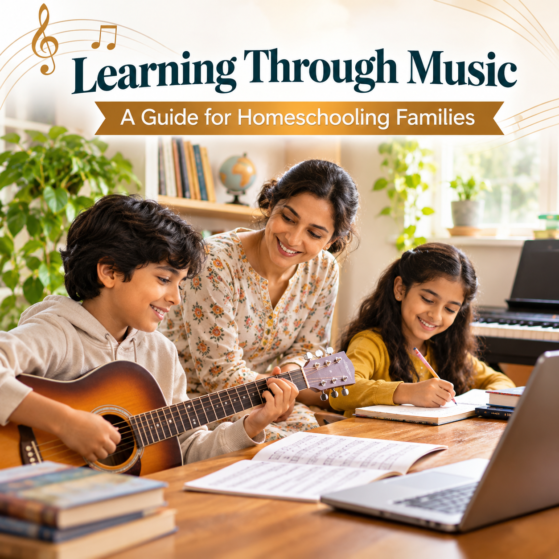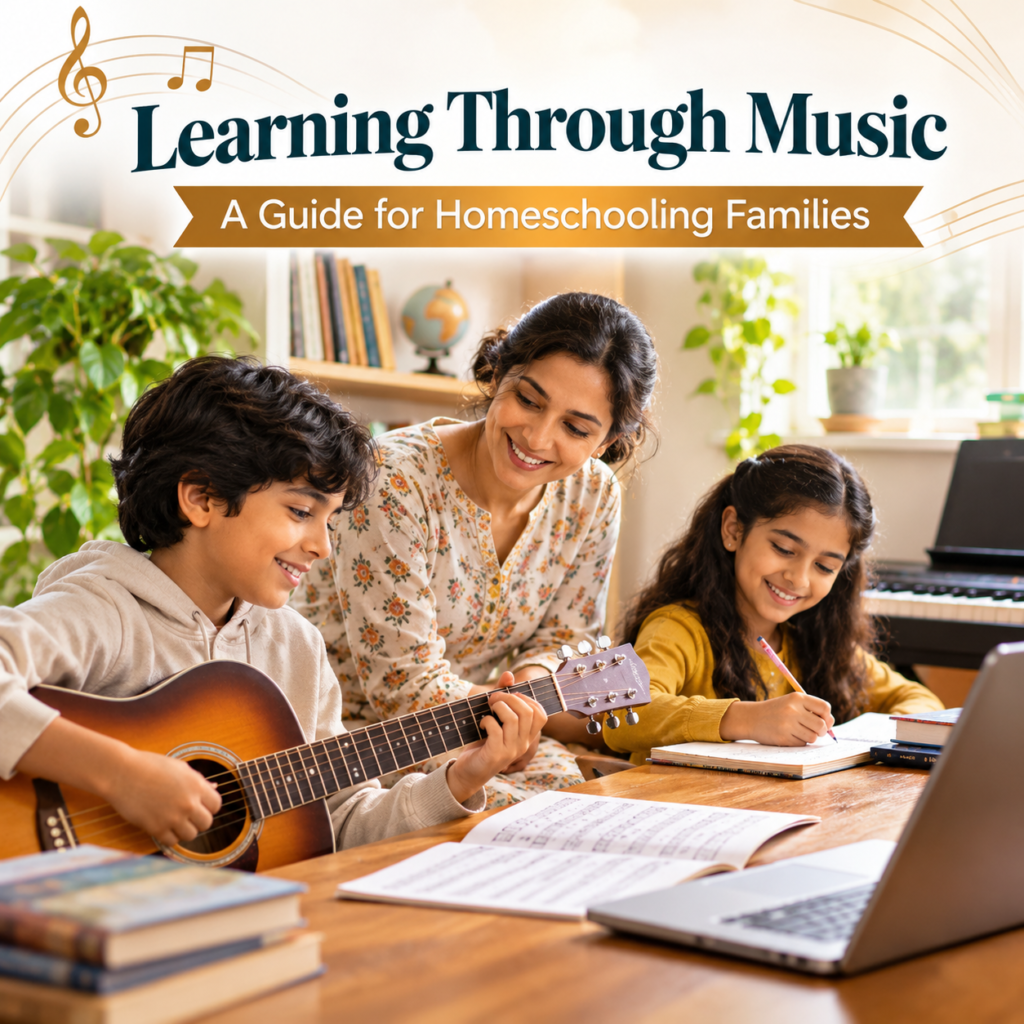
Learning Through Music | A Guide for Homeschooling Families
Homeschooling allows families to create a learning environment that extends beyond textbooks and traditional classroom lessons. Children can explore their interests, develop new skills, and learn at their own pace through practical experiences. Music adds another meaningful dimension to this journey, combining creativity, self-expression, and learning while helping children develop skills that extend far beyond musical ability.
Music education brings together creativity, discipline, self-expression, and practical learning. Whether a child is interested in singing, piano, guitar, violin, or drums, learning music can become a rewarding part of their educational journey. With the right guidance and approach, parents can make music an enjoyable and meaningful addition to their homeschool routine.

Why Is Learning Through Music Important for Homeschooling Families?
A well-rounded education should include creative activities alongside academic subjects. Music helps children develop concentration, listening skills, memory, coordination, and creative thinking. Learning an instrument also encourages patience and problem-solving as children gradually master new techniques.
Moreover, music provides a refreshing break from conventional academic activities. It allows children to express their emotions, explore their interests, and discover their individual strengths. This makes music education a valuable part of a balanced homeschooling experience.
How to Introduce Music Learning into Your Homeschool Routine
One of the biggest advantages of homeschooling is the flexibility to organise lessons around a child’s schedule. Parents can introduce music through short practice sessions, listening activities, singing, and simple rhythm exercises. These activities help children become familiar with musical concepts without feeling overwhelmed.
As their interest develops, families can introduce structured instrument or vocal lessons. Combining informal musical activities with professional instruction creates a balanced learning experience. It also allows children to enjoy music while gradually developing their skills.

Choosing the Right Musical Instrument for Your Child
Selecting an instrument is an important step in beginning a musical journey. The piano and keyboard are excellent starting points for understanding melodies, harmony, rhythm, and music theory. Guitar appeals to children who enjoy contemporary music, while violin introduces them to classical and orchestral sounds.
Children who enjoy rhythm may find drums exciting, whereas those interested in singing can explore vocal training. Rather than choosing an instrument based on popularity, parents should consider their child’s interests and preferences. Allowing them to explore different musical styles and instruments can help them make a confident choice.
Making Music Theory Easy and Enjoyable
Music theory helps children understand how music works. It introduces essential concepts such as notes, scales, rhythms, musical symbols, and notation. However, these concepts become easier to understand when connected with practical activities.
For instance, children learning piano can identify notes on the keyboard, while guitar learners can explore chords through simple songs. Clapping rhythms and recognising musical patterns are other enjoyable ways to introduce theory. Gradually, children can progress towards reading sheet music and understanding more advanced musical concepts.

The Role of Structured Music Lessons in Learning Through Music
While parents can introduce basic musical activities at home, professional guidance plays an important role in developing musical skills. A qualified teacher can assess a child’s abilities, correct mistakes, and introduce techniques suited to their learning pace. Proper guidance also helps children develop good musical habits from the beginning.
Structured lessons provide clear learning goals and opportunities to track progress. Students can gradually explore challenging compositions, improve their techniques, and strengthen their musical understanding. For homeschooling families, online one-on-one music lessons offer the added advantage of personalised instruction without the need to travel.
Creating a Consistent Music Practice Routine
Regular practice is essential for developing musical skills. However, children should not feel that music practice is another demanding academic assignment. Parents can establish a manageable routine with short, focused sessions that fit comfortably into the homeschool schedule.
Setting small goals, such as learning a new melody or improving a particular technique, can make practice more rewarding. A comfortable practice space and easy access to musical materials can also help children concentrate. Most importantly, celebrating small improvements encourages confidence and keeps them motivated.
Exploring Different Musical Styles and Cultures
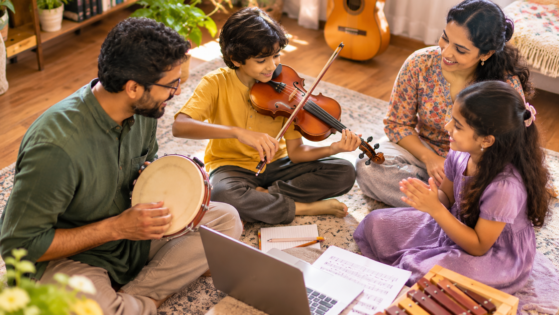
Music offers a wonderful opportunity to explore different cultures, traditions, and artistic expressions. Children can listen to classical compositions, folk songs, jazz, contemporary music, and traditional Indian music. Such exposure broadens their musical understanding and encourages curiosity.
Families can also introduce Hindustani and Carnatic music while exploring the instruments and traditions associated with these styles. Learning about different genres connects music with subjects such as history, geography, and cultural studies. As a result, music becomes an engaging learning experience that extends beyond instrument practice.
Encouraging Creativity Through Music
Music education should go beyond learning notes and reproducing compositions. Children also need opportunities to experiment with sounds, create rhythms, and express their ideas. Simple activities such as composing short melodies, writing songs, or exploring different sounds can encourage creativity.
As their skills develop, children may enjoy musical composition or collaborative activities. Participating in choirs, workshops, and online musical sessions can also introduce them to shared musical experiences. These opportunities help children discover music as a form of personal expression rather than simply a subject to study.
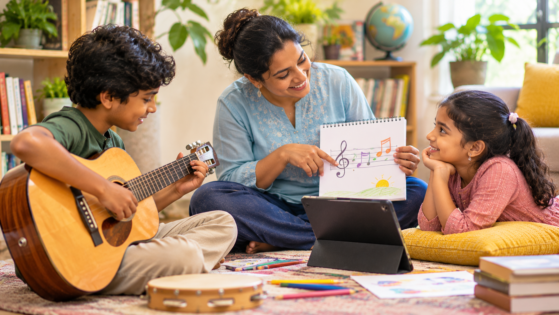
How Online Music Lessons Support Learning Through Music
Finding suitable extracurricular activities can sometimes be challenging for homeschooling families. Traditional music schools may involve fixed schedules and commuting, making it difficult to coordinate lessons with other learning activities. Online music education offers greater flexibility while providing access to professional teachers.
Live online lessons allow students to interact directly with their teachers, practise techniques, and receive individual feedback. Families can also explore different instruments and vocal courses without being restricted by their geographical location.
At The Mystic Keys, homeschooling families can explore personalised online music education through one-on-one lessons with experienced music teachers. Courses include piano and keyboard, guitar, violin, drums, Western vocals, Hindustani and Carnatic music, and other specialised programmes.
Classes are conducted live through online platforms, allowing students to learn comfortably from home. With flexible scheduling based on teacher and student availability, families can incorporate music lessons into their homeschooling routine. Supplementary learning materials and class recordings further support independent practice.
Supporting Your Child’s Musical Progress Without Pressure
Every child develops musical skills at a different pace. While some may quickly understand melodies and rhythms, others may need more time to become comfortable with an instrument. Comparing progress with other learners can create unnecessary pressure and reduce the enjoyment of learning.
Instead, parents should celebrate individual achievements and encourage realistic goals. Mastering a new chord, completing a song, or becoming more confident while singing are all meaningful milestones. Allowing children to explore different musical interests also helps them develop a lasting connection with music.
Performances and informal family concerts can provide opportunities to share their progress. However, these experiences should remain enjoyable rather than becoming sources of pressure. The focus should always be on learning, confidence, and personal growth.
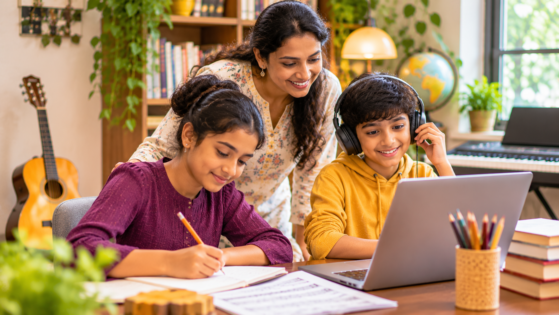
Making Music a Meaningful Part of Homeschool Education
Homeschooling provides families with the opportunity to create a balanced educational experience that includes both academic and creative learning. Music contributes to this approach by nurturing creativity, discipline, concentration, and self-expression.
From choosing an instrument and understanding music theory to enrolling in structured lessons and developing a practice routine, every step can enrich a child’s learning journey. The right balance of professional guidance, exploration, and encouragement makes music education more enjoyable and effective.
Ultimately, music is much more than an extracurricular activity. It can become a lifelong skill, a source of confidence, and a meaningful way for children to express themselves.
Give your child the opportunity to experience the joy of music with The Mystic Keys. Explore personalised online music lessons and make music an enriching part of your homeschooling journey.
For more information and exciting resources about learning music, visit our website at The Mystic Keys. For more music content and exciting offers follow us on
Facebook, Instagram, YouTube, LinkedIn, Twitter, Pinterest, and Threads,