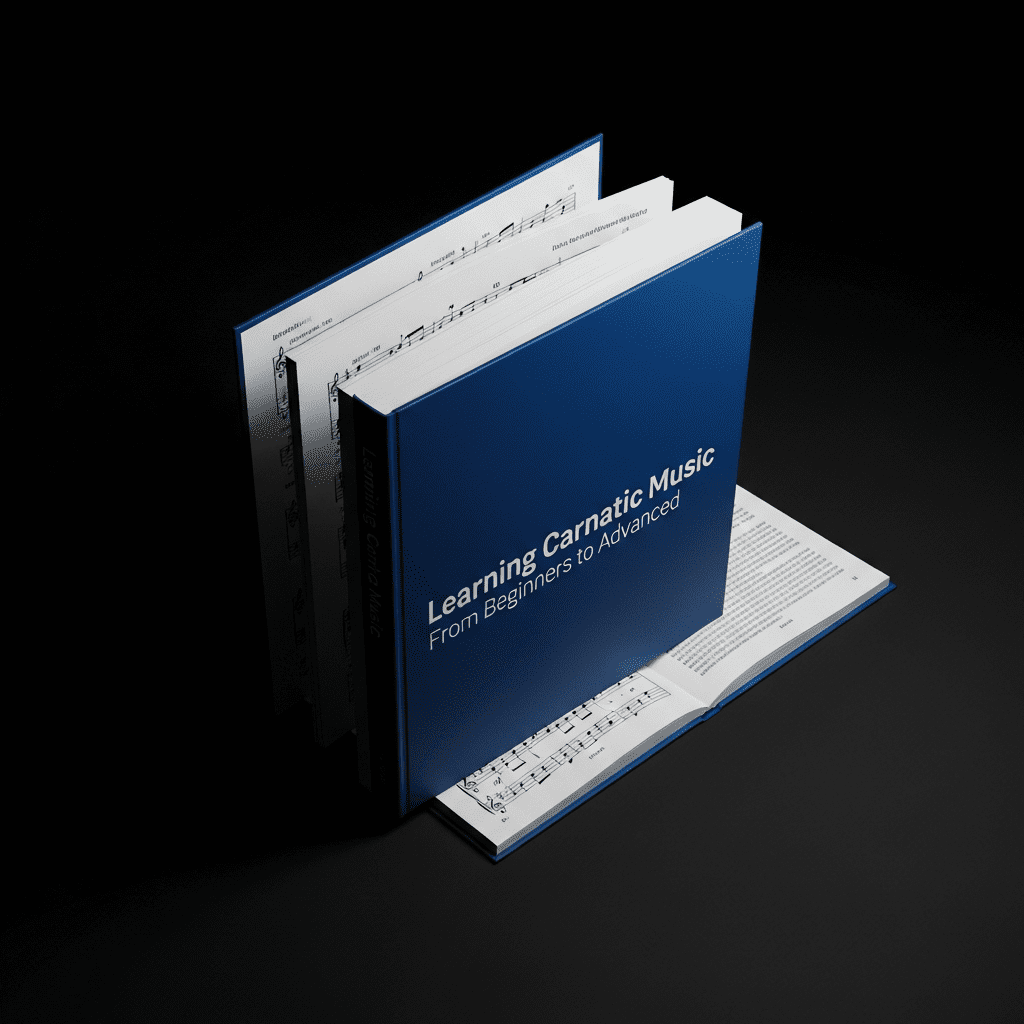
Learning Carnatic Music | From Beginners to Advanced
Learning carnatic music is a deeply enriching journey that blends discipline, devotion, and artistic expression. Rooted in centuries-old tradition, Carnatic music is more than a musical system; it is a structured art form that nurtures precision, creativity, and emotional depth. For beginners, it may appear complex, while advanced learners discover that mastery unfolds gradually through years of dedicated practice.
At The Mystic Keys, students are guided to approach music step by step, ensuring clarity at every stage of growth. Whether you are just beginning or refining advanced techniques, understanding the progression of Carnatic music helps learners stay motivated, focused, and confident.
This blog explores learning carnatic music from foundational concepts to advanced artistry, offering meaningful insights for students, parents, and aspiring musicians.

Origins and Evolution of South Indian Classical Music
Learning carnatic music follows a well-defined progression that has been preserved through the guru-shishya tradition. Unlike casual music learning, Carnatic music emphasizes structure, discipline, and gradual development.
Key characteristics include:
Strong emphasis on pitch accuracy
Deep rhythmic understanding
Balance between theory and practice
Gradual introduction to improvisation
This structured approach ensures that learners build a solid musical foundation before advancing further.
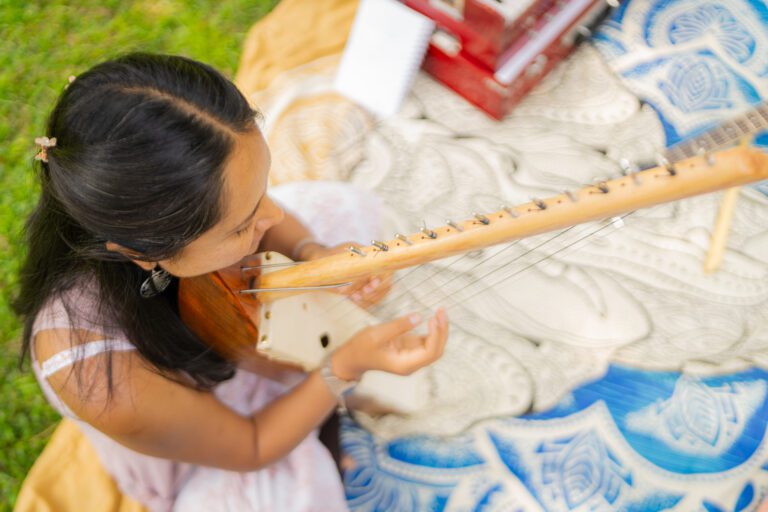
Learning Carnatic Music for Beginners
Learning Carnatic Music Through Basic Foundations
For beginners, this classical music tradition begins with understanding sound and pitch. The initial focus is not on speed or complexity but on accuracy and listening skills.
Beginner concepts include:
Understanding shruti (pitch reference)
Identifying swaras (notes)
Developing voice or instrumental control
Learning basic tala patterns
These elements form the backbone of all future learning.
Learning Carnatic Music Using Sarali and Janta Varisai
Varisai exercises are essential tools for beginners. They strengthen control, improve pitch alignment, and develop rhythmic stability.
Benefits of varisai practice:
Builds consistency in swara rendering
Enhances breath and tonal control
Improves coordination between pitch and rhythm
Prepares learners for compositions
Regular practice of these exercises ensures steady progress.
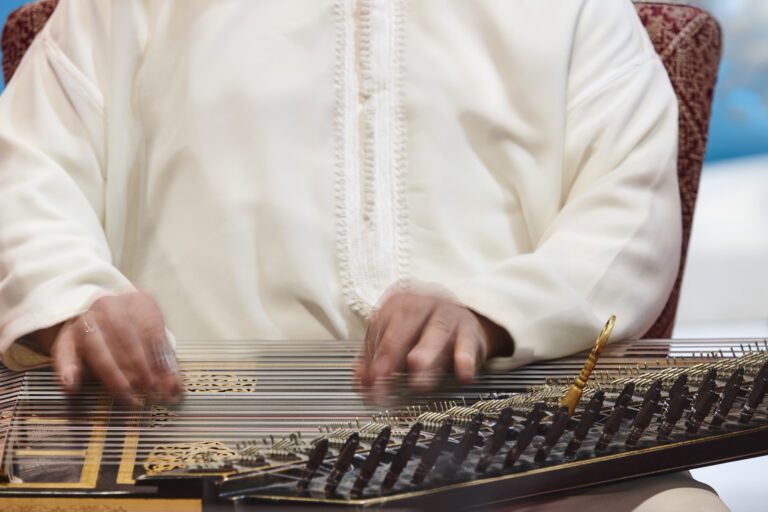
Understanding Shruti, Swara, and Tala
Learning Carnatic Music Through Structured Compositions
After mastering basic exercises, learners move on to geethams. These compositions introduce melody and rhythm in a simple format.
Geethams help learners:
Apply swaras musically
Understand melodic movement
Develop timing and phrasing
Gain confidence in performance
This stage bridges technical exercises and expressive music.
Learning Carnatic Music with Swarajathis and Varnams
As learners progress, compositions become more detailed. Swarajathis and varnams are critical milestones in the Carnatic system.
They develop:
Endurance and control
Advanced rhythmic awareness
Raga clarity
Performance readiness
Varnams, in particular, are considered a complete workout for musicians.
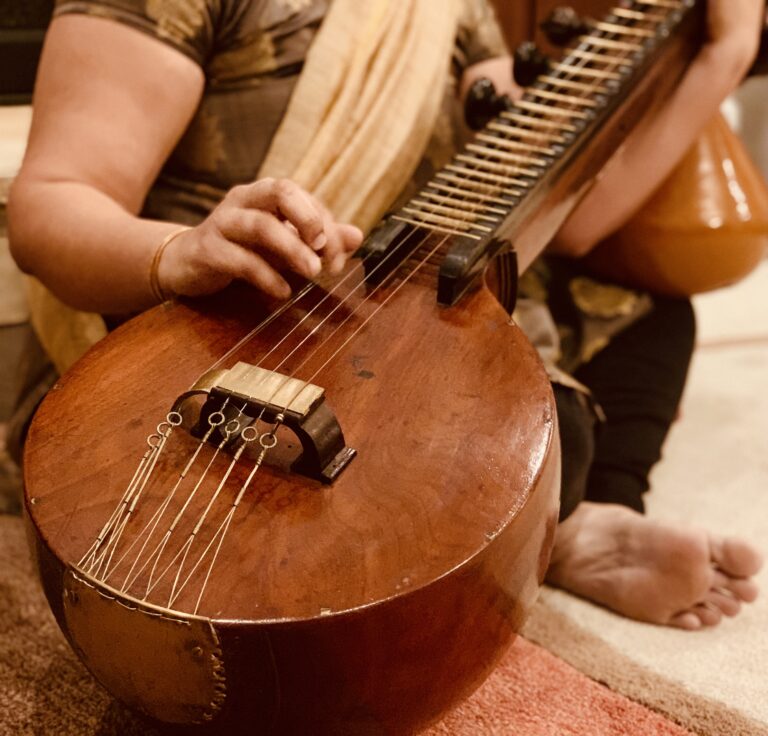
Voice Training and Instrumental Foundations
Raga Exploration
At the intermediate stage, learning carnatic music expands beyond repetition into understanding raga identity.
Students learn to:
Recognize raga characteristics
Avoid raga deviations
Develop melodic sensitivity
Strengthen listening skills
This stage builds musical maturity and awareness.
Tala Mastery
Rhythm plays a vital role in Carnatic music. Intermediate learners focus deeply on tala structures.
This includes:
Practicing multiple tala cycles
Understanding nadai variations
Maintaining laya consistency
Coordinating rhythm with melody
Strong tala knowledge supports confident performance and improvisation.
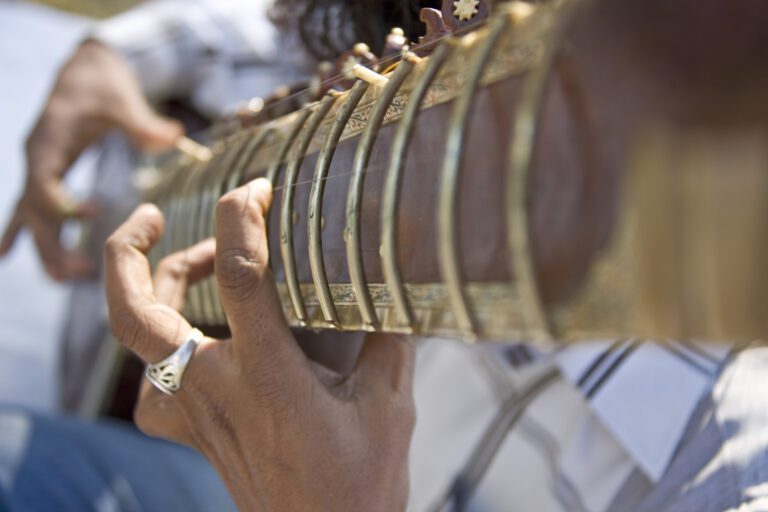
Raga Alapana and Improvisation Skills
Improvisation Skills
Manodharma is the creative heart of Carnatic music. It includes alapana, neraval, and kalpana swaras.
Improvisation helps learners:
Express individuality
Strengthen raga understanding
Develop spontaneous musical thinking
Gain performance confidence
Manodharma is introduced gradually, ensuring creativity is supported by strong fundamentals.
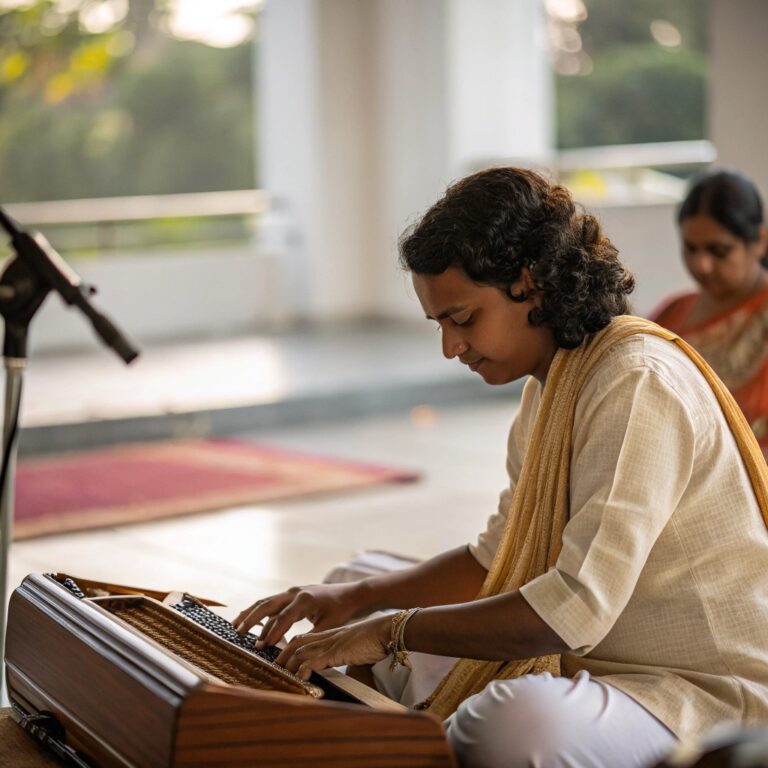
Role of Practice and Discipline in Musical Growth
Gamakas and Nuances
Advanced learning carnatic music requires mastery of gamakas. These subtle oscillations define the soul of each raga.
Advanced focus areas include:
Accurate gamaka execution
Smooth transitions
Expressive phrasing
Emotional depth
This stage separates technical players from true artists.
Learning Carnatic Music for Concert Performance
Advanced learners prepare for performance settings, focusing on stamina, repertoire planning, and presentation.
Performance preparation includes:
Building concert-length programs
Practicing voice or instrumental endurance
Managing tempo consistency
Developing stage presence
This phase prepares learners for public concerts and examinations.
Performance Preparation and Stage Awareness
Music Beyond Practical Training
While practice is essential, theoretical knowledge enhances musical intelligence.
Theory topics include:
Melakarta concepts
Tala mathematics
Composition structures
Understanding theory supports confident improvisation and deeper appreciation.
How Online Training Supports Consistent Progress
Music with Discipline and Routine
Consistency is the most important factor in learning carnatic music.
Effective practice habits include:
Fixed daily practice schedules
Balanced technical and creative sessions
Listening to accomplished musicians
Recording and reviewing practice sessions
Structured routines prevent stagnation and encourage steady improvement.
Core Techniques in Learning Carnatic Music
Guidance plays a crucial role in avoiding technical errors and maintaining motivation.
Benefits of guided learning include:
Personalized feedback
Clear learning progression
Confidence in performance readiness
At The Mystic Keys, structured learning paths help students move confidently from beginner to advanced stages.
Advancing Through Structured Carnatic Music Practice
Music Through Online Platforms
Modern technology has made learning carnatic music accessible worldwide. Online learning offers flexibility without compromising depth when taught correctly.
Advantages include:
Access to experienced instructors
Recorded sessions for revision
Flexible scheduling
Global learning community
When structured well, online learning preserves tradition while embracing convenience.
Conclusion
Learning carnatic music is a lifelong journey that evolves with discipline, dedication, and passion. From basic swaras to advanced improvisation, every stage contributes to musical growth and self-expression. Progress may be gradual, but the rewards are profound and lasting.
With the right guidance, learners gain not only musical skill but also patience, focus, and emotional depth. Structured instruction through Carnatic Lessons Online helps students experience authentic Carnatic training while adapting to modern learning needs.
At The Mystic Keys, music is approached with respect for tradition and a commitment to nurturing confident, expressive musicians at every stage.
Intersted in learning music with us? Register now
For more information and exciting resources about learning music, visit our website at The Mystic Keys. For more music content and exciting offers follow us on
Facebook, Instagram, YouTube, LinkedIn, Twitter, Pinterest, and Threads.