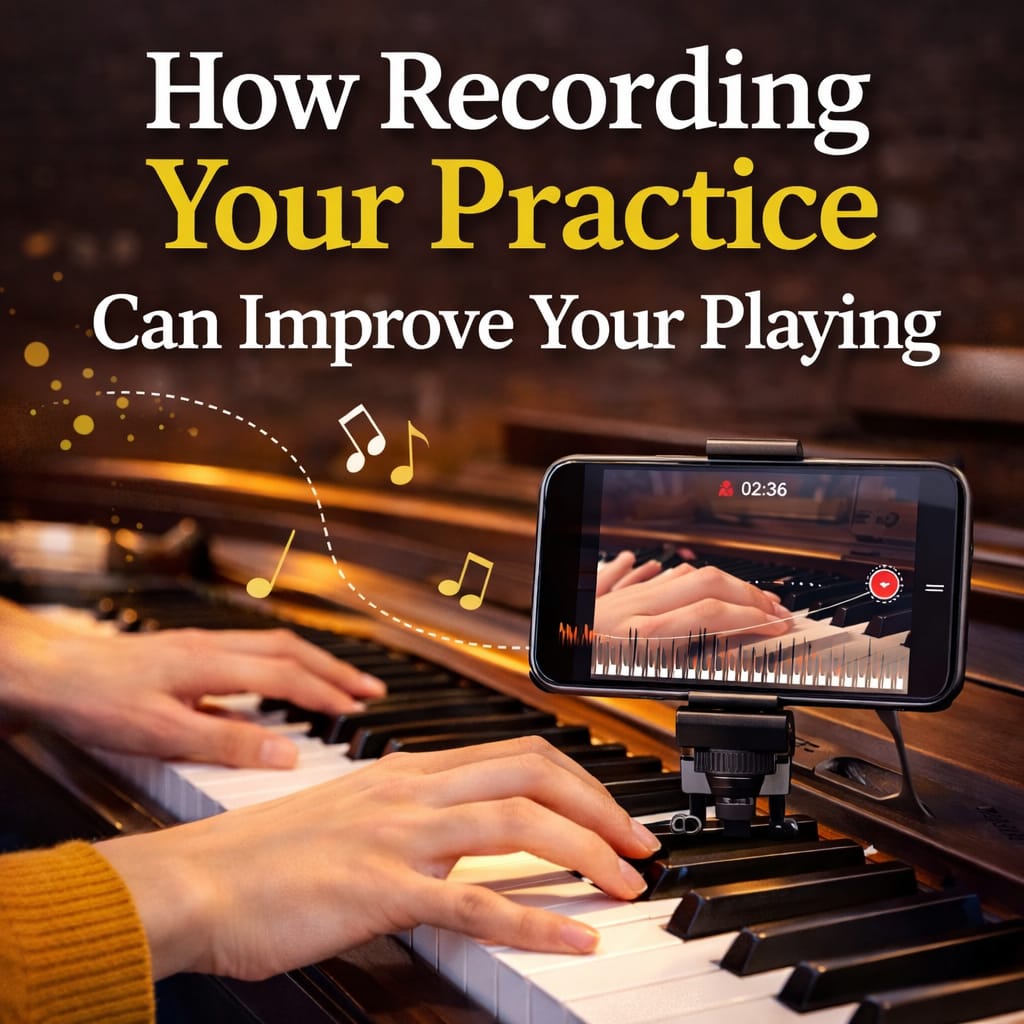
How Recording Your Practice Can Improve Your Playing
Many musicians spend hours practicing their instruments, but progress can sometimes feel slow. One powerful yet often overlooked method for improvement is recording your practice sessions.
When you record yourself while playing, you gain a completely different perspective on your performance. Listening back allows you to notice mistakes, refine your technique, and track your musical progress over time.
Whether you are a beginner or an advanced musician, recording your practice can significantly improve your playing and help you develop greater musical awareness.
Why Recording Your Practice Is Helpful
1. You Hear Your Playing Objectively
When you are playing an instrument, your focus is often on reading music, maintaining rhythm, and controlling technique. Because of this, it can be difficult to notice small mistakes while performing.
Recording your practice allows you to listen as if you were the audience. This helps you identify:
- Incorrect notes
- Timing issues
- Uneven dynamics
- Inconsistent rhythm
Hearing these details clearly makes it easier to correct them in your next practice session.
2. Helps Identify Technical Mistakes
Small technical problems can easily go unnoticed during practice. Recording yourself can reveal issues such as:
- Uneven finger movement
- Inconsistent tempo
- Poor articulation
- Unclear phrasing
By identifying these problems early, you can focus your practice more effectively and improve your technique faster.
3. Improves Musical Expression
Good musicians do more than play the correct notes—they also communicate emotion through music.
Listening to recordings helps you evaluate musical elements such as:
- Dynamics (soft and loud sections)
- Phrasing
- Tone quality
- Musical expression
This feedback helps you refine your performance and make your playing more expressive.
4. Tracks Your Progress Over Time
One of the most motivating aspects of recording your practice is being able to hear your progress.
If you record your playing regularly, you can compare:
- Early recordings
- Weekly practice sessions
- Finished performances
Over time, you will notice improvements in technique, rhythm, and musical confidence.
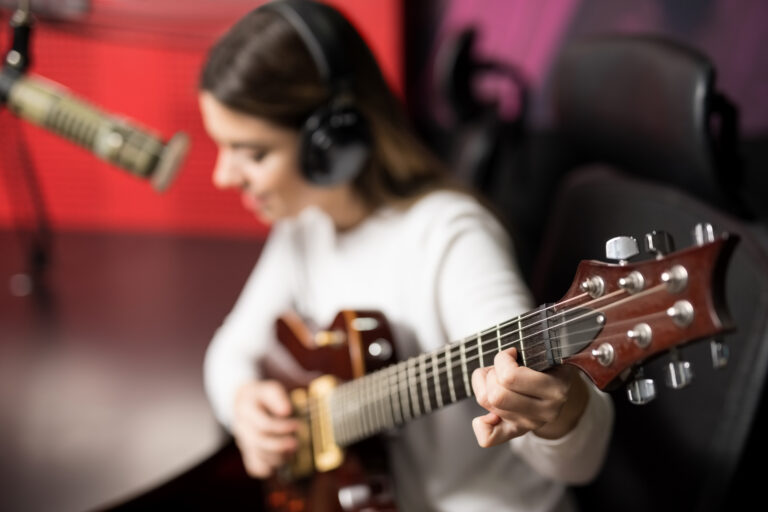
5. Builds Performance Confidence
Recording yourself is also a great way to prepare for performances.
Playing while recording simulates the feeling of performing in front of an audience. This helps you become more comfortable and confident when it is time to perform for others.
The more you practice performing through recordings, the less nervous you may feel during real performances.
How to Record Your Practice Sessions
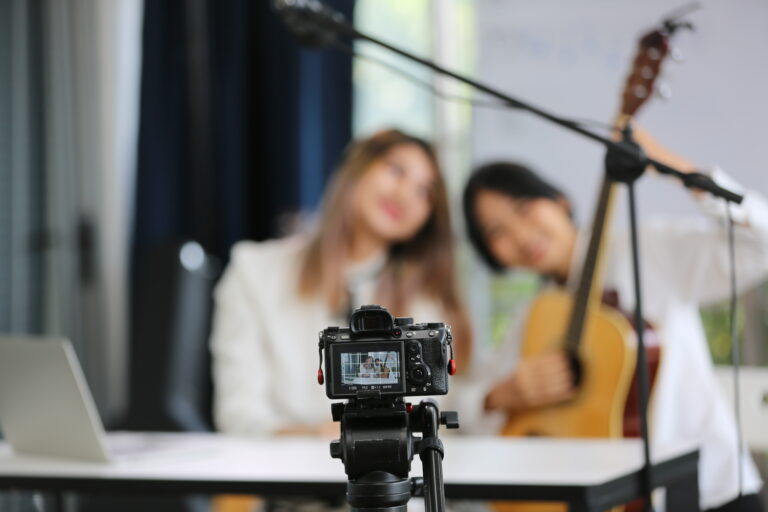
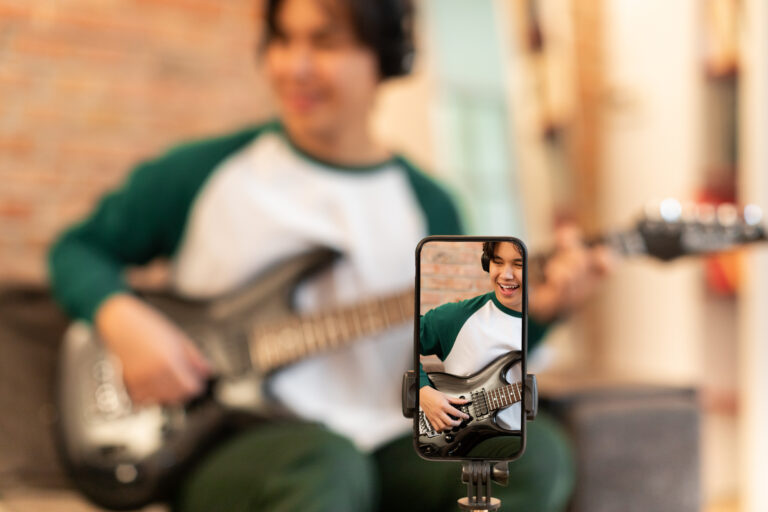
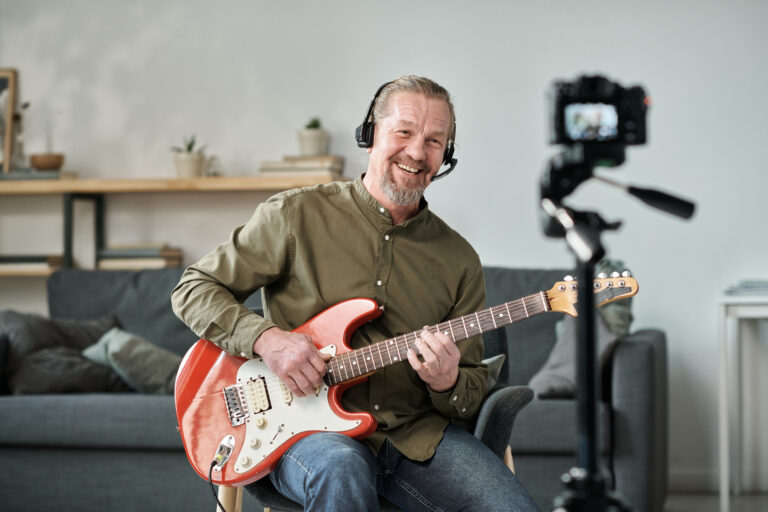
Recording your practice does not require expensive equipment. Many musicians simply use:
- A smartphone
- A tablet
- A laptop microphone
Place the recording device where it can clearly capture your instrument. Then play as you normally would during practice.
After recording, listen carefully and take notes about areas that need improvement.
Tips for Effective Practice Recordings
To get the most benefit from recording your practice sessions, consider these helpful tips.
Record Short Sections
Instead of recording long practice sessions, focus on smaller sections of music. This makes it easier to identify specific areas that need improvement.
Listen Carefully
After recording, listen with full attention. Try to evaluate your playing as if you were listening to another musician.
Take Notes
Write down the areas where improvement is needed. This helps guide your next practice session.
Record Again After Practicing
After working on difficult sections, record the piece again. Comparing recordings helps you clearly hear your improvement.
How Teachers Use Recordings to Help Students
Music teachers often use recordings to help students develop better awareness of their playing.
By listening together, teachers and students can discuss:
- Technique improvements
- Musical interpretation
- Rhythm accuracy
- Performance skills
This feedback helps students learn faster and build stronger musical habits.

Final Thoughts
Recording your practice is one of the simplest and most effective ways to improve your playing. By listening to your performances objectively, you can identify mistakes, refine your technique, and develop stronger musical expression.
Over time, regular recordings help you track progress, build confidence, and become a more thoughtful and skilled musician.
With consistent practice and self-evaluation, recording your practice sessions can become one of the most valuable tools in your musical journey.
About The Mystic Keys
The Mystic Keys is an online music academy dedicated to helping students develop strong musical foundations through personalized instruction. The academy offers one-on-one online lessons for Piano Lessons Online, guitar, vocals, drums, Hindustani music, and more. instruments.
Students receive guidance from experienced teachers along with recorded lessons and customized practice plans. This approach helps learners improve technique, musical understanding, and performance confidence.
The academy also prepares students for internationally recognized music certifications such as Trinity College London, helping students achieve important milestones in their musical journey.
For more information and exciting resources about learning music, visit our website at The Mystic Keys. For more music content and exciting offers follow us on
Facebook, Instagram, YouTube, LinkedIn, Twitter, Pinterest, and Threads.