
DIY Guitar Customization: How to Modify Your Guitar at Home
Every guitarist eventually reaches a moment where their instrument feels familiar but limited. While buying a new guitar is one option, many players discover that thoughtful DIY guitar customization can dramatically improve tone, comfort, and personal connection to their instrument. Customizing a guitar at home allows musicians to shape their sound, refine playability, and develop a deeper understanding of how their instrument works.
DIY guitar customization is not about transforming your guitar into something unrecognizable. Instead, it is about making small, intentional modifications that enhance your playing experience while preserving the character of the instrument. With the right approach, patience, and knowledge, home guitar modifications can be safe, rewarding, and musically transformative.
Understanding DIY Guitar Customization Before You Begin
Before making any changes, it is important to understand what DIY guitar customization truly involves. Customization should always serve a musical purpose rather than being driven purely by aesthetics or experimentation.
Key principles to keep in mind include:
Modifying only what you understand
Starting with reversible changes
Prioritizing playability and tone
Respecting the guitar’s construction
A thoughtful approach ensures that modifications improve the instrument rather than introduce new problems.
Why Guitarists Choose DIY Guitar Customization
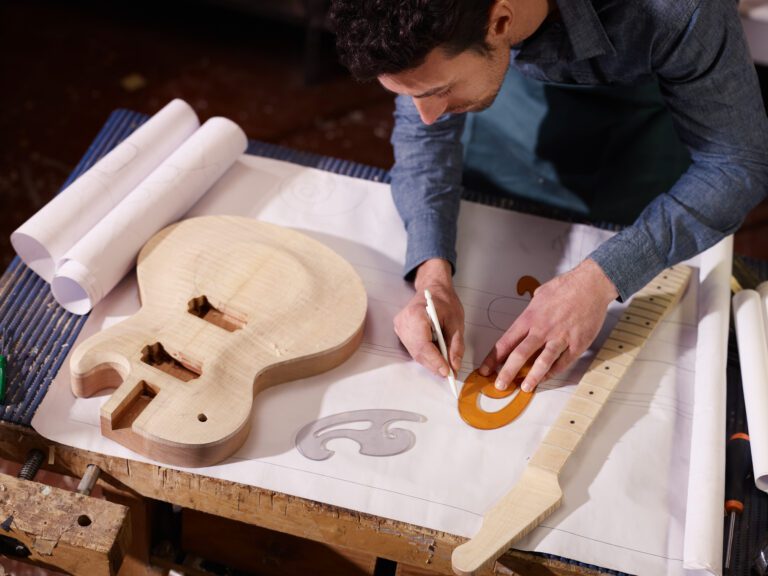
Many players assume customization is only for professionals, but beginners and intermediate players often benefit the most. DIY guitar customization allows players to adapt their instrument to their evolving technique and musical style.
Common reasons guitarists customize include:
Improving tuning stability
Enhancing tonal clarity
Increasing playing comfort
Personalizing the instrument’s feel
Learning how guitars function
Customization creates a stronger bond between the musician and the instrument, leading to more expressive playing.
Setting Realistic Expectations for Home Guitar Modifications
DIY guitar customization is not about instant perfection. Every modification requires careful testing and adjustment. Results may be subtle at first, but small improvements compound over time.
It is important to:
Accept gradual improvement
Test changes thoroughly
Avoid multiple modifications at once
Keep original parts when possible
Patience is one of the most valuable tools in guitar customization.
Basic Tools Needed for DIY Guitar Customization

Before beginning any guitar modification, assembling basic tools ensures safety and accuracy. You do not need advanced equipment to perform effective DIY guitar customization.
Essential tools include:
Screwdrivers in various sizes
String winder and wire cutters
Allen keys
Electronic tuner
Clean cloths
Contact cleaner for electronics
Using proper tools reduces the risk of damaging components.
DIY Guitar Customization Through String Changes
One of the simplest yet most impactful modifications is changing strings. Many players underestimate how much strings influence tone and playability.
String customization allows you to:
Adjust string tension
Enhance brightness or warmth
Improve bending comfort
Match strings to musical style
Experimenting with string gauge and material is a safe entry point into DIY guitar customization.
Adjusting Guitar Action for Better Playability

Action refers to the height of the strings above the fretboard. Proper action makes playing easier while reducing unwanted fret buzz.
When adjusting action at home:
Make small changes gradually
Use manufacturer guidelines as reference
Test across the entire fretboard
Stop if resistance feels excessive
Correct action setup improves comfort and reduces hand fatigue.
Pickup Height Adjustment as a Tone Upgrade
Pickup height dramatically affects tone output and clarity. This modification is fully reversible and ideal for home customization.
Benefits of adjusting pickup height include:
Improved balance between strings
Enhanced sustain
Clearer articulation
Reduced muddiness
Listening carefully after each adjustment is essential to achieving the desired sound.
DIY Guitar Customization Through Nut Maintenance
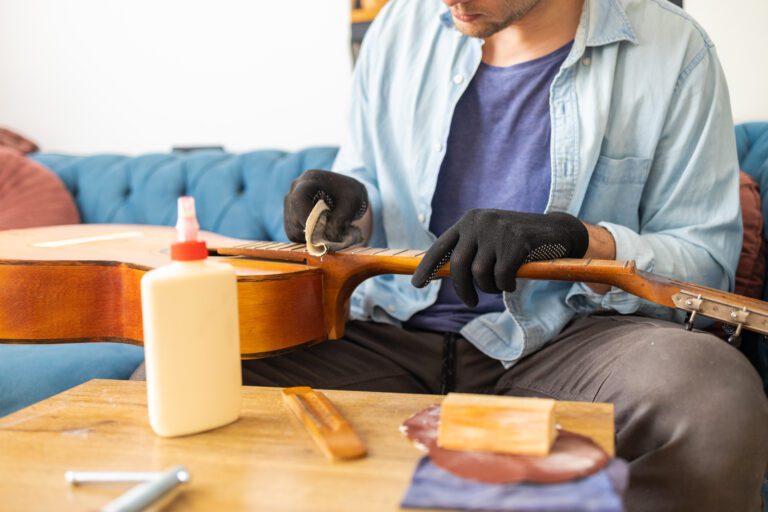
The nut plays a crucial role in tuning stability and tone. Poorly maintained nuts cause tuning issues and string binding.
Simple nut-related improvements include:
Cleaning string slots
Applying graphite lubrication
Checking slot depth carefully
Major nut reshaping should be left to professionals, but maintenance is safe for home customization.
Upgrading Guitar Hardware at Home
Hardware upgrades can significantly improve reliability. While more advanced than basic adjustments, certain hardware changes are manageable with care.
Common DIY hardware upgrades include:
Replacing tuning machines
Changing control knobs
Installing strap locks
These modifications enhance stability and performance without altering the guitar’s core structure.
Electronics Customization for Better Sound Control
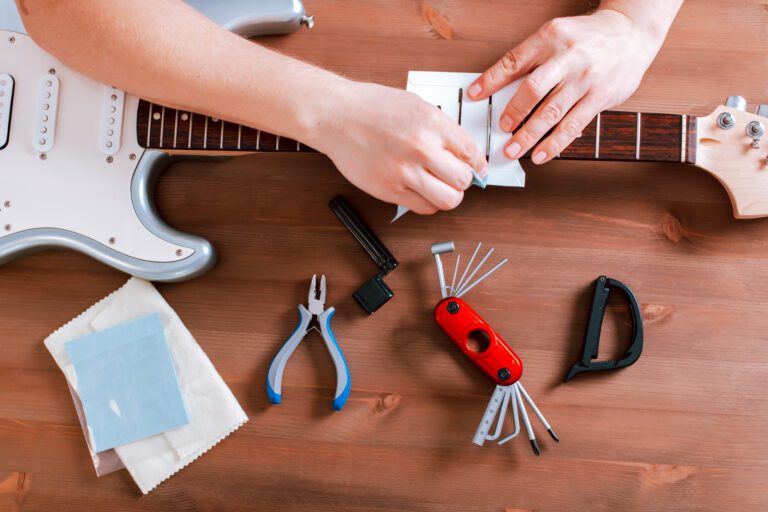
DIY guitar customization often includes electronics upgrades for players seeking tonal versatility.
Safe electronic modifications include:
Replacing output jacks
Installing higher-quality switches
Soldering requires caution, practice, and patience. Beginners should practice on spare components before modifying their guitar.
Cosmetic DIY Guitar Customization Without Risk
Aesthetic changes allow personalization without affecting playability. These modifications are ideal for players hesitant to alter functionality.
Popular cosmetic upgrades include:
Pickguard replacement
Custom knobs
Decorative truss rod covers
Strap selection
Cosmetic customization strengthens emotional connection to the instrument.
Understanding Truss Rod Adjustments Carefully
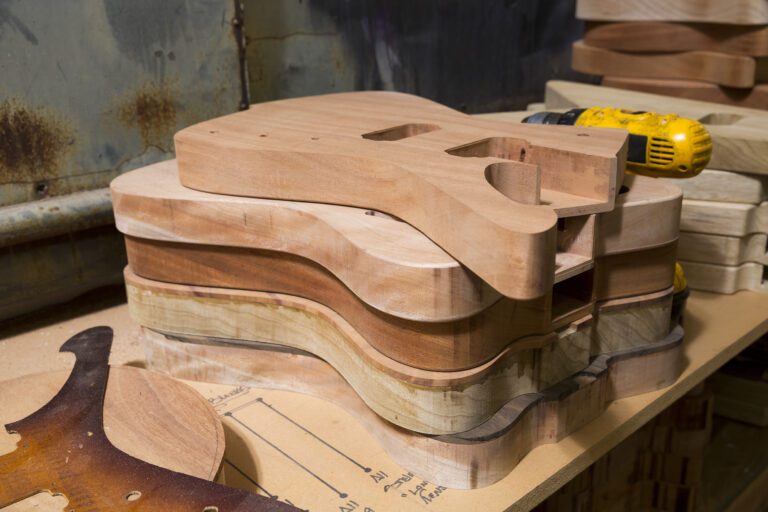
The truss rod controls neck relief and stability. While adjustable at home, this modification requires caution.
Guidelines for safe adjustment:
Turn in very small increments
Allow the neck to settle
Never force resistance
Stop immediately if unsure
Improper truss rod adjustment can damage the neck, so patience is essential.
How DIY Guitar Customization Improves Technique Awareness
Customization deepens understanding of how technique interacts with the instrument. Players become more sensitive to touch, pressure, and tone.
Benefits include:
Improved finger control
Better dynamic awareness
Enhanced tonal consistency
This awareness often leads to noticeable improvement in playing quality.
Common DIY Guitar Customization Mistakes to Avoid
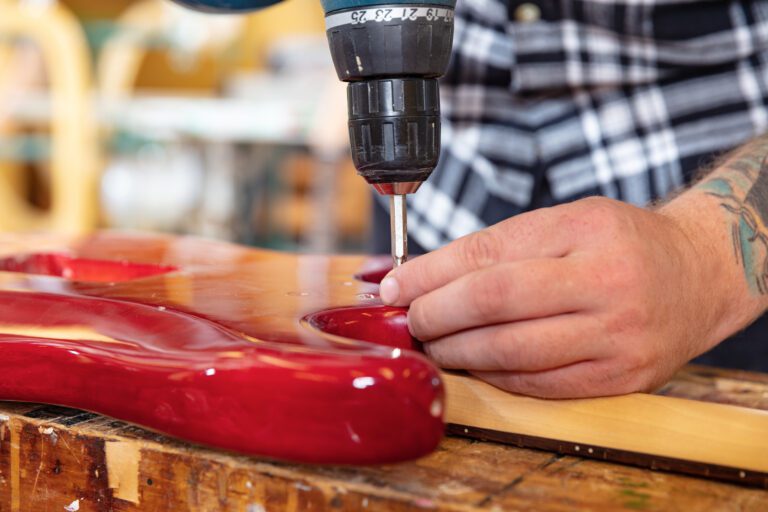
Even well-intentioned modifications can cause issues if done carelessly.
Mistakes to avoid include:
Making multiple changes at once
Ignoring manufacturer specifications
Using incorrect tools
Rushing adjustments
Discarding original parts
Avoiding these mistakes preserves the instrument’s integrity.
Knowing When Not to Customize at Home
Not every modification should be done at home. Recognizing limitations is part of responsible DIY guitar customization.
Professional help is recommended for:
Fret leveling
Nut replacement
Neck repairs
Structural cracks
Complex wiring
Choosing safety over experimentation protects your guitar long-term.
Maintaining Your Guitar After Customization
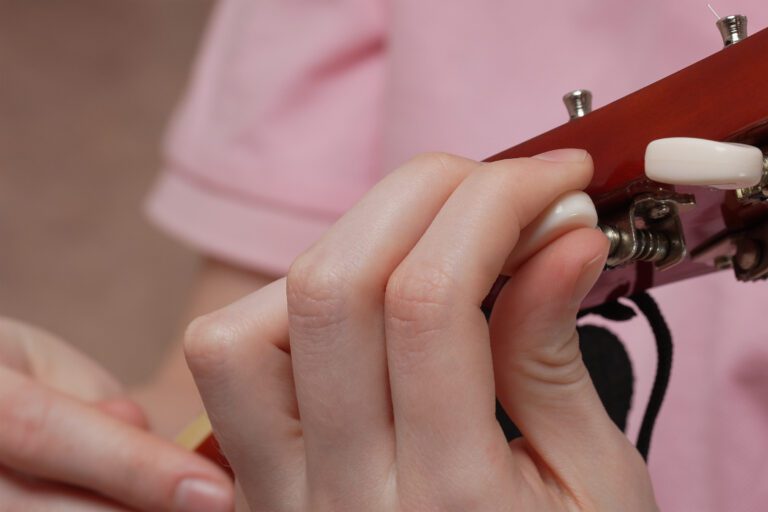
After modifications, regular maintenance ensures consistent performance.
Maintenance habits include:
Regular cleaning
String replacement schedules
Tuning stability checks
Seasonal neck adjustments
Customization is an ongoing process, not a one-time event.
How DIY Guitar Customization Builds Musical Identity
Customizing your guitar encourages personal expression. When the instrument responds exactly as you want, musical ideas flow more freely.
Players often experience:
Stronger emotional connection
Greater confidence in performance
Clearer tonal direction
This personal alignment supports long-term musical growth.
DIY Guitar Customization for Different Skill Levels
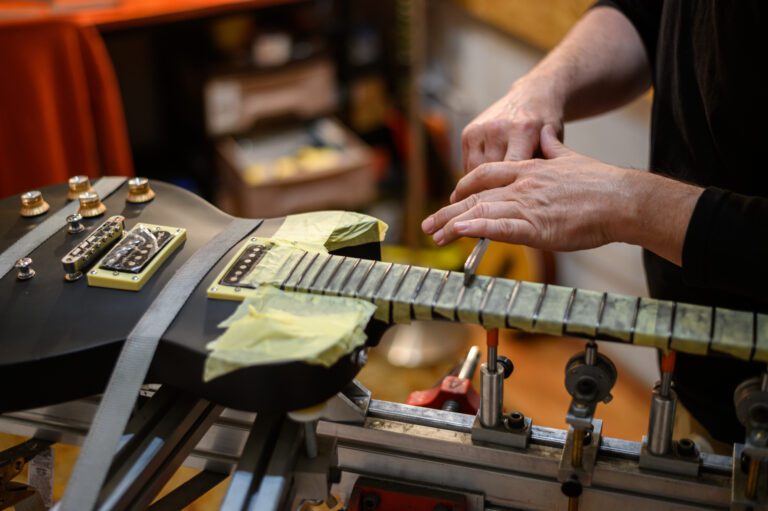
Customization evolves as skill develops. Beginners benefit from comfort adjustments, while advanced players refine tone and responsiveness.
Beginners often focus on:
Action setup
String selection
Tuning stability
Advanced players explore:
Pickup balancing
Electronics upgrades
Hardware precision
Each stage benefits from thoughtful modification.
The Role of Learning in Responsible Customization
Understanding music theory, technique, and instrument mechanics supports better customization decisions. Knowledge reduces risk and improves outcomes.
Learning guitar holistically ensures that customization enhances musicianship rather than compensates for weak fundamentals.
Conclusion
DIY guitar customization offers guitarists a powerful way to improve playability, tone, and personal connection with their instrument. By making informed, gradual, and purposeful modifications, players can transform their guitar into a more responsive and inspiring musical partner. When done responsibly, customization enhances both technical growth and creative expression.
For guitarists looking to strengthen fundamentals alongside practical instrument knowledge, Guitar Lessons Online can provide structured guidance that supports confident playing and long-term musical development.
For more information and exciting resources about learning music, visit our website at The Mystic Keys. For more music content and exciting offers follow us on
Facebook, Instagram, YouTube, LinkedIn, Twitter, Pinterest, and Threads.