Common Mistakes Beginners Make in Hindustani Singing
Hindustani classical music is one of the oldest and most refined musical traditions in the world. Known for its deep emotional expression, intricate ragas, and powerful vocal techniques, Hindustani singing requires dedication, patience, and proper guidance. For beginners, the journey into this musical art form can be exciting but also challenging.
Many new students begin learning Hindustani singing with enthusiasm, but without understanding the fundamentals, they may develop habits that slow their progress. Some mistakes may seem small in the beginning but can affect pitch accuracy, voice control, and overall musical growth over time.
Understanding these mistakes early can help learners build a stronger foundation and develop their vocal abilities more effectively. In this guide, we will explore the most common mistakes beginners make in Hindustani singing and discuss practical ways to overcome them.
Ignoring Basic Voice Training
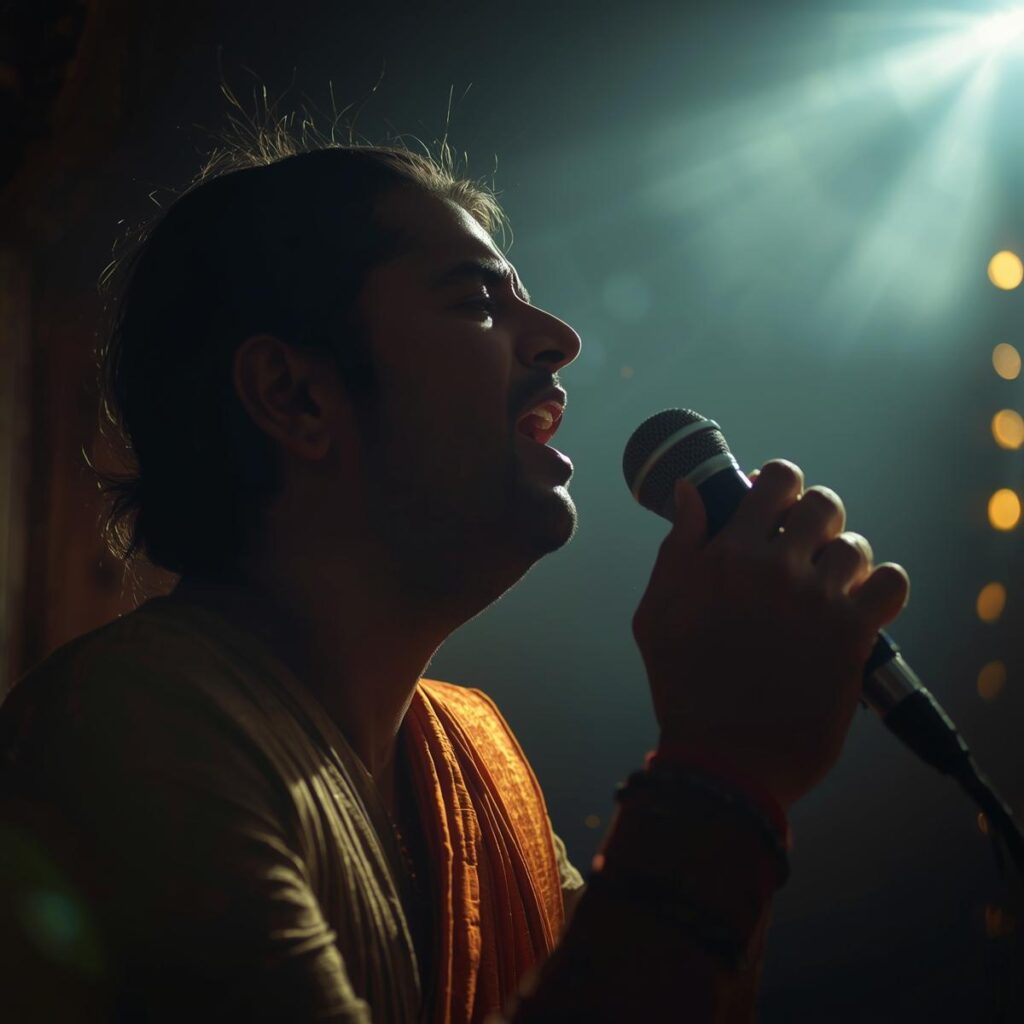
One of the most common mistakes beginners make in Hindustani singing is skipping basic voice training. Many students are eager to sing songs or complex ragas immediately, but without proper voice preparation, their singing may lack clarity and control.
In Hindustani classical music, the foundation of vocal training is Swar Sadhana, which refers to the systematic practice of musical notes. Practicing simple note patterns like Sa Re Ga Ma Pa Dha Ni Sa helps singers develop pitch accuracy and vocal stability.
Without consistent Swar Sadhana, beginners may struggle with several problems, including:
Regular voice exercises strengthen the vocal cords and improve control over different notes. Practicing slowly and focusing on the purity of each note helps build a strong musical base.
Even experienced classical singers spend time practicing basic swaras every day. This shows how essential voice training is for anyone serious about Hindustani singing.
Practicing Hindustani Singing Without Tanpura or Proper Pitch Reference

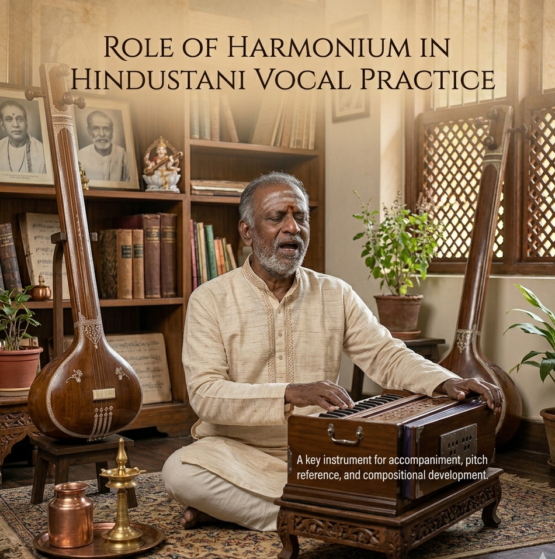
Another common mistake in Hindustani singing is practicing without a proper pitch reference. In Indian classical music, pitch accuracy is extremely important, and singers must constantly align their voice with the base note.
The tanpura provides a continuous drone that helps singers stay in tune. It acts as the tonal foundation of Hindustani music and guides the singer throughout the performance or practice session.
When beginners practice without a tanpura or shruti reference, they may develop poor pitch habits such as:
Using a tanpura during practice helps improve ear training, which is essential for recognizing subtle differences in pitch.
Today, many singers use digital tanpura apps or electronic tanpura instruments, making it easier to maintain correct pitch during practice sessions.
Poor Breath Control While Learning Hindustani Singing

Breath control plays a major role in Hindustani singing, but many beginners underestimate its importance. Singing long phrases, sustaining notes, and maintaining vocal power all depend on proper breathing techniques.
Beginners who do not practice breath control may face issues such as:
Running out of breath while singing
Breaking phrases in the middle of a line
Producing a strained or weak voice
In Hindustani vocal training, singers are encouraged to develop diaphragmatic breathing, where the breath comes from the diaphragm instead of shallow chest breathing.
A useful exercise is holding the note “Sa” for as long as possible while maintaining a steady tone. This helps develop breath control and strengthens vocal endurance.
Consistent breathing exercises also improve vocal clarity and help singers maintain stability during complex musical passages.
Rushing Through Alankars in Hindustani Singing Practice
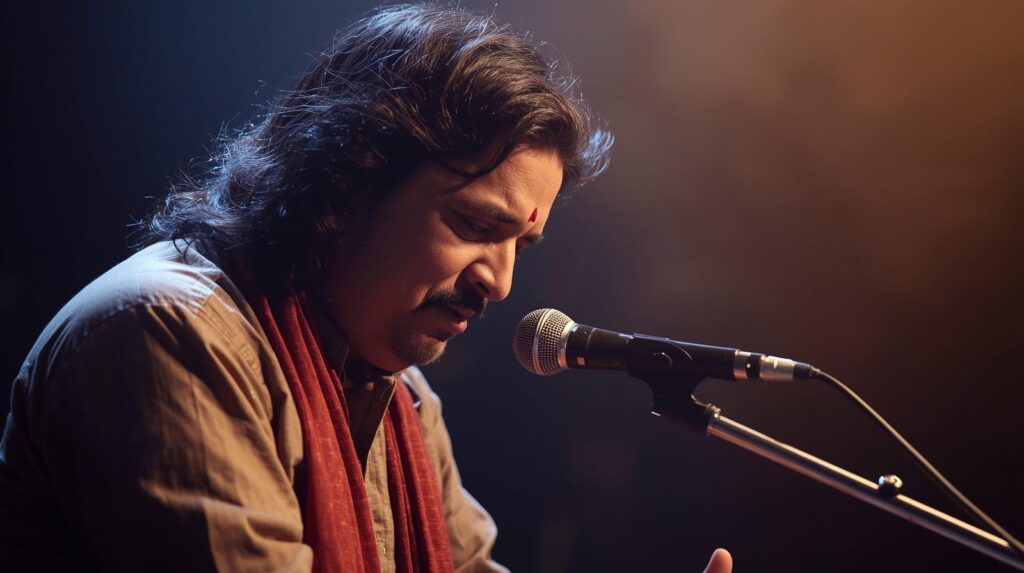
Alankars are an essential part of Hindustani singing practice. These are structured patterns of swaras that help train the voice and improve control over musical movements.
However, beginners often rush through alankar practice, trying to sing quickly before mastering accuracy.
In classical music, precision is more important than speed. When singers rush through exercises, they may develop unclear note transitions and weak vocal control.
Proper alankar practice helps singers:
Improve voice agility
Strengthen note clarity
Develop better control over melodic movements
The best approach is to start practicing alankars slowly and gradually increase the tempo as accuracy improves. This method builds strong muscle memory and improves overall vocal technique.
Lack of Rhythm Awareness in Hindustani Singing
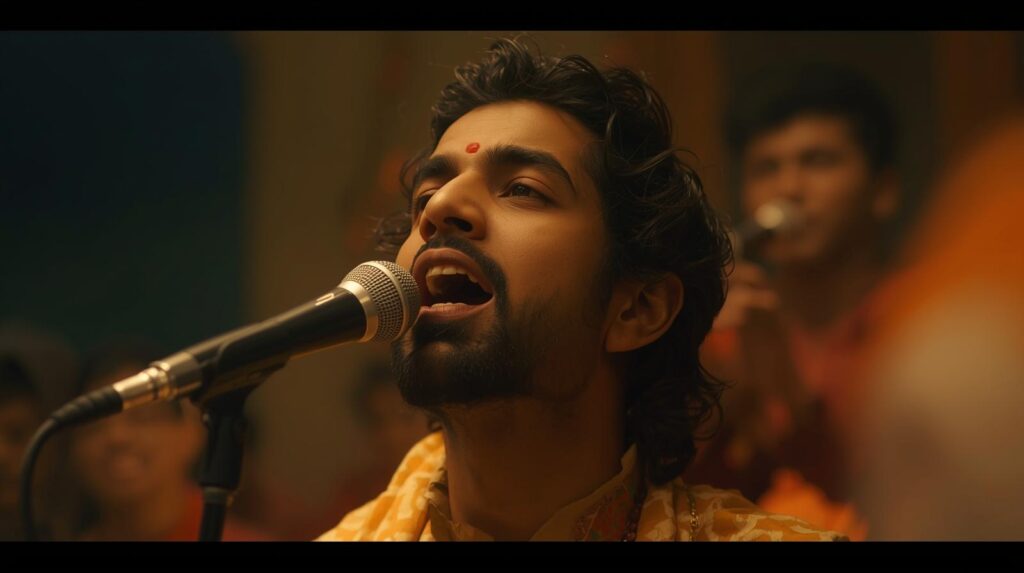
Hindustani singing is not only about melody; rhythm also plays a crucial role in musical expression. The rhythmic framework of Indian classical music is known as taal, and it provides structure to the performance.
Beginners sometimes focus entirely on ragas and forget about rhythm, which can lead to several issues such as:
Entering the composition at the wrong beat
Losing track of the rhythm cycle
Difficulty coordinating with tabla accompaniment
Understanding basic taals like Teentaal, Ektaal, and Dadra is essential for beginners learning Hindustani singing.
Practicing with a tabla app, metronome, or clapping the taal cycle can greatly improve rhythmic awareness. Over time, singers learn to naturally align their phrases with the rhythm, making their performance more structured and musical.
Expecting Quick Results While Learning Hindustani Singing
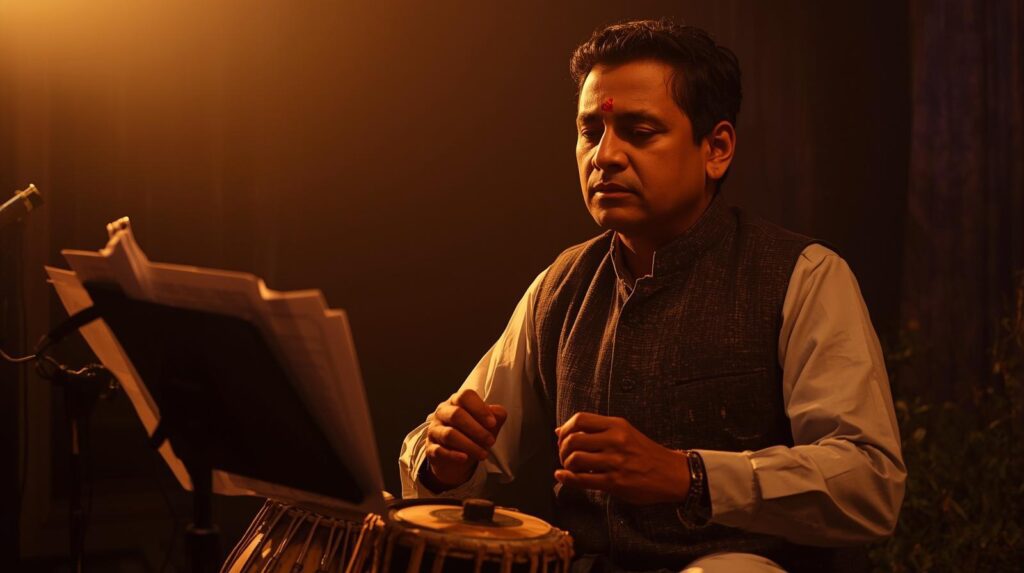
One of the biggest misconceptions about Hindustani singing is expecting fast results. Classical music training is a gradual process that requires patience and dedication.
Many beginners feel discouraged when they do not see immediate improvement. However, mastering Hindustani music takes time because it involves developing several skills simultaneously, including:
Pitch accuracy
Breath control
Voice modulation
Raga understanding
Rhythm coordination
Consistent practice is the key to progress. Even practicing 30 to 60 minutes daily can lead to noticeable improvement over time.
Learning under the guidance of experienced teachers also helps students avoid mistakes and develop the right techniques from the beginning.
With patience, dedication, and regular practice, beginners can gradually unlock the depth and beauty of Hindustani singing.
Conclusion
Hindustani singing is a beautiful and deeply expressive art form that requires discipline, patience, and proper training. Beginners often make mistakes such as ignoring basic voice exercises, practicing without a pitch reference, neglecting breath control, rushing through alankars, and overlooking rhythm.
By understanding and correcting these mistakes early, students can build a strong foundation in Hindustani music and improve their vocal abilities more effectively.
Consistent practice, proper guidance, and a genuine love for music can transform a beginner into a confident and skilled singer over time. If you are interested in developing your skills, you can learn Hindustani Vocal Lessons Online at The Mystic Keys, where structured lessons and expert guidance help students build strong musical foundations.
For more information and exciting resources about learning music, visit our website at The Mystic Keys. For more music content and exciting offers follow us on
Facebook, Instagram, YouTube, LinkedIn, Twitter, Pinterest, and Threads.