Best Guitars for Worship Musicians
Best guitars for worship musicians are not simply instruments that sound good—they are tools that help create a meaningful musical atmosphere during worship services. In church music, the guitar often plays a central role in supporting vocals, guiding the congregation, and building emotional connection through sound. Whether leading worship or playing as part of a band, selecting the right guitar can influence tone, comfort, and musical expression.
Many worship musicians spend hours practicing, rehearsing with bands, and performing during services. Because of this, choosing from the best guitars for worship musicians becomes important not only for sound quality but also for reliability and playability. A well-chosen guitar helps musicians focus on the music rather than worrying about technical limitations.
Worship music styles vary widely. Some churches prefer acoustic and simple arrangements, while others use full bands with electric guitars, keyboards, and drums. Understanding how different guitars fit into these styles helps musicians make informed decisions when selecting an instrument.
The Role of Guitar in Worship Music

The guitar has become one of the most widely used instruments in modern worship music. Its versatility allows it to support both simple and complex musical arrangements.
In many churches, guitars are used for:
– Leading congregational singing
– Supporting vocal melodies
– Adding rhythm and harmony
– Creating atmospheric musical textures
– Enhancing emotional moments during worship
Because of these roles, worship musicians must consider tone, clarity, and versatility when choosing an instrument.
The best guitars for worship musicians are those that blend naturally with vocals and other instruments rather than overpowering them. Worship music is not about technical display—it is about creating a musical environment that encourages participation and reflection.
Acoustic Guitars for Worship Musicians
- Acoustic guitars are among the most common instruments used in worship music. Their warm and natural tone makes them ideal for leading songs and supporting singers.
- Many worship leaders prefer acoustic guitars because they produce a sound that feels intimate and expressive. Even in larger church settings with sound systems, acoustic guitars maintain a clear and balanced tone that fits well with piano and vocals.
Characteristics of Good Worship Acoustic Guitars
- When choosing an acoustic guitar for worship, musicians often look for several key qualities.
- First, the guitar should produce a warm and balanced sound. Worship music often includes soft verses and powerful choruses, so the instrument must respond well to both gentle strumming and stronger playing.
- Second, comfort is extremely important. Worship musicians often play for long periods during rehearsals and services, so the guitar should feel comfortable in the hands and shoulders.
- Third, the guitar should include reliable electronics. Many churches connect guitars directly to sound systems, so built-in pickups or amplification systems are essential.
Electric Guitars in Modern Worship Music
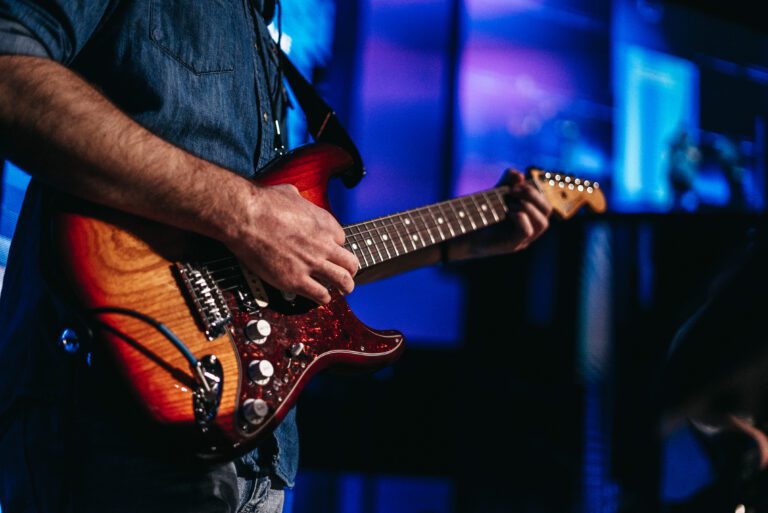
- While acoustic guitars remain popular, electric guitars have become increasingly important in modern worship bands.
- Electric guitars allow musicians to create atmospheric textures and melodic lines that add depth to worship music. Effects such as delay and reverb are commonly used to produce spacious sounds that support the overall musical atmosphere.
- Many contemporary worship songs rely on electric guitars to create layers of sound. Instead of simply playing chords, electric guitarists often play melodic patterns, ambient swells, or rhythmic lines that complement the band.
- The best guitars for worship musicians in electric form are those that provide tonal clarity and flexibility. These guitars allow players to adjust their sound easily depending on the style of the song.
Tone and Sound Quality
Tone is one of the most important factors when choosing a guitar for worship music.
In church settings, the guitar must blend smoothly with vocals and other instruments. A guitar that is too bright or too aggressive may distract from the overall musical balance.
Worship musicians typically prefer guitars that produce:
– Warm and balanced tones
– Clear chord definition
– Smooth sustain
– Dynamic response to playing style
The ability to control tone through picking strength and hand position also helps musicians shape the sound to fit different songs.
Comfort and Playability
Comfort is often overlooked when choosing a guitar, but it becomes very important during long worship services or rehearsals.
Musicians who play regularly need an instrument that feels natural and easy to handle. Neck shape, body size, and string action all contribute to playability.
A guitar that is difficult to play may cause fatigue and limit performance quality. On the other hand, a comfortable instrument allows musicians to focus on the music and worship experience.
When considering the best guitars for worship musicians, comfort should always be a top priority.
Durability and Reliability
Church musicians rely on their instruments week after week. Because of this, durability is another key factor.
Guitars used in worship environments must handle:
– Frequent rehearsals
– Transportation to church
– Changes in temperature and humidity
– Regular performances
Reliable construction ensures that the guitar maintains its tone and tuning stability over time.
A dependable instrument reduces the risk of technical issues during live performances.
Acoustic vs Electric for Worship
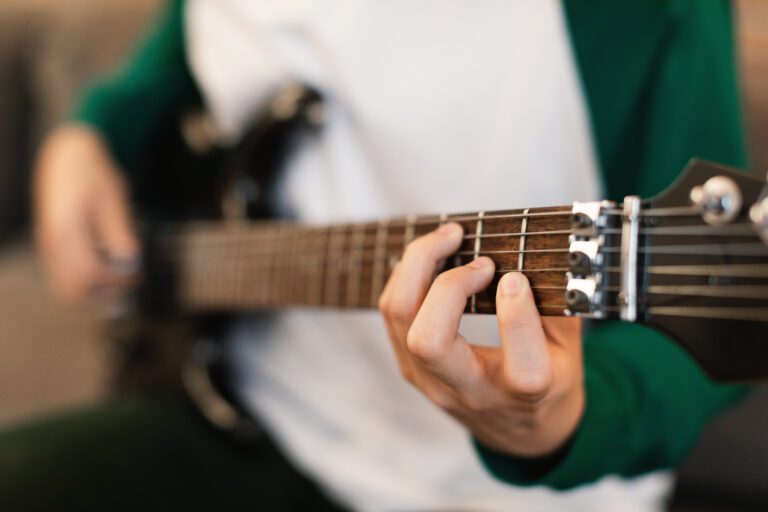
- Both acoustic and electric guitars offer unique benefits for worship musicians.
- Acoustic guitars provide simplicity and warmth. They work especially well in smaller church settings or acoustic worship styles.
- Electric guitars offer versatility and tonal variety. They are often used in contemporary worship bands where layered sound and dynamic transitions are important.
- Many worship musicians eventually learn to use both types of guitars depending on the needs of the band and the style of music being played.
- The best guitars for worship musicians are those that serve the musical purpose of the service rather than focusing purely on personal preference.
Importance of Practice for Worship Guitarists
Even the best guitar cannot replace proper practice and musical preparation.
Worship musicians must develop several skills to support their role effectively.
These include:
– Smooth chord transitions
– Consistent rhythm
– Listening and blending with the band
– Dynamic control during songs
Practicing regularly helps musicians maintain confidence and accuracy during services.
Musicians who dedicate time to practice also develop stronger musical awareness, allowing them to adapt easily during live worship moments.
Playing with a Worship Band
In modern worship settings, guitars often play alongside other instruments such as piano, drums, bass, and vocals.
Because of this, collaboration becomes essential.
Guitarists must listen carefully to the entire band rather than focusing only on their own part. Sometimes the guitar should lead the rhythm, while at other times it should remain subtle in the background.
Understanding how to support the band is just as important as choosing the best guitars for worship musicians.
A good worship guitarist prioritizes the overall sound of the band rather than personal performance.
Developing Musical Sensitivity
One of the most important qualities of worship musicians is sensitivity to the musical and spiritual atmosphere of the service.
Guitarists should pay attention to:
– The mood of the song
– The pace of the worship set
– The direction given by the worship leader
Rather than playing continuously, skilled musicians know when to play and when to remain silent.
This awareness allows the guitar to contribute meaningfully to the overall worship experience.
Learning Guitar for Worship
Many musicians begin learning guitar specifically to participate in church worship teams.
For beginners, focusing on foundational skills is important.
These include:
– Basic chords
– Strumming patterns
– Rhythm consistency
– Listening to the band
Over time, musicians can expand their skills to include more advanced techniques and musical understanding.
Learning gradually ensures steady progress and confidence.
Final Thoughts
Choosing the best guitars for worship musicians involves more than selecting a popular instrument. The right guitar should support the style of worship music, provide reliable performance, and allow musicians to play comfortably during services.
Acoustic guitars offer warmth and simplicity, while electric guitars provide versatility and expressive tone. Both instruments play valuable roles in worship settings, and many musicians learn to use them together to create balanced and engaging musical arrangements.
Ultimately, the most important element is not the instrument itself but the heart and dedication of the musician. When worship guitarists focus on serving the music and supporting the congregation, their playing becomes more meaningful and impactful.
With the right instrument, consistent practice, and a genuine passion for music, worship musicians can contribute to powerful musical experiences that inspire and uplift those who listen.
About The Mystic Keys
The Mystic Keys is an online music academy dedicated to helping students develop strong musical skills through structured and personalized lessons. Students receive one-on-one guidance, recorded sessions for practice review, and a clear learning path designed to build both technique and musical confidence.
The academy offers lessons in Piano Lessons Online, Guitar Lessons Online, vocals, drums, Hindustani music, and more. instruments. allowing students to explore different areas of music education. With experienced teachers and a supportive learning environment, students can grow steadily and achieve important musical milestones.
Many students at The Mystic Keys also prepare for internationally recognized music certifications from Trinity College London, giving them opportunities to develop professionally and academically through music.
For more information and exciting resources about learning music, visit our website at The Mystic Keys. For more music content and exciting offers follow us on
Facebook, Instagram, YouTube, LinkedIn, Twitter, Pinterest, and Threads.