How to Develop a Consistent Touch on the Piano
Developing a consistent touch on the piano is one of the most important skills every pianist must master. Whether you are a beginner learning your first scales or an advanced player performing complex compositions, the way your fingers interact with the keys directly affects your tone, accuracy, and musical expression. A consistent touch allows every note to sound balanced, controlled, and intentional, creating a polished and professional performance.
Many students focus primarily on speed and memorization, but true musical growth comes from learning how to control dynamics, finger pressure, and hand movement. By practicing the right techniques and maintaining proper posture, pianists can gradually build consistency across all registers of the instrument. Understanding how to develop a consistent touch on the piano will not only improve your technical abilities but also make your playing more expressive and enjoyable.
Understanding What a Consistent Touch on the Piano Means
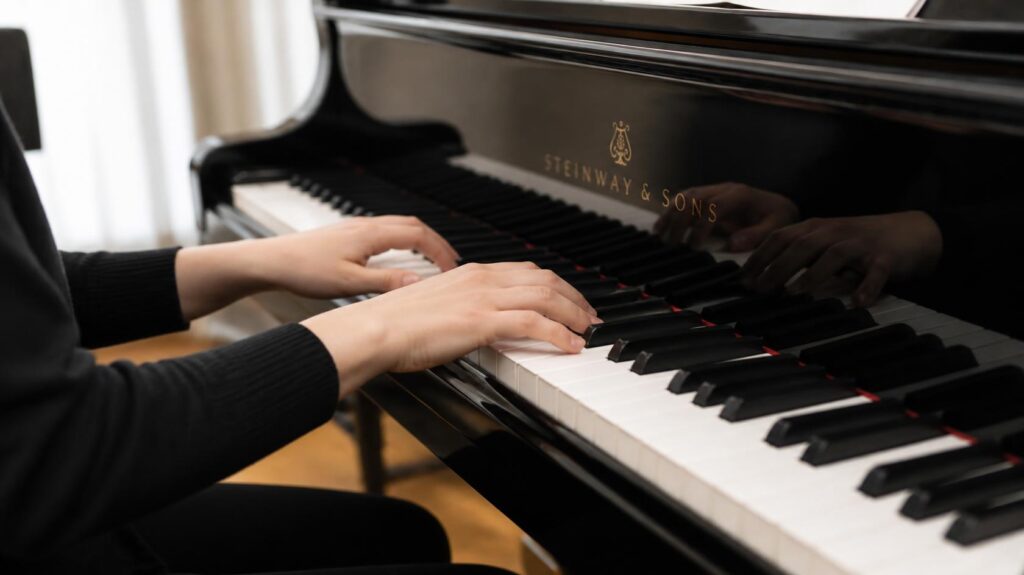
A consistent touch on the piano refers to the ability to produce an even tone and volume across all notes while maintaining complete control over dynamics and articulation. It is the foundation of beautiful piano playing because it ensures that melodies flow smoothly and harmonies remain balanced. Pianists with a well-developed touch can transition effortlessly between soft and loud passages without creating unwanted accents or uneven sounds.
Consistency does not mean playing every note at the same volume. Instead, it means having the ability to intentionally control each note according to the musical context. Whether performing classical pieces, worship music, jazz improvisations, or contemporary songs, a pianist with a refined touch can shape phrases naturally and communicate emotions more effectively.
Building Finger Strength for a Consistent Touch on the Piano
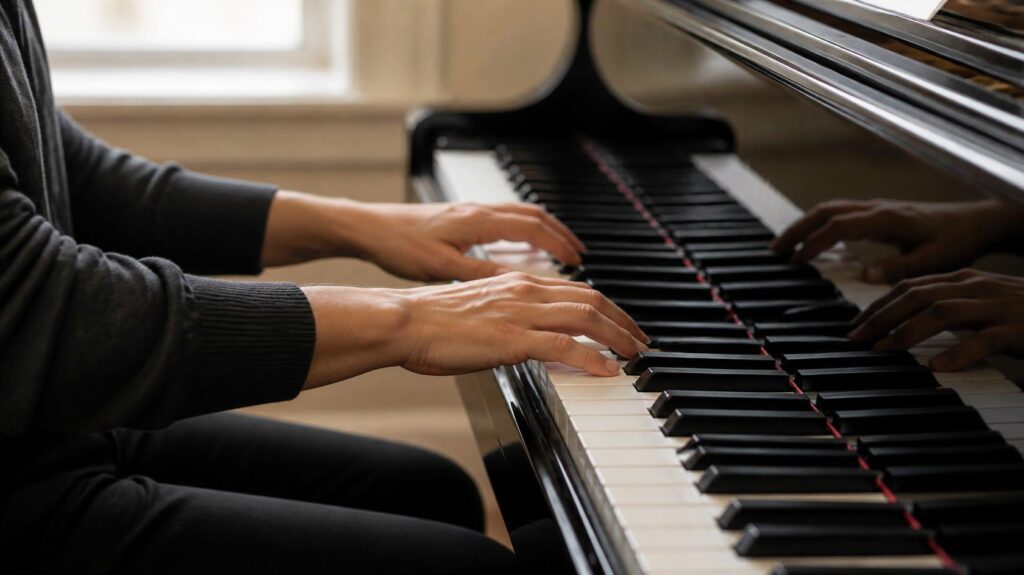
One of the most effective ways to develop a consistent touch on the piano is by strengthening finger independence. Since each finger has a different level of strength and flexibility, pianists often struggle with uneven notes, especially when using the fourth and fifth fingers. Regular technical exercises help balance the strength of all fingers and improve control.
Practicing scales, arpeggios, and five-finger exercises slowly and deliberately allows students to focus on producing equal tone quality from every finger. Rather than rushing through exercises, pianists should listen carefully to each note and make adjustments whenever certain fingers sound louder or weaker than others. Over time, these exercises train the hands to move with greater precision and consistency.
The Importance of Hand Position and Relaxation for Consistent Touch on the Piano
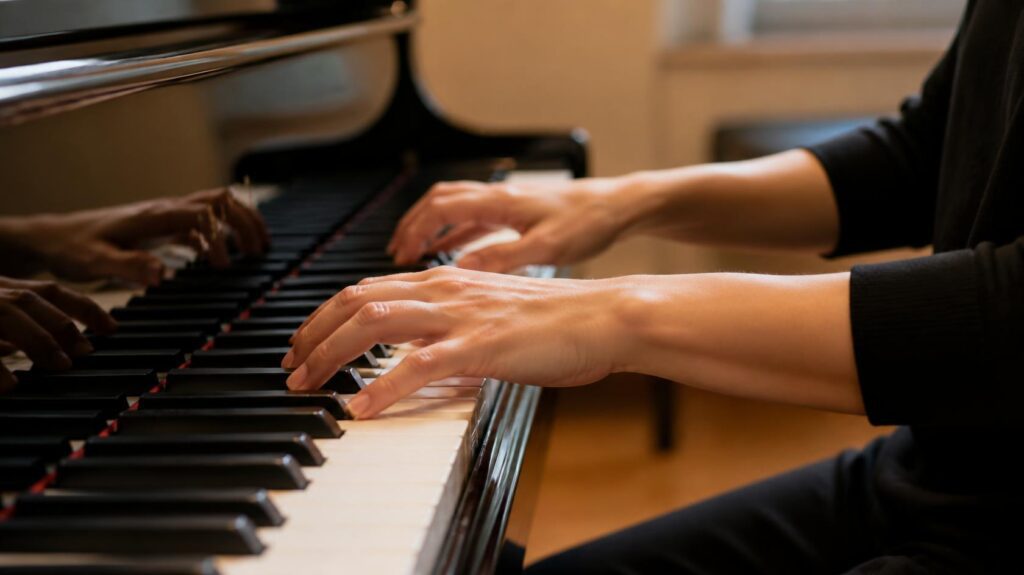
Hand posture plays a crucial role in achieving an even touch. Tension in the wrists, fingers, or shoulders can lead to inconsistent playing and unnecessary fatigue. Pianists should maintain a relaxed, curved hand position, keeping the wrists flexible and allowing the fingers to naturally transfer weight into the keys.
A relaxed technique improves control and helps prevent injuries caused by excessive tension. Students should regularly check their posture while practicing, ensuring that they sit at the correct height and keep their shoulders loose. Proper alignment between the hands, wrists, and arms creates a solid foundation for developing a smooth and balanced tone across the keyboard.
Practice Scales and Arpeggios With Dynamic Control
Scales and arpeggios are essential tools for mastering a consistent touch on the piano. These exercises strengthen finger coordination while helping pianists develop control over volume and articulation. Instead of practicing scales mechanically, students should experiment with different dynamic levels, gradually moving from soft to loud and then back to soft.
This approach trains the fingers to respond evenly under varying levels of pressure. Practicing scales with a metronome also helps maintain rhythmic accuracy and prevents rushing or dragging. Over time, these exercises improve tonal consistency and prepare students for the technical demands of more advanced repertoire.
Listen Carefully to Your Tone Quality
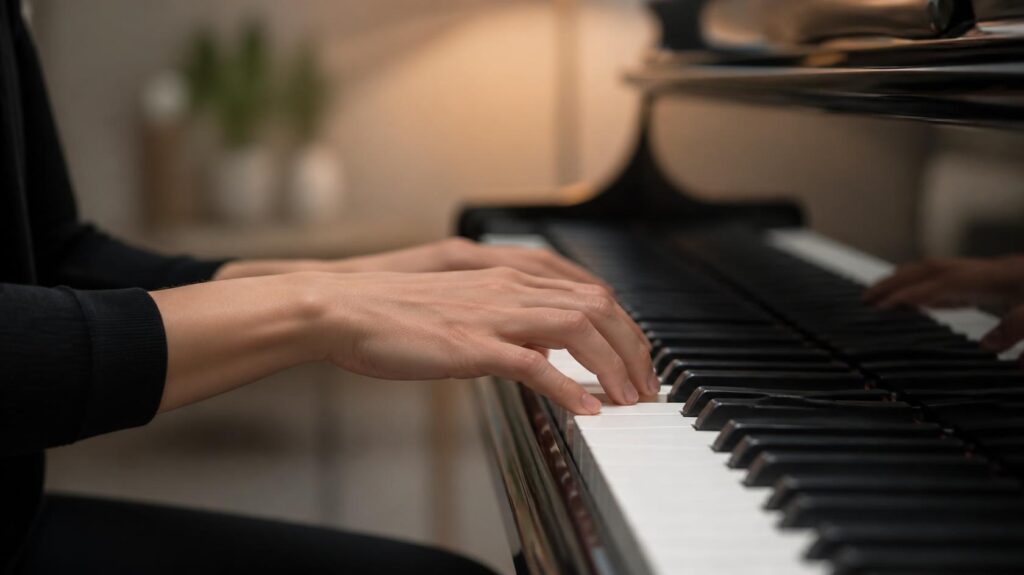
Developing a refined touch requires active listening. Many pianists focus solely on pressing the correct keys and overlook the importance of tone production. Recording practice sessions and listening back can reveal inconsistencies that may not be noticeable while playing.
Students should ask themselves whether certain notes stand out too much or disappear within a phrase. Paying attention to the balance between the left and right hands is equally important, as accompaniment patterns should support rather than overpower the melody. Careful listening helps pianists identify weaknesses and make precise adjustments that lead to greater consistency.
Using Slow Practice to Build a Consistent Touch on the Piano
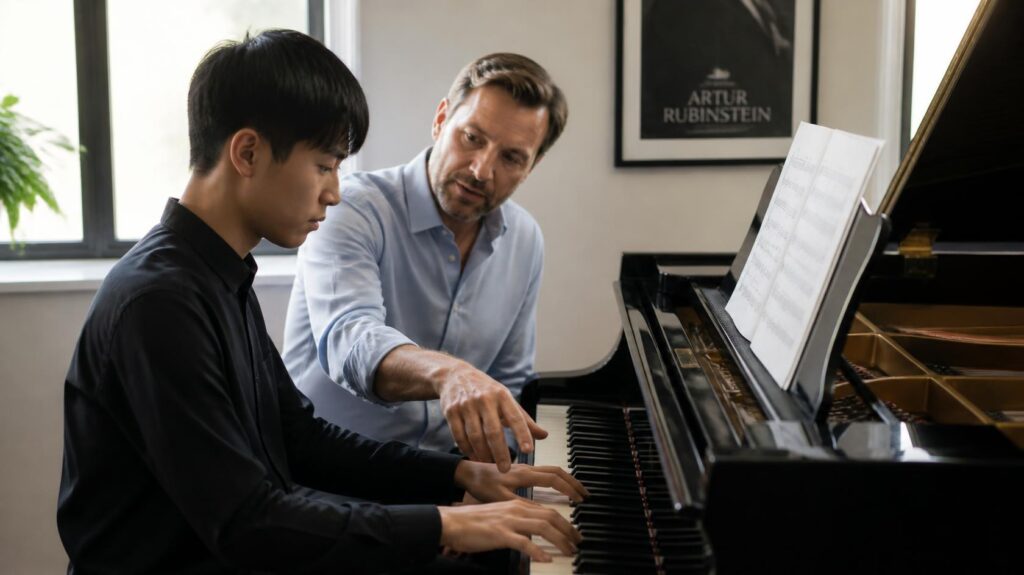
Slow practice is one of the most powerful techniques for improving touch and accuracy. Playing slowly gives pianists enough time to focus on finger movement, hand position, and tone production. It also allows them to recognize and correct uneven playing before increasing the tempo.
Rather than viewing slow practice as tedious, students should treat it as an opportunity to refine every aspect of their technique. Practicing difficult passages at a reduced speed builds muscle memory and ensures that consistency remains intact even when the tempo increases. Professional pianists often spend significant time practicing slowly because they understand that control is the foundation of speed.
Improve Consistency Through Regular Practice Habits
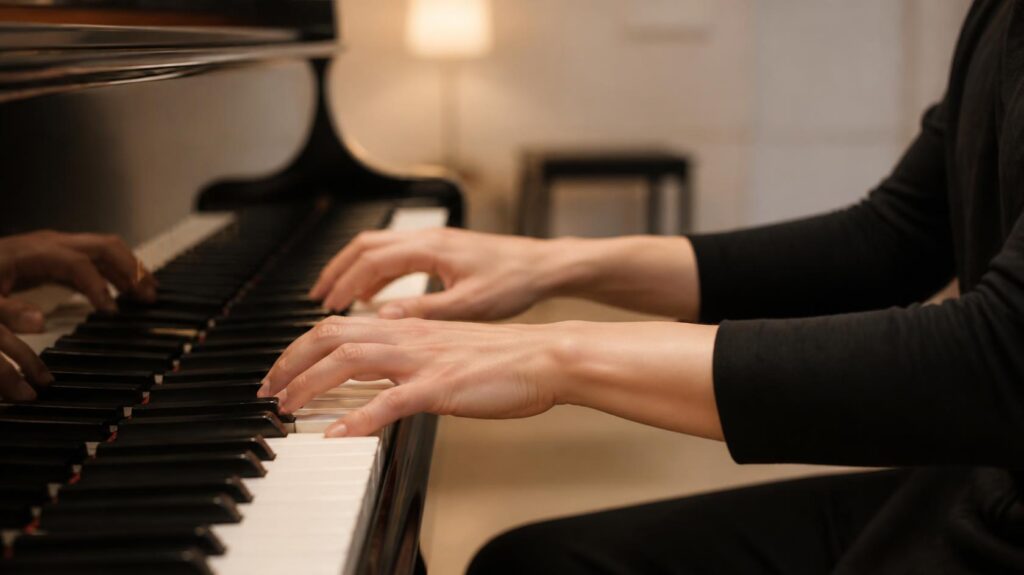
Consistency on the piano is developed through disciplined and focused practice rather than occasional long sessions. Short, structured practice sessions performed daily are far more effective than irregular practice schedules. Setting aside time for warm-ups, technical exercises, repertoire, and listening exercises helps pianists steadily improve their touch and overall musicianship.
Students should establish realistic goals and track their progress over time. Practicing with intention, rather than simply repeating passages, encourages steady improvement and helps build confidence. As finger strength, coordination, and listening skills develop, the consistency of touch naturally improves as well.
Take Professional Guidance to Refine Your Piano Technique
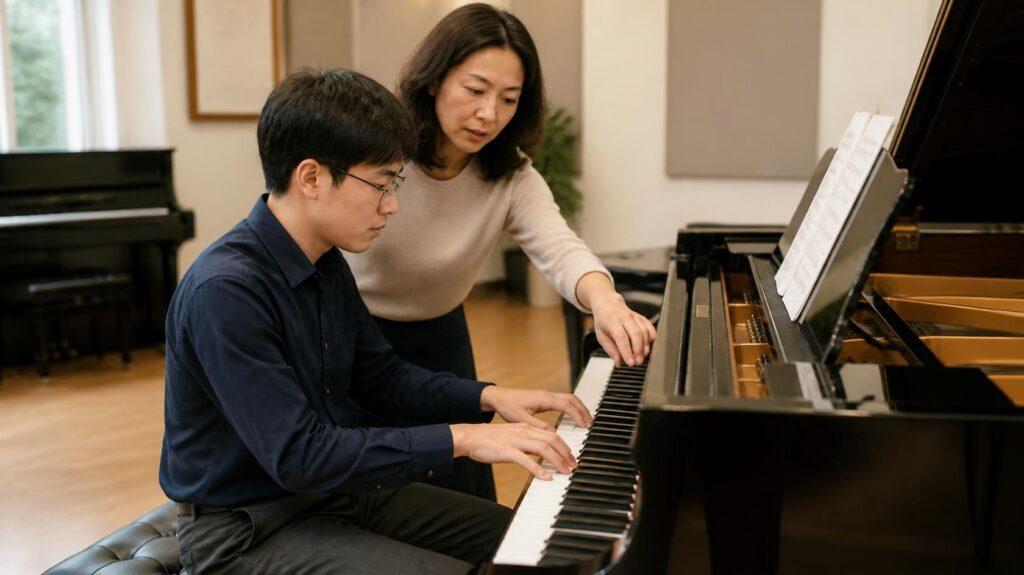
While self-practice is essential, expert instruction can significantly accelerate the process of developing a consistent touch on the piano. A skilled teacher can identify technical issues, correct posture problems, and provide personalized exercises tailored to a student’s needs. Individual feedback helps pianists overcome bad habits and build strong technical foundations.
At The Mystic Keys, students receive personalized online piano lessons that focus on finger technique, tone production, rhythm, and musical expression. Through structured learning and one-on-one guidance, pianists of all levels can develop a consistent touch that enhances both their technical abilities and artistic confidence.
Conclusion
Learning how to develop a consistent touch on the piano requires patience, focused practice, and attention to detail. By strengthening finger independence, maintaining proper posture, practicing scales with dynamic control, and listening carefully to tone quality, pianists can achieve greater precision and expressiveness in their playing. Students who learn piano lessons online can also benefit from structured guidance and personalized feedback, which help them refine their technique and build consistency more effectively.
With regular practice and proper guidance, consistency becomes second nature, allowing musicians to perform with confidence and communicate emotions more effectively through music. Mastering this skill not only improves technical proficiency but also transforms the overall musical experience, helping pianists unlock their full potential.
For more information and exciting resources about learning music, visit our website at The Mystic Keys. For more music content and exciting offers follow us on
Facebook, Instagram, YouTube, LinkedIn, Twitter, Pinterest, and Threads.