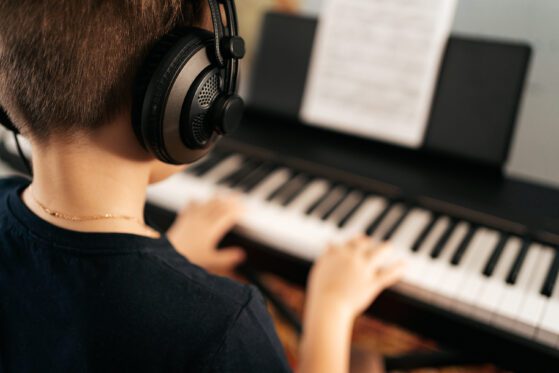
Practice Music Regularly | The Benefits You Can't Ignore
Music is much more than a hobby. It is a skill that grows with time, patience, and consistency. When you practice music regularly, every session strengthens your technique, confidence, and understanding of your instrument or voice. Whether you are learning the piano, guitar, drums, violin, or vocals, consistent practice is the foundation of meaningful progress. While talent may give someone a head start, it is disciplined practice that truly shapes a musician.
Many beginners feel excited during the first few weeks of learning. However, as lessons become more challenging, motivation can begin to fade. This is where a consistent practice routine becomes invaluable. Even short daily practice sessions can create lasting improvements that occasional long sessions simply cannot match.
So, why is practicing music regularly so important? More importantly, what benefits can you expect when you make it a habit? Let’s explore the advantages that make regular music practice one of the best investments in your musical journey.

Why Consistency Matters More Than Long Practice Sessions
One of the biggest misconceptions among beginners is that practicing for several hours once a week is enough to improve. In reality, the brain and muscles learn more effectively through frequent repetition than through occasional intensive sessions.
Every practice session strengthens the connection between your mind and your movements. As a result, your fingers, voice, breathing, and rhythm gradually become more natural. Instead of trying to master everything in one sitting, regular practice allows your skills to develop steadily over time.
Moreover, consistency helps prevent frustration. Since each session builds upon the previous one, learning becomes smoother and less overwhelming. Consequently, students are more likely to stay motivated and continue progressing.

How Practice Music Regularly Builds Strong Musical Memory
Learning music involves much more than simply reading notes or memorizing lyrics. It requires your brain to recognize patterns, remember sequences, and coordinate movements simultaneously.
When you practice regularly, your musical memory becomes stronger. Chord shapes become familiar, melodies stay in your mind longer, and scales begin to feel automatic. Eventually, you spend less time remembering what comes next and more time focusing on musical expression.
Furthermore, repeated exposure helps transfer information from short-term memory to long-term memory. This makes performances more confident because you rely less on conscious thinking and more on natural recall.
As your musical memory improves, learning new pieces also becomes easier. In other words, every practice session prepares your brain for future challenges.

Practice Music to Improve Technique and Accuracy
Every instrument requires precise movement. Whether you are pressing piano keys, changing guitar chords, controlling your breathing while singing, or maintaining rhythm on the drums, technique plays a major role in producing quality music.
Regular practice gives you countless opportunities to refine these movements. Instead of rushing through songs, consistent practice encourages careful attention to posture, finger placement, timing, and control.
Over time, small corrections lead to significant improvements. Your fingers become more flexible, transitions become smoother, and mistakes occur less frequently. As a result, playing becomes more enjoyable because your body responds naturally to your intentions.
In addition, practicing slowly before increasing speed develops cleaner technique. This approach reduces bad habits that can otherwise become difficult to correct later.

Practice Music to Develop Better Rhythm and Timing
Rhythm is often described as the heartbeat of music. Without good timing, even beautifully played notes can sound disconnected.
Fortunately, rhythm improves through repetition. The more consistently you practice with a metronome, backing track, or teacher, the better your internal sense of timing becomes.
Gradually, counting beats starts feeling effortless. Your ability to stay in tempo improves, and playing with other musicians becomes much easier. Likewise, singers develop stronger phrasing because they learn exactly when to breathe and enter each musical phrase.
Eventually, maintaining rhythm becomes second nature. Rather than concentrating on counting every beat, you begin to feel the pulse naturally.

Increases Confidence During Performances
Many students experience nervousness before performing. This is completely natural. However, confidence is rarely built through wishful thinking—it comes from preparation.
Regular practice reduces uncertainty because you become familiar with every section of your music. Instead of worrying about forgotten notes or missed chords, you can focus on expressing the emotion behind the performance.
Moreover, repeated practice creates a sense of security. Since you have successfully played the piece many times during practice, performing it in front of others feels far less intimidating.
Even if minor mistakes happen, consistent practice allows you to recover quickly without losing confidence. That resilience is something every musician develops over time.

Strengthens Concentration and Discipline
Music demands complete attention. During practice, you constantly listen, observe, adjust, and improve. Consequently, your ability to concentrate becomes stronger with every session.
Unlike many daily activities filled with distractions, practicing music encourages focused learning. You learn to pay attention to details, identify mistakes, and solve problems independently.
At the same time, maintaining a regular practice schedule teaches discipline. Some days you may feel highly motivated, while other days you may not. Nevertheless, continuing your routine despite changing moods helps develop consistency that extends far beyond music.
This discipline often benefits other areas of life as well, including academics, work, and personal goals.

Encourages Creativity and Musical Expression
Many people believe practice is only about repetition. While repetition is important, regular practice also creates space for creativity.
As technical skills improve, you gain the freedom to experiment with dynamics, tempo, phrasing, and interpretation. Instead of simply playing the notes correctly, you begin telling a story through your music.
Additionally, experienced students often enjoy exploring improvisation, composing original melodies, or arranging familiar songs in new ways. These creative experiences become much more enjoyable because regular practice provides the confidence needed to explore new ideas.
Ultimately, technique gives you the tools, but consistent practice allows your creativity to flourish.

Practice Music to Learn New Songs Faster
Every new song introduces different rhythms, techniques, and musical patterns. Students who practice consistently usually notice that each new piece becomes easier than the last.
This happens because many musical concepts repeat across different songs. Once your fingers recognize common chord progressions or your voice becomes comfortable with various scales, learning unfamiliar music requires less effort.
Furthermore, sight-reading improves through regular exposure to musical notation. As your reading ability develops, you spend less time decoding notes and more time making music.
Therefore, steady practice not only improves your current performance but also speeds up future learning.

Supports Emotional Well-Being
Music has a unique ability to influence emotions. After a stressful day, sitting down with your instrument or singing your favorite songs can provide a welcome sense of calm.
Regular practice creates a healthy routine that encourages mindfulness and emotional expression. Instead of focusing on daily pressures, your attention shifts toward rhythm, melody, and creativity.
Research has also shown that making music can reduce stress, improve mood, and promote relaxation. Consequently, many students find that practicing becomes something they genuinely look forward to rather than another task on their schedule.
Beyond relaxation, music also provides a sense of accomplishment. Every mastered song and every improved technique reminds you that steady effort produces meaningful results.

Practice Music Regularly to Stay Motivated
Progress is one of the greatest sources of motivation. When you practice regularly, improvements become visible more often.
Perhaps you finally play a difficult chord progression smoothly. Maybe your vocal range expands, or you master a rhythm that once felt impossible. These achievements create positive momentum and encourage you to keep learning.
On the other hand, long gaps between practice sessions often make students feel as though they are starting over. That can be discouraging and may reduce enthusiasm for learning.
By maintaining a regular schedule, you experience continuous growth, making it easier to stay excited about your musical journey.

Creating a Sustainable Practice Music Routine
Building a lasting practice habit does not require spending several hours every day. In fact, shorter sessions completed consistently are often far more effective than occasional marathon practice sessions.
Start by choosing a realistic time that fits naturally into your daily routine. Even fifteen to thirty minutes of focused practice can produce noticeable improvements over time. During each session, work on a combination of warm-ups, technical exercises, and songs you enjoy playing.
Equally important, remember that quality matters more than quantity. Practicing with attention, patience, and purpose will always produce better results than rushing through exercises without focus.
Finally, celebrate small victories along the way. Every improvement, no matter how minor it seems, is another step toward becoming a stronger musician.

Final Thoughts
Regular music practice is not simply about becoming faster or playing more songs. It is about building confidence, improving technique, strengthening memory, developing discipline, and discovering your own musical voice.
Although progress may sometimes feel slow, every practice session contributes to long-term growth. Day after day, those small efforts accumulate into remarkable improvements that are impossible to achieve through occasional practice alone.
Whether you are just beginning your musical journey or returning after a break, consistency remains your greatest advantage. So, pick up your instrument, warm up your voice, and make practice a part of your daily routine. The benefits are simply too valuable to ignore.
At The Mystic Keys, we encourage students of all ages to build a consistent practice routine alongside expert guidance from experienced instructors. With personalized one-on-one online music lessons, structured learning, and continuous support, every practice session becomes a step closer to achieving your musical goals. Start your journey today, and discover how regular practice can unlock your true musical potential.
For more information and exciting resources about learning music, visit our website at The Mystic Keys. For more music content and exciting offers follow us on
Facebook, Instagram, YouTube, LinkedIn, Twitter, Pinterest, and Threads.