
The Hidden Discipline Behind Professional Violin Playing
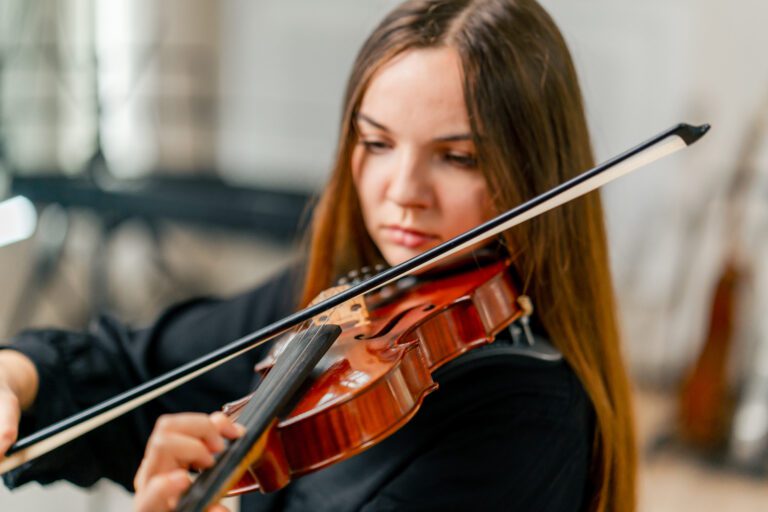
Watching a professional violinist perform can feel almost magical. Every note flows effortlessly, every movement appears graceful, and the music seems to come naturally. However, what audiences see on stage is only a small part of the journey. Behind every breathtaking performance lies years of dedication, countless hours of practice, and an unwavering commitment to improvement. Professional violin playing is not simply about talent—it is built on discipline, patience, and consistency.
Many aspiring musicians believe that great violinists are born with extraordinary abilities. While natural aptitude can be helpful, it is disciplined practice and perseverance that truly shape a professional musician. Every polished performance is the result of years spent refining technique, correcting mistakes, and developing both physical and mental endurance.
Understanding the discipline behind professional violinists not only inspires beginners but also helps students appreciate the value of persistence in their own musical journey.
Why Professional Violin Playing Requires Daily Discipline
Every accomplished violinist starts with the basics.
Professional violinists often make playing look effortless. Every note flows beautifully, every movement appears graceful, and every performance captivates the audience. What many people do not see, however, is the discipline that exists behind every polished performance. Professional violin playing requires far more than natural talent it demands patience, consistency, and a strong commitment to continuous improvement.
Mastering these essentials may seem repetitive, but they form the foundation for everything that follows.
Professional musicians never outgrow these fundamentals. Even after years of experience, they continue revisiting basic exercises to maintain precision and control.
How Professional Violin Playing Develops Technical Excellence
One of the biggest secrets behind professional violin playing is consistency.
Professional violinists rarely rely on inspiration alone. Instead, they follow structured daily practice routines designed to strengthen technique while improving musical expression.
A typical practice session often includes:
- Warm-up exercises
- Scales and arpeggios
- Bowing techniques
- Intonation practice
- Sight-reading
- Repertoire study
- Performance preparation
Each section serves a specific purpose, allowing musicians to improve steadily over time.
The Mental Discipline Behind Professional Violin Playing

Simply spending hours with the violin is not enough.
Professional musicians understand the importance of focused practice.
Behind every accomplished violinist is a daily routine built on focused practice, technical precision, and a desire to keep learning. Professional musicians spend years refining their posture, bow control, finger placement, and musical expression. They understand that excellence does not happen overnight but grows through dedication and disciplined effort.
This method involves:
- Slowing down difficult sections.
- Breaking music into smaller phrases.
- Correcting mistakes immediately.
- Gradually increasing tempo.
- Repeating until consistency is achieved.
Purposeful practice produces far better results than mindless repetition.
Patience Is One of the Greatest Musical Skills
Modern society often encourages instant results, but music teaches the opposite.
Learning the violin requires patience because progress happens gradually.
A new technique may take weeks to master, while a challenging composition can require months of preparation.
Professional violinists understand that meaningful improvement cannot be rushed.
Instead of focusing on immediate perfection, they trust the process and celebrate steady progress.
The Role of Teachers in Professional Violin Playing

The bow is often considered the voice of the violin.
Producing a beautiful tone requires far more than moving the bow across the strings.
Professional violinists carefully control:
- Bow speed
- Bow pressure
- Contact point
- Direction changes
- Smooth articulation
Years of disciplined practice allow these movements to become natural, creating the expressive sound audiences admire.
Precision Is More Important Than Speed
Many beginners believe that fast playing defines great musicianship.
In reality, professional violinists prioritize accuracy above speed.
Every note must be:
- In tune
- Rhythmically correct
- Musically expressive
- Technically clean
Only after achieving consistency at slower tempos do musicians gradually increase their speed.
This disciplined approach prevents bad habits and builds long-term confidence.
Physical Discipline Matters Too
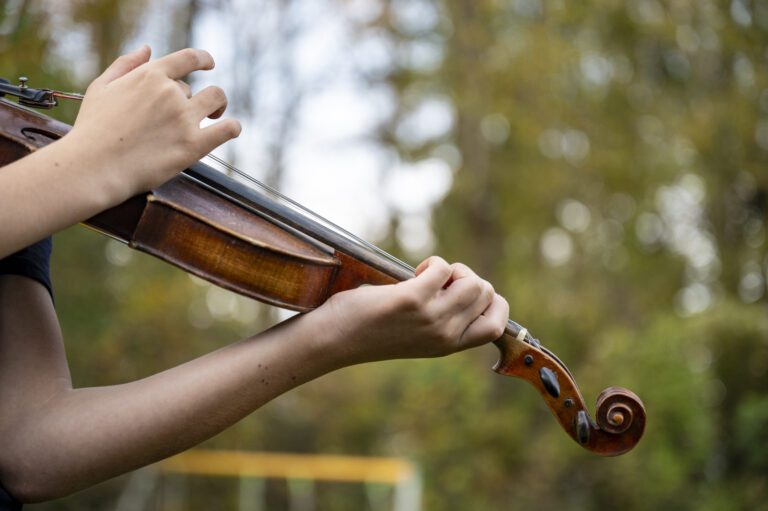
Playing the violin demands excellent physical awareness.
One of the defining characteristics of professional violin playing is consistency. Successful violinists do not rely on occasional bursts of motivation. Instead, they dedicate time every day to improving their technique, refining their tone, and strengthening their musical understanding. Even short, focused practice sessions contribute to long-term progress when repeated consistently over time.
Healthy playing habits include:
- Maintaining balanced posture.
- Relaxing the shoulders.
- Using efficient hand movements.
- Avoiding excessive muscle tension.
- Taking regular practice breaks.
These habits reduce the risk of injury while improving overall performance.
Mental Strength Is Just as Important
Behind every confident performance is a strong mindset.
Every movement matters in professional violin playing. From accurate finger placement to smooth bow control, musicians continually refine the smallest details of their technique. Paying attention to precision allows violinists to perform confidently while producing a beautiful and expressive sound that audiences appreciate.
Success depends on staying calm under pressure.
Mental discipline includes:
- Managing performance anxiety.
- Maintaining concentration.
- Staying positive after mistakes.
- Remaining focused during long practice sessions.
- Building confidence through preparation.
Strong mental habits often separate experienced performers from beginners.
Listening Is Part of Professional Violin Playing
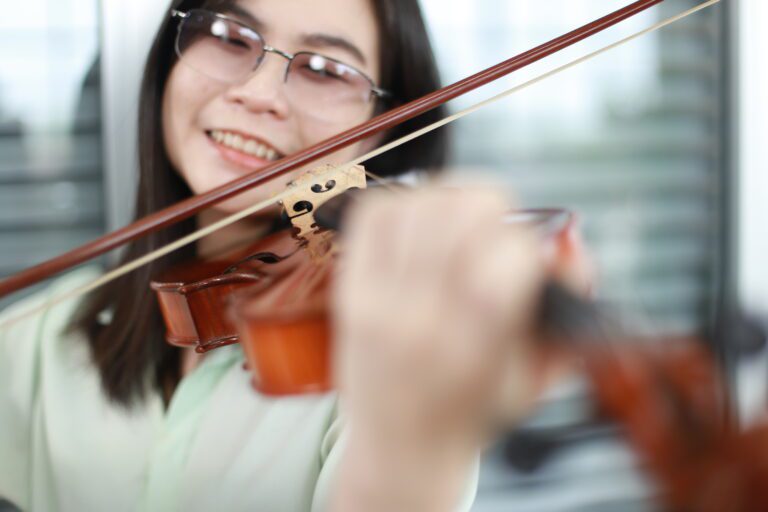
Beyond technical ability, professional violin playing requires a strong mindset. Musicians learn to stay calm under pressure, overcome performance anxiety, and remain focused during rehearsals and concerts. Developing mental resilience enables violinists to perform consistently, even in challenging situations.
Listening carefully helps musicians improve:
- Tone quality
- Intonation
- Musical phrasing
- Rhythm
- Interpretation
Many professionals record their practice sessions to identify areas that need improvement.
Learning to listen critically accelerates musical growth.
Learning Never Stops
One remarkable characteristic of successful musicians is their willingness to remain lifelong learners.
No matter how experienced a musician becomes, professional violin playing always involves learning something new. Violinists continue exploring different styles, studying new repertoire, and improving their interpretation throughout their careers. This commitment to lifelong learning keeps their performances fresh and inspiring.
Professional violin playing is a journey of continuous improvement rather than a destination.
Every new piece presents fresh technical and musical challenges.
The Importance of Feedback
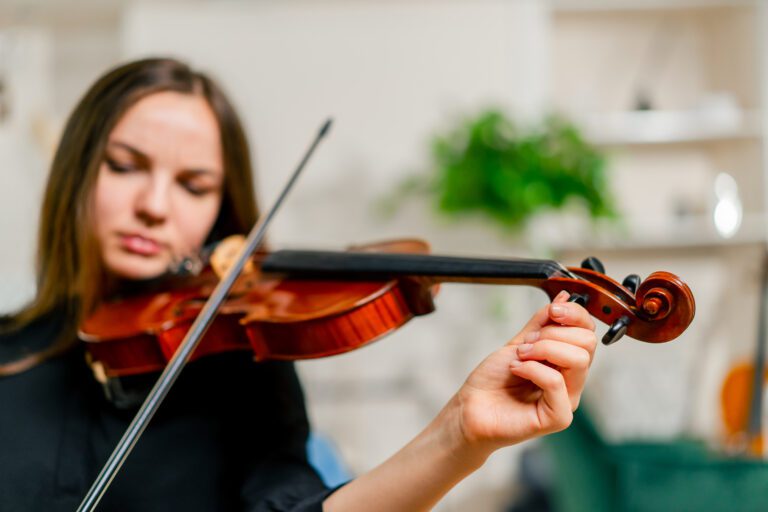
Technical skill provides the foundation, but expression gives music its emotional impact. Through professional violin playing, musicians learn how to communicate feelings using dynamics, phrasing, vibrato, and tone colour. These expressive elements transform written notes into memorable musical experiences.
Teachers identify habits that students may not notice themselves.
Regular guidance helps violinists improve more efficiently while avoiding mistakes that could become difficult to correct later.
Professional musicians actively seek feedback because they understand that every suggestion helps them grow.
Discipline Builds Musical Expression
Maintaining healthy posture and efficient movement is an essential part of professional violin playing. Violinists pay close attention to body alignment, relaxation, and hand position to prevent unnecessary tension and perform comfortably for extended periods. Good physical habits also help reduce the risk of injuries.
However, discipline actually creates greater artistic freedom.
Once technical skills become automatic, violinists can focus entirely on musical expression.
They are able to communicate emotion through:
- Dynamics
- Vibrato
- Phrasing
- Tempo changes
- Tone color
Technical discipline allows creativity to flourish.
Time Management Plays a Major Role
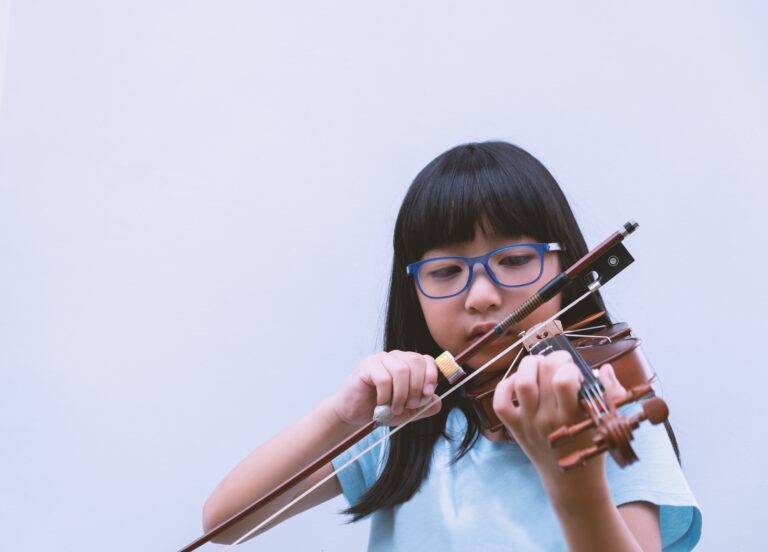
Confidence grows naturally through professional violin playing because musicians experience steady improvement with every practice session and performance. As they overcome technical challenges and perform before audiences, they begin to trust their preparation and abilities, both on and off the stage.
Effective time management becomes essential.
Successful violinists organize their schedules to ensure consistent progress without becoming overwhelmed.
Even short, focused practice sessions can produce remarkable improvements when planned carefully.
Handling Mistakes Like a Professional
Professional musicians understand that improvement comes from listening to experienced teachers and accepting constructive feedback. Professional violin playing becomes more refined when students regularly receive guidance that helps them correct mistakes, strengthen technique, and develop greater musical awareness.
What distinguishes professional musicians is their response.
Rather than becoming discouraged, they analyze mistakes objectively and use them as learning opportunities.
Each error provides valuable information about what needs more attention.
This positive mindset transforms setbacks into progress.
Passion Sustains Long-Term Discipline
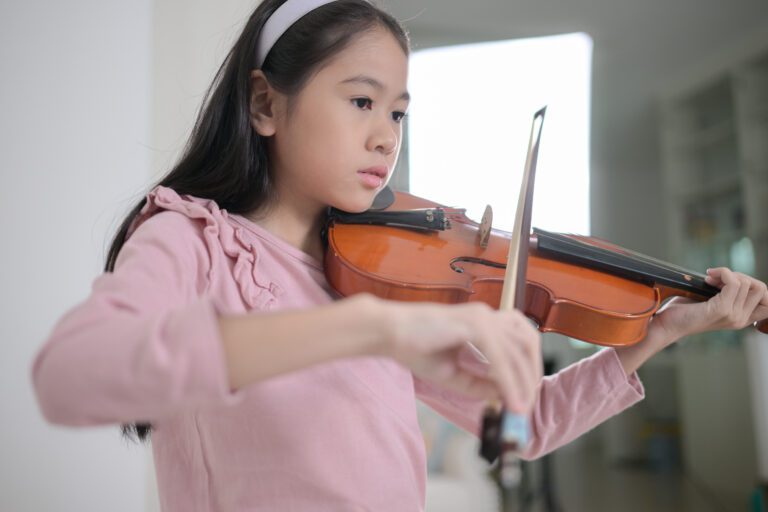
Progress in professional violin playing rarely happens overnight. Mastering advanced techniques, difficult compositions, and expressive performance takes months or even years of dedicated practice. Patience allows musicians to enjoy the learning process while continuing to move steadily toward their goals.
Passion gives musicians the motivation to continue improving despite challenges.
Every successful violinist experiences periods of frustration, but their love for music encourages them to keep moving forward.
When passion and discipline work together, remarkable progress becomes possible.
The Role of Teachers in Professional Growth
The discipline required for professional violin playing extends far beyond music. Violinists develop perseverance, responsibility, focus, and self-confidence through their training. These qualities become valuable life skills that support success in education, careers, and everyday challenges.
Excellent teachers help students:
- Build strong fundamentals.
- Develop healthy practice habits.
- Improve technique.
- Interpret music artistically.
- Stay motivated throughout their journey.
The right mentor can make a significant difference in a student’s musical development.
Professional Violin Playing Is Built One Day at a Time
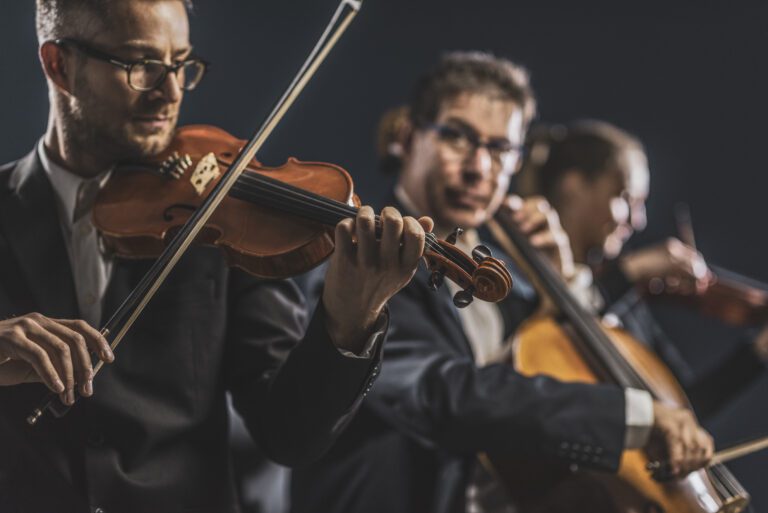
The journey to becoming an accomplished violinist is not defined by a single breakthrough moment.
Instead, it is shaped by thousands of small decisions made every day—choosing to practice when motivation is low, refining difficult passages instead of avoiding them, and continually striving for improvement.
Each lesson, rehearsal, and performance contributes to long-term growth.
Over time, these consistent efforts transform beginners into confident, expressive musicians capable of performing at a professional level.
Conclusion
The beauty of professional violin playing is not the result of talent alone. It is built through years of disciplined practice, patience, focused learning, and a genuine passion for music. Behind every flawless performance are countless hours of dedication that audiences rarely see.
For aspiring violinists, the lesson is clear: success comes from consistency rather than perfection. With expert guidance, purposeful practice, and a commitment to continual improvement, anyone can develop the skills needed to become a confident and expressive musician.
At The Mystic Keys, our personalized one-on-one online Violin Lessons Online help students of all ages build strong technical foundations while developing the discipline, confidence, and musicality needed to achieve their goals. Whether you’re picking up the violin for the first time or refining advanced techniques, our experienced instructors are here to support every step of your musical journey.
For more information and exciting resources about learning music, visit our website at The Mystic Keys. For more music content and exciting offers follow us on
Facebook, Instagram, YouTube, LinkedIn, Twitter, Pinterest, and Threads.