Many beginners ask the same question: What Is the Easiest Musical Instrument to Learn? The answer depends on your age, interests, learning style, and the amount of time you can dedicate to practice. Some instruments produce pleasant sounds quickly, while others require more coordination and patience.
The good news is that learning music has never been more accessible. With proper guidance, regular practice, and an experienced teacher, almost anyone can learn to play an instrument. In this guide, we’ll explore some of the easiest instruments for beginners and help you choose the one that best matches your goals.
1. Why Choosing the Right Beginner Instrument Matters
The easiest instrument is not necessarily the simplest one—it is the instrument that inspires you to keep practicing consistently.
2. What Is the Easiest Musical Instrument to Learn for Beginners?
There isn’t one perfect answer, but several instruments are widely considered beginner-friendly.
Keyboard or Piano
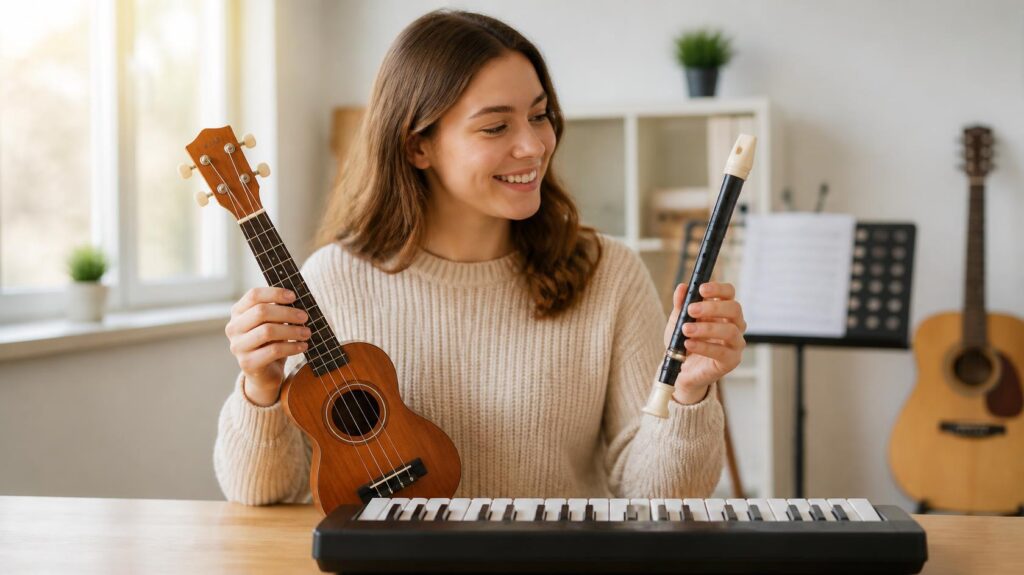
The keyboard is often recommended because each key represents a single note, making it easy to understand music theory and melodies. Beginners can start playing simple songs within a few lessons.
Ukulele
With only four strings and soft nylon strings, the ukulele is easier on the fingers than many other string instruments. Basic chords are simple to learn.
Recorder
The recorder is inexpensive and helps beginners understand breathing, finger coordination, and reading music.
Cajón
This percussion instrument allows students to develop rhythm without learning complicated note patterns.
Each of these instruments offers a gentle introduction to music while building valuable musical skills.
3. Easiest Musical Instrument to Learn for Children
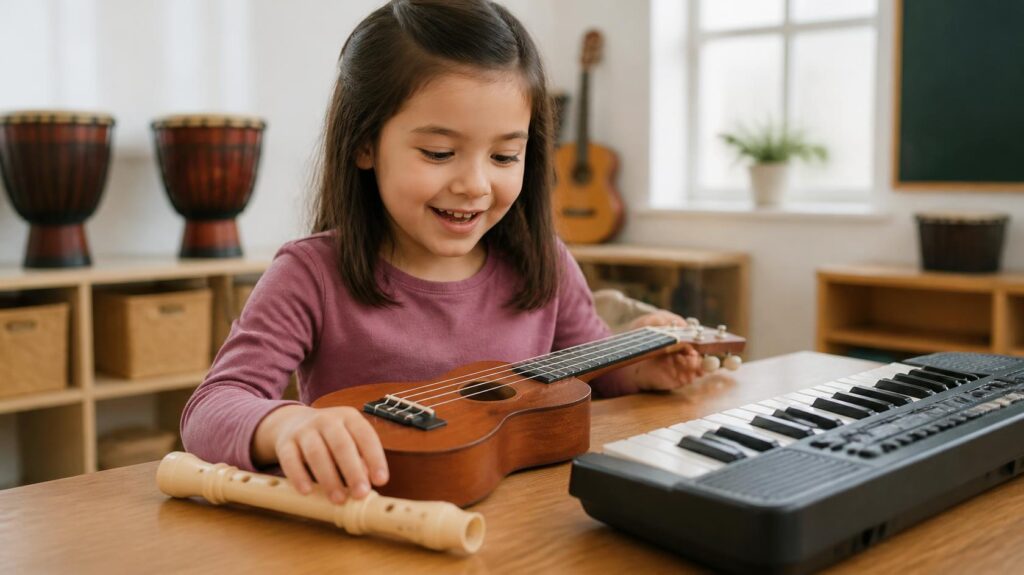
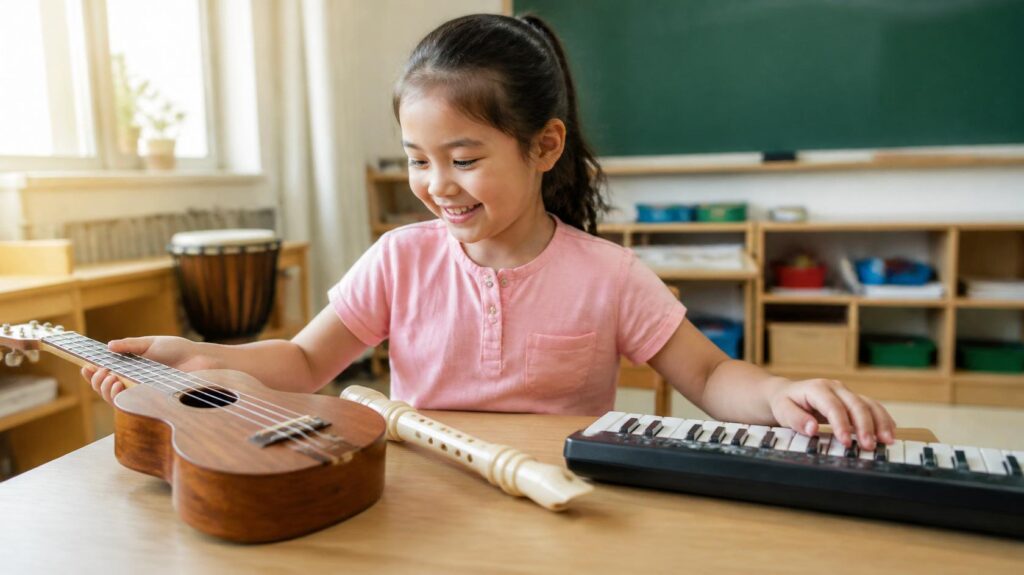
Young learners benefit most from engaging lessons that combine games, songs, and structured practice. A supportive teacher can make even challenging instruments enjoyable for children.
Parents should remember that consistency matters more than difficulty. A child who enjoys practicing will make steady progress.
4. What Is the Easiest Musical Instrument to Learn for Adults?
Adults often have better focus and discipline, allowing them to learn quickly with regular practice.
Popular choices include:
Piano or Keyboard
Guitar
Ukulele
Digital Drums
Harmonica
Adults usually appreciate understanding the theory behind music while learning practical playing techniques. Online lessons also make it convenient to learn at a comfortable pace from home.
5. Factors That Make an Instrument Easy to Learn
When people ask, What Is the Easiest Musical Instrument to Learn, they’re usually referring to several important factors.
Simple Note Layout
Keyboard instruments clearly display musical notes, making learning easier.
Comfortable Playing Position
Lightweight instruments are easier to hold and practice regularly.
Quick Early Progress
Playing recognizable songs early builds confidence and motivation.
Affordable Equipment
Budget-friendly instruments reduce the barrier to getting started.
Quality Instruction
An experienced teacher simplifies difficult concepts and prevents bad habits from forming.
6. Tips to Learn Any Musical Instrument Faster
Regardless of which instrument you choose, these habits will help you improve more quickly.
Practice for 20–30 minutes consistently.
Set realistic weekly goals.
Learn one skill at a time.
Play songs you genuinely enjoy.
Record your practice sessions.
Review difficult sections slowly before increasing speed.
Take lessons from qualified instructors for proper guidance.
Small, consistent improvements lead to long-term success.
Final Thoughts
If you’re still wondering What Is the Easiest Musical Instrument to Learn, the keyboard is one of the best choices for most beginners because it provides a strong musical foundation and allows students to play songs quickly. However, the easiest instrument is ultimately the one that keeps you excited to practice.
Whether you choose the keyboard, guitar, ukulele, drums, or another instrument, consistent practice and quality instruction will determine your success far more than the instrument itself.
At The Mystic Keys, students of all ages receive personalized online music lessons designed to make learning enjoyable and effective. With experienced teachers, structured lesson plans, and one-on-one guidance, beginners can build confidence and develop lifelong musical skills from the comfort of home.
For more information and exciting resources about learning music, visit our website at The Mystic Keys. For more music content and exciting offers follow us on
Musical Consistency | Why It Matters More Than Talent
Have you ever met someone who seemed naturally gifted at music but never progressed beyond a certain level? At the same time, you may have also come across someone with average abilities who gradually became an exceptional musician through steady practice. This contrast is surprisingly common, and it highlights one of the most important lessons in music: musical consistency often matters far more than natural talent. While talent may offer an early advantage, it is the habit of showing up, practicing regularly, and improving little by little that ultimately shapes a confident and accomplished musician.
Many people believe that successful musicians are simply born with extraordinary abilities. While natural aptitude can certainly provide an early advantage, it rarely determines long-term success. Instead, consistent effort, regular practice, and a willingness to improve over time are what truly shape skilled performers.
Although talent may help someone learn faster in the beginning, consistency ensures continuous growth. It creates habits that strengthen technique, deepen musical understanding, and build confidence. More importantly, it transforms small daily improvements into remarkable achievements over months and years.
Musical Consistency and the Myth of Natural Talent
The idea that great musicians are born rather than made has existed for generations. Stories of child prodigies often reinforce the belief that exceptional musical ability comes naturally. Consequently, many beginners assume they either “have it” or they don’t.
However, this belief can become discouraging. Someone who struggles during the first few lessons may conclude they simply lack talent. As a result, they quit before giving themselves enough time to improve.
In reality, every musician starts somewhere. Even world-renowned performers spent countless hours practicing scales, repeating difficult passages, correcting mistakes, and refining their skills. Their success was not built on talent alone but on years of disciplined effort.
Rather than focusing on whether you are naturally gifted, it is far more productive to ask whether you are willing to practice consistently. That simple shift in mindset can completely change your musical journey.
Why Consistency Produces Better Results
Music is a skill, and like every skill, it develops through repetition. Every practice session strengthens your understanding of rhythm, melody, timing, coordination, and musical expression.
Although a single practice session may seem insignificant, repeated sessions gradually reshape your abilities. Small improvements accumulate day after day until they become noticeable milestones.
Imagine practicing for twenty minutes every day instead of three hours only once a week. Daily practice keeps your muscles engaged, your memory active, and your techniques fresh. Consequently, learning becomes smoother and more efficient.
Consistency also prevents the frustration that often comes after long gaps. Instead of spending valuable practice time relearning forgotten material, you continue building upon what you already know.
Most importantly, regular practice transforms music into a natural part of your lifestyle rather than an occasional activity.
How Musical Consistency Leads to Small Improvements
Many students expect dramatic results after only a few lessons. Unfortunately, music rarely works that way.
Growth usually happens quietly. One day your finger movements become smoother. Another day your rhythm feels steadier. Later, you notice that reading sheet music becomes easier or that difficult chords no longer seem impossible.
These tiny improvements may appear insignificant individually. Nevertheless, together they create remarkable progress over time.
Consistency allows these small victories to accumulate naturally. Instead of chasing perfection, you simply become slightly better with every practice session.
This gradual improvement also builds motivation. When students recognize their own progress, they become more excited to continue learning.
Practice Builds Muscle Memory
Playing an instrument involves much more than understanding musical theory. Your fingers, hands, breathing, posture, and coordination must all work together almost automatically.
That level of coordination develops through muscle memory.
Every repeated movement teaches your brain and muscles how to perform more efficiently. Eventually, actions that once required complete concentration become effortless.
For example, a guitarist no longer has to think about every chord transition. Likewise, a pianist begins to move naturally across the keyboard without consciously searching for every note.
Frequent practice strengthens these automatic responses. In contrast, inconsistent practice weakens them, forcing musicians to start over repeatedly.
Therefore, consistency allows your physical skills to develop alongside your musical knowledge.
How Musical Consistency Builds Confidence
Many people assume confidence appears naturally. In reality, confidence usually grows from preparation.
A musician who practices regularly knows they have invested the necessary time. Consequently, they approach performances with greater assurance because they trust their preparation.
Meanwhile, someone who practices only occasionally often feels uncertain. Even if they possess considerable talent, inconsistent preparation creates doubt during performances.
Confidence is not about believing you will never make mistakes. Instead, it comes from knowing you can recover because you have practiced enough to handle unexpected situations.
Regular practice creates that confidence one session at a time.
Consistency Improves Musical Expression
Technical ability is only one part of becoming a musician. Music also requires emotion, interpretation, and creativity.
Interestingly, consistent practice creates more opportunities to develop these artistic qualities.
At first, beginners concentrate almost entirely on playing the correct notes. Once technique becomes more comfortable through repetition, their attention shifts toward phrasing, dynamics, tone, and emotional expression.
As a result, music gradually becomes more expressive rather than simply accurate.
Without consistency, musicians often remain focused on basic technical challenges and have fewer opportunities to explore deeper artistic interpretation.
Overcoming Motivation Challenges
Many people wait until they feel inspired before practicing. Unfortunately, motivation naturally rises and falls.
Some days you will feel excited to play. Other days, you may have little interest at all.
Consistency removes the need to rely entirely on motivation. Instead of asking yourself whether you feel like practicing, you simply follow your established routine.
Eventually, the habit becomes stronger than temporary emotions.
Ironically, regular practice often creates motivation rather than requiring it. After finishing a productive session, musicians usually feel more encouraged than they did before they started.
Therefore, discipline frequently becomes the foundation for lasting enthusiasm.
Musical Consistency Turns Mistakes into Valuable Lessons
Fear of making mistakes prevents many students from progressing.
Some avoid difficult pieces because they worry about playing incorrectly. Others become frustrated after every error and lose confidence.
Consistent practice changes this perspective.
Rather than viewing mistakes as failures, musicians begin treating them as useful feedback. Every incorrect note identifies an area that needs additional attention.
Over time, this approach creates resilience. Students become comfortable experimenting, learning, and improving without expecting perfection.
Consequently, steady practice develops not only musical ability but also a healthier learning mindset.
Why Musical Consistency Matters More Than Talent
Natural talent may produce quick early success. Some students understand rhythm immediately, while others pick up melodies with remarkable speed.
Without consistent practice, technical skills fade, musical memory weakens, and progress eventually slows. Meanwhile, dedicated students who practice consistently continue improving year after year.
History offers countless examples of hardworking musicians surpassing naturally gifted individuals simply because they remained committed to learning.
Long-term excellence almost always belongs to those who continue showing up, regardless of temporary challenges.
Building a Sustainable Practice Routine
Creating consistency does not require practicing for several hours every day.
Instead, choose a schedule that realistically fits your daily life. Even fifteen to thirty focused minutes can produce meaningful progress when maintained regularly.
Setting clear goals also makes practice more productive. Rather than attempting to improve everything at once, concentrate on one or two specific objectives during each session.
Equally important is maintaining patience. Some days will feel highly productive, while others may seem slow. Both types of practice sessions contribute to long-term improvement.
Most importantly, remember that consistency is measured over weeks, months, and years—not by any single practice session.
The Long-Term Rewards of Musical Consistency
Musical growth is rarely dramatic from one day to the next. Instead, it resembles the steady construction of a strong foundation, where each practice session adds another layer of skill and confidence.
Eventually, songs that once seemed impossible become enjoyable to play. Challenging techniques become familiar, performances feel less intimidating, and musical expression grows more natural.
Perhaps the greatest reward is that consistency develops qualities extending far beyond music. Patience, discipline, perseverance, and self-confidence become valuable life skills that benefit education, careers, and personal growth.
Although talent may attract attention in the beginning, consistency determines how far a musician ultimately goes.
Conclusion
Talent can open the door to music, but consistency is what carries you through it. While natural ability may create an early advantage, it is regular practice that develops technique, strengthens confidence, builds creativity, and transforms potential into lasting skill.
Every practice session, no matter how short, contributes to your progress. Although improvements may seem small at first, they steadily accumulate into meaningful growth over time.
At The Mystic Keys, we believe every student has the potential to become a confident musician through consistent learning and guided practice. Our personalized one-on-one lessons are designed to help students build strong musical habits, stay motivated, and make steady progress at their own pace.
The next time you wonder whether you are talented enough to succeed, remember that the better question is whether you are willing to stay consistent. In the world of music, showing up again and again is often the greatest talent of all—and with the right guidance and dedication, your musical journey can be more rewarding than you ever imagined.
For more information and exciting resources about learning music, visit our website at The Mystic Keys. For more music content and exciting offers follow us on
The Hidden Discipline Behind Professional Violin Playing
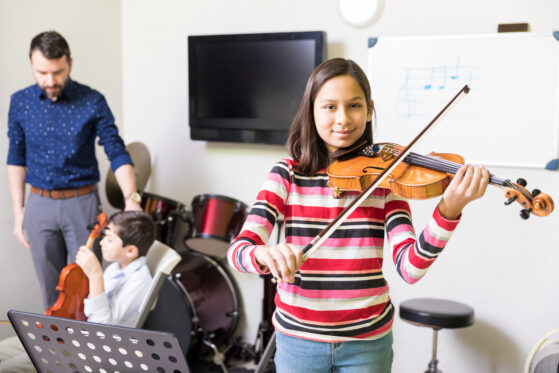
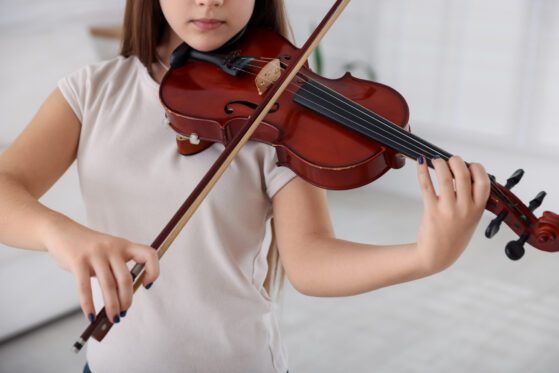
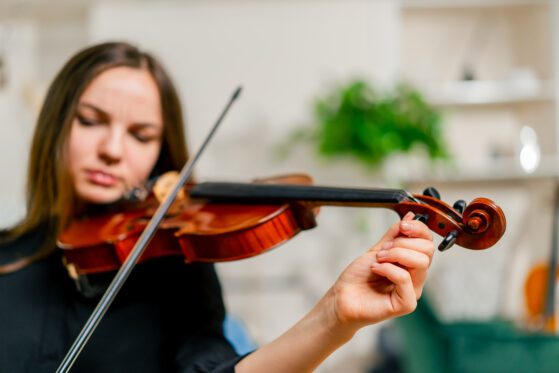
Watching a professional violinist perform can feel almost magical. Every note flows effortlessly, every movement appears graceful, and the music seems to come naturally. However, what audiences see on stage is only a small part of the journey. Behind every breathtaking performance lies years of dedication, countless hours of practice, and an unwavering commitment to improvement. Professional violin playing is not simply about talent—it is built on discipline, patience, and consistency.
Many aspiring musicians believe that great violinists are born with extraordinary abilities. While natural aptitude can be helpful, it is disciplined practice and perseverance that truly shape a professional musician. Every polished performance is the result of years spent refining technique, correcting mistakes, and developing both physical and mental endurance.
Understanding the discipline behind professional violinists not only inspires beginners but also helps students appreciate the value of persistence in their own musical journey.
Why Professional Violin Playing Requires Daily Discipline
Every accomplished violinist starts with the basics.
Professional violinists often make playing look effortless. Every note flows beautifully, every movement appears graceful, and every performance captivates the audience. What many people do not see, however, is the discipline that exists behind every polished performance. Professional violin playing requires far more than natural talent it demands patience, consistency, and a strong commitment to continuous improvement.
Mastering these essentials may seem repetitive, but they form the foundation for everything that follows.
Professional musicians never outgrow these fundamentals. Even after years of experience, they continue revisiting basic exercises to maintain precision and control.
How Professional Violin Playing Develops Technical Excellence
One of the biggest secrets behind professional violin playing is consistency.
Professional violinists rarely rely on inspiration alone. Instead, they follow structured daily practice routines designed to strengthen technique while improving musical expression.
A typical practice session often includes:
Warm-up exercises
Scales and arpeggios
Bowing techniques
Intonation practice
Sight-reading
Repertoire study
Performance preparation
Each section serves a specific purpose, allowing musicians to improve steadily over time.
The Mental Discipline Behind Professional Violin Playing
Simply spending hours with the violin is not enough.
Professional musicians understand the importance of focused practice.
Behind every accomplished violinist is a daily routine built on focused practice, technical precision, and a desire to keep learning. Professional musicians spend years refining their posture, bow control, finger placement, and musical expression. They understand that excellence does not happen overnight but grows through dedication and disciplined effort.
Purposeful practice produces far better results than mindless repetition.
Patience Is One of the Greatest Musical Skills
Modern society often encourages instant results, but music teaches the opposite.
Learning the violin requires patience because progress happens gradually.
A new technique may take weeks to master, while a challenging composition can require months of preparation.
Professional violinists understand that meaningful improvement cannot be rushed.
Instead of focusing on immediate perfection, they trust the process and celebrate steady progress.
The Role of Teachers in Professional Violin Playing
The bow is often considered the voice of the violin.
Producing a beautiful tone requires far more than moving the bow across the strings.
Professional violinists carefully control:
Bow speed
Bow pressure
Contact point
Direction changes
Smooth articulation
Years of disciplined practice allow these movements to become natural, creating the expressive sound audiences admire.
Precision Is More Important Than Speed
Many beginners believe that fast playing defines great musicianship.
In reality, professional violinists prioritize accuracy above speed.
Every note must be:
In tune
Rhythmically correct
Musically expressive
Technically clean
Only after achieving consistency at slower tempos do musicians gradually increase their speed.
This disciplined approach prevents bad habits and builds long-term confidence.
Physical Discipline Matters Too
Playing the violin demands excellent physical awareness.
One of the defining characteristics of professional violin playing is consistency. Successful violinists do not rely on occasional bursts of motivation. Instead, they dedicate time every day to improving their technique, refining their tone, and strengthening their musical understanding. Even short, focused practice sessions contribute to long-term progress when repeated consistently over time.
These habits reduce the risk of injury while improving overall performance.
Mental Strength Is Just as Important
Behind every confident performance is a strong mindset.
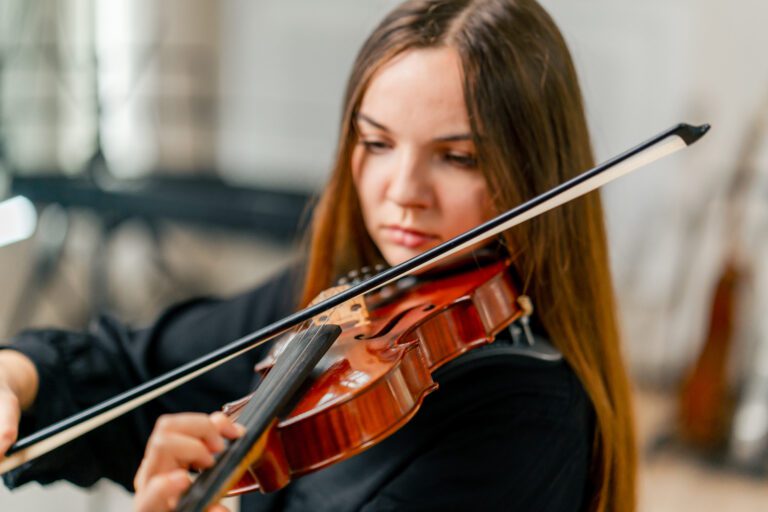
Every movement matters in professional violin playing. From accurate finger placement to smooth bow control, musicians continually refine the smallest details of their technique. Paying attention to precision allows violinists to perform confidently while producing a beautiful and expressive sound that audiences appreciate.
Success depends on staying calm under pressure.
Mental discipline includes:
Managing performance anxiety.
Maintaining concentration.
Staying positive after mistakes.
Remaining focused during long practice sessions.
Building confidence through preparation.
Strong mental habits often separate experienced performers from beginners.
Listening Is Part of Professional Violin Playing
Beyond technical ability, professional violin playing requires a strong mindset. Musicians learn to stay calm under pressure, overcome performance anxiety, and remain focused during rehearsals and concerts. Developing mental resilience enables violinists to perform consistently, even in challenging situations.
Listening carefully helps musicians improve:
Tone quality
Intonation
Musical phrasing
Rhythm
Interpretation
Many professionals record their practice sessions to identify areas that need improvement.
Learning to listen critically accelerates musical growth.
Learning Never Stops
One remarkable characteristic of successful musicians is their willingness to remain lifelong learners.
No matter how experienced a musician becomes, professional violin playing always involves learning something new. Violinists continue exploring different styles, studying new repertoire, and improving their interpretation throughout their careers. This commitment to lifelong learning keeps their performances fresh and inspiring.
Professional violin playing is a journey of continuous improvement rather than a destination.
Every new piece presents fresh technical and musical challenges.
The Importance of Feedback
Technical skill provides the foundation, but expression gives music its emotional impact. Through professional violin playing, musicians learn how to communicate feelings using dynamics, phrasing, vibrato, and tone colour. These expressive elements transform written notes into memorable musical experiences.
Teachers identify habits that students may not notice themselves.
Regular guidance helps violinists improve more efficiently while avoiding mistakes that could become difficult to correct later.
Professional musicians actively seek feedback because they understand that every suggestion helps them grow.
Discipline Builds Musical Expression
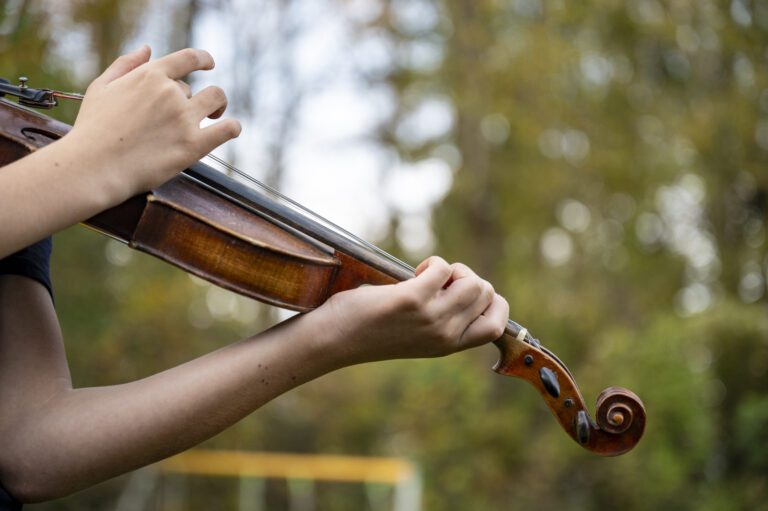
Maintaining healthy posture and efficient movement is an essential part of professional violin playing. Violinists pay close attention to body alignment, relaxation, and hand position to prevent unnecessary tension and perform comfortably for extended periods. Good physical habits also help reduce the risk of injuries.
However, discipline actually creates greater artistic freedom.
Once technical skills become automatic, violinists can focus entirely on musical expression.
They are able to communicate emotion through:
Dynamics
Vibrato
Phrasing
Tempo changes
Tone color
Technical discipline allows creativity to flourish.
Time Management Plays a Major Role
Confidence grows naturally through professional violin playing because musicians experience steady improvement with every practice session and performance. As they overcome technical challenges and perform before audiences, they begin to trust their preparation and abilities, both on and off the stage.
Effective time management becomes essential.
Successful violinists organize their schedules to ensure consistent progress without becoming overwhelmed.
Even short, focused practice sessions can produce remarkable improvements when planned carefully.
Handling Mistakes Like a Professional
Professional musicians understand that improvement comes from listening to experienced teachers and accepting constructive feedback. Professional violin playing becomes more refined when students regularly receive guidance that helps them correct mistakes, strengthen technique, and develop greater musical awareness.
What distinguishes professional musicians is their response.
Rather than becoming discouraged, they analyze mistakes objectively and use them as learning opportunities.
Each error provides valuable information about what needs more attention.
This positive mindset transforms setbacks into progress.
Passion Sustains Long-Term Discipline
Progress in professional violin playing rarely happens overnight. Mastering advanced techniques, difficult compositions, and expressive performance takes months or even years of dedicated practice. Patience allows musicians to enjoy the learning process while continuing to move steadily toward their goals.
Passion gives musicians the motivation to continue improving despite challenges.
Every successful violinist experiences periods of frustration, but their love for music encourages them to keep moving forward.
When passion and discipline work together, remarkable progress becomes possible.
The Role of Teachers in Professional Growth
The discipline required for professional violin playing extends far beyond music. Violinists develop perseverance, responsibility, focus, and self-confidence through their training. These qualities become valuable life skills that support success in education, careers, and everyday challenges.
Excellent teachers help students:
Build strong fundamentals.
Develop healthy practice habits.
Improve technique.
Interpret music artistically.
Stay motivated throughout their journey.
The right mentor can make a significant difference in a student’s musical development.
Professional Violin Playing Is Built One Day at a Time
The journey to becoming an accomplished violinist is not defined by a single breakthrough moment.
Instead, it is shaped by thousands of small decisions made every day—choosing to practice when motivation is low, refining difficult passages instead of avoiding them, and continually striving for improvement.
Each lesson, rehearsal, and performance contributes to long-term growth.
Over time, these consistent efforts transform beginners into confident, expressive musicians capable of performing at a professional level.
Conclusion
The beauty of professional violin playing is not the result of talent alone. It is built through years of disciplined practice, patience, focused learning, and a genuine passion for music. Behind every flawless performance are countless hours of dedication that audiences rarely see.
For aspiring violinists, the lesson is clear: success comes from consistency rather than perfection. With expert guidance, purposeful practice, and a commitment to continual improvement, anyone can develop the skills needed to become a confident and expressive musician.
At The Mystic Keys, our personalized one-on-one online Violin Lessons Online help students of all ages build strong technical foundations while developing the discipline, confidence, and musicality needed to achieve their goals. Whether you’re picking up the violin for the first time or refining advanced techniques, our experienced instructors are here to support every step of your musical journey.
For more information and exciting resources about learning music, visit our website at The Mystic Keys. For more music content and exciting offers follow us on