


Top 10 Worship Songs Every Pianist Should Learn
Begin by exploring the unique role of the piano in contemporary and traditional worship. Explain how the piano serves not only as a melodic instrument but also as the harmonic and emotional foundation of many worship services, supporting congregational singing, accompanying vocalists, and creating an atmosphere of reflection and praise. Discuss how worship piano differs from solo performance because the emphasis is on serving the music rather than showcasing technical ability. Introduce the idea that learning the Top Worship Songs Every Pianist Should Learn is about much more than building a playlist—it is about developing the musical language used across churches worldwide.
Continue by explaining that every worship song introduces pianists to valuable musical concepts, including chord progressions, inversions, rhythmic accompaniment, dynamic shaping, expressive phrasing, and improvisation. Mention that many of today’s most beloved worship songs share common harmonic structures, making them excellent learning tools for beginners while still offering enough musical depth to challenge experienced pianists. Conclude the introduction by explaining that this guide not only recommends ten essential worship songs but also explores the techniques, musical lessons, and practical skills each one helps develop, allowing readers to approach their practice with greater understanding and purpose.
Why Worship Music Is an Essential Part of Every Pianist's Development
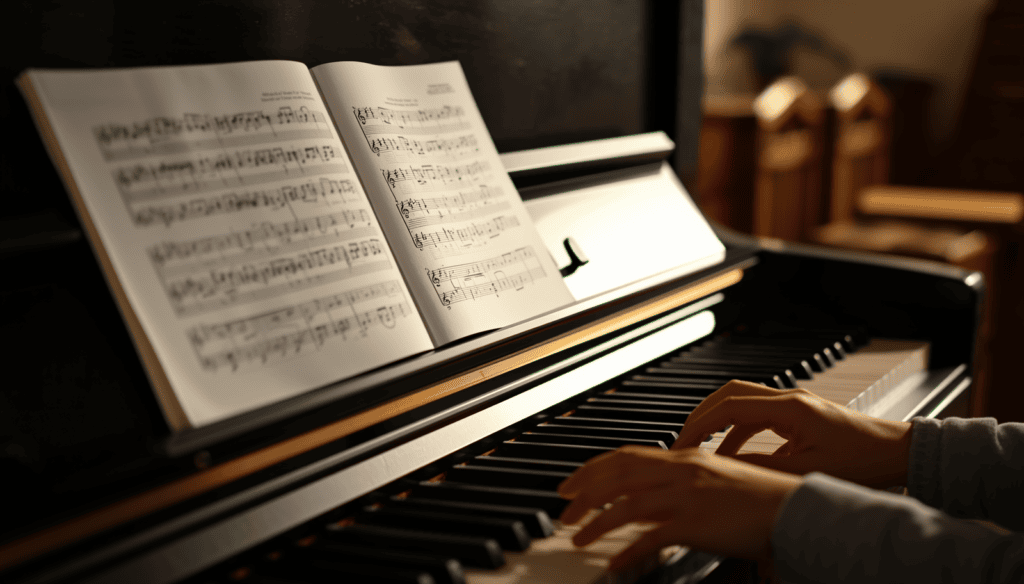
Explain that worship music occupies a unique place in piano education because it combines technical skill with emotional communication and collaborative musicianship. Unlike many forms of performance where the pianist is the central focus, worship piano requires sensitivity, balance, and an awareness of the broader musical environment. Discuss how pianists must learn to listen carefully to vocalists, adapt to changing dynamics, follow spontaneous transitions, and maintain steady accompaniment without distracting from the message of the song.
Expand the discussion by describing how worship music naturally introduces essential musical concepts. Explain that repeated chord progressions strengthen harmonic recognition, making it easier to anticipate changes and play by ear. Discuss how slower tempos encourage careful attention to timing, phrasing, and tone production, while expressive arrangements develop dynamic control and emotional interpretation. Emphasize that worship songs also improve ensemble skills by teaching pianists how to blend with guitars, strings, drums, and vocalists rather than competing with them.
Conclude by explaining that these transferable skills extend well beyond church settings. A pianist who learns to accompany worship music effectively develops stronger listening skills, greater rhythmic stability, improved confidence, and a deeper understanding of harmony—qualities that benefit performance across virtually every musical genre.
What Makes a Worship Song Worth Learning?

Before introducing the featured songs, explain that not every worship song provides the same educational value. Describe the criteria used to select the ten songs in this guide, focusing on their musical significance, widespread use in churches, accessibility for learners, and ability to teach practical piano techniques.
Discuss how timeless worship songs often combine memorable melodies with approachable harmonic structures, allowing beginners to perform meaningful music while giving advanced pianists room to explore richer voicings, chord substitutions, suspended harmonies, and tasteful improvisation. Explain that the most valuable worship repertoire is adaptable across different musical settings, from solo devotional practice to full worship band arrangements, making these songs useful throughout a pianist’s musical journey.
Finally, prepare readers for the sections ahead by explaining that each song will be explored not only for its popularity but also for the specific technical and musical lessons it offers, helping readers understand why these selections deserve a permanent place in every worship pianist’s repertoire.
Top 10 Worship Songs Every Pianist Should Learn

Rather than simply presenting a ranked list, explain that each song has earned its place because it introduces distinct musical concepts that contribute to long-term piano development. Encourage readers to view every piece as an opportunity to strengthen technique, musicianship, and confidence while expanding their worship repertoire.
Explain its enduring place in worship music, its simple yet expressive melody, and how it helps beginners build confidence while developing phrasing and accompaniment skills.
Discuss how the song teaches dynamic control, smooth chord transitions, and expressive accompaniment suitable for modern worship settings.
Explore its emotional phrasing, sustained harmonies, and opportunities to practice tasteful accompaniment.
4. Oceans (Where Feet May Fail)
Describe how the flowing piano patterns strengthen arpeggios, pedal technique, and atmospheric playing.
Explain its repetitive harmonic structure, making it ideal for learning chord progressions, rhythm, and consistency.
6. 10,000 Reasons (Bless the Lord)
Show how it develops confidence in leading congregational worship while reinforcing common worship chord patterns.
Discuss the importance of dynamic growth, expressive voicing, and gradual musical development throughout the arrangement.
Explain how this hymn-inspired worship song develops expressive interpretation and careful accompaniment.
Describe its rich harmonic textures and how it introduces pianists to layered contemporary worship accompaniment.
Conclude the song section by explaining how it combines modern worship rhythms, extended chords, and expressive dynamics, making it a valuable addition to every worship pianist’s repertoire.
Piano Techniques You Can Learn from the Top Worship Songs Every Pianist Should Learn

Transition from discussing individual songs to examining the broader musical principles they share. Explore how recurring chord progressions such as I–V–vi–IV create familiarity while teaching harmonic relationships. Explain the importance of chord inversions for achieving smooth transitions, discuss the role of suspended and extended chords in adding emotional colour, and describe how arpeggiated accompaniment creates movement without overwhelming the melody. Expand further by discussing dynamic layering, rhythmic consistency, sustain pedal control, melodic embellishment, and tasteful improvisation, showing how these techniques collectively shape the distinctive sound of contemporary worship piano.
How to Practise the Top Worship Songs Every Pianist Should Learn More Effectively

Develop a detailed discussion on effective practice methods specifically tailored to worship music. Explain why pianists should begin by understanding the harmonic structure before memorizing melodies, how practicing chord progressions in multiple keys builds flexibility, and why slow, deliberate repetition produces more consistent improvement than rushing through entire pieces. Discuss ear training, active listening, recording practice sessions, and gradually introducing improvisation. Encourage readers to balance technical exercises with expressive interpretation so that their performances remain both accurate and meaningful.
Preparing to Play Top Worship Songs Every Pianist Should Learn in a Worship Team

Expand beyond solo practice by discussing the responsibilities of accompanying a worship team. Explain how effective worship pianists learn to listen as much as they play, adjusting their dynamics, rhythm, and harmonic choices to support vocalists and fellow musicians. Discuss rehearsal etiquette, communication, following spontaneous key changes, maintaining rhythmic stability, and adapting arrangements during live worship. Help readers understand that successful worship musicianship depends as much on humility, preparation, and teamwork as it does on technical ability.
Continuing Your Worship Piano Journey with The Mystic Keys
Present The Mystic Keys as a comprehensive learning platform for aspiring worship pianists. Explain how personalized one-to-one online lessons help students move beyond simply learning songs by building a thorough understanding of harmony, accompaniment, improvisation, ear training, sight reading, and expressive performance. Describe the benefits of structured learning plans, experienced instructors, regular feedback, flexible scheduling, and practical guidance tailored to each student’s goals, whether they are preparing for church services, personal worship, or professional musical development.
Conclusion
Bring the article together by reflecting on how the Top Worship Songs Every Pianist Should Learn represent more than a collection of popular compositions—they form a practical curriculum for developing well-rounded worship musicianship. Each song contributes unique technical challenges and valuable musical insights while reinforcing universal skills such as expressive phrasing, harmonic understanding, rhythmic consistency, dynamic control, and confident accompaniment. As you continue learning these songs, you’ll not only expand your repertoire but also build the confidence and versatility needed to play in a variety of worship settings. Pairing consistent practice with professional Worship Piano & Singing Lessons Online can further strengthen these skills by providing structured guidance and personalized feedback. Ultimately, worship piano is a lifelong journey of musical growth, continuous learning, and meaningful service, and every song you master is another step toward becoming a more capable, expressive, and confident pianist.
For more information and exciting resources about learning music, visit our website at The Mystic Keys. For more music content and exciting offers follow us on
Facebook,Instagram, YouTube, LinkedIn, Twitter, Pinterest, and Threads.