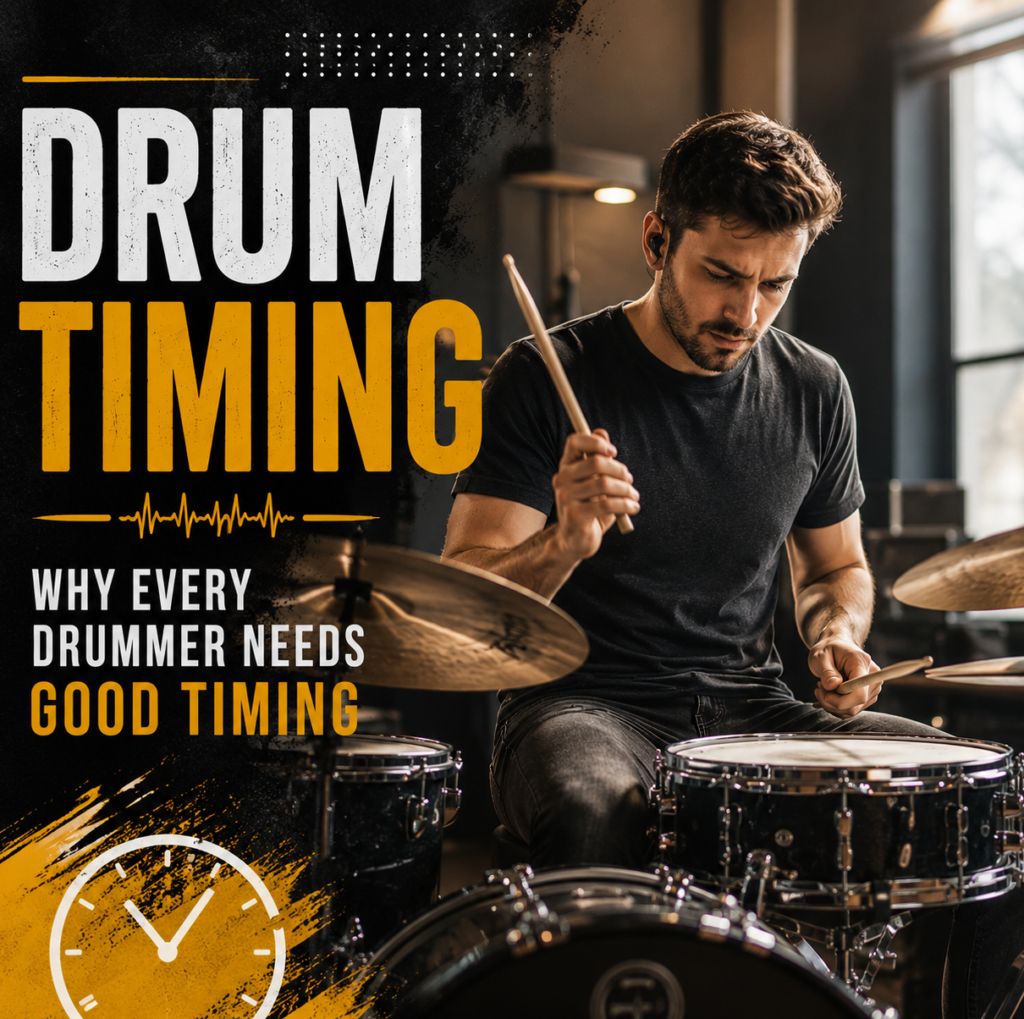
Drum Timing | Why Every Drummer Needs Good Timing
A drummer is often described as the heartbeat of a band, and for good reason. Strong drum timing is what keeps every performance together, ensuring that each beat supports the music with consistency and precision. While flashy fills, fast chops, and impressive stick tricks may grab attention, none of them matter if the timing is inconsistent. Every beat played by a drummer influences the entire performance, helping fellow musicians stay in sync and giving listeners a rhythm they can naturally connect with.
Many beginners believe that drumming is mainly about speed or power. In reality, timing is the skill that separates a good drummer from a great one. It is the invisible force that keeps music flowing smoothly, making every groove feel natural and every performance sound polished.
Whether you are learning your first basic beat or preparing for advanced performances, developing excellent timing should always remain a top priority. It forms the foundation upon which every other drumming skill is built.

What Does Drum Timing Mean?
Timing in drumming refers to the ability to play every beat, note, and rhythm exactly where it belongs within the music. It is not simply about playing at a certain speed. Instead, it involves maintaining a consistent pulse throughout a song without rushing ahead or slowing down.
Imagine listening to your favorite song. Chances are you instinctively tap your foot or nod your head to the beat. That steady pulse exists because the drummer maintains reliable timing, allowing every instrument and vocal part to fit together naturally.
Strong timing creates confidence throughout a musical performance. Every member of the group knows exactly where the beat is, making transitions smoother and complex arrangements easier to perform. Without this consistency, even talented musicians may struggle to stay together.
As drummers improve, timing becomes less about counting every beat and more about developing an internal sense of rhythm that feels natural and dependable.
Why Drum Timing Is More Important Than Speed
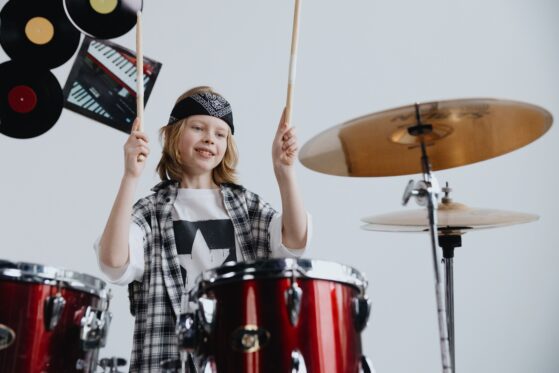
Many aspiring drummers dream of playing lightning-fast fills and complicated drum solos. Although speed can certainly be exciting, it loses its impact when the rhythm is unstable.
A drummer with excellent timing but moderate speed will almost always sound more professional than someone who can play incredibly fast but struggles to stay on the beat. Consistency makes music enjoyable, while poor timing can distract listeners regardless of technical ability.
Professional drummers understand this principle well. Before attempting advanced techniques, they spend countless hours strengthening their sense of timing through simple exercises. This disciplined approach allows them to play confidently at both slow and fast tempos.
Speed naturally develops over time. Timing, however, must be deliberately trained from the very beginning.
The Drummer’s Role as the Timekeeper
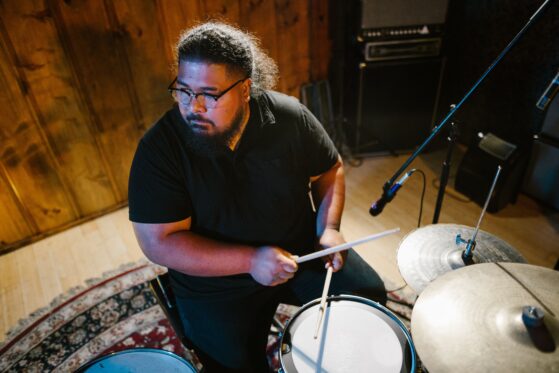
Every musical group relies on someone to maintain the pulse, and that responsibility usually belongs to the drummer. While all musicians contribute to the rhythm, the drummer provides the foundation that keeps everyone synchronized.
When timing is solid, singers feel comfortable delivering their melodies, guitarists can focus on expression, bass players lock into the groove, and keyboardists perform confidently. The entire performance becomes more connected because everyone shares the same rhythmic foundation.
Conversely, inconsistent timing affects every member of the ensemble. A slight acceleration or hesitation can cause confusion, forcing other musicians to adjust continuously instead of concentrating on musical expression.
For this reason, experienced bandleaders often value dependable timing even more than impressive technical skills.
How Good Drum Timing Improves Groove
Groove is one of the most important qualities in drumming. It is the reason certain songs make people dance, clap along, or simply enjoy the rhythm without consciously thinking about it.
Interestingly, groove does not come from playing more notes. It comes from placing each note exactly where it belongs.
When timing is consistent, the groove feels comfortable and effortless. Listeners naturally respond because the rhythm remains predictable while still allowing room for musical expression. Even simple drum patterns become engaging when played with excellent timing.
Many legendary drummers built their reputations not through complicated performances but through their ability to create unforgettable grooves with relatively simple beats.

Timing Builds Confidence During Performances
Performing in front of an audience can feel exciting and intimidating at the same time. Nervousness often causes musicians to rush, hesitate, or lose focus. Strong timing acts as an anchor during these moments.
A well-developed internal pulse helps drummers stay relaxed even when unexpected situations arise. Whether another musician misses an entrance, the vocalist changes the phrasing, or technical issues occur on stage, solid timing allows the drummer to keep the performance moving smoothly.
Confidence grows naturally when timing becomes reliable. Instead of worrying about keeping the beat, drummers can concentrate on musical expression, dynamics, and interaction with the audience.
This level of control comes only through consistent practice over time.
The Connection Between Timing and Musical Expression
Some people assume that focusing on precise timing makes drumming feel mechanical. In reality, the opposite is true.
Once the timing becomes automatic, drummers gain greater freedom to express emotion through dynamics, accents, ghost notes, and creative phrasing. Since the rhythmic foundation remains stable, these expressive elements enhance the music rather than disrupt it.
Musical expression depends on balance. A drummer who controls the timing can intentionally play slightly behind or ahead of the beat for stylistic effect without losing the overall groove. Such subtle adjustments require an advanced understanding of rhythm and contribute greatly to a musician’s unique sound.
Excellent timing provides the structure that allows creativity to flourish.
Common Timing Challenges for Beginner Drummers
Learning good timing takes patience, and almost every drummer encounters similar obstacles during the early stages.
One of the most common issues is gradually speeding up during exciting sections of a song. Many beginners also slow down during difficult fills because they become more focused on technique than rhythm.
Another frequent challenge involves inconsistent transitions. Moving between different grooves, fills, and song sections often causes temporary timing fluctuations until enough practice develops muscle memory.
In addition, many new drummers depend entirely on counting rather than feeling the pulse internally. Although counting is valuable during practice, developing an instinctive sense of rhythm eventually becomes essential.
Recognizing these challenges is the first step toward overcoming them.
Effective Ways to Improve Drum Timing
Improving timing requires consistent and focused practice rather than complicated exercises. Small daily habits often produce the greatest long-term results.
Practicing with a metronome remains one of the most effective methods for building reliable timing. Instead of treating it as a restriction, drummers should think of it as a training partner that reveals subtle inconsistencies. Starting with slower tempos encourages greater precision before gradually increasing the speed.
Recording practice sessions can also provide valuable insight. Timing issues that go unnoticed while playing often become obvious during playback. Listening carefully allows drummers to identify areas that need improvement and track their progress over time.
Another highly effective approach is playing along with professionally recorded songs. Matching the timing of experienced musicians develops consistency while also improving musical awareness. Over time, the internal sense of pulse becomes stronger, making it easier to stay steady even without external guidance.
Patience remains an essential part of this process. Timing develops gradually through repetition, careful listening, and regular practice rather than overnight improvement.
How Drum Timing Varies Across Different Musical Styles
Every genre relies on strong timing, although the rhythmic feel may differ significantly from one style to another.
Rock music often demands a steady, driving beat that provides energy throughout the performance. Jazz requires flexibility while maintaining a consistent pulse, allowing musicians greater freedom to interact. Funk depends on incredibly precise timing because even the smallest rhythmic variation can affect the groove. Latin percussion introduces complex rhythmic patterns that challenge a drummer’s coordination while still requiring unwavering consistency.
Despite these stylistic differences, the underlying principle remains unchanged. Great timing allows the unique character of each genre to shine.
As drummers explore different musical styles, their rhythmic awareness expands, making them more versatile performers.

How Drum Timing Supports Musical Growth
Every new drumming technique eventually depends on timing. Whether learning advanced fills, complex time signatures, polyrhythms, or improvisation, rhythmic consistency remains essential.
Students who prioritize timing often discover that other skills become easier to learn. Coordinated hand movements, smoother footwork, and better musical communication all improve because the rhythmic foundation is secure.
Progress also becomes more enjoyable. Instead of constantly correcting timing mistakes, drummers can focus on developing creativity, technique, and confidence.
This steady improvement reinforces the importance of treating timing as a lifelong skill rather than a beginner’s exercise.
Conclusion | Why Drum Timing Is Every Drummer’s Greatest Skill
Timing is the foundation of every successful drummer’s musical journey. While impressive techniques and fast playing may capture attention, reliable timing is what truly earns the respect of fellow musicians and creates memorable performances.
Developing excellent timing requires patience, consistency, and a willingness to practice the basics repeatedly. Every practice session spent strengthening rhythm contributes directly to better groove, stronger musical confidence, and improved overall performance.
The most accomplished drummers understand that timing is never something to master once and forget. It continues to evolve throughout a lifetime of playing, supporting every new skill and every musical challenge along the way.
If you want to become a drummer who inspires confidence, creates powerful grooves, and performs with consistency, start by building exceptional timing. Everything else in drumming grows from that solid rhythmic foundation.
At The Mystic Keys, students develop strong drum timing through personalized online drum lessons that focus on rhythm, technique, coordination, and musicality. With guidance from experienced instructors and structured one-on-one sessions, learners of all skill levels can build the confidence and precision needed to become well-rounded drummers.
For more information and exciting resources about learning music, visit our website at The Mystic Keys. For more music content and exciting offers follow us on
Facebook, Instagram, YouTube, LinkedIn, Twitter, Pinterest, and Threads.