
Learn Piano Faster Than You Think | A Smarter Approach
Many people dream of playing the piano. Some imagine performing beautiful classical pieces, while others want to play their favorite movie themes, pop songs, or worship music. If you’re wondering how to learn piano faster, you’re certainly not alone. Yet, despite this excitement, countless beginners never move beyond the first few lessons because they believe learning piano is simply too difficult or takes years before they can play anything enjoyable.
The truth is far more encouraging.
Learning the piano doesn’t have to be a slow, frustrating process. While mastering the instrument certainly requires dedication and patience, modern learning methods, consistent practice, and smart strategies can help you progress much faster than you might expect. In fact, many beginners are surprised by how quickly they can play recognizable songs when they focus on the right techniques instead of trying to learn everything at once.
Rather than spending endless hours practicing without direction, the key is to practice with purpose. Every session should move you one step closer to becoming the pianist you want to be.
Let’s explore how you can accelerate your piano journey and enjoy every stage of the process.

Learn Piano Faster by Starting with the Right Mindset
One of the biggest obstacles to learning piano isn’t the complexity of the instrument—it’s the belief that success is reserved for naturally gifted musicians.
Many beginners compare themselves to experienced pianists they see online or in concerts. Those polished performances often represent years, or even decades, of dedicated practice. Comparing your first few weeks to someone else’s ten-year journey only creates unnecessary frustration.
Instead, focus on steady improvement. Every new chord, every smoother transition, and every correctly played scale is genuine progress. Small victories build confidence, and confidence fuels motivation.
Learning any instrument is much like learning a new language. At first, every note feels unfamiliar. Gradually, patterns begin to emerge. Before long, your fingers start responding naturally without needing to consciously think about every movement.
Keeping realistic expectations while celebrating consistent progress creates a positive learning experience that encourages you to continue.

Build a Strong Foundation Before Playing Fast
Many students believe speed equals skill. As a result, they rush through exercises, hoping to play impressive pieces as quickly as possible. Unfortunately, this habit often creates mistakes that become difficult to correct later.
A stronger approach is to prioritize accuracy over speed.
Every note should be played clearly. Finger placement should feel comfortable rather than forced. Maintaining relaxed hands helps prevent unnecessary tension that can slow your progress or even lead to discomfort during longer practice sessions.
Once accuracy becomes natural, increasing speed becomes much easier. Muscles develop memory through repetition, and correct repetition is far more valuable than rushed practice filled with errors.
Think of building a house. A beautiful roof means very little if the foundation isn’t solid. Piano learning follows the same principle.

Practice Smarter Instead of Practicing Longer
Many people assume that spending several hours at the piano every day guarantees rapid improvement. Surprisingly, quality matters far more than quantity.
A focused thirty-minute practice session often produces better results than two hours of distracted playing.
Each session should begin with a clear objective. Perhaps today’s goal is mastering a difficult rhythm. Tomorrow might focus on chord transitions, while another day emphasizes hand coordination. Concentrating on one challenge at a time allows your brain to absorb information more effectively.
Frequent short sessions also help strengthen memory. Practicing for twenty to forty minutes consistently throughout the week is generally more productive than one long practice marathon every weekend.
Regular exposure keeps musical concepts fresh and allows your fingers to develop natural coordination over time.

Learn Piano Faster by Playing Songs You Actually Enjoy
Nothing accelerates learning like genuine excitement.
Students often lose motivation when they spend months playing exercises that don’t inspire them. Technical drills certainly have their place, but they should be balanced with music that makes you eager to sit at the piano.
Whether you love pop music, Bollywood melodies, jazz standards, film soundtracks, or classical masterpieces, incorporating your favorite songs makes practice feel rewarding instead of repetitive.
Familiar melodies also make learning easier because your ears already know how the music should sound. Whenever a note feels incorrect, you’re more likely to recognize it immediately and make adjustments.
As enjoyment increases, practice naturally becomes more consistent, and consistency is one of the greatest predictors of long-term success.

Learn Piano Faster by Training Both Hands to Work Together
One of the most challenging stages for beginners is coordinating both hands simultaneously.
Initially, each hand seems to have its own independent task. The right hand often carries the melody while the left hand provides harmony or rhythm. Trying to combine these different movements can feel overwhelming.
Fortunately, coordination develops gradually.
Begin by practicing each hand separately until both parts feel comfortable. Afterward, combine them slowly, focusing on precision rather than speed. Breaking difficult passages into smaller sections also reduces frustration and allows your brain to process complex movements more efficiently.
With repeated practice, what once felt impossible eventually becomes automatic. The brain forms stronger connections, enabling both hands to work together with increasing confidence.

Develop Your Ear Alongside Your Fingers
Playing the correct notes is only one part of becoming a musician.
Listening carefully to your own playing helps identify timing issues, uneven dynamics, and incorrect rhythms that your eyes may overlook while reading sheet music.
Many successful pianists spend time listening to professional recordings before learning a piece. This creates a clear mental image of how the music should sound and provides guidance during practice.
Singing melodies, identifying chord changes, and recognizing musical patterns also strengthen your musical ear. As your listening skills improve, learning new songs becomes noticeably faster because your ears begin predicting what comes next.
Eventually, you may even find yourself playing simple melodies by ear without relying entirely on written music.

Learn Piano Faster by Mastering the Basics of Music Theory
Music theory sometimes intimidates beginners because it appears highly technical. In reality, understanding a few basic concepts dramatically speeds up learning.
Recognizing scales, intervals, chord structures, and key signatures allows you to understand why music works instead of simply memorizing individual notes.
Imagine reading a paragraph one letter at a time. It would take forever. Now imagine recognizing complete words instantly. Music theory creates a similar shortcut by helping you recognize familiar musical patterns instead of isolated notes.
As your theoretical knowledge grows, memorizing songs becomes easier, improvisation becomes less intimidating, and sight-reading improves significantly.

Make Mistakes Your Best Teacher
Nobody enjoys making mistakes, yet they are one of the most valuable parts of learning.
Every incorrect note reveals exactly what needs attention. Instead of becoming discouraged, treat mistakes as useful feedback guiding your next practice session.
When an error appears repeatedly, resist the urge to play through it. Slow the passage down until you can perform it correctly several times in a row. Only then should you gradually increase the tempo.
Patience during this stage saves countless hours later by preventing incorrect habits from becoming deeply ingrained.
Progress often comes from correcting small imperfections rather than constantly starting new pieces.
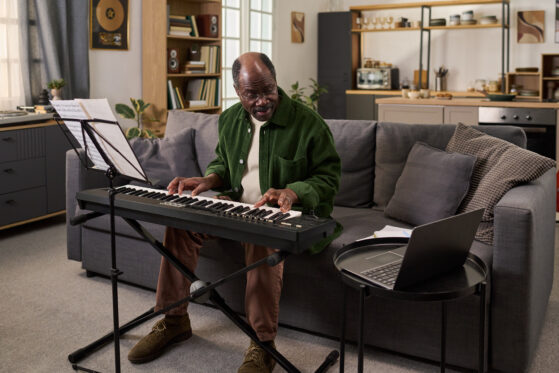
Stay Consistent Even When Progress Feels Slow
Every pianist experiences periods where improvement seems to stall.
These plateaus are completely normal. During such times, your brain continues organizing and strengthening skills behind the scenes, even if visible progress appears minimal.
Many students quit during these temporary slowdowns, believing they’ve reached their limit. In reality, persistence usually leads to noticeable breakthroughs shortly afterward.
Showing up regularly matters more than feeling motivated every day. Some practice sessions will feel amazing, while others may seem ordinary. Together, however, they create lasting improvement.
Remember that learning piano is not measured by individual practice sessions but by months and years of steady commitment.
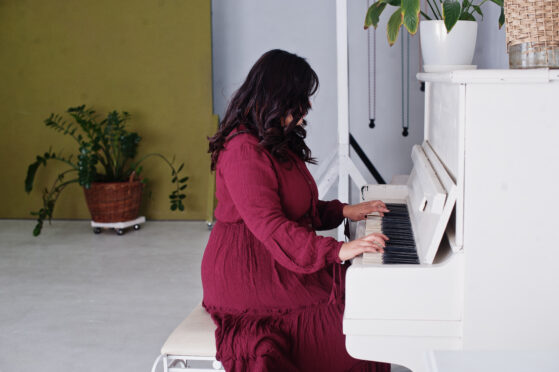
Learn Piano Faster by Using Modern Learning Resources Wisely
Today’s learners have access to more educational resources than ever before.
Online lessons, interactive apps, video tutorials, digital sheet music, and virtual keyboards have made piano education accessible to almost everyone. These tools can provide flexibility and additional explanations whenever you’re learning independently.
However, avoid jumping constantly between different teachers, apps, or tutorials. Following too many methods at once often creates confusion because each instructor may emphasize different techniques.
Choosing one structured learning path while occasionally using supplementary resources helps maintain steady progress without becoming overwhelmed.
Technology should support your learning rather than distract you from consistent practice.

Remember That Progress Isn’t Always Linear
One week you might learn an entire song with surprising ease. The following week, a simple exercise may suddenly feel difficult.
This variation is completely normal.
Musical development rarely follows a straight line. Some concepts click immediately, while others require repeated exposure before they become comfortable. The important thing is to keep moving forward instead of becoming discouraged by temporary setbacks.
Looking back after several months often reveals remarkable improvement that wasn’t obvious on a day-to-day basis.
Trusting the learning process allows you to enjoy the journey instead of constantly worrying about the destination.

Final Thoughts
Learning the piano is far more achievable than many people realize. You don’t need extraordinary talent, perfect pitch, or endless hours of daily practice to become a capable pianist. What truly makes the difference is a combination of smart practice, consistent effort, patience, and a genuine love for music.
Every minute you spend at the keyboard builds valuable skills, even when progress feels small. Over time, those small improvements accumulate into something remarkable. Songs that once seemed impossible become comfortable, difficult techniques begin to feel natural, and your confidence grows with every new accomplishment. Choosing structured Piano Lessons Online can also help you stay consistent by providing clear guidance, regular feedback, and a learning path that keeps you motivated.
Most importantly, remember that learning piano isn’t simply about reaching an end goal. It’s about enjoying the music you create along the way. Stay curious, practice with intention, and trust the process. Whether you’re just beginning or returning to the instrument after a break, The Mystic Keys is committed to helping students build confidence and enjoy every step of their musical journey. You may discover that you’re capable of learning the piano much faster than you ever imagined.
For more information and exciting resources about learning music, visit our website at The Mystic Keys. For more music content and exciting offers follow us on
Facebook, Instagram, YouTube, LinkedIn, Twitter, Pinterest, and Threads.