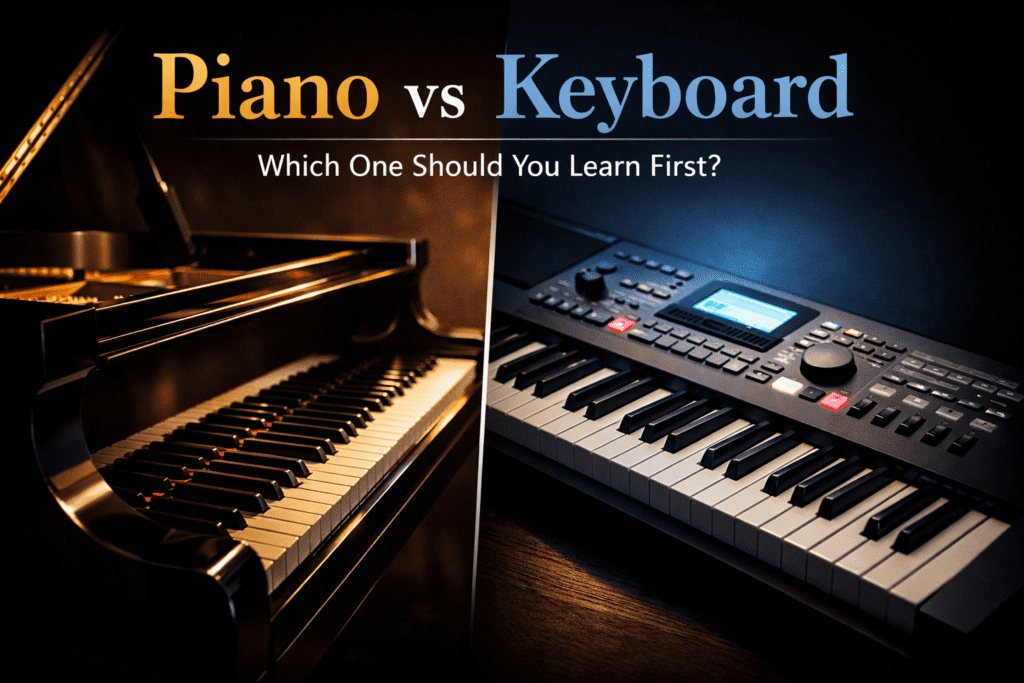
Piano vs Keyboard | Which One Should You Learn First?
If you are planning to start learning music, one of the most common questions beginners ask is: Piano vs Keyboard – which one should you learn first?
At first glance, both instruments look almost the same. They both have black and white keys, they are played using similar techniques, and they produce musical notes in the same layout. Because of this similarity, many beginners often assume they are identical.
However, the piano and keyboard are quite different instruments in terms of sound production, playing experience, learning benefits, and cost.
Choosing the right instrument at the beginning of your musical journey can make a big difference in how easily you learn and how much you enjoy practicing.
In this detailed guide, we will explore:
• The difference between piano and keyboard
• How each instrument works
• The advantages and disadvantages of each
• Which one is better for beginners
• Important factors to consider before choosing
By the end of this article, you will have a clear idea of whether you should start learning piano or keyboard.
Understanding the Piano
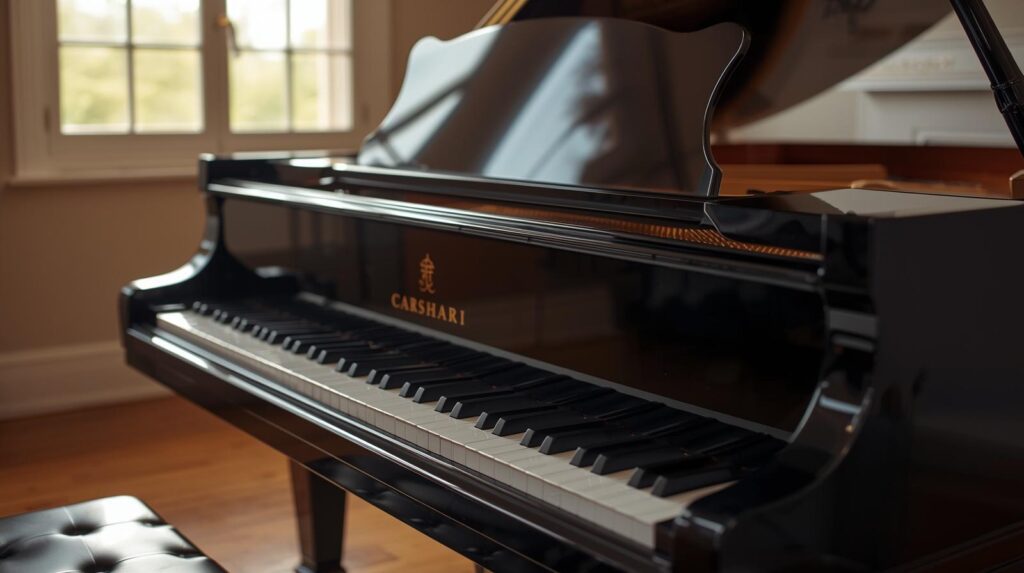
A piano is one of the most popular and respected musical instruments in the world. It has been used for centuries in classical music, jazz, film scores, and modern music.
The piano is an acoustic instrument, which means it produces sound naturally without electronics.
Inside a piano, there are strings and small hammers. When you press a key, a hammer strikes a string and produces a sound.
Because of this mechanism, the sound of a piano is rich, natural, and expressive.
Key Characteristics of a Piano
A standard piano typically has 88 keys, which include both white and black keys.
Important features include:
• Weighted keys that feel heavier and more realistic
• Natural acoustic sound created by vibrating strings
• Wide dynamic range (soft to loud playing)
• Excellent for developing proper finger strength
Because piano keys are weighted, they require more control and finger strength. This helps students build proper playing technique.
Types of Pianos
There are mainly two types of acoustic pianos:
Grand pianos are large and usually found in concert halls, studios, and professional environments.
Features include:
• Horizontal string design
• Rich and powerful sound
• Highly responsive keys
They are considered the highest-quality pianos, but they are also very expensive.
Upright pianos are smaller and designed for homes and music schools.
Features include:
• Vertical string design
• More compact size
• Lower cost than grand pianos
They are a popular choice for serious piano students.
Advantages of Learning Piano
Learning on a piano offers several benefits:
1. Strong Musical Foundation
Piano helps students develop a solid understanding of:
• Melody
• Harmony
• Rhythm
Because all notes are visible on the keyboard, it is one of the best instruments for learning music theory.
2. Better Finger Strength and Technique
Weighted keys help develop finger strength and control, which improves playing ability over time.
This makes it easier to transition to other keyboard instruments later.
3. Expressive Playing
The piano allows players to control volume and emotion through touch.
You can play very soft notes or powerful loud notes depending on how hard you press the keys.
Disadvantages of a Piano
Despite its benefits, the piano also has some challenges:
• Expensive compared to keyboards
• Very heavy and difficult to move
• Requires regular tuning and maintenance
Because of these factors, some beginners prefer starting with a keyboard instead.
Understanding the Keyboard
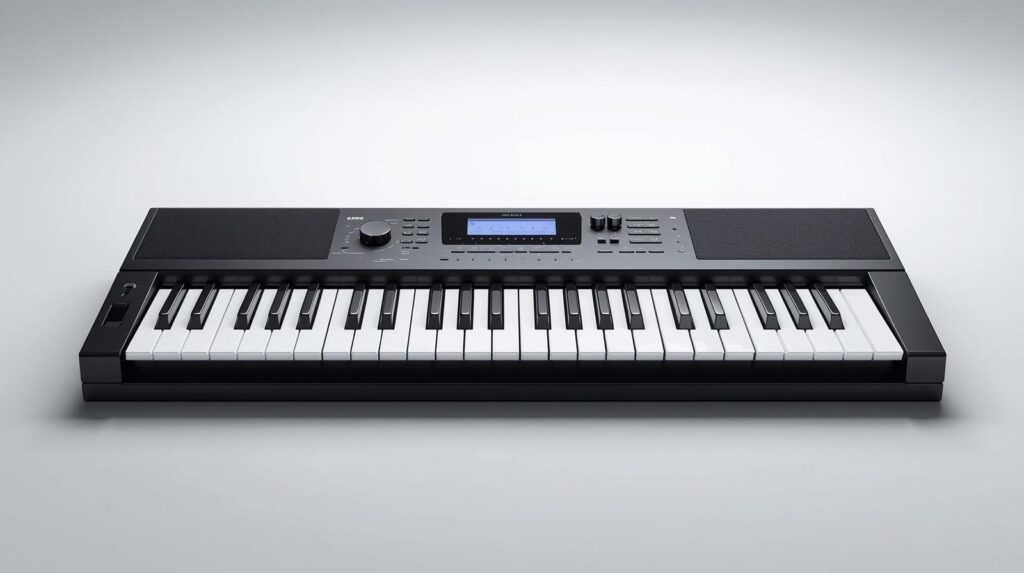
A keyboard is an electronic musical instrument that replicates piano sounds while offering many additional features.
Unlike acoustic pianos, keyboards produce sound digitally using electronic technology.
Modern keyboards can imitate many instruments such as:
• Piano
• Strings
• Guitar
• Drums
• Synthesizers
This makes keyboards extremely versatile.
Key Characteristics of a Keyboard
Most beginner keyboards include:
• 61 or 76 keys
• Lightweight plastic keys
• Built-in rhythms and accompaniment styles
• Hundreds of instrument sounds
Some advanced keyboards also include:
• Recording features
• MIDI connectivity
• Learning modes
Advantages of Learning Keyboard
1. Affordable
Compared to acoustic pianos, keyboards are much more affordable.
This allows beginners to start learning music without making a large financial investment.
2. Portable and Compact
Keyboards are lightweight and easy to move.
This makes them ideal for:
• Small homes
• Apartments
• Students who travel
3. Multiple Instrument Sounds
Unlike pianos, keyboards can produce hundreds of different sounds.
For example:
• Piano
• Organ
• Violin
• Synth sounds
• Drum beats
This allows beginners to explore different music styles.
4. Built-in Learning Features
Many keyboards include:
• Metronomes
• Demo songs
• Lesson modes
• Rhythm accompaniments
These features can make practice more interactive and fun.
Disadvantages of a Keyboard
While keyboards offer flexibility, they also have some limitations.
• Keys may feel lighter and less realistic
• Sound quality may not match an acoustic piano
• Some models have fewer keys
For students who want serious piano training, a keyboard may not fully replicate the real piano experience.
Piano vs Keyboard | Key Differences
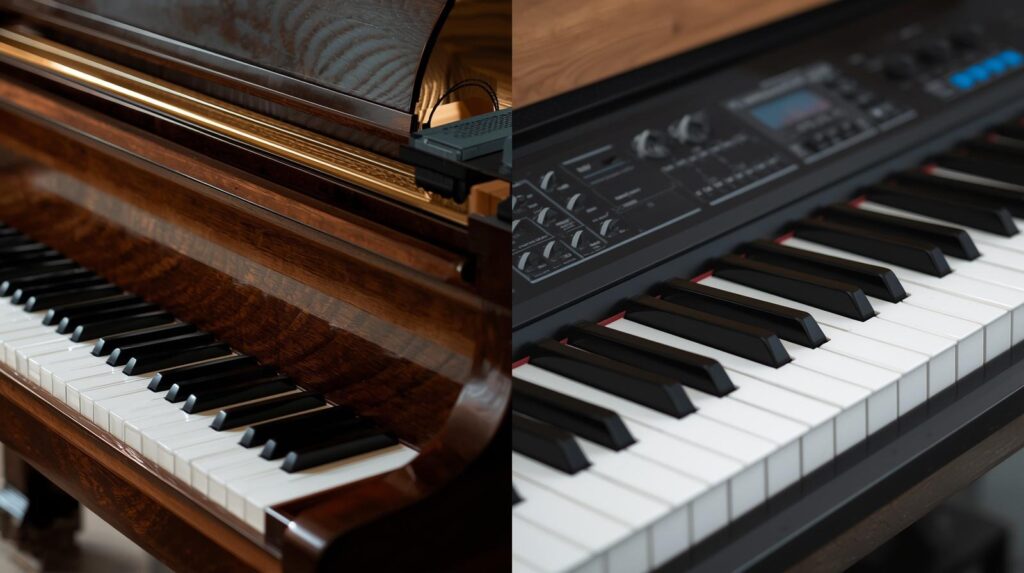
Understanding the main differences can help beginners make the right choice.
| Feature | Piano | Keyboard |
|---|---|---|
| Number of Keys | 88 | Usually 61–76 |
| Sound | Natural acoustic | Digital sound |
| Key Weight | Weighted | Often lighter |
| Portability | Heavy | Lightweight |
| Price | Expensive | Affordable |
| Maintenance | Needs tuning | No tuning required |
Both instruments can help you learn music, but the experience can feel different.
Which Instrument is Better for Beginners?
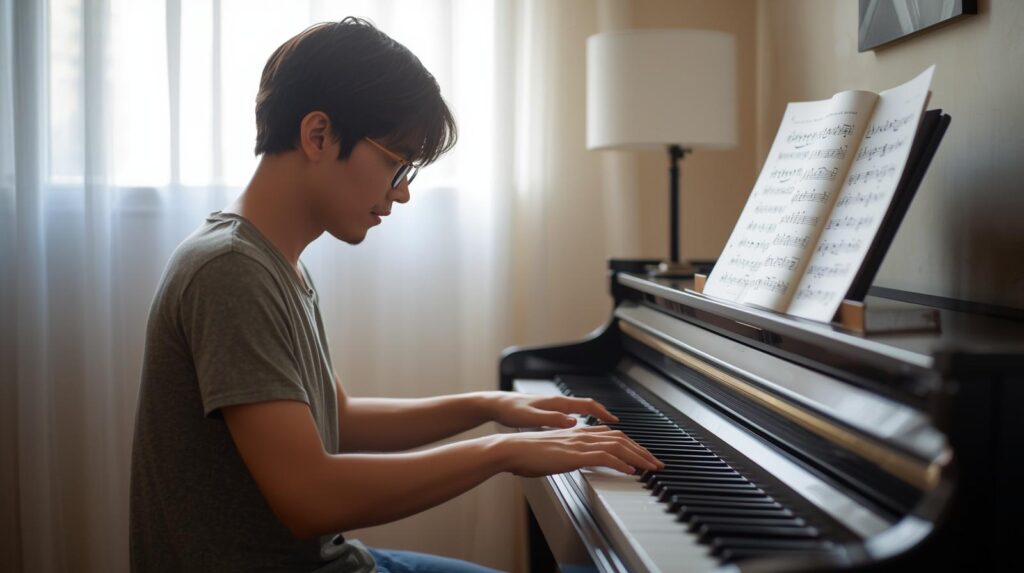
For many beginners, the keyboard is often the easiest starting point.
Here are a few reasons why:
Lower Cost
Beginners may not want to invest heavily at the start. Keyboards provide a budget-friendly option.
Easy Setup
Keyboards are simple to set up and require no tuning.
You can start practicing immediately.
Fun Features
Rhythms, beats, and different instrument sounds make practice more enjoyable.
This can help keep beginners motivated.
When Should You Start With a Piano?
Starting with a piano may be better if:
• You want to learn classical music
• You want to develop strong technical skills
• You plan to pursue professional piano training
Pianos provide the most authentic playing experience.
When Should You Start With a Keyboard?
A keyboard may be the best choice if:
• You are a complete beginner
• You have a limited budget
• You want a portable instrument
• You enjoy modern music styles
Keyboards are great for learning basic music skills and exploring creativity.
Digital Pianos | A Middle Option
Many beginners choose a digital piano, which combines features of both instruments.
Digital pianos usually have:
• 88 weighted keys
• Realistic piano sound
• Headphone support
• No tuning required
They provide a piano-like experience while remaining more affordable than acoustic pianos.
Choosing between piano vs keyboard ultimately depends on your goals, budget, and available space.
If you want the traditional and expressive experience, learning piano may be the best option.
If you want something affordable, portable, and beginner-friendly, starting with a keyboard can be a great decision.
The most important factor is consistent practice and enjoying the learning process.
No matter which instrument you choose, learning music can be a rewarding journey that improves creativity, discipline, and confidence.
Today, many students prefer learning music from home through Piano Lessons Online or Keyboard Classes Online. Some students choose to learn classical piano techniques, while others prefer modern keyboard playing styles. With the right guidance and regular practice, both instruments can help you build a strong musical foundation and enjoy the journey of learning music.
Intersted in learning music with us? Register now
For more information and exciting resources about learning music, visit our website at The Mystic Keys. For more music content and exciting offers follow us on
Facebook, Instagram, YouTube, LinkedIn, Twitter, Pinterest, and Threads.