
Piano Practice | The 20-Minute Daily Method That Works
There’s a quiet myth surrounding piano practice—the idea that progress only comes from long, exhausting hours at the keyboard. Many learners begin with enthusiasm, only to feel overwhelmed when consistency becomes difficult. Life gets busy, motivation dips, and suddenly the piano starts collecting more dust than melodies.
Yet, real growth doesn’t demand endless time. What it truly asks for is focus, intention, and a method that fits into your daily rhythm. That’s where the 20-minute practice approach quietly changes everything. It’s simple, sustainable, and surprisingly powerful.
Let’s explore why this method works so well—and how you can make every minute count.
Why 20 Minutes Can Be Enough
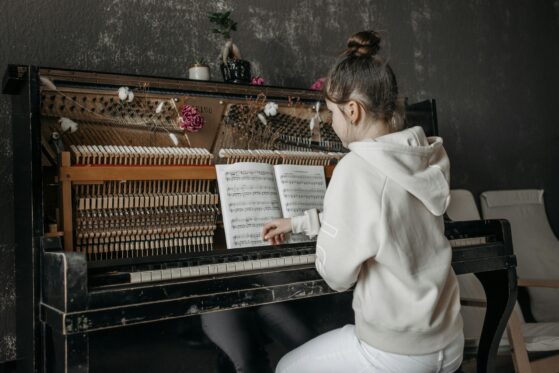
It might sound counterintuitive at first. How can such a short session lead to meaningful improvement? The answer lies in how the brain learns and retains information.
Short, focused practice sessions prevent mental fatigue and keep your attention sharp. Instead of drifting through an hour of distracted playing, you remain fully engaged for a smaller, more productive window. Over time, this consistency builds stronger neural connections than occasional long sessions ever could.
Additionally, practicing daily—even briefly—creates a habit loop. The piano becomes part of your routine rather than a task you postpone. That sense of continuity matters far more than duration.
The Structure Behind Effective Piano Practice
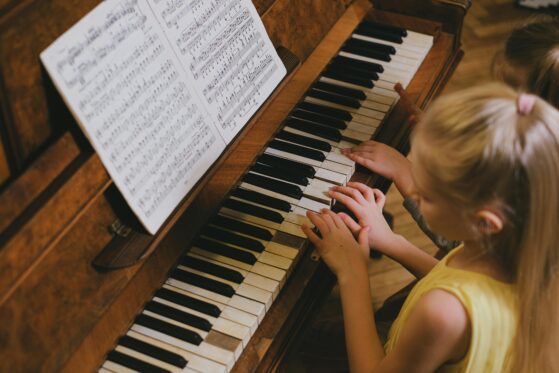
A successful 20-minute session isn’t random. Each minute has a purpose, and the flow keeps your mind both active and refreshed. Rather than jumping between pieces without direction, the session moves through a thoughtful progression.
You might begin with a gentle warm-up to settle into the instrument. This phase allows your fingers to wake up while your mind transitions from daily distractions into musical focus. It doesn’t need to be complex—simple scales or familiar patterns are enough to ease into the practice.
From there, attention shifts toward technique. This is where improvement quietly takes shape. Working on finger strength, coordination, or articulation ensures that your foundation continues to grow. Even a few minutes spent here consistently can lead to noticeable changes in control and fluidity.
Gradually, the session moves into repertoire—the music you’re learning. Because your hands are already warmed up and your mind is focused, this becomes the most productive part of your practice. Instead of playing through the piece repeatedly, you can slow down, correct mistakes, and refine specific sections.
The session often ends with something enjoyable or expressive. Playing a favorite tune or revisiting a comfortable piece leaves you with a sense of accomplishment. That positive feeling becomes the reason you return the next day.

The Power of Consistency Over Intensity
Many learners fall into the trap of “catch-up practice.” Missing a few days leads to longer sessions later, which often feel tiring and unproductive. Gradually, this cycle turns practice into pressure rather than pleasure.
Consistency breaks that pattern. Showing up for 20 minutes every day builds momentum. Each session connects to the next, creating a steady upward curve in progress. Improvement may feel subtle at first, but over weeks, the difference becomes undeniable.
Discipline plays a role here, but it doesn’t have to feel rigid. When practice is short and manageable, it’s easier to commit without resistance. Even on busy days, 20 minutes feels achievable—and that’s exactly why it works.
Making Each Minute of Piano Practice Count
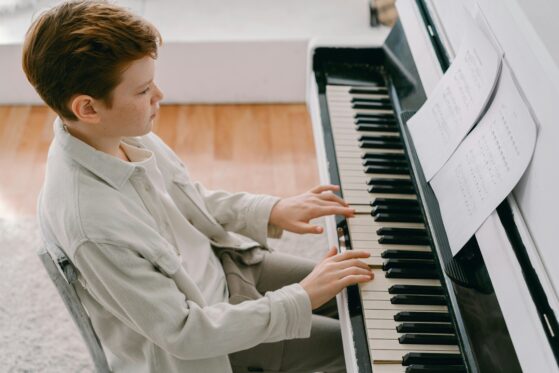
Time alone doesn’t guarantee results. The way you use those 20 minutes determines how effective they will be.
Focus becomes your greatest tool. Sitting at the piano without distractions—no phone, no interruptions—transforms a short session into deep work. Attention to detail also matters. Listening carefully to each note, correcting errors immediately, and staying mindful of rhythm and dynamics elevate the quality of your practice.
Another important aspect is pacing. Rushing through pieces often leads to repeated mistakes. Slowing down, even when it feels uncomfortable, allows your brain to process and learn accurately. Speed naturally follows once clarity is established.
Staying Motivated Without Burnout
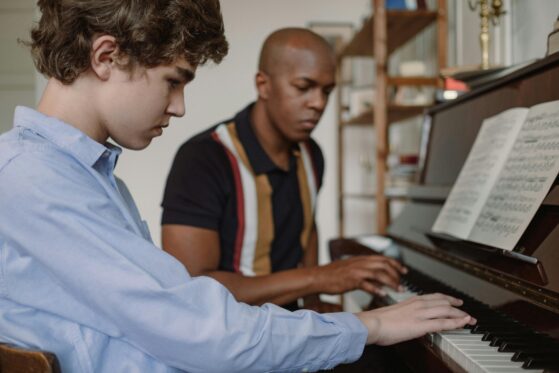
Motivation doesn’t stay constant, and that’s completely normal. Some days, practice feels exciting. On others, it may feel like a chore. The beauty of the 20-minute method lies in how it reduces resistance.
Because the commitment is small, starting becomes easier. Once you begin, momentum often carries you forward. Interestingly, many people end up practicing longer—not because they have to, but because they want to.
Variety also helps maintain interest. Rotating between different pieces, exploring new styles, or even improvising occasionally keeps the experience fresh. When practice feels enjoyable, consistency follows naturally.
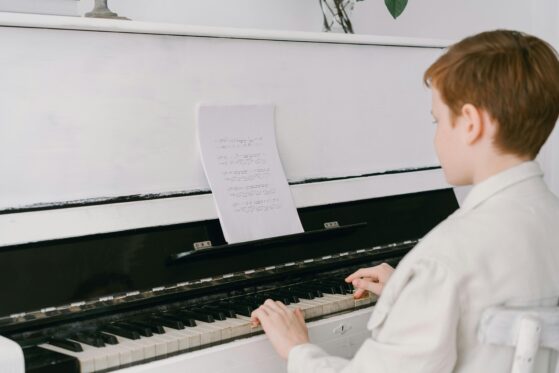
Adapting Piano Practice to Your Level
This approach isn’t limited to beginners. In fact, it works across all levels because it emphasizes efficiency rather than duration.
For beginners, the structure builds a strong foundation without overwhelming them. Learning remains steady and encouraging instead of frustrating.
Intermediate players benefit from the focused breakdown of technique and repertoire. Progress becomes more intentional, helping them move past plateaus.
Advanced musicians can use the same framework to refine complex passages, maintain technique, and explore musical expression within a compact timeframe.
The method adjusts to your needs while keeping the core principle intact—practice with purpose, not just time.
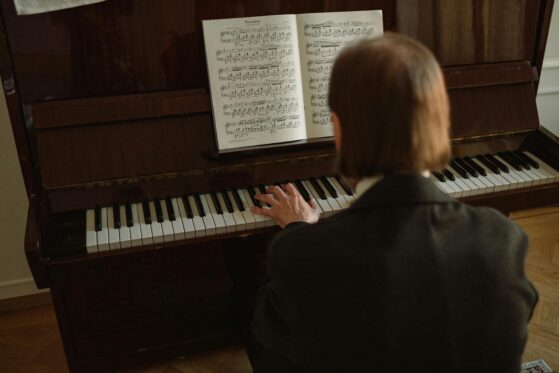
Turning Piano Practice Into a Daily Ritual
There’s something powerful about practicing at the same time each day. Whether it’s early morning, a quiet afternoon, or late evening, a fixed routine strengthens the habit.
Over time, the piano stops feeling like an obligation and starts becoming a moment of calm. It becomes your space to pause, focus, and create—no matter how busy life gets.
This shift in mindset is what truly sustains long-term learning. Instead of chasing perfection, you begin to enjoy the process itself.

The Real Secret Behind Progress
The 20-minute method isn’t just about saving time. It’s about changing how you approach practice altogether.
Progress doesn’t come from how long you sit at the piano. It comes from how present you are while you’re there. A focused 20 minutes can achieve more than an unfocused hour, simply because every moment is intentional.
When you remove pressure and replace it with consistency, growth becomes natural. Notes feel clearer, movements become smoother, and confidence builds quietly with each session.

Final Thoughts
Learning piano is a journey that unfolds over time. It doesn’t demand perfection, nor does it require endless hours. What it truly needs is steady effort and a method that supports your lifestyle. With guidance from The Mystic Keys and the flexibility of Piano Lessons Online, this journey becomes even more accessible and structured.
The 20-minute daily practice approach offers exactly that—a balance between discipline and ease. It fits into your day without overwhelming it, while still delivering meaningful results, especially when supported by well-designed Piano Lessons Online that guide your progress step by step.
So, the next time you sit at the piano, remember this: you don’t need more time. You just need the right 20 minutes—and the right support system to make those minutes truly count.
For more information and exciting resources about learning music, visit our website at The Mystic Keys. For more music content and exciting offers follow us on
Facebook, Instagram, YouTube, LinkedIn, Twitter, Pinterest, and Threads.