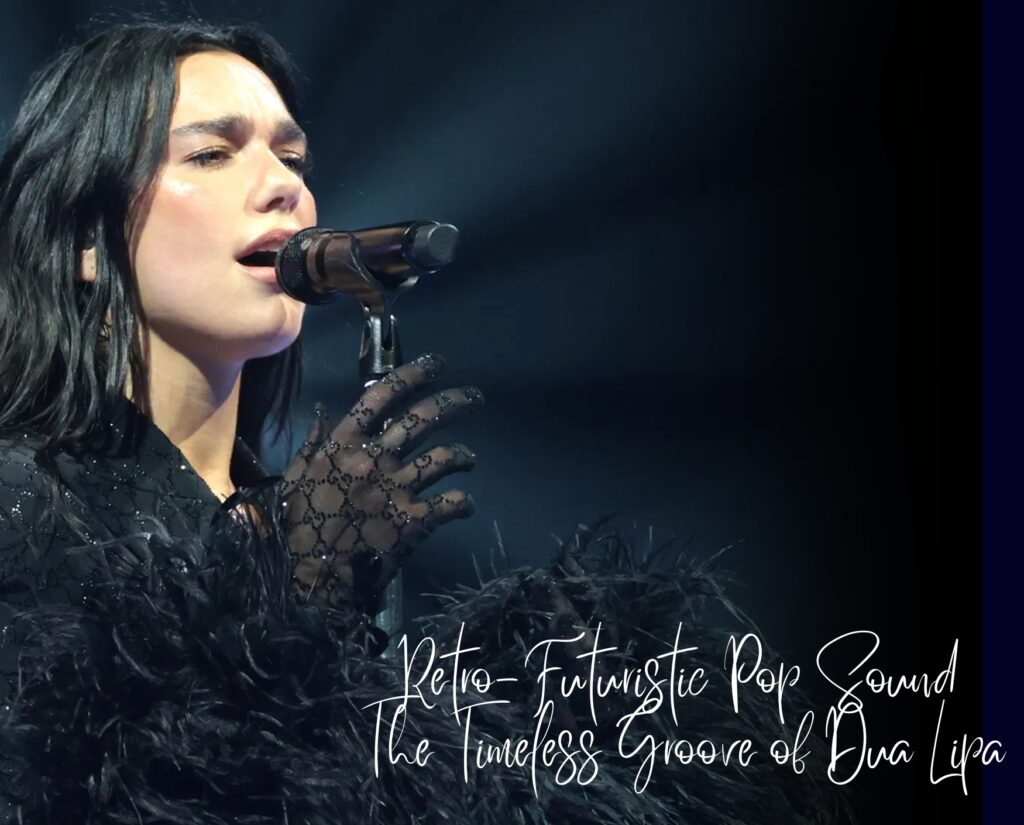
Retro-Futuristic Pop Sound | The Timeless Groove of Dua Lipa
Pop music constantly evolves, yet only a few artists manage to bridge generations of sound while still defining the present moment. Over the past few years, Dua Lipa has emerged as one of those rare figures. Her retro-futuristic pop sound carries the pulse of classic disco, the shimmer of synth-pop, and the sleek polish of contemporary production, resulting in a style that feels both nostalgic and futuristic at the same time
Listeners often describe her style as retro-futuristic pop, a term that captures the unique balance she maintains between past influences and modern innovation. Instead of simply reviving old musical styles, she reshapes them into something vibrant and forward-looking. Through carefully crafted beats, confident vocals, and striking visual aesthetics, she has built a sonic universe where the past dances effortlessly with the future.
This blend of nostalgia and modernity is not accidental. It reflects a thoughtful artistic approach that draws inspiration from earlier decades while embracing today’s digital production techniques and global pop sensibilities.
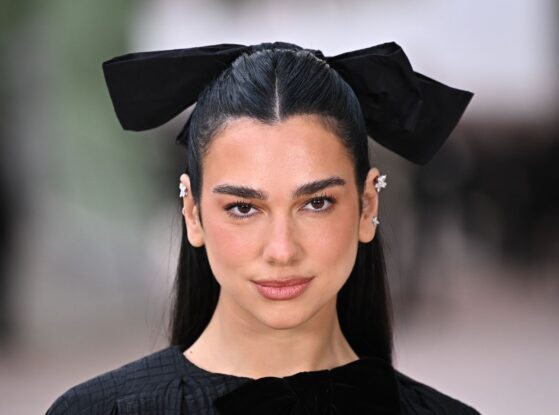
The Retro-Futuristic Pop Sound and the Disco Revival
Much of the retro character in Dua Lipa’s music comes from the golden era of disco and dance-pop. The influence of artists like Donna Summer and Madonna can be heard in the driving basslines, rhythmic grooves, and celebratory energy that run through many of her songs.
Disco, at its core, was always about movement and joy. That spirit resurfaces in modern pop through shimmering synths, upbeat tempos, and infectious hooks. Rather than copying the past, her songs reinterpret it with cleaner production and contemporary songwriting structures. The result is music that feels instantly recognizable yet unmistakably modern.
The release of the album Future Nostalgia marked a defining moment for this revival. Critics and fans alike praised the project for its bold embrace of disco-inspired rhythms combined with sleek electronic production. Tracks such as Don’t Start Now and Levitating brought the bounce of late-1970s dance floors into the streaming era, proving that retro grooves could dominate contemporary charts.
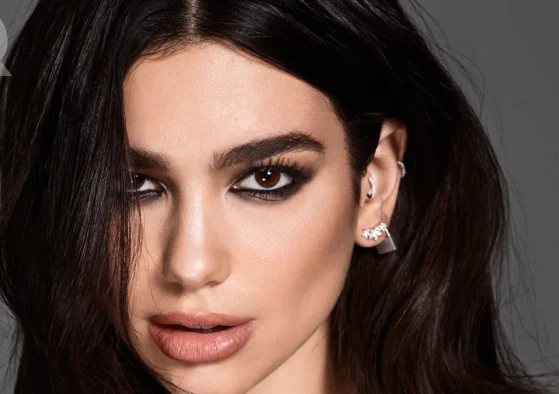
Synth-Pop Influences Shaping the Retro-Futuristic Pop Sound
Beyond disco influences, another defining element of her sound lies in the fusion of synth-pop textures with cutting-edge production. The bright keyboards and pulsating electronic patterns evoke the sonic palette of the 1980s, an era defined by artists like Prince and George Michael.
Modern studio technology, however, allows these sounds to be sculpted with remarkable precision. Producers layer crisp percussion, digital bass, and atmospheric effects that give each track a polished, cinematic quality. Consequently, the music feels expansive and dynamic rather than purely retro.
Her vocal delivery also contributes to this blend. A deep, confident tone anchors the energetic instrumentation, creating a contrast between smooth vocals and vibrant beats. That balance helps the songs feel timeless rather than tied to any single decade.
Listeners often find themselves transported between eras when hearing her music. Familiar sonic textures trigger nostalgia, while contemporary arrangements ensure that the songs fit seamlessly within today’s pop landscape.
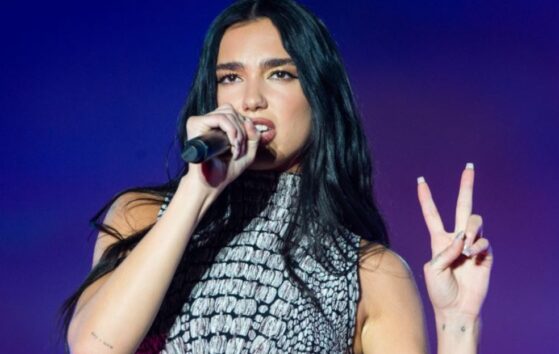
The Visual Identity of Retro-Futurism
Music alone does not define Dua Lipa’s retro-futuristic aesthetic. Visual storytelling plays an equally important role in shaping her artistic identity. Music videos, stage performances, and fashion choices frequently reference vintage pop culture while presenting it through a sleek, modern lens.
Neon colors, metallic textures, and geometric designs often appear in her visuals, echoing the bold styles of the late twentieth century. At the same time, high-definition cinematography and futuristic design elements create a sense of modern sophistication. The result is an aesthetic that feels like a stylized vision of the future imagined decades ago.
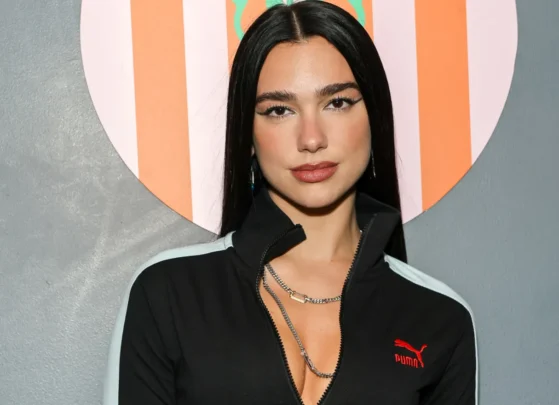
Fashion further reinforces this identity. Retro silhouettes blend with contemporary streetwear, reflecting the same past-meets-present philosophy heard in her music. Every visual detail contributes to the broader narrative of a pop star who exists between eras.
This cohesive branding strengthens the emotional connection with audiences. Fans are not only listening to music but also stepping into a carefully crafted world where nostalgia and innovation coexist.
Confidence, Empowerment, and Modern Themes
While the sonic palette may draw heavily from the past, the themes explored in her music remain firmly rooted in the present. Many songs focus on independence, confidence, and self-empowerment, reflecting the attitudes of a new generation of pop listeners.
Lyrics in tracks like New Rules emphasize emotional boundaries and personal growth. The storytelling feels direct and relatable, addressing modern relationship dynamics with clarity and confidence. Through these narratives, retro sounds become the backdrop for contemporary messages.
That contrast is part of what makes her music resonate so strongly. Listeners experience the warmth of familiar musical influences while engaging with ideas that feel relevant to current cultural conversations.
Pop music has always mirrored social change. By pairing vintage sounds with modern perspectives, she demonstrates how older musical traditions can still express today’s realities.
Global Popularity of the Retro-Futuristic Pop Sound
The retro-futuristic approach has also contributed to her remarkable international success. In the streaming era, audiences across the world discover music through digital platforms rather than traditional radio alone. Songs that blend recognizable influences with modern production often travel easily across cultural boundaries.
Disco rhythms, for example, rely heavily on groove and movement rather than complex language. That universal energy allows listeners from different regions to connect with the music instantly. Meanwhile, sleek pop production ensures the songs sound current on playlists alongside contemporary hits.
Collaborations and remixes further extend this reach. Different versions of tracks introduce new audiences while maintaining the core retro-pop identity. As a result, her music occupies a space that feels both globally accessible and artistically distinctive.
This ability to merge eras and cultures has helped solidify her position among the most influential pop artists of her generation.
The Future of the Retro-Futuristic Pop Sound
The success of Dua Lipa has also encouraged a broader revival of vintage pop influences within the industry. Many contemporary artists now experiment with disco basslines, analog synth textures, and nostalgic visual styles. Yet few manage to integrate these elements as seamlessly as she does.
What distinguishes her work is the sense of intentional balance. Nostalgia never overwhelms the music, and modern production never erases its retro charm. Instead, both elements interact constantly, creating a dynamic listening experience.
Looking ahead, retro-futuristic pop is likely to continue evolving as new technologies and influences emerge. The genre thrives precisely because it draws inspiration from multiple eras while remaining open to experimentation.
In many ways, her music represents a reminder that innovation does not always require abandoning the past. Sometimes the most exciting sounds emerge when artists revisit earlier styles and reimagine them for a new generation.

A Soundtrack for Yesterday and Tomorrow
The rise of Dua Lipa illustrates how pop music can honor its roots while moving confidently toward the future. By blending disco nostalgia, synth-pop textures, and contemporary production, she has crafted a musical identity that feels timeless yet unmistakably modern.
Each track invites listeners onto a dance floor that exists somewhere between decades. Vintage grooves mingle with futuristic beats, while bold lyrics capture the spirit of modern independence. Through that fusion, her work demonstrates the enduring power of pop music to evolve without losing its sense of joy. Such musical storytelling is also what inspires music educators and creative platforms like The Mystic Keys, where exploring the connection between classic influences and modern sounds helps young musicians understand how today’s pop is often shaped by the past.
Ultimately, retro-futuristic pop is more than a stylistic trend. It represents a creative philosophy—one that recognizes the past as a source of inspiration rather than limitation. In the hands of artists like her, nostalgia becomes a launchpad for innovation, proving that the future of pop may sometimes sound beautifully familiar.
For more information and exciting resources about learning music, visit our website at The Mystic Keys. For more music content and exciting offers follow us on
Facebook, Instagram, YouTube, LinkedIn, Twitter, Pinterest, and Threads.