Chord Progressions That Make Worship Songs Sound Soulful
Creating worship music that truly moves people begins with one essential element — the chord progression. While lyrics express truth, the harmony is what carries emotion, shapes the atmosphere, and prepares hearts for worship. Understanding the right chord progressions for soulful worship songs helps vocalists, keyboardists, guitarists, and worship teams craft music that feels warm, sincere, and spiritually rich.
In this detailed guide, we’ll explore why certain progressions feel more emotional, how gospel influences have shaped modern worship, and which chord movements you can use to create a deeper, more expressive worship experience. Whether you are arranging for a band, leading worship alone, or producing tracks, these progressions will elevate the soulfulness of your sound.

Why Soulful Chord Progressions Matter in Worship Music
Soulful worship depends on tension, release, warmth, and emotional color. The most memorable worship moments often come from chords that feel tender, hopeful, or deeply expressive. When musicians understand how and why these chords work, they can build arrangements that support the message of the song and guide the congregation into genuine worship.
How Soulful Harmony Shapes the Worship Atmosphere
-
It creates emotional depth during prayerful moments
-
It enhances the meaning of slow, intimate lyrical themes
-
It adds richness when transitioning between song sections
-
It helps vocalists express phrasing more naturally
-
It builds unity between band members through shared musical language
Soulful chord progressions aren’t complicated — they’re intentional, warm, and emotionally honest.

The Emotional Elements Behind Soulful Progressions
Every soulful progression shares a few common traits. Understanding these will help you create powerful worship arrangements:
Use of Suspensions and Add Notes
Suspended chords (sus2 / sus4), add2/add9, and add11 chords soften the harmony and create a gentle pull toward resolution.
Minor 6ths, Minor 7ths, and Major 7ths
These chords add color that feels emotional, warm, and expressive — commonly found in gospel, soul, and modern worship.
Walking Bass Movement
Step-wise bass movement between chords can create a flowing, prayer-like feeling.
Borrowed Chords
Taking chords from parallel keys adds surprise and emotional tension that resolves beautifully.
Extended Voicings
Extended chords (9ths, 11ths, 13ths) make even simple progressions feel lush.
Soulfulness comes from expression, movement, and color, not complexity.
Foundational Progressions Every Worship Musician Should Know
Below are progressions widely used in modern worship music. They create uplifting, emotional, and deeply spiritual atmospheres.

The Classic 1–5–6–4 Progression
This is the most recognizable worship progression. When played with soft voicings, it creates a warm, soulful feel.
Why It Works
Strong sense of resolution
Open and emotional movement
Fits slow and mid-tempo worship perfectly
Examples of How to Use It
Intro swells
Verse foundation
Soaking worship instrumentals
Slow build toward a chorus
Variations to Add Soulfulness
Add2 chords
Replace the 5 chord with a sus4 or minor 5
Use a walk-up bass line (1 – 2 – 3 – 4)

The Soulful 6–4–1–5 Progression
This progression begins on the minor chord, giving it a tender, emotional start.
Why It Works
Creates instant emotional depth
Perfect for reflective verses or intimate choruses
Smooth voice leading
Ways to Make It More Soulful
Turn the 6 chord into a minor7
Use a 4add2 for warmth
Add a suspended 5 chord for sweetness

The Gospel-Inspired 2–5–1 Progression
Originating from jazz and gospel harmony, the 2–5–1 progression is one of the most powerful tools for soulful worship.
Why It Works
Smooth, satisfying movement
Rich harmonic color
Beautiful for transitions and turnarounds
How Worship Musicians Use It
Key changes
Ending a worship section
Moving between verse and chorus
Building emotional swells
How to Add Even More Soul
Turn the 2 chord into a minor9
Make the 5 chord a dominant 7
Use a major7 for the 1 chord
The Deeply Emotional 4–5–3–6 Progression
This progression is full of tension and longing, making it one of the most soulful patterns in worship.
Why It Works
The 3 chord adds beautiful emotional pull
Creates a sense of yearning
Works well under slow vocal lines
How to Use It
Pre-choruses
Bridge transitions
Prayer moments
Extended worship flow sections

The Reflective 1–6–2–5 Progression
Smooth, circular, and deeply emotional, this progression is widely used in soulful worship ballads.
Why It Works
Encourages gentle, meditative worship
Works well with pads, piano, and soft guitar
Easy for vocalists to improvise over
Creative Variations
Use minor9 on the 6 chord
Add11 on the 2 chord
Replace the 5 chord with a 5sus4

Adding Soulfulness Through Passing Chords
Passing chords are the secret to modern soulful worship arrangements. They create movement and flow between major chords.
Common Passing Techniques
- Chromatic walk-downs
- Secondary dominants
- Borrowed chords from parallel minor
- Tritone substitutions (used gently in worship)
Where to Use Passing Chords
- Between 1 and 6
- Between 4 and 5
- At the end of phrases
- Leading into a bridge
Used sparingly, passing chords create emotional atmosphere without distracting from worship.
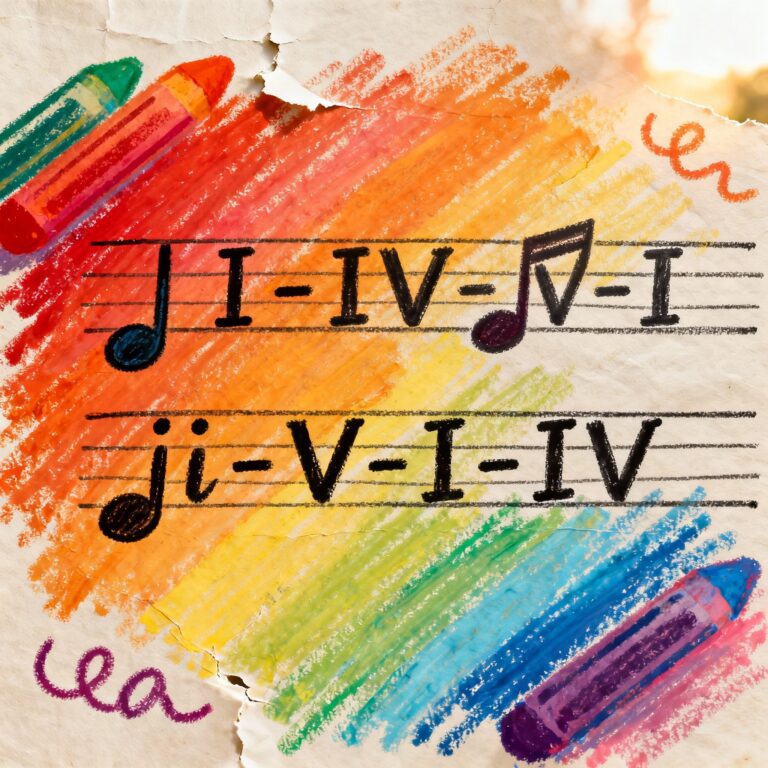
Borrowed Chords that Add Warmth and Emotion
Borrowed chords come from the parallel minor key and instantly add soulfulness.
Beautiful Borrowed Chords for Worship
bVII
bVI
iv
ii°
bIIImaj7
Why They Work
Add surprise without breaking the worship mood
Provide richness for meditative moments
Offer smooth transitions between sections
These chords are especially helpful for prayer segments and slow ambient worship.
Progressions for Soaking and Spontaneous Worship
Soaking worship requires chords that feel open, slow, and atmospheric.
Progressions That Work Beautifully
1 – 4 – 1 – 4
6 – 5 – 4 – 1
1 – 5 – 6 – 5
4 – 1 – 5 – 6
Techniques to Enhance the Mood
Soft pads with long reverb
Arpeggiated piano patterns
Swell guitar textures
Sparing use of major7 chords
These progressions create space for reflection, prayer, and spontaneous worship flow.
Bringing Soul Into Modern Worship Band Arrangements
Soulfulness is not only about the chords — it’s also about how the band plays them.
Techniques for Keyboardists
Use spread voicings
Keep the left hand simple and warm
Add gentle 9ths and 11ths
Use inverted chords for smooth transitions
Techniques for Electric Guitarists
Add ambient swells
Use reverb and delay with intention
Incorporate soft triad shapes
Layer gentle passing chords
Techniques for Bassists
Use emotional walk-ups and walk-downs
Add chromatic tones sparingly
Play with dynamics to support the vocalist
Techniques for Vocalists
Lean into phrasing
Use breathy tone for soft moments
Add gospel-inspired harmonies
Build gradually into powerful sections
Worship becomes soulful when every musician plays with heart, sensitivity, and unity.
Conclusion
Soulful worship piano connects deeply with people because it blends spiritual truth with emotional expression. Chord progressions for worship songs progressions give vocalists room to express, help instrumentalists shape atmosphere, and support the message of the song with heartfelt harmony.
Whether you’re arranging for a full band or leading alone with a keyboard or guitar, these progressions will help you bring depth and soul into every worship moment — one chord at a time.
For more information and exciting resources about learning music, visit our website at The Mystic Keys. For more music content and exciting offers follow us on
Facebook, Instagram, YouTube, LinkedIn, Twitter, Pinterest, and Threads.