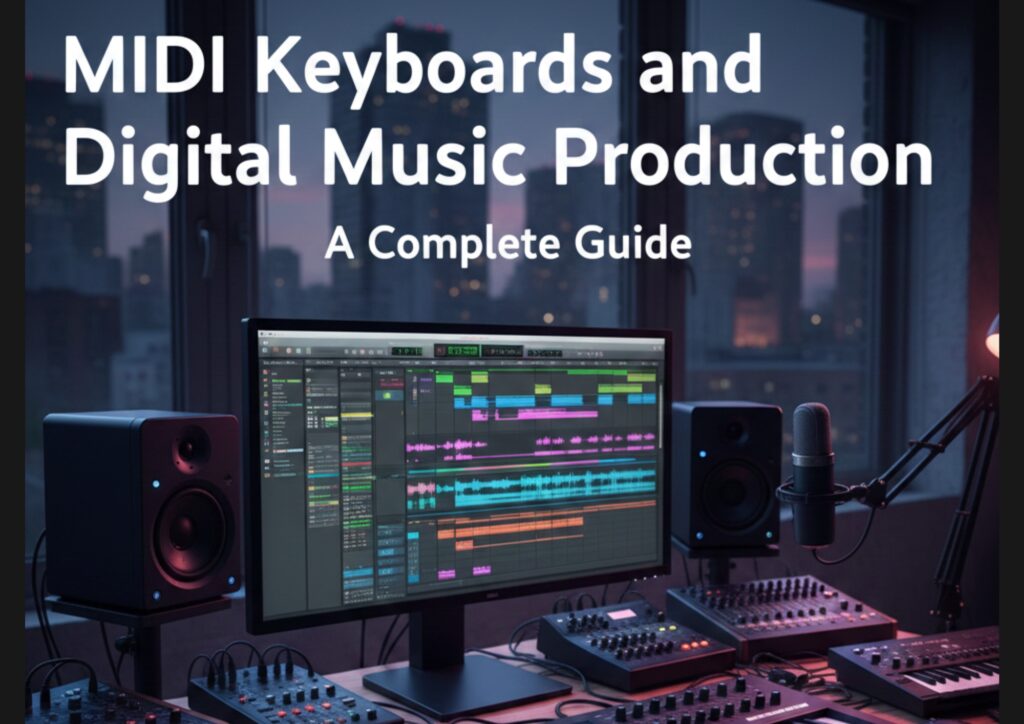
MIDI Keyboards and Digital Music Production | A Complete Guide
The landscape of music creation has transformed dramatically over the last few decades. From the analog synthesizers and bulky recording equipment of the past to the sleek, highly capable digital workstations of today, music production has become more accessible than ever. At the heart of this revolution is the MIDI keyboard, a device that has empowered musicians, producers, and composers to explore sounds and ideas with unparalleled flexibility. Understanding the role of MIDI keyboards in digital music production requires diving into both their technical capabilities and their artistic potential.
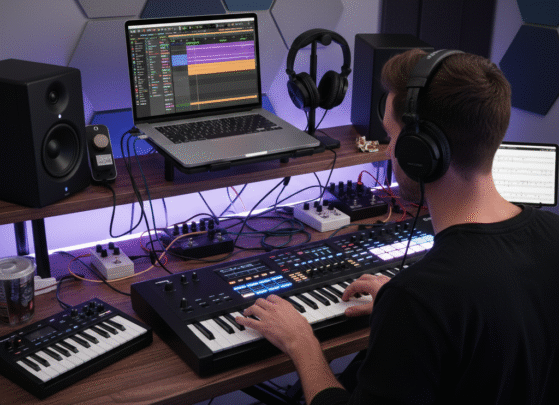
Understanding MIDI Keyboards
A MIDI keyboard is a controller that sends signals to other devices instead of producing sound on its own. MIDI stands for Musical Instrument Digital Interface, a protocol from the 1980s that lets electronic instruments and computers communicate. Unlike traditional pianos or synthesizers, it does not generate audio itself. Instead, it tells virtual instruments, sound modules, or software synthesizers what to play. This setup lets musicians explore endless sounds without the limits of physical instruments. It also allows for easy editing and layering of music, making it ideal for both beginners and professionals. With a MIDI keyboard, experimentation becomes simple, whether creating classical arrangements or cutting-edge electronic tracks.
MIDI keyboards come in many sizes and styles, from compact 25-key models to full 88-key versions that feel like a grand piano. Many have velocity-sensitive keys for expressive playing and include knobs, sliders, or pads. These controls let users tweak sounds, trigger drums, or adjust effects, making sound design more hands-on in a digital setup. Some keyboards even support advanced features like aftertouch or customizable mapping, giving producers even greater creative flexibility and control over their music.
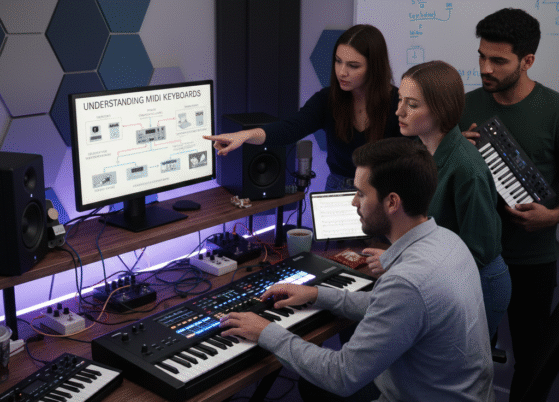
Integrating MIDI Keyboards into Digital Workstations
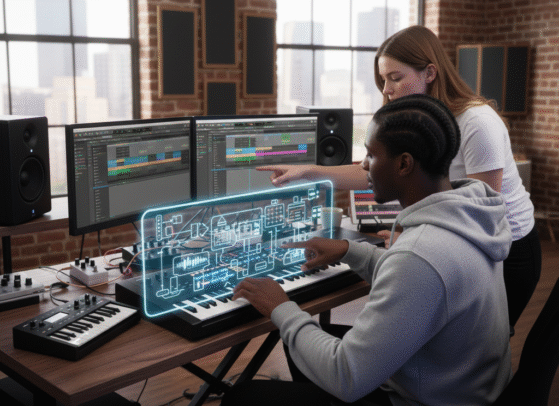
The true power of MIDI keyboards shows when used with a Digital Audio Workstation (DAW). Programs like Ableton Live, Logic Pro, FL Studio, or Cubase act as hubs where musical ideas come to life. In a DAW, a MIDI keyboard lets producers play melodies, harmonies, and rhythms while controlling virtual instruments. Unlike acoustic recording, digital workflows make editing, layering, and experimenting much easier, giving creators the freedom to perfect their compositions.
Connecting a MIDI keyboard is simple but transformative. You can link it to a computer or tablet via USB or traditional MIDI ports. Once the DAW recognizes it, the keyboard can control any virtual instrument, from lush strings to punchy synths. This setup gives tactile engagement and endless creative possibilities, letting musicians explore genres and sounds that might otherwise be out of reach.
A MIDI keyboard may look like a piano, but it is designed for digital communication. Most keyboards have velocity-sensitive keys that respond to touch, adding expression to performances. Many also have knobs, sliders, and pads to control virtual instruments or software in real time. These tools let musicians shape every part of their sound, from volume and modulation to complex effects.
Connectivity is key for MIDI keyboards. Modern models use USB or wireless connections to link with computers and DAWs, while some professional keyboards still offer traditional MIDI ports. This seamless setup lets musicians focus on creativity rather than technical issues, making MIDI keyboards intuitive and powerful tools for music production.
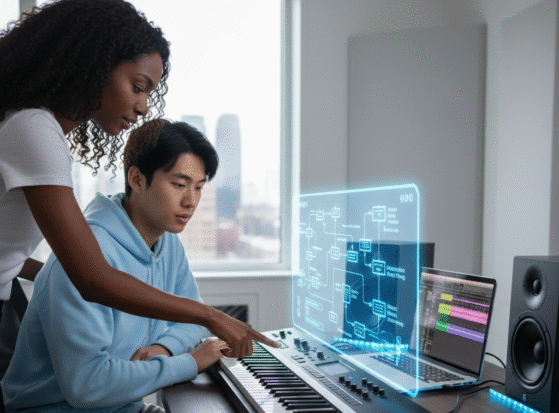
The Role of MIDI in Shaping Modern Music
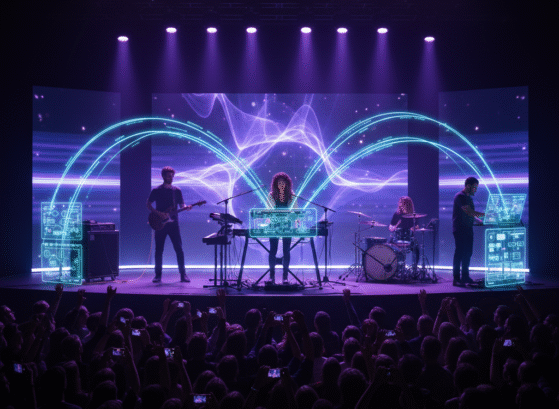
The impact of MIDI keyboards goes beyond individual tracks. Many electronic music genres exist because of MIDI’s accessibility and flexibility. Producers can adjust note lengths, velocities, and articulations with precision, creating performances that are hard to play manually. In film, games, and pop music, MIDI lets composers emulate instruments, layer sounds, and build complex arrangements entirely in the studio.
MIDI data can also be reused and rearranged endlessly. One performance can turn into multiple versions, each with a unique mood or sound. This makes MIDI keyboards invaluable for both professionals and hobbyists. They allow experimentation without limits, letting musicians explore sounds that might not exist in the real world. Ideas can be tried, tweaked, and perfected quickly, saving time and boosting creativity. Even small adjustments, like shifting a single note or changing a rhythm, can dramatically change the feel of a piece.
Enhancing Creativity with MIDI Keyboards
MIDI keyboards are more than tools; they open doors to artistic expression. Velocity and aftertouch let performers add emotion and subtle dynamics, much like an acoustic instrument. Combined with a DAW’s sound design tools, musicians can craft unique sounds, from delicate piano lines to cinematic strings or experimental electronic textures.
Their tactile design encourages improvisation and real-time control. Unlike programming notes with a mouse, playing a keyboard sparks spontaneous creativity. Accidental chords, unexpected rhythms, and subtle articulations often create the most memorable moments. MIDI keyboards connect technical precision with artistic freedom, making music creation feel natural and rewarding.
Beyond performance, MIDI keyboards also streamline production. They allow easy layering of sounds, manipulation of harmonies, and precise timing adjustments. Producers can experiment endlessly without the limits of physical instruments. Even beginners can explore complex musical ideas quickly, while professionals gain a versatile tool for advanced sound design. This combination of accessibility and depth makes MIDI keyboards central to modern music creation.
Choosing the Right MIDI Keyboard
Choosing a MIDI keyboard depends on a musician’s needs, space, and workflow. Beginners may find a compact model with basic keys and essential controls sufficient, as it is portable and affordable. Intermediate and professional users often prefer full-sized keyboards with weighted keys and more control options, offering a tactile feel similar to traditional instruments. The type of music, number of keys, key sensitivity, and extra features like pads, faders, and knobs can shape the overall experience and creativity.
A good MIDI keyboard should feel natural to play and respond accurately to your touch. Some keyboards offer customizable settings, allowing you to tailor the controls to your workflow. Integration with software and virtual instruments is another factor to consider, as it can streamline the production process. Ultimately, the choice is less about specs and more about inspiration. A comfortable, responsive keyboard becomes an extension of the musician’s ideas, letting the music take center stage and encouraging experimentation without limits.
The Future of MIDI Keyboards in Digital Music
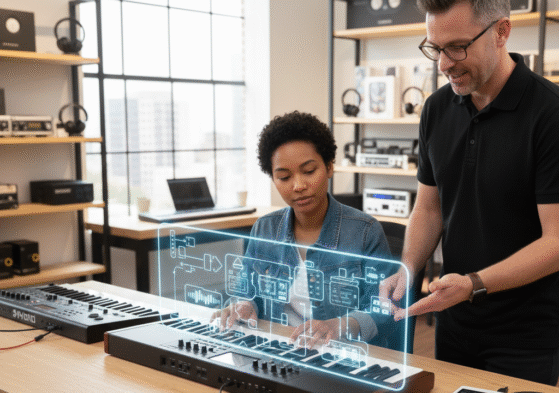
MIDI technology keeps evolving, shaping the future of music production. With features like MIDI Polyphonic Expression (MPE), musicians can control pitch, timbre, and dynamics for each note, adding unmatched expressivity. Mobile devices, cloud-based software, and AI-driven tools make creative exploration even easier. Producers can now experiment with sounds in real time, layer complex arrangements, and refine performances with precision. This level of control opens doors to new genres and sonic textures previously impossible to achieve.
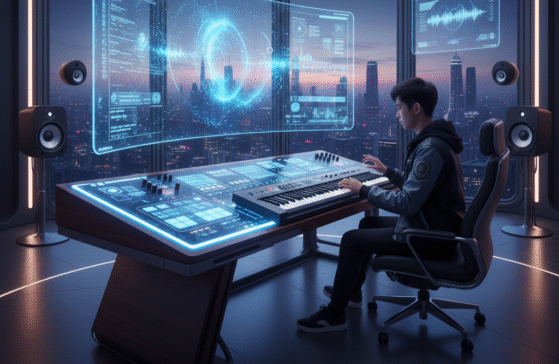
As technology becomes more intuitive, the line between performance and production blurs. MIDI keyboards sit at the center of this change, letting ideas be created, performed, and refined entirely digitally. Their accessibility and versatility make music creation possible for anyone, regardless of space, resources, or experience. Musicians can collaborate remotely, instantly sharing MIDI files across studios and continents. The result is a more connected, dynamic, and innovative music community where creativity is limited only by imagination.
Conclusion
MIDI keyboards have revolutionized digital music production by bridging traditional performance techniques with the limitless possibilities of software instruments. At The Mystic Keys, students taking Piano Lessons Online can explore this firsthand, gaining hands-on control over virtual sounds while learning to create intricate compositions and expressive performances. These keyboards allow musicians, producers, and composers to experiment freely, layer complex arrangements, and refine their music with precision.
When paired with modern DAWs, MIDI keyboards empower creators to bring their ideas to life in ways that were previously impossible. Learners at The Mystic Keys can harness this versatility to develop their unique musical voice, from classical piano pieces to contemporary electronic tracks. In an era where digital production is central to music, MIDI keyboards remain essential, offering endless opportunities for anyone ready to press the keys and let their creativity flow.
For more information and exciting resources about learning music, visit our website at The Mystic Keys. For more music content and exciting offers follow us on
Facebook, Instagram, YouTube, LinkedIn, Twitter, Pinterest, and Threads.