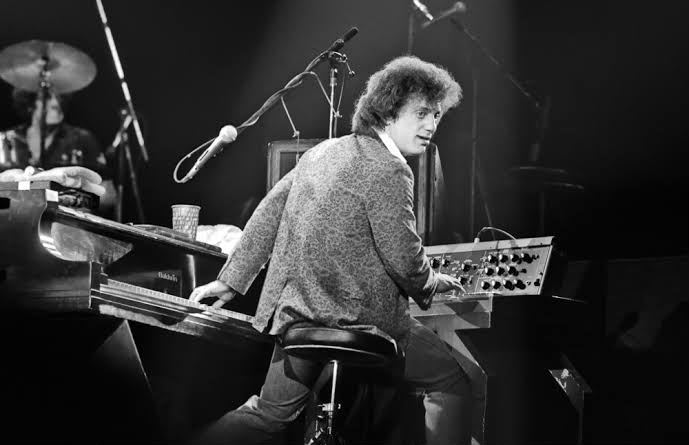
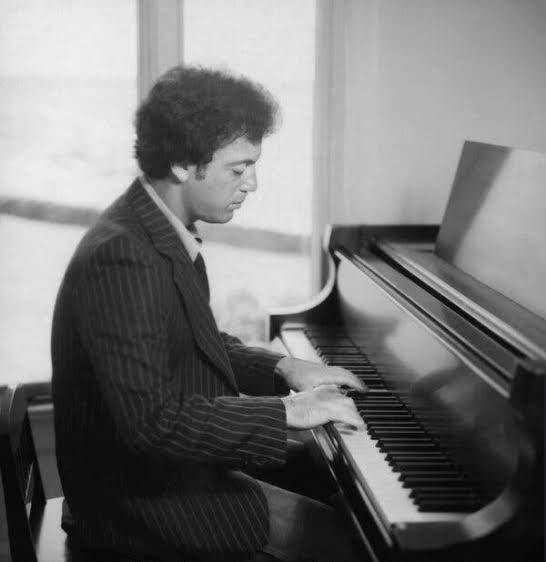
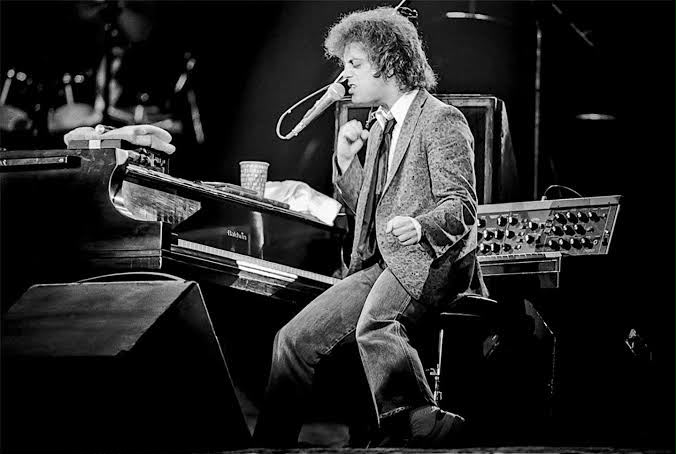
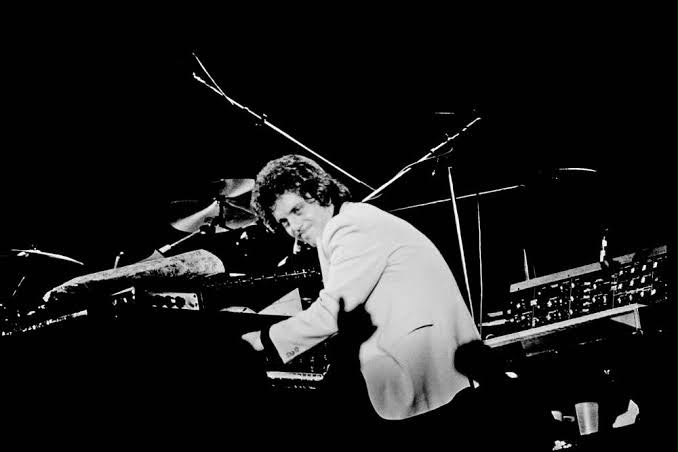
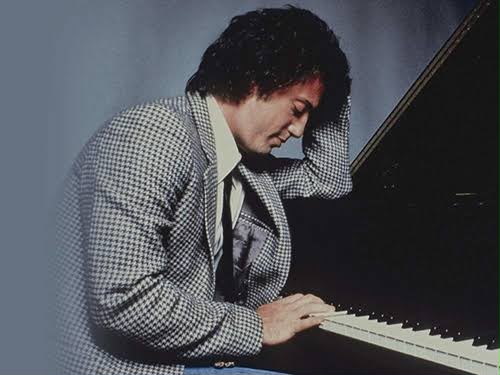
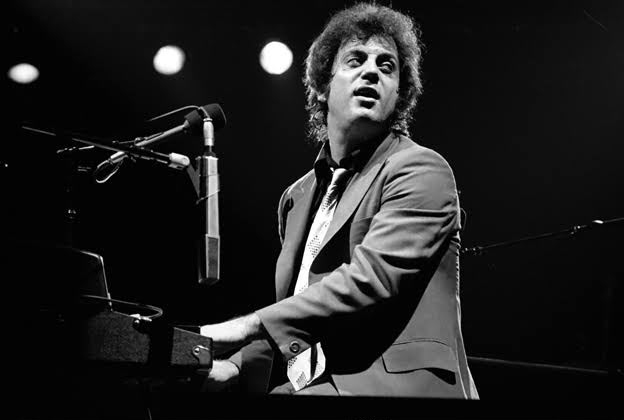
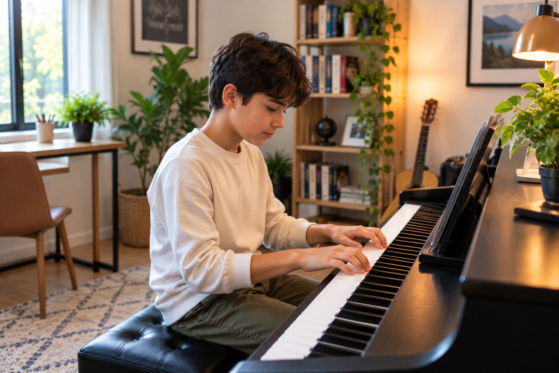
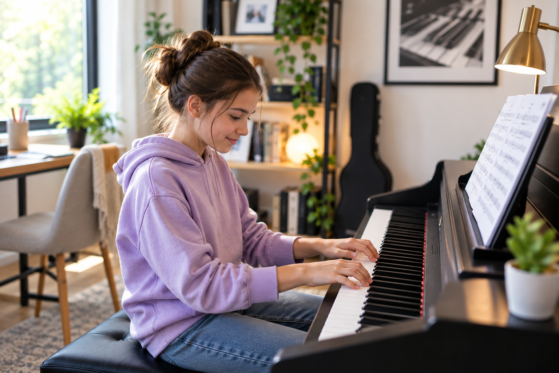
Understanding what makes Billy Joel’s piano iconic means looking beyond just technique. His style combines storytelling, rhythm, melody, and emotional connection in a way that few pianists achieve.
From rock anthems to soft ballads, his piano playing has shaped some of the most memorable songs in modern music.
What Makes Billy Joel Piano Iconic in His Style
At the core of what makes Billy Joel’s piano iconic is his ability to blend classical training with popular music styles. He doesn’t just play the piano—he uses it as a storytelling tool.
This helps students play with confidence and creativity.
👉 Explore more music courses at The Mystic Keys to start your piano journey with the right foundation.
Conclusion
Understanding what makes Billy Joel’s piano playing so iconic helps pianists focus on what truly matters—expression, rhythm, and connection. His style proves that great music is not about complexity but about impact.
👉 Play simply, feel deeply, and connect through music.
For more information and exciting resources about learning music, visit our website at The Mystic Keys. For more music content and exciting offers follow us on
Right Piano Course | How to Choose One for Your Skill Level
Learning the piano can be an incredibly rewarding experience. From playing your favourite songs to understanding music theory and eventually creating your own arrangements, the instrument offers endless possibilities for musical growth. However, with so many options available today, finding the right piano course for your skill level, goals, and learning style can feel surprisingly difficult.
A quick search can bring up beginner piano lessons, advanced performance courses, classical piano programs, online tutorials, exam-focused courses, and everything in between. While having so many options is useful, it can also leave you wondering: Which piano course is actually right for my skill level?
The answer depends on more than simply choosing a course labelled “beginner,” “intermediate,” or “advanced.” Your previous experience, musical goals, preferred learning style, practice routine, and even the type of music you want to play can all influence your decision.
Let’s explore how you can choose a piano course that matches where you are now while also helping you progress confidently toward where you want to be.
Why Choosing the Right Piano Course Matters
A good piano course should do more than teach you how to play a few songs. It should give you a structured path that gradually develops your technique, musical understanding, confidence, and independence.
For a complete beginner, starting with material that is too difficult can quickly become frustrating. On the other hand, an experienced pianist may lose interest if the lessons spend too much time covering concepts they already understand.
The right level creates a balance between challenge and achievement. You should feel that the lessons require effort, but you should also be able to see consistent progress.
That balance becomes especially important when learning online. Without the physical presence of a teacher beside you, the course structure, lesson quality, feedback, and progression system need to provide enough guidance to keep you moving forward.
Start by Understanding Your Current Piano Skill Level
Before enrolling in a course, take a realistic look at what you can already do.
If you have never played the piano before, you are most likely a beginner. You may not yet know how to read notes, identify keys, use correct finger positions, or coordinate both hands. In this situation, a foundational course is the best place to begin.
Perhaps you learned piano years ago and remember basic scales, chords, or a few songs. In that case, you may not need to start completely from scratch. A beginner-to-intermediate course or a level assessment can help identify where your current abilities fit.
Intermediate players usually have a reasonable understanding of rhythm, notation, chords, scales, and basic technique. At this stage, lessons should begin moving beyond simply playing notes correctly. Musical expression, dynamics, improvisation, more complex chord patterns, sight-reading, and repertoire selection can become increasingly important.
Advanced pianists, meanwhile, often need a more specialised approach. Their goals may involve performance, classical repertoire, composition, accompaniment, improvisation, music exams, or developing a particular playing style.
Therefore, choosing your course based on your actual abilities rather than the number of years you have played is essential.
Piano Courses for Complete Beginners
Starting piano as a beginner can feel both exciting and overwhelming. There is a lot to learn, but the early stages should not feel unnecessarily complicated.
A suitable beginner piano course should introduce the instrument gradually. You should learn how the keyboard is organised, how to sit and position your hands, how to identify notes, and how to maintain basic rhythm.
Reading music is another important foundation. Although it may initially seem intimidating, learning to read simple notation alongside practical playing can make your progress much easier in the long run.
Good beginner lessons also introduce simple melodies and songs relatively early. Being able to play something recognisable gives students a sense of accomplishment and makes practice more enjoyable.
Most importantly, beginners should look for a course that focuses on building correct habits from the beginning. Proper posture, hand position, finger technique, rhythm, and coordination are much easier to develop correctly than to fix later.
Choosing a Course as an Intermediate Pianist
Once you have moved beyond the basics, your learning needs begin to change.
At the intermediate level, simply learning where the notes are is no longer enough. You need to develop greater control, musicality, coordination, and confidence while gradually tackling more challenging pieces.
A suitable intermediate piano course may introduce advanced chord structures, scales, arpeggios, sight-reading, more complicated rhythms, and expressive playing. Depending on your interests, you might also explore improvisation, accompaniment patterns, pop piano, jazz techniques, or classical repertoire.
This is also the stage where students often benefit greatly from personalised feedback. A teacher can identify tension in your hands, inefficient fingering, timing issues, or weaknesses in technique that may not be obvious when you practise alone.
As a result, intermediate learners should consider courses that offer opportunities for regular teacher interaction rather than relying entirely on pre-recorded material.
The Right Piano Course for Advanced Piano Students
Advanced learners need a different kind of challenge. Repeating introductory exercises or learning simplified arrangements is unlikely to provide meaningful development.
Instead, advanced piano courses should allow you to refine your individual musicianship. Technical precision, interpretation, phrasing, dynamics, articulation, performance skills, and stylistic awareness become increasingly significant.
For classical pianists, the course might focus on repertoire, interpretation, sight-reading, technical exercises, and performance preparation. Someone interested in contemporary music may benefit more from lessons centred around chord voicings, improvisation, accompaniment, songwriting, or arranging.
At this stage, a personalised learning plan can make a significant difference. Rather than following exactly the same sequence as every other student, advanced learners often benefit from lessons designed around their strengths, weaknesses, and specific musical objectives.
Consider What You Actually Want to Play
Your skill level is only one part of the decision. Your musical interests matter just as much.
Someone who dreams of playing Beethoven may want a very different course from a learner whose main goal is to accompany themselves while singing. Similarly, a student interested in worship music, pop songs, jazz, film music, or songwriting may require different techniques and repertoire.
Classical piano courses generally place greater emphasis on notation, technique, interpretation, repertoire, and formal musical development. Contemporary piano lessons may focus more heavily on chords, lead sheets, accompaniment patterns, improvisation, and playing by ear.
Neither approach is automatically better. The important question is whether the course supports your personal musical goals.
When lessons connect with the music you genuinely enjoy, practising becomes less of a task and more of something you look forward to.
Look for a Structured Right Piano Course
A piano course should have a clear sense of progression.
Rather than jumping randomly from one song or exercise to another, structured lessons should gradually introduce new concepts while reinforcing what you have already learned. Each stage should prepare you for the next.
For example, a beginner might first learn simple rhythms and melodies before moving into two-hand coordination. Chords and scales can then be introduced as the student develops greater control. Eventually, those skills can be combined through more complex pieces and musical exercises.
This kind of progression prevents students from feeling lost. It also makes it easier to recognise improvement because every new skill builds upon something learned previously.
A well-designed course should therefore answer an important question: “Where will this lesson take me next?”
Teacher Guidance Can Make a Major Difference
Technology has made piano education more accessible than ever. Online lessons can connect students with teachers from different locations and make regular learning possible from the comfort of home.
However, the quality of guidance still matters.
A teacher can listen to how you play, observe your technique, correct mistakes, adjust exercises, and explain difficult concepts according to your individual learning style. Those small corrections can prevent students from developing habits that later become difficult to change.
Personalised instruction is particularly valuable when students reach intermediate and advanced levels because progress becomes less about learning basic information and more about refining technique and musical expression.
For this reason, if you are choosing between a completely self-guided course and one that provides live teacher interaction, consider how much support you are likely to need to stay motivated and progress consistently.
Think About Your Learning Style
Not everyone learns music in exactly the same way.
Some students understand concepts quickly through written notation. Others learn better by watching demonstrations and copying what they see. Certain learners prefer listening and playing by ear, while others enjoy understanding the theory behind every chord and progression.
A good piano course should accommodate different learning preferences wherever possible.
If visual learning works best for you, look for clear demonstrations. Students who enjoy interaction may benefit from live one-on-one lessons. Those who need repetition can look for courses that provide recorded lessons or supplementary materials that can be revisited between classes.
Ultimately, the best course is one that makes difficult concepts easier for you to understand.
Practice Requirements for the Right Piano Course
Even the best piano course cannot replace regular practice.
Before enrolling, consider whether the course fits realistically into your schedule. A programme that expects several hours of practice every day may not be suitable for someone with a busy work or school routine.
Short, focused practice sessions can still be highly effective when they are consistent. Spending twenty or thirty minutes concentrating on technique, rhythm, repertoire, and revision can be more productive than practising for hours without a clear purpose.
A good teacher or course should also help you understand what to practise, rather than simply telling you to practise more.
That distinction can make learning much more efficient.
Check Whether the Course Offers Feedback and Progress Tracking
One of the biggest challenges of learning independently is not always knowing whether you are improving correctly.
Progress becomes easier to measure when a course includes regular assessments, teacher feedback, performance opportunities, or clearly defined levels.
For students working toward formal music examinations, this can be particularly useful. A structured programme can help learners understand what skills they need to develop before moving to the next grade.
Even if examinations are not your goal, regular feedback can keep your learning focused. Knowing what you are doing well and where you need improvement gives each practice session a clearer purpose.
Online or In-Person | Choosing the Right Piano Course
Both online and in-person piano lessons can be effective, provided the teaching approach is strong.
In-person lessons offer the advantage of physical proximity, while online lessons provide flexibility and allow students to learn from teachers regardless of location. For many learners, online one-on-one lessons can also make it easier to fit music education around work, school, travel, and family commitments.
The key consideration is not simply the format. What matters more is the quality of instruction, consistency of lessons, personalised feedback, course structure, and the student’s willingness to practise.
A well-organised online piano course can provide a highly engaging learning experience when live instruction is combined with useful learning resources and regular practice.
Don’t Choose a Course Based Only on Price
Cost naturally plays a role when selecting a piano course, but it should not be the only factor.
A cheaper course may appear attractive initially, yet it might offer limited guidance, little feedback, or an unclear learning structure. Meanwhile, a more comprehensive programme may provide personalised instruction, additional resources, and a progression plan that offers greater value over time.
Instead of asking only, “How much does this course cost?”, consider asking, “What am I receiving for that cost?”
Teacher experience, lesson duration, individual attention, supplementary materials, flexibility, feedback, and learning support can all influence the overall value of a programme.
Signs the Right Piano Course May Not Be Right for You
Sometimes the problem is not your ability to learn piano. The course itself may simply be a poor match.
If lessons consistently feel far too easy, you may have chosen a level below your current ability. When the material is constantly overwhelming, moving to a slightly lower level can help you strengthen missing foundations.
A lack of feedback can also become a problem, particularly when you are trying to improve technique. Similarly, a course that focuses entirely on theory when your goal is to play songs may leave you feeling disconnected from your original motivation.
Perhaps the biggest warning sign is a lack of progress. If you have been following a course consistently but do not feel that you are developing new skills, it may be time to reassess the teaching method, course level, or learning structure.
How to Know You Have Chosen the Right Course
The right piano course should make you feel challenged without making you feel defeated.
You should gradually become more comfortable at the keyboard, understand more about music, and notice improvements in your technique. Songs that once seemed difficult should begin to feel manageable, while new challenges should continue to keep you engaged.
Another positive sign is growing independence. Over time, you should need less help identifying notes, understanding rhythms, practising sections, and correcting simple mistakes.
Most importantly, you should enjoy the process. Piano learning is a long-term journey, and motivation becomes much easier to maintain when the lessons connect with the kind of musician you want to become.
A Simple Way to Choose the Right Piano Course
Before making your final decision, take a moment to answer a few questions:
Where am I right now? Are you a complete beginner, returning learner, intermediate player, or advanced pianist?
What do I want to play? Think about classical music, pop, jazz, worship music, film music, accompaniment, improvisation, or your own compositions.
What do I want to achieve? Your goal could be playing for enjoyment, performing confidently, accompanying yourself, preparing for an examination, or developing professional-level skills.
How do I learn best? Consider whether you need live guidance, visual demonstrations, repetition, theory, or practical playing.
How much time can I realistically practise? Choose a course that fits your lifestyle rather than one that creates unrealistic expectations.
Once these questions are clear, comparing different courses becomes much easier.
Final Thoughts
Choosing the right piano course means finding one that matches your skill level, goals, and learning style. With consistent practice and personalised guidance, every lesson can bring you closer to becoming the pianist you want to be.
Whether you are a beginner or an experienced player, Piano Lessons Online offer a flexible way to learn. At The Mystic Keys, personalised online piano lessons help students develop their skills, explore their musical interests, and progress with confidence.
Start where you are, learn at your pace, and discover where your music can take you.
For more information and exciting resources about learning music, visit our website at The Mystic Keys. For more music content and exciting offers follow us on
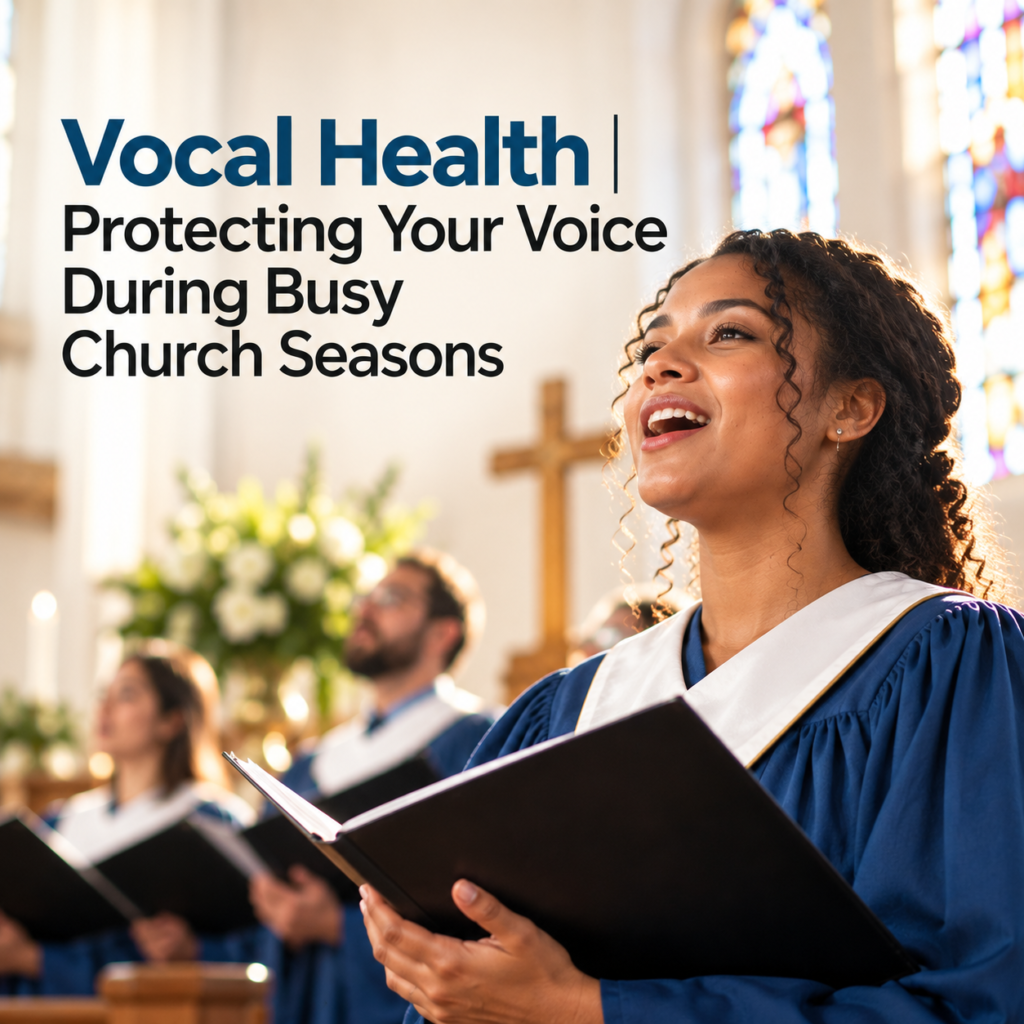
Vocal Health | Protecting Your Voice During Busy Church Seasons
Busy church seasons can be some of the most meaningful and musically demanding times of the year. Christmas, Easter, Holy Week, special worship services, concerts, choir celebrations, and seasonal programs often bring singers together for more rehearsals, additional services, and longer performances. While these occasions can be spiritually fulfilling, they can also place considerable strain on the voice, making vocal health an essential part of preparing for and getting through these demanding seasons.
For singers, worship leaders, choir members, and musicians, the voice is an instrument that cannot simply be replaced when it becomes tired. Unlike a guitar that can be restrung or a piano that can be tuned, your vocal folds need time, care, and healthy habits to function properly. That is why maintaining vocal health during busy church seasons should be part of your preparation, not something you think about only after your voice becomes hoarse.
With the right approach, you can participate fully in a demanding worship schedule while protecting your voice and maintaining vocal quality.
Understand Why Busy Seasons Can Be Hard on Your Voice
During an ordinary week, a singer may have one or two rehearsals and perhaps a worship service. Busy church seasons can change that routine dramatically. Rehearsals may become longer and more frequent, while multiple services, choir practices, solo performances, and special events can create several consecutive days of heavy vocal use.
The challenge becomes even greater when singers try to compensate for tiredness by pushing their voices harder. Singing louder than necessary, reaching for notes without adequate preparation, or continuing to sing despite discomfort can increase vocal fatigue.
Church environments can also present acoustic challenges. Large sanctuaries, outdoor gatherings, microphones, live instruments, and enthusiastic congregations may encourage singers to increase their volume. Instead of forcing the voice to compete with the surroundings, singers should rely on proper microphone technique, breath support, and efficient vocal production.
Recognizing these demands early makes it easier to prepare your voice before the busiest part of the season begins.
Begin With Consistent Hydration for Better Vocal Health
Hydration is one of the simplest and most important parts of vocal care. The vocal folds need adequate moisture to vibrate efficiently, particularly when you are singing for extended periods.
Drinking water throughout the day is more useful than consuming a large amount immediately before rehearsal. Consistent hydration gives your body time to maintain the moisture balance your voice needs. Keep water nearby during rehearsals and services so that drinking becomes a regular habit rather than an afterthought.
Temperature can also matter. Some singers find extremely cold beverages uncomfortable before singing, while others prefer room-temperature water. The important consideration is understanding what works comfortably for your own voice.
Hydration alone, however, cannot compensate for excessive singing or inadequate rest. That leads to another essential part of vocal health: giving your voice enough recovery time.
Give Your Voice Time to Rest
A busy church calendar can make vocal rest seem almost impossible. There may be choir rehearsal in the evening, a worship service the next morning, and another performance later in the day. Even when you are not formally rehearsing, talking with people, socializing, giving instructions, or speaking loudly in a crowded room can continue to use your voice.
Strategic vocal rest can therefore make a significant difference. Between rehearsals or services, allow your voice periods of reduced use. Speak naturally and comfortably when necessary, but avoid unnecessary shouting, prolonged conversations, or trying to speak over loud background noise.
Complete silence is not always necessary, but reducing unnecessary vocal activity can help your voice recover between demanding sessions. Think of vocal rest as recovery time for an athlete—it becomes especially valuable when your schedule is intense.
Once rest becomes part of your routine, the next step is preparing the voice properly before asking it to perform.
Never Skip Your Vocal Health Warm-Up
When rehearsals are rushed, warm-ups are often the first thing to be shortened or skipped. Yet singing immediately at full intensity can place unnecessary stress on the voice.
A gentle warm-up gradually prepares the vocal mechanism for singing. Begin with relaxed breathing and easy vocal exercises before moving toward your full singing range. Gentle humming, lip trills, sirens, and comfortable scales can help you transition from speaking to singing without immediately demanding high volume or difficult notes.
The purpose of a warm-up is not to exhaust the voice before rehearsal. Instead, it should leave you feeling more comfortable, flexible, and ready to sing.
Similarly, cooling down after an intense rehearsal or performance can help you transition away from heavy vocal use. Gentle, comfortable exercises followed by vocal rest can be a useful part of your routine, particularly during weeks filled with multiple services.
Sing With Healthy Technique, Not Extra Force
One of the biggest mistakes singers make during busy seasons is attempting to produce more volume by simply pushing harder. This can happen when a choir is competing with a band, when a sanctuary is large, or when a singer feels that their voice is not carrying far enough.
Good vocal technique allows the voice to project without unnecessary tension. Breath management, posture, resonance, articulation, and appropriate microphone use all contribute to a stronger and more sustainable sound.
Pay attention to physical sensations while singing. Tightness in the throat, jaw tension, excessive neck engagement, or the feeling that you have to force high notes are signs that your technique may need adjustment. Instead of increasing pressure, step back, reset your breathing, and find a more efficient way to approach the passage.
This becomes particularly important when singing repeated services. A technique that feels manageable for one performance may become exhausting when repeated several times in a short period.
Support Vocal Health by Being Smart About Rehearsal Intensity
Not every rehearsal needs to be treated like a performance. During long church-season rehearsals, singers can protect their voices by understanding when full vocal intensity is actually necessary.
For example, difficult passages can sometimes be rehearsed more softly while focusing on rhythm, lyrics, harmonies, entrances, and musical interpretation. Full-volume singing can then be reserved for sections where the director needs to hear the overall balance.
This approach is especially helpful for choir members who may spend several hours rehearsing the same material. Singing every repetition at maximum volume can create unnecessary fatigue before the actual performance arrives.
Communication with the choir director or worship leader also matters. If your voice is becoming tired, informing the person leading the rehearsal can help them make practical adjustments. Vocal health is easier to protect when everyone involved understands the importance of sustainable singing.
Pay Attention to Your Speaking Voice
Singers often focus so much on singing that they forget how much speaking they do throughout the day. During church events, conversations can continue for hours before and after services, sometimes in noisy environments where people naturally raise their voices.
Speaking loudly over music, talking across large rooms, cheering, calling out to someone, or whispering for long periods can all add to vocal demands. Whispering, despite seeming gentle, may not always be restful for a tired voice.
Try to keep your speaking voice comfortable and relaxed. Move closer to someone instead of shouting across a room, and allow your voice to remain at a natural volume whenever possible.
Protecting your speaking voice becomes particularly valuable when you have another rehearsal or service coming up shortly afterward.
Protect Your Voice From Dry and Irritating Environments
The environment around you can influence how comfortable your voice feels. Air conditioning, heating systems, dry indoor air, dust, smoke, and other irritants may contribute to throat discomfort or dryness.
Churches and event venues can vary considerably in temperature and air quality. Spending several hours in a dry environment may make singing feel more demanding, especially when combined with extended vocal use.
Keeping yourself hydrated and avoiding known irritants can help. If the air around you feels particularly dry, using an appropriate humidifying strategy at home may also provide comfort. However, avoid relying on quick fixes or products that simply mask discomfort while the underlying vocal fatigue continues.
Your voice is giving you useful information. Learning to recognize those signals can prevent a minor problem from becoming a bigger one.
Protect Your Vocal Health by Listening to Signs of Hoarseness
A little tiredness after a long performance may not seem serious, but persistent hoarseness, pain, reduced range, frequent throat clearing, or difficulty producing normal notes should not be ignored.
Many singers make the mistake of continuing to sing because an important service is approaching. Unfortunately, pushing through vocal problems can potentially worsen irritation and prolong recovery.
If your voice repeatedly becomes hoarse after singing or you experience pain or persistent changes in your voice, consider seeking advice from a qualified medical professional, such as an ENT specialist or a speech-language pathologist with expertise in voice. Early attention is often much better than waiting until the problem significantly affects your ability to sing.
Listening to your voice does not mean being overly cautious. It means understanding that vocal health is part of being a responsible and sustainable singer.
Prioritize Sleep and Overall Recovery
Vocal health is closely connected to your overall physical condition. During major church seasons, late rehearsals, early services, travel, event preparation, and busy personal schedules can make proper sleep difficult.
Yet fatigue can affect breathing, concentration, coordination, and vocal control. When you are physically exhausted, maintaining efficient singing technique can become harder, and you may unconsciously compensate by using more muscular effort.
Whenever possible, prioritize adequate sleep between demanding vocal commitments. Give your body time to recover after particularly long rehearsals or performances, and avoid filling every available break with additional activities.
Rest is not lost productivity. It is preparation for the next performance.
Protect Your Vocal Health From Last-Minute Vocal Habits
When an important performance is approaching, singers sometimes experiment with unfamiliar remedies, excessive throat lozenges, or other quick solutions in the hope of making the voice sound better immediately.
A better approach is to rely on habits that have already proven comfortable and effective for you. Avoid introducing major changes to your vocal routine immediately before an important service or performance.
It is also worth remembering that feeling temporarily better does not necessarily mean the voice has fully recovered. If something simply masks discomfort, continuing to sing heavily may still place stress on an already tired voice.
Preparation several days and weeks in advance is much safer and more effective than searching for a last-minute solution.
Plan Your Singing Schedule Wisely
During especially busy seasons, singers may find themselves participating in almost every rehearsal, service, and special program. While enthusiasm is wonderful, your voice may not always benefit from saying yes to everything.
If you have control over your schedule, consider how demanding each commitment will be. A solo performance, choir rehearsal, worship service, and extended practice session all place different levels of demand on your voice.
Spacing out particularly intensive singing commitments can provide valuable recovery time. When scheduling cannot be changed, adjusting your vocal intensity during less important portions of rehearsals may help conserve energy for the moments that matter most.
A sustainable singing schedule allows you to remain present throughout the season instead of reaching the final performance with an exhausted voice.
Make Vocal Health Part of Your Church-Season Preparation
Vocal health should not begin on the morning of Christmas service or immediately before an Easter performance. Ideally, preparation starts well before the busiest period arrives.
Build healthy habits into your normal routine: stay hydrated, practice efficiently, warm up consistently, manage your speaking voice, get sufficient rest, and pay attention to changes in your vocal quality. When these habits become part of your everyday routine, managing a demanding church season becomes much easier.
The goal is not to avoid singing when your schedule becomes busy. Instead, it is to create a healthy balance between musical commitment and vocal recovery.
Let Your Voice Support Your Vocal Health and the Music
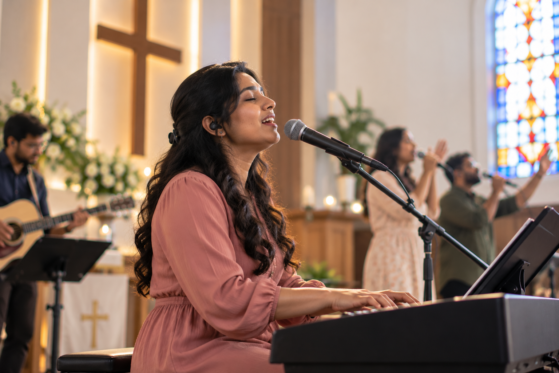
Church music brings emotion, meaning, and connection. Whether you are leading worship, singing in a choir, or performing a solo, your voice plays an important role in that experience.
With proper vocal care and healthy technique, you can sing with confidence without unnecessary strain. At The Mystic Keys, our Worship Piano & Singing Lessons Online help aspiring worship musicians develop vocal technique, piano skills, musical expression, and performance confidence.
Take care of your voice, strengthen your skills, and keep sharing the gift of music and worship.
For more information and exciting resources about learning music, visit our website at The Mystic Keys. For more music content and exciting offers follow us on