

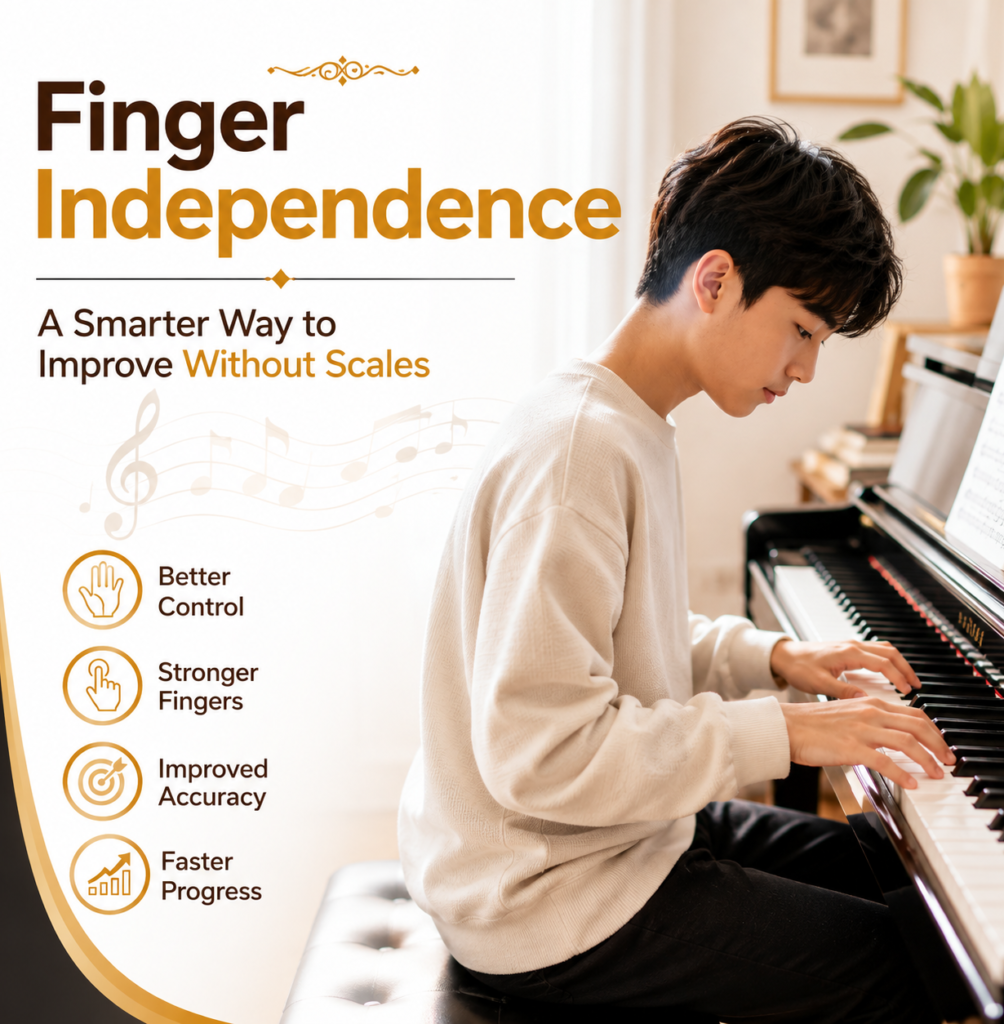
Finger Independence Skills | Way to Improve Without Scales
Finger Independence Skills | Way to Improve Without Scales
If you’ve ever sat down at the piano only to spend the first fifteen minutes playing scales, you’re not alone. Scales have long been considered the foundation of piano technique, and for good reason. They improve finger strength, build familiarity with keys, and develop coordination between both hands. However, developing Finger Independence Skills requires more than simply running through scales, as each finger must learn to move with precision and control on its own.
However, here’s something many students don’t realize—playing scales alone does not automatically create finger independence.
In fact, you can play scales every day and still struggle when one finger refuses to cooperate during a piece. Perhaps your fourth finger feels weak, your left hand keeps copying the right, or your fingers lift together instead of moving individually. These are all signs that the issue isn’t your knowledge of scales but the level of independence each finger has developed.
Fortunately, there is a smarter way to improve your playing. Rather than spending all your practice time repeating scales, you can focus on exercises and techniques that train each finger to work confidently on its own. As a result, your music becomes cleaner, faster, and far more expressive.
What Are Finger Independence Skills?
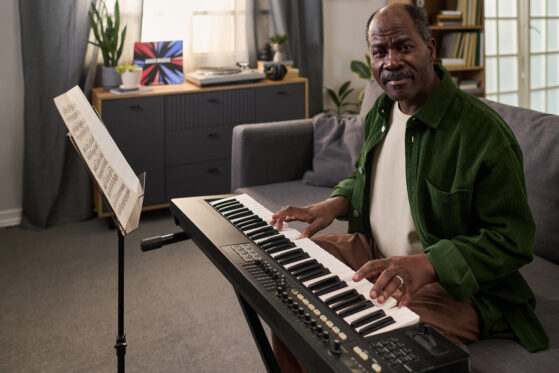
Finger independence refers to the ability to move one finger without unnecessary movement from the others. Although this sounds simple, it is actually one of the most challenging skills for pianists to master.
Our fingers are naturally connected through tendons and muscles. Consequently, some fingers—especially the third, fourth, and fifth—tend to move together. This is why beginners often notice that lifting one finger causes another to rise as well.
Developing finger independence teaches your brain to control each finger individually. Instead of relying on force, you learn precision. Rather than fighting against your hands, you train them to respond naturally and efficiently.
Over time, this control becomes the foundation for smooth technique, better articulation, and greater confidence while performing.

Why Finger Independence Skills Need More Than Scales
Scales certainly deserve a place in your practice routine. They help develop rhythm, improve hand positioning, and increase familiarity with different key signatures.
Even so, scales follow predictable patterns.
Once your hands become accustomed to these repeated movements, they often rely on muscle memory instead of active finger control. While this is useful for learning scales themselves, it does not always prepare your fingers for the unpredictable patterns found in real music.
Think about a challenging piece by Bach, Mozart, or Chopin. The notes rarely move in a straight ascending or descending order. Instead, your fingers must handle leaps, repeated notes, awkward intervals, trills, and unusual combinations.
Therefore, if your practice consists only of scales, your fingers may never learn to solve these more demanding technical challenges.

The Difference Between Finger Strength and Finger Control
Many students believe they need stronger fingers. In reality, what they often need is better control.
Strength helps you press a key. Control determines how accurately, evenly, and effortlessly you play it.
Imagine trying to write neatly with a heavy marker. Applying more pressure won’t improve your handwriting. Instead, careful control produces cleaner results.
The same principle applies to piano playing.
Instead of forcing your fingers to work harder, your goal should be teaching them to move independently with minimal tension. As this control develops, speed, accuracy, and endurance naturally improve as well.
How Finger Independence Skills Improve Your Playing
The benefits of finger independence extend far beyond technical exercises.
For starters, difficult passages become easier because each finger knows exactly what it needs to do. Fast sections begin to feel more controlled rather than rushed. At the same time, repeated notes become smoother, ornaments become clearer, and uneven rhythms gradually disappear.
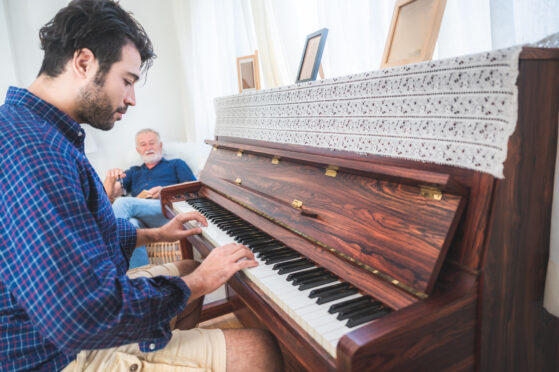
Additionally, finger independence allows both hands to perform different musical ideas simultaneously. One hand can maintain a steady accompaniment while the other shapes a beautiful melody without either hand interfering with the other.
Perhaps most importantly, improved independence reduces unnecessary tension. Instead of stiff movements and tired hands, you’ll experience greater freedom and comfort during longer practice sessions.

Practice Slow to Build Better Finger Independence Skills
One of the biggest mistakes pianists make is trying to develop independence through speed.
Unfortunately, moving faster often hides technical problems rather than fixing them.
Slow practice gives your brain enough time to monitor every finger movement. You begin noticing whether unnecessary fingers are lifting, whether your wrist remains relaxed, and whether every note sounds even.
Although this approach requires patience, it produces much better long-term results.
Once your movements become consistent and relaxed at a slow tempo, increasing the speed becomes much easier and far more reliable.

Isolating Fingers Creates Better Coordination
An effective way to improve finger independence is by asking one finger to work while the others remain relaxed and close to the keys.
Initially, this may feel surprisingly difficult. Nevertheless, the challenge is exactly what helps your brain build new movement patterns.
Over time, these isolated movements improve coordination throughout the entire hand. Consequently, difficult passages that once felt awkward begin to feel natural.
Eventually, your fingers stop reacting as a group and start functioning as individual musicians working together.

Play Musical Patterns Instead of Endless Drills
Technical exercises don’t have to feel repetitive or boring.
Rather than playing the same scale repeatedly, try practicing short musical patterns with different rhythms, dynamics, and articulations. This keeps your mind engaged while still developing finger control.
Changing the rhythm forces your fingers to adapt instead of relying on habit. Likewise, varying dynamics teaches you to maintain independence whether you’re playing softly or loudly.
Because these patterns resemble real music, the skills transfer much more naturally into the pieces you’re learning.

Keep Every Finger Close to the Keys
Large finger movements may look dramatic, but they often slow you down.
Professional pianists generally keep their fingers close to the keyboard. This minimizes unnecessary motion and allows each finger to respond quickly.
Whenever a finger rises much higher than needed, it has a longer distance to travel before pressing the next key. As a result, timing becomes less accurate and tension increases.
By practicing controlled, economical movements, you’ll discover that faster playing often requires less effort—not more.

Relaxation Is Essential for Strong Finger Independence Skills
Many students focus only on moving their fingers correctly while forgetting about relaxation.
Unfortunately, tense hands cannot develop true independence.
As you practice, pay attention to your wrists, forearms, shoulders, and even your breathing. If any area feels tight, pause briefly and release the tension before continuing.
Relaxation allows your fingers to move freely instead of fighting against stiff muscles. Consequently, practice becomes more productive and significantly less tiring.
Consistency Beats Long Practice Sessions
Improving finger independence is not about spending hours repeating exercises.
Instead, it comes from consistent, focused practice.
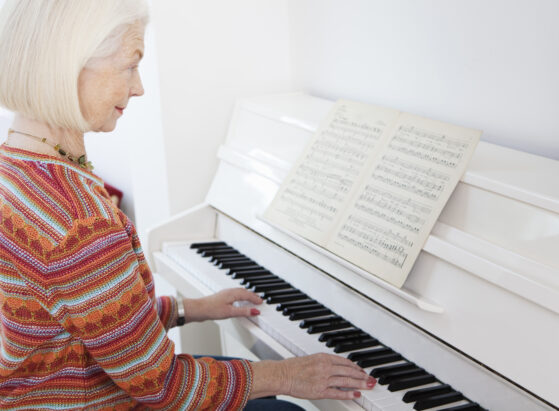
Even ten to fifteen minutes of mindful technical work each day can produce noticeable improvements over several weeks. Since the brain learns through repetition, regular short sessions are generally far more effective than occasional marathon practices.
Gradually, the movements become automatic, allowing you to focus more on musical expression than technical limitations.

Bringing Finger Independence Into Your Repertoire
Technical exercises are only valuable if they improve your actual playing.
Whenever you encounter a difficult section in a piece, resist the temptation to play the entire passage repeatedly. Instead, identify which fingers are causing the problem and practice those movements separately.
Afterward, return to the full phrase and notice how much easier it feels.
Eventually, you’ll realize that every challenging passage is an opportunity to strengthen finger independence in a musical context rather than through isolated drills alone.

Final Thoughts on Finger Independence Skills
Scales will always remain an important part of piano education, but they shouldn’t be your only technical practice. True progress comes from developing fingers that can move independently, confidently, and without unnecessary tension.
By slowing down, focusing on control instead of force, and practicing purposeful finger movements, you’ll build a technique that supports every piece you play. In time, difficult passages become less intimidating, your hands feel more relaxed, and your overall musicianship continues to grow.
Remember, becoming a better pianist isn’t about practicing more exercises—it’s about practicing the right skills. Finger independence is one of those skills that quietly transforms everything else, making it one of the smartest investments you can make in your piano journey.
If you’re looking to strengthen your technique with expert guidance, The Mystic Keys offers personalized Piano Lessons Online designed to help students build strong fundamentals while developing confidence and musical expression. With the right instruction and consistent practice, you’ll not only improve your finger independence but also become a more skilled and expressive pianist.
For more information and exciting resources about learning music, visit our website at The Mystic Keys. For more music content and exciting offers follow us on
Facebook, Instagram, YouTube, LinkedIn, Twitter, Pinterest, and Threads.