

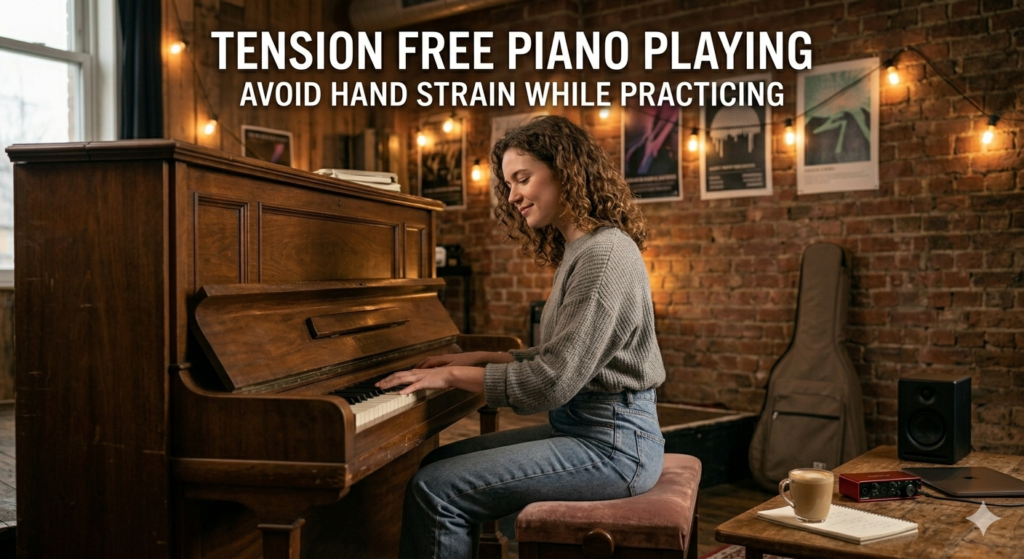
Tension Free Piano Playing | Avoid Hand Strain While Practicing
Tension Free Piano Playing | Avoid Hand Strain While Practicing
Learning the piano is one of the most joyful musical journeys anyone can begin. The experience of turning simple notes into expressive melodies brings deep satisfaction and confidence to learners of all ages. However, achieving Tension Free Piano Playing can sometimes feel challenging, as many students—both beginners and advancing players—experience stiffness, fatigue, or even discomfort in their hands during practice. When such strain continues over time, it can affect motivation, reduce enjoyment, and slow down musical progress. Developing relaxed playing habits early helps students stay comfortable, consistent, and expressive throughout their learning journey.
Fortunately, tension-free piano playing is not something reserved only for professionals. With mindful habits, correct posture, and a thoughtful practice routine, anyone can develop a relaxed technique that supports both musical expression and physical comfort. Understanding how the body works with the instrument is the first step toward preventing strain and enjoying longer, more productive practice sessions.
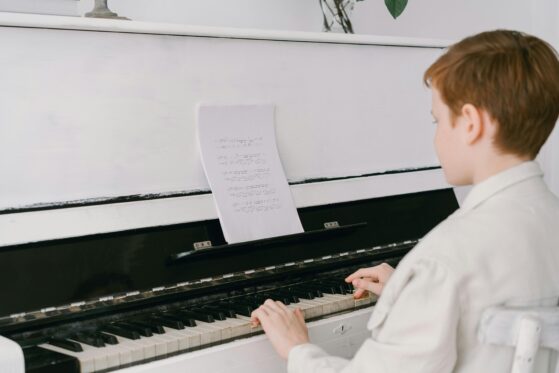
Why Tension Develops During Piano Practice
Hand strain rarely appears suddenly. Instead, it builds gradually when the body compensates for inefficient movement or incorrect positioning. Many students assume that playing faster or louder requires tightening the fingers or pressing harder on the keys. In reality, excess effort often creates the opposite effect by limiting control and flexibility.
Another common cause of tension is practicing for long periods without breaks. When muscles remain engaged continuously, fatigue develops quickly. The wrists begin to stiffen, shoulders lift unconsciously, and fingers lose their natural curved shape. As these patterns repeat day after day, discomfort becomes more noticeable.
Sometimes tension also develops because learners focus entirely on the notes and forget to observe how their hands feel. Musical accuracy is important, but physical awareness plays an equally vital role in building a healthy technique. Once students begin noticing their movements consciously, improvement often happens surprisingly fast.
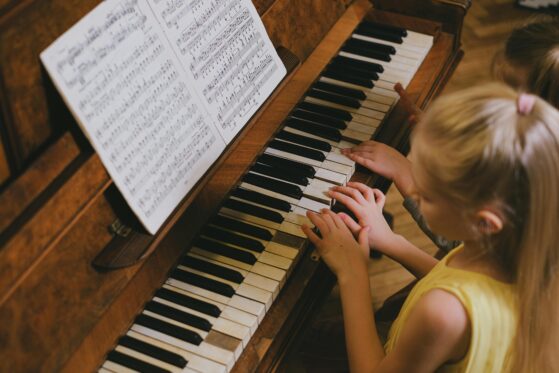
Correct Sitting Position for Tension Free Piano Playing
Comfort at the piano begins even before the first note is played. A balanced sitting position allows the arms and fingers to move freely without unnecessary pressure on the joints. When posture supports movement naturally, the hands can respond more efficiently to musical demands.
Ideally, the bench height should allow the forearms to remain roughly parallel to the keyboard. Shoulders should stay relaxed rather than lifted, and the back should feel upright yet comfortable. Sitting too close to the keyboard often restricts arm movement, while sitting too far away forces the player to stretch forward.
Maintaining this balanced alignment helps distribute effort across the entire arm instead of concentrating stress only in the fingers. As a result, playing becomes smoother and less tiring even during longer practice sessions.
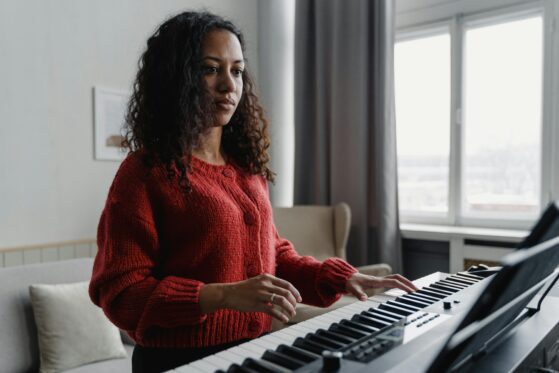
Flexible Wrists in Tension Free Piano Playing
Flexible wrists act as natural shock absorbers while playing the piano. When they remain relaxed and responsive, they help transfer movement efficiently between the arms and fingers. On the other hand, locked wrists often create stiffness that spreads quickly through the hands.
A gentle floating motion of the wrist supports smoother transitions between notes and chords. This movement does not need to be exaggerated. Subtle adjustments are enough to maintain comfort and control. Over time, these small changes greatly reduce the risk of strain.
Students sometimes worry that moving the wrists too much will affect accuracy. In practice, controlled flexibility improves precision because it allows the fingers to approach the keys from a more natural angle.
Using Arm Weight Instead of Finger Pressure
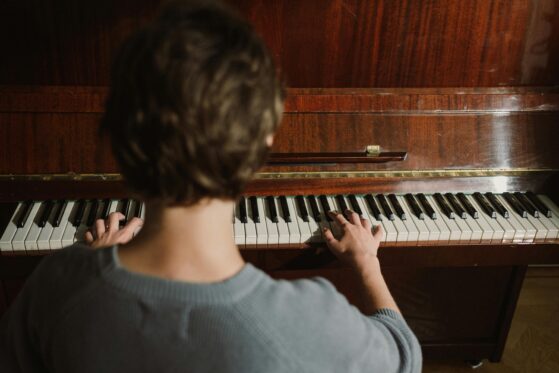
Many beginners believe piano playing depends mainly on finger strength. While finger independence is important, effective playing actually involves coordinated support from the entire arm. Allowing natural arm weight to assist the fingers reduces unnecessary effort and produces a richer tone.
Rather than pushing the keys forcefully, it helps to think of transferring energy smoothly from the shoulders through the arms and into the fingertips. This approach creates a more balanced sound while protecting the smaller muscles of the hand from overwork.
As students begin experimenting with arm support, they often notice that passages feel lighter and easier to control. Musical phrasing also becomes more expressive because the body participates naturally in shaping each line.
Slow Practice for Tension Free Piano Playing
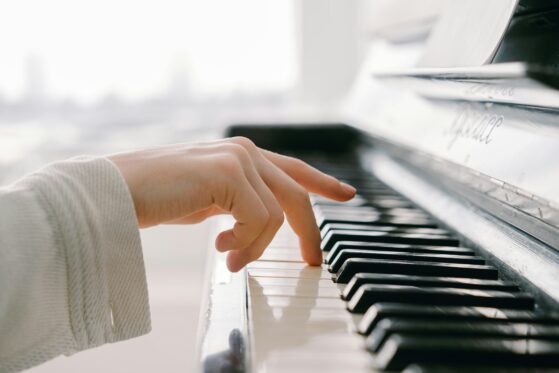
Speed often tempts learners to tense their muscles without realizing it. When passages are practiced too quickly before they feel comfortable, the body reacts by tightening in order to keep up. Over time, this habit becomes difficult to correct.
Slow practice allows movements to remain controlled and relaxed. Each note can be played with attention to tone quality, finger shape, and wrist flexibility. Gradually increasing the tempo ensures that comfort remains consistent as difficulty grows.
Consistency matters more than speed during early stages of learning. A relaxed slow practice routine builds a strong technical foundation that supports confident playing later on.
Taking Breaks That Refresh the Hands
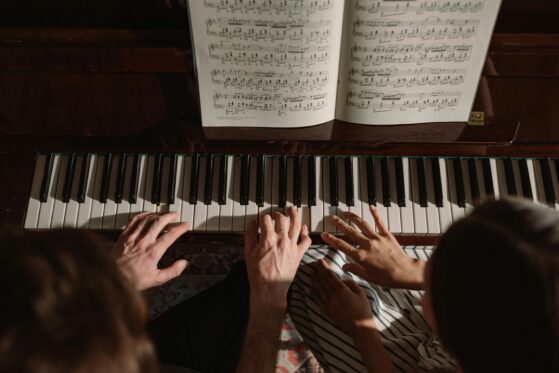
Continuous practice without pauses may appear productive, yet it often leads to fatigue. Short breaks help muscles recover and improve concentration at the same time. Even a brief moment away from the keyboard allows tension to release naturally.
Stretching the fingers gently or simply resting the hands in a relaxed position can make a noticeable difference. Many experienced musicians follow structured practice intervals because they understand how important recovery time is for long-term progress.
Returning to the instrument after a short pause often brings renewed clarity and better control. As a result, practice becomes more effective rather than shorter.

Body Awareness in Tension Free Piano Playing
Awareness plays a powerful role in preventing strain. When the hands begin to feel tired or stiff, that signal should never be ignored. Adjusting posture, slowing down the tempo, or pausing briefly can prevent discomfort from becoming a habit.
Students sometimes continue practicing through tension because they want to finish a piece quickly. However, learning to respond to physical feedback actually improves learning speed in the long run. Relaxed muscles respond faster and remember movements more accurately.
Developing this awareness gradually turns practice into a more enjoyable and sustainable experience.
Building Healthy Practice Habits for Long-Term Comfort
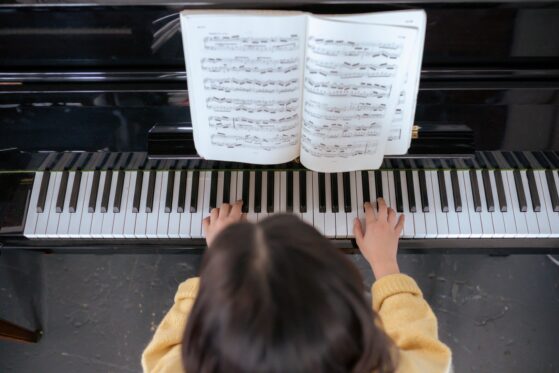
Tension-free piano playing develops step by step through consistent habits rather than sudden changes. Balanced posture, flexible wrists, controlled arm movement, and mindful practice routines work together to protect the hands from unnecessary strain. As these elements become natural, playing begins to feel smoother and more expressive.
Most importantly, comfort at the piano supports creativity. When the hands move freely, attention shifts away from physical effort and toward musical expression. Practice sessions become more satisfying, progress feels more noticeable, and confidence grows naturally with each piece learned.
At The Mystic Keys, students are guided carefully through these essential techniques during Piano Lessons Online, ensuring they build strong foundations without developing unhealthy playing habits. With structured support from experienced instructors, learners gradually develop relaxation, control, and musical confidence together.
A relaxed technique is not only safer for the body. It also opens the door to deeper musical enjoyment that lasts for years, making the learning journey both comfortable and truly inspiring
For more information and exciting resources about learning music, visit our website at The Mystic Keys. For more music content and exciting offers follow us on
Facebook, Instagram, YouTube, LinkedIn, Twitter, Pinterest, and Threads.