


Microphone Tips for Worship Vocalists
Microphone Tips for Worship Vocalists
In worship music, the role of a vocalist goes far beyond singing notes correctly—it is about delivering a message with clarity, emotion, and spiritual depth. Every word carries meaning, and every phrase contributes to the atmosphere of worship. Understanding essential Microphone Tips for Worship Vocalists is crucial because no matter how skilled or expressive a singer may be, the congregation ultimately hears the voice through a sound system, and that is where microphone technique becomes critically important.
A lack of proper mic control can result in distorted sound, unclear lyrics, or inconsistent volume, all of which can distract from the worship experience. On the other hand, when a vocalist understands how to use a microphone effectively, their voice becomes more controlled, balanced, and impactful. At The Mystic Keys, we emphasise that mastering microphone technique is just as important as vocal training itself, because it bridges the gap between what you sing and what people actually hear.
1. Understanding Microphone Types, Pickup Patterns, and Frequency Response
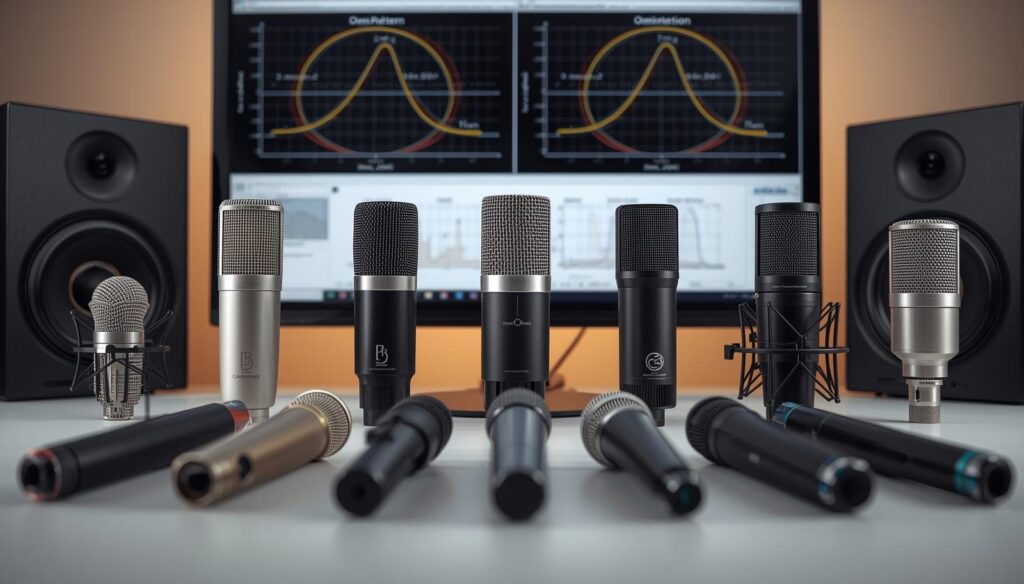
To truly master microphone technique, worship vocalists must first develop a clear understanding of how microphones function and respond to sound. Learning essential microphone tips for worship vocalists begins with recognising the differences between microphone types and how they behave in live settings. In most church environments, dynamic microphones are the preferred choice because of their durability and ability to handle high sound pressure levels without distortion. These microphones are less sensitive compared to condenser microphones, which means they naturally reject background noise such as instruments, stage movement, or ambient sound from the congregation. This makes them ideal for live worship settings, but it also means that the vocalist must sing with consistent projection and maintain proper positioning to achieve a full and clear sound. Condenser microphones, in contrast, are highly sensitive and capable of capturing detailed nuances in a singer’s voice, including subtle tonal variations and breath textures, making them more suitable for studio recordings or controlled acoustic environments.
Another essential concept is the microphone’s pickup pattern, most commonly cardioid in worship settings, which captures sound primarily from the front while minimizing input from the sides and rear. This directional behavior requires the vocalist to stay aligned with the microphone’s axis to maintain consistent volume and tone. Additionally, understanding frequency response helps vocalists recognise how microphones emphasise certain tonal ranges—some may enhance warmth in the lower frequencies, while others highlight clarity in the higher frequencies. By applying these Microphone Tips for Worship Vocalists, singers can adapt their technique to suit the microphone, resulting in a more balanced, controlled, and professional sound.
2. Mastering Mic Distance, Proximity Effect, and Dynamic Expression
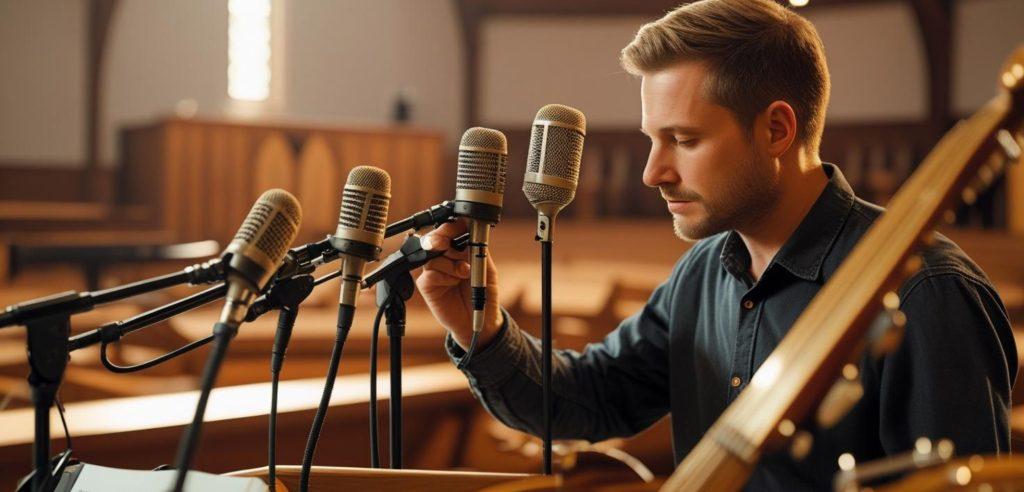
One of the most powerful yet subtle aspects of microphone technique is controlling the distance between your mouth and the microphone, as this directly affects tone, volume, and clarity. While a general guideline suggests maintaining a distance of approximately two to four inches, professional vocalists understand that this distance is not fixed—it should change dynamically based on the intensity and emotion of the performance. When singing soft, intimate passages, moving slightly closer to the microphone enhances warmth and presence due to the proximity effect, a phenomenon where low frequencies are amplified as the sound source gets closer to the mic. This creates a richer and more personal sound that is especially effective during reflective worship moments.
However, staying too close for extended periods can lead to a muddy or overly bass-heavy tone, reducing clarity. For louder sections, such as powerful choruses or high notes, pulling the microphone slightly away helps prevent distortion and maintains a clean, balanced sound. This technique allows vocalists to control their dynamics naturally, reducing the need for excessive compression or volume adjustments from the sound system. In a worship setting where songs often transition between soft verses and energetic choruses, mastering mic distance enables vocalists to maintain consistency while still expressing the full emotional range of the music.
3. Microphone Tips for Worship Vocalists | Managing Plosives, Sibilance, and Breath Control for Clear Communication

Clear communication is at the heart of worship leading, as the lyrics often carry spiritual meaning and emotional significance. However, microphones can exaggerate certain unwanted vocal sounds, such as plosives, sibilance, and breathing noise, which can distract listeners and reduce the overall quality of the performance. Plosives occur when consonants like “P” and “B” release bursts of air that hit the microphone diaphragm, producing unpleasant popping sounds. Sibilance refers to overly sharp “S” or “Sh” sounds that can become harsh and piercing through amplified systems. Additionally, uncontrolled breathing into the microphone can interrupt the flow of a song and draw unnecessary attention.
To address these challenges, vocalists should adopt an off-axis technique by slightly angling the microphone away from the direct path of airflow, which significantly reduces the impact of plosives without compromising vocal clarity. Developing proper diction and mouth control can help manage sibilance, ensuring that consonants remain clear but not overpowering. Breath control is equally important—learning to take quiet, controlled breaths and slightly turning away from the microphone when inhaling can prevent unwanted noise from being amplified. These refinements may seem small, but they play a major role in achieving a polished and professional vocal sound that allows the message of the song to be heard clearly.
4. Proper Microphone Tips for Worship Vocalists | Handling, Body Posture, and Stage Awareness

The way a microphone is handled can significantly influence the quality and consistency of a vocalist’s sound, yet it is often overlooked. One of the most common mistakes is cupping the microphone grille, which interferes with its pickup pattern and can cause feedback, distortion, and a loss of clarity. Instead, the microphone should be held firmly but comfortably by the handle, allowing it to function as designed. Keeping the microphone steady is equally important, as excessive movement can lead to fluctuations in volume and tone, making it difficult for both the sound engineer and the congregation to maintain a consistent listening experience.
Beyond handling, body posture plays a vital role in effective microphone use. Standing upright with relaxed shoulders supports proper breathing and vocal projection, enabling better control over tone and dynamics. Stage awareness is also crucial—vocalists should be mindful of speaker placement and avoid pointing the microphone toward monitors or speakers, as this can create feedback loops. In a worship environment, where the goal is to lead rather than perform, maintaining a calm and focused presence enhances both the visual and auditory experience, allowing the congregation to engage more deeply without distraction.
5. Soundcheck Strategy, Monitoring, and Collaboration with the Sound Team
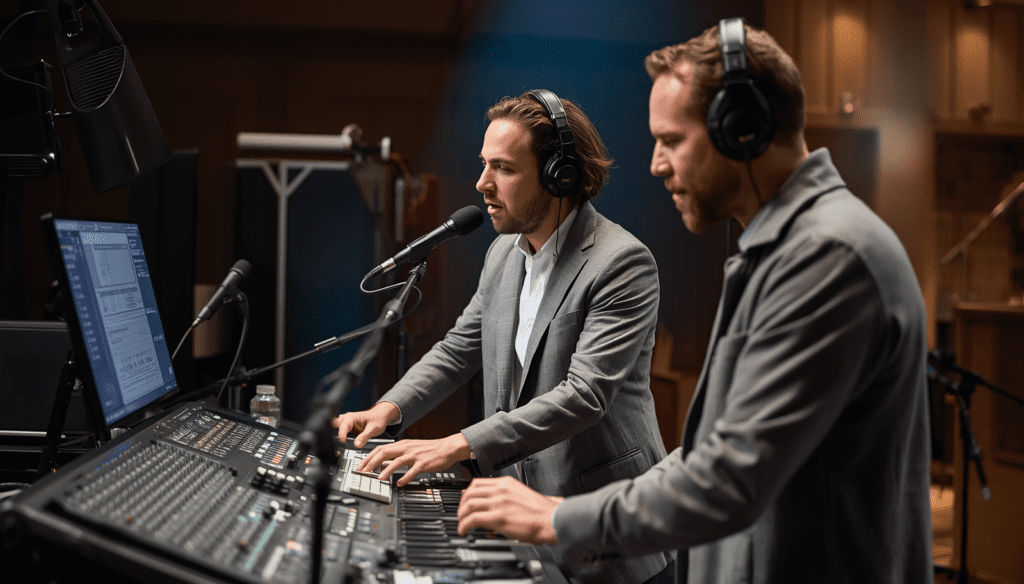
A powerful and balanced worship sound begins with an effective soundcheck, where vocalists and sound engineers work together to create the ideal mix. Many singers underestimate the importance of this stage, either by not singing at full intensity or by failing to communicate their needs clearly. During soundcheck, it is essential to sing as you would during the actual service, including both soft and powerful sections, so that the sound team can accurately adjust levels, equalisation, and effects. This ensures that your voice remains consistent and well-balanced throughout the performance.
Monitoring is another critical aspect, especially for vocalists using in-ear monitors. A well-balanced monitor mix allows you to hear your voice clearly without straining or overcompensating, which helps maintain pitch accuracy and vocal health. If something feels off—such as excessive reverb, low volume, or lack of clarity—it is important to communicate this to the sound engineer. Building a strong working relationship with the sound team fosters trust and collaboration, ultimately leading to a smoother and more effective worship experience. When vocalists and engineers work together with a shared goal, the result is a sound that supports both the music and the message.
6. Consistent Practice and Developing Professional Mic Technique

Consistency in practice is what transforms knowledge into skill, and this is especially true when it comes to microphone technique. Many worship vocalists practice without a microphone, which creates a gap between rehearsal and live performance. Incorporating a microphone into regular practice sessions allows singers to understand how their voice interacts with amplification, revealing nuances that may not be noticeable otherwise. Recording practice sessions and listening back critically can help identify areas for improvement, such as inconsistent volume, unclear diction, or poor mic control.
Over time, experimenting with different distances, angles, and vocal dynamics helps develop an intuitive understanding of microphone use. This familiarity allows vocalists to make subtle adjustments automatically during live performances, ensuring a consistent and polished sound. Ultimately, the microphone should be treated as an extension of the voice rather than a separate tool. When this level of integration is achieved, vocalists can focus entirely on expression and connection, confident that their technique will support their performance.
Final Thoughts | How to Achieve Excellence with Microphone Tips for Worship Vocalists
Microphone technique is not about complexity or technical perfection—it is about enabling clarity, consistency, and effective communication. When used correctly, a microphone enhances the natural qualities of a vocalist’s voice, allowing the message of the music to be delivered with precision and impact. For worship vocalists, this means creating an environment where the congregation can fully engage without distraction, focusing on the song’s meaning and emotion.
At The Mystic Keys, we believe that true excellence in worship comes from a balance of skill, preparation, and heartfelt expression. By investing time in mastering microphone technique and practising consistently, vocalists can elevate not only their own performance but also the overall worship experience they help lead.
For more information and exciting resources about learning music, visit our website at The Mystic Keys. For more music content and exciting offers follow us on
Facebook, Instagram, YouTube, LinkedIn, Twitter, Pinterest, and Threads.