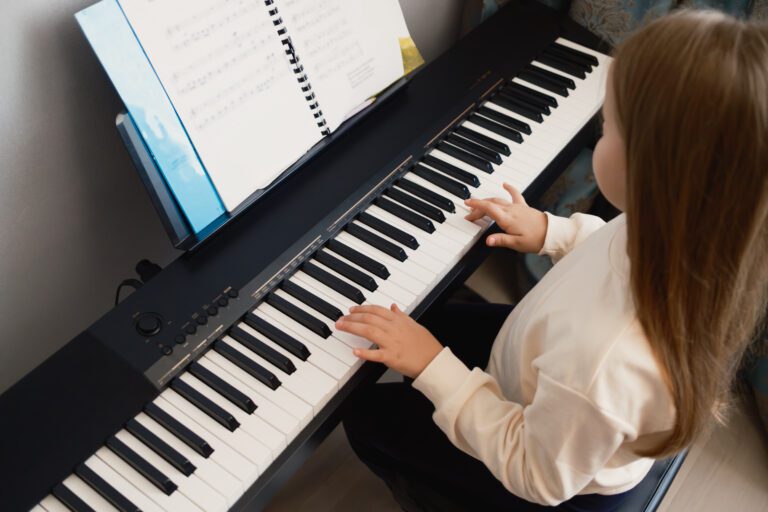
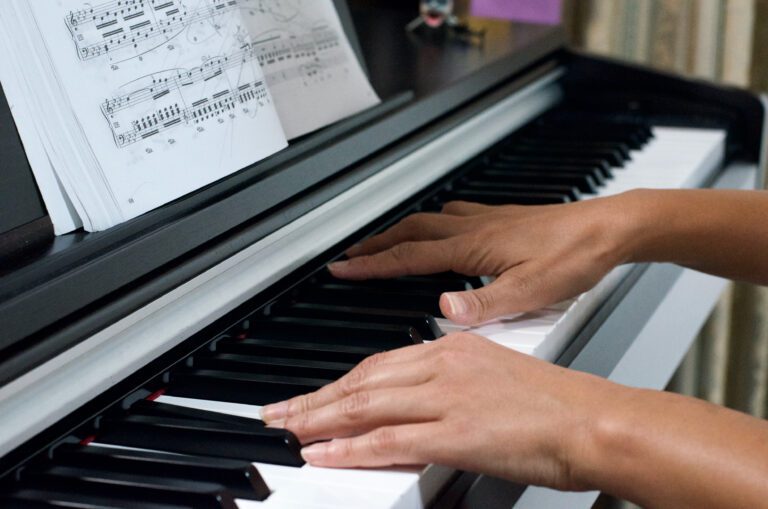
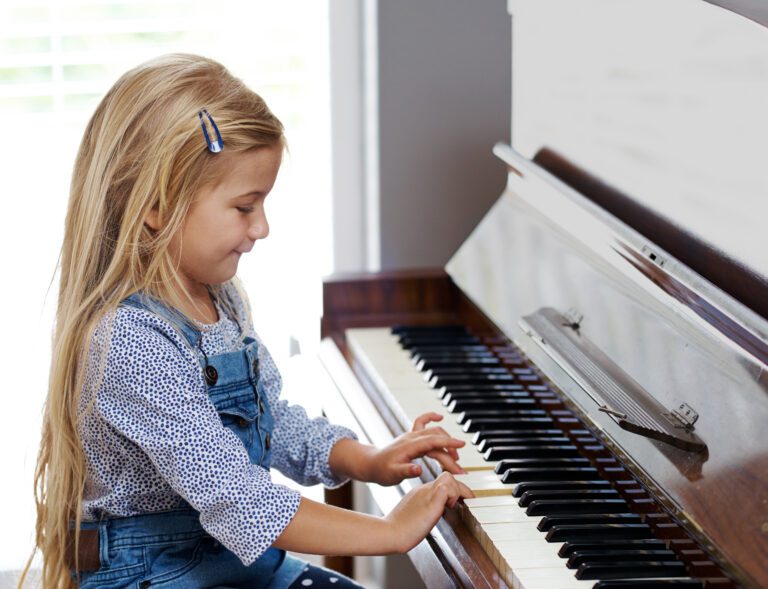
Piano learning goals are essential for anyone who wants to make steady progress while learning the piano. Without clear and realistic goals, many students feel stuck, lose motivation, or struggle to track their improvement. Setting the right piano learning goals helps you stay focused, build confidence, and achieve measurable success over time.
Why Setting Piano Learning Goals Is Important
Goals give direction to your practice sessions. Without a clear plan, practice can become repetitive and unfocused.
When you set achievable goals, you can:
Stay motivated during practice
Measure your progress clearly
Improve specific skills more efficiently
Build confidence as you reach milestones
Goal setting helps you turn practice time into meaningful improvement.
Start with Clear and Simple Goals
One of the most common mistakes beginners make is setting goals that are too broad. For example, saying “I want to become good at piano” does not provide a clear path forward.
Instead, try setting specific goals such as:
Learn a new scale this week
Practice a difficult section of a song daily
Improve hand coordination in a particular exercise
Clear goals make your practice more structured and effective.
Break Long-Term Goals into Smaller Steps
Large goals can feel overwhelming if you try to achieve them all at once.
For example, instead of setting a goal like:
“Learn a complex piano piece.”
Break it into smaller steps such as:
Learn the first section
Practice the right hand
Practice the left hand
Combine both hands slowly
Breaking goals into smaller steps makes progress more manageable and less stressful.
Set Short-Term and Long-Term Goals
Successful piano students usually balance short-term goals with long-term goals.
Short-Term Goals
These are goals you can achieve within a few days or weeks.
Examples include:
Mastering a scale
Practicing a rhythm pattern
Learning a few measures of a song
Long-Term Goals
These goals may take months or even years to accomplish.
Measurable goals allow you to track your progress more clearly.
Be Flexible with Your Progress
Learning piano takes time, and progress may not always happen at the same speed.
Some pieces may take longer to master, while others may feel easier. If a goal becomes too challenging, it is perfectly acceptable to adjust your timeline.
Flexibility helps you stay motivated instead of feeling discouraged.
Celebrate Small Achievements
Every milestone in piano learning is worth celebrating.
Completing a difficult passage, improving your rhythm, or mastering a new scale are all signs of progress.
Recognizing these small achievements keeps your motivation high and makes learning more enjoyable.
How Piano Teachers Help Set Effective Goals
Working with a piano teacher can greatly improve how you set and achieve your learning goals. Teachers help students identify realistic milestones based on their skill level and provide structured guidance during practice.
A teacher can also adjust goals when necessary, ensuring that students progress steadily without becoming overwhelmed.
Final Thoughts
Setting realistic piano learning goals is one of the most effective ways to stay motivated and make steady progress. By creating clear, achievable goals and breaking larger objectives into smaller steps, you can make your practice sessions more focused and productive.
With patience, consistent practice, and well-planned goals, learning piano becomes a rewarding journey filled with continuous improvement and musical enjoyment.
About The Mystic Keys
The Mystic Keys is an online music academy dedicated to helping students develop strong musical foundations through personalized instruction. The academy offers one-on-one online lessons for Piano Lessons Online, guitar,vocals,drums,Hindustani music, and more. instruments.
Students receive guidance from experienced teachers along with recorded lessons and customized practice plans. This structured approach helps learners build technique, confidence, and musical understanding.
The academy also prepares students for internationally recognized music certifications such as Trinity College London, helping students achieve important milestones in their musical journey.
For more information and exciting resources about learning music, visit our website at The Mystic Keys. For more music content and exciting offers follow us on
How Recording Your Practice Can Improve Your Playing
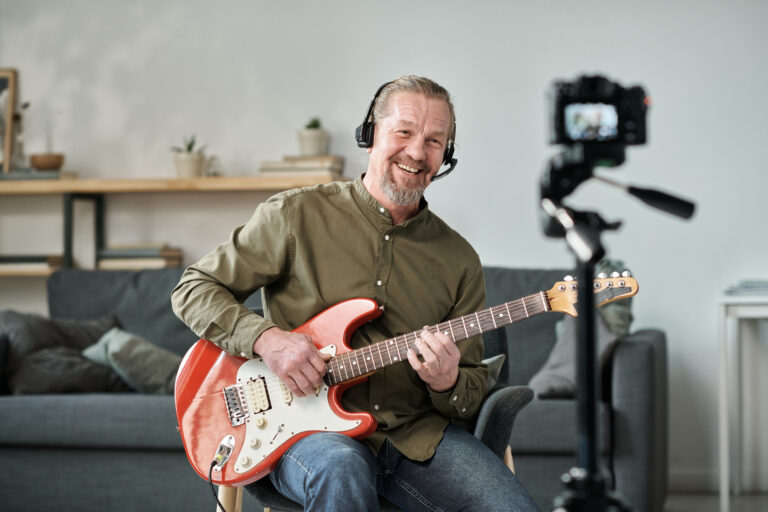
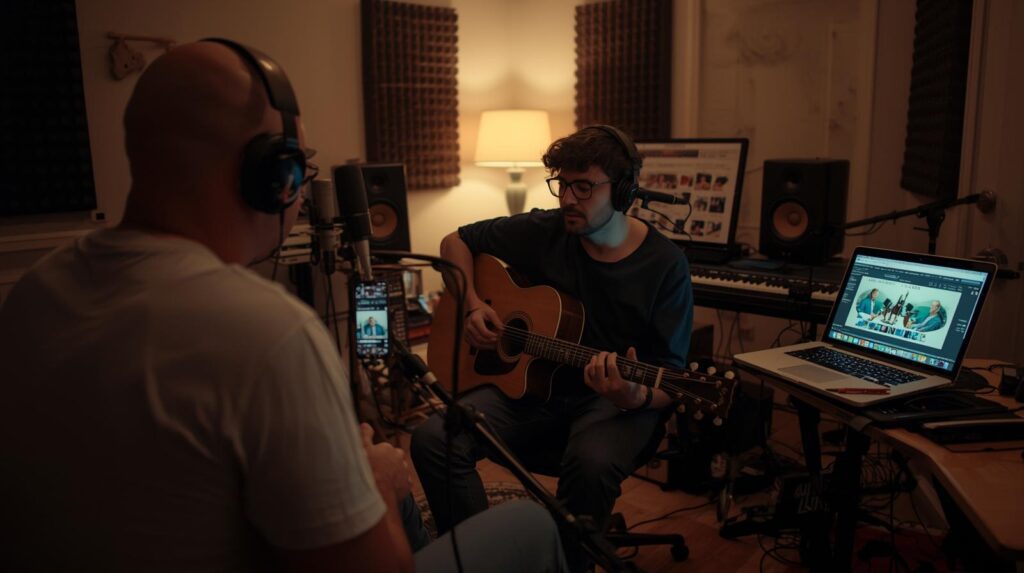
Many musicians spend hours practicing their instruments, but progress can sometimes feel slow. One powerful yet often overlooked method for improvement is recording your practice sessions.
When you record yourself while playing, you gain a completely different perspective on your performance. Listening back allows you to notice mistakes, refine your technique, and track your musical progress over time.
Whether you are a beginner or an advanced musician, recording your practice can significantly improve your playing and help you develop greater musical awareness.
Why Recording Your Practice Is Helpful
1. You Hear Your Playing Objectively
When you are playing an instrument, your focus is often on reading music, maintaining rhythm, and controlling technique. Because of this, it can be difficult to notice small mistakes while performing.
Recording your practice allows you to listen as if you were the audience. This helps you identify:
Incorrect notes
Timing issues
Uneven dynamics
Inconsistent rhythm
Hearing these details clearly makes it easier to correct them in your next practice session.
2. Helps Identify Technical Mistakes
Small technical problems can easily go unnoticed during practice. Recording yourself can reveal issues such as:
Uneven finger movement
Inconsistent tempo
Poor articulation
Unclear phrasing
By identifying these problems early, you can focus your practice more effectively and improve your technique faster.
3. Improves Musical Expression
Good musicians do more than play the correct notes—they also communicate emotion through music.
Listening to recordings helps you evaluate musical elements such as:
Dynamics (soft and loud sections)
Phrasing
Tone quality
Musical expression
This feedback helps you refine your performance and make your playing more expressive.
4. Tracks Your Progress Over Time
One of the most motivating aspects of recording your practice is being able to hear your progress.
If you record your playing regularly, you can compare:
Over time, you will notice improvements in technique, rhythm, and musical confidence.
5. Builds Performance Confidence
Recording yourself is also a great way to prepare for performances.
Playing while recording simulates the feeling of performing in front of an audience. This helps you become more comfortable and confident when it is time to perform for others.
The more you practice performing through recordings, the less nervous you may feel during real performances.
How to Record Your Practice Sessions
Recording your practice does not require expensive equipment. Many musicians simply use:
A smartphone
A tablet
A laptop microphone
Place the recording device where it can clearly capture your instrument. Then play as you normally would during practice.
After recording, listen carefully and take notes about areas that need improvement.
Tips for Effective Practice Recordings
To get the most benefit from recording your practice sessions, consider these helpful tips.
Record Short Sections
Instead of recording long practice sessions, focus on smaller sections of music. This makes it easier to identify specific areas that need improvement.
Listen Carefully
After recording, listen with full attention. Try to evaluate your playing as if you were listening to another musician.
Take Notes
Write down the areas where improvement is needed. This helps guide your next practice session.
Record Again After Practicing
After working on difficult sections, record the piece again. Comparing recordings helps you clearly hear your improvement.
How Teachers Use Recordings to Help Students
Music teachers often use recordings to help students develop better awareness of their playing.
By listening together, teachers and students can discuss:
This feedback helps students learn faster and build stronger musical habits.
Final Thoughts
Recording your practice is one of the simplest and most effective ways to improve your playing. By listening to your performances objectively, you can identify mistakes, refine your technique, and develop stronger musical expression.
Over time, regular recordings help you track progress, build confidence, and become a more thoughtful and skilled musician.
With consistent practice and self-evaluation, recording your practice sessions can become one of the most valuable tools in your musical journey.
About The Mystic Keys
The Mystic Keys is an online music academy dedicated to helping students develop strong musical foundations through personalized instruction. The academy offers one-on-one online lessons for Piano Lessons Online, guitar,vocals,drums,Hindustani music, and more. instruments.
Students receive guidance from experienced teachers along with recorded lessons and customized practice plans. This approach helps learners improve technique, musical understanding, and performance confidence.
The academy also prepares students for internationally recognized music certifications such as Trinity College London, helping students achieve important milestones in their musical journey.
For more information and exciting resources about learning music, visit our website at The Mystic Keys. For more music content and exciting offers follow us on
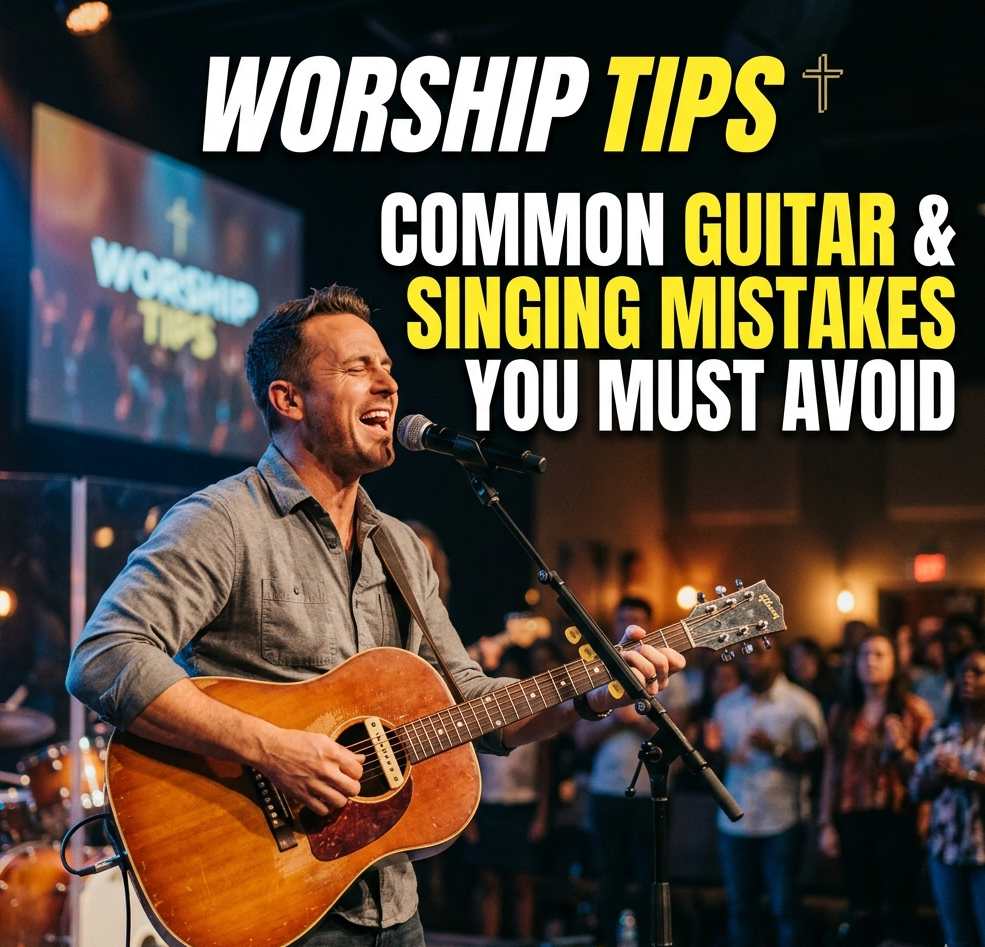
Worship Tips | Common Guitar & Singing Mistakes You Must Avoid
Worship music holds a unique space—it is not just about sound, but about spirit, connection, and intention. Whether you’re leading a congregation, playing in a small group, or simply worshipping alone, your guitar and voice become vessels of expression. In this journey, Worship Tips are not just technical suggestions but gentle reminders that help you stay aligned with both purpose and presence. Yet, even with the best intentions, certain habits can quietly limit the depth and impact of your worship.
Growth in this space doesn’t demand perfection. What it truly requires is awareness, reflection, and a willingness to refine both your skill and your mindset. When you begin to notice the subtle mistakes that often go unchecked, your worship naturally becomes more meaningful, immersive, and authentic.
Let’s explore these areas in a deeper, more thoughtful way.
Worship Tips | Staying Connected to the Heart Behind the Music
One of the most common yet least recognized mistakes is gradually disconnecting from the purpose of worship. As musicians improve technically, their focus often shifts toward accuracy—perfect chords, precise strumming patterns, and controlled vocals. While these elements are important, they can sometimes overshadow the very reason the music exists.
When the heart is absent, even the most flawless performance can feel empty. Listeners may hear the music, but they won’t feel moved by it. Worship, at its core, is not about showcasing ability; it is about expressing something genuine and deeply personal.
Before you begin playing, pause for a moment. Reflect on the meaning of the song. Let the lyrics resonate within you instead of treating them as lines to memorize. This simple shift transforms the way you approach every note.
Over time, you’ll notice that when your focus returns to the heart, your music carries a sincerity that no technical skill alone can achieve.
Worship Tips | Avoiding Overplaying on the Guitar
Guitarists often fall into the habit of doing too much. The instinct to fill every gap with sound can come from a desire to keep the music “interesting,” but it frequently leads to the opposite effect. Instead of enhancing the worship atmosphere, excessive strumming or constant chord changes can overwhelm it.
Music, especially in worship, thrives on balance. Silence and space are not weaknesses; they are powerful tools. When you allow a chord to ring out, it creates room for reflection. When you pause intentionally, it invites others to engage more deeply.
Restraint requires confidence. Choosing not to play at certain moments can feel uncomfortable at first, but it often results in a richer, more focused sound.
As you grow, you’ll begin to understand that simplicity is not a lack of creativity—it is a refined expression of it.
Worship Tips | Embracing Dynamics and Emotional Flow
A worship song is rarely meant to stay at a single emotional level. However, many musicians unintentionally maintain the same intensity throughout, which can make the experience feel flat. Without variation, even a powerful song may lose its ability to fully engage listeners.
Dynamics bring life to music. They create contrast, build anticipation, and guide the emotional journey of the listener. A soft start can draw people in, while a gradual build can elevate the atmosphere. Moments of stillness, followed by a rise in energy, help create a sense of movement and purpose.
Pay attention to how the song is structured. Notice where it calls for gentleness and where it invites strength. Let your playing and singing reflect those shifts naturally.
When you begin to embrace dynamics, your worship transforms from a sequence of sounds into a meaningful experience.
Singing Without Proper Breath Control
The voice is a delicate instrument, yet it is often pushed beyond its natural limits. Many singers struggle with pitch instability, vocal strain, or inconsistent tone, and the root cause is frequently poor breath control.
Breathing is not just a physical act—it is the foundation of vocal stability. Without proper support, notes can feel forced, and longer phrases become difficult to sustain. Over time, this can lead to fatigue and even damage to your voice.
Instead of pushing your voice, focus on supporting it. Practice steady, controlled breathing. Allow your diaphragm to do the work rather than relying solely on your throat. This approach not only improves your tone but also gives you greater confidence while singing.
With consistent attention, your voice will feel more relaxed, and your delivery will become smoother and more expressive.
Overdoing Vocal Runs and Improvisation
Personal expression is a beautiful part of music, but it can sometimes be overused. Frequent vocal runs, excessive improvisation, or dramatic variations may draw attention to the singer rather than the message of the song.
In a worship setting, clarity often matters more than complexity. The goal is not to impress but to connect. When the lyrics are delivered simply and sincerely, they become easier for others to follow and engage with.
That doesn’t mean you should avoid creativity altogether. Instead, use it thoughtfully. Let any embellishment serve the song rather than dominate it.
A well-placed variation can enhance a moment, but simplicity often carries the deepest emotional weight.
Not Listening to the Team
Worship music is a shared experience. Even when individual parts are strong, a lack of coordination can create a sense of disconnection. This usually happens when musicians focus only on their own playing without truly listening to others.
Listening is just as important as playing. It helps you stay in sync with the rhythm, match the energy of the group, and create a cohesive sound. When each member is aware of the whole, the music feels unified rather than fragmented.
Developing this awareness takes practice. It requires you to step out of your own space and become part of something larger.
As this connection strengthens, the music begins to flow more naturally, creating a more immersive worship environment.
Worship Tips | Balancing Practice with Spontaneity
Spontaneity is often seen as a hallmark of authentic worship. While there is truth in that, it can sometimes be misunderstood. Relying solely on the moment without adequate preparation can lead to avoidable mistakes and uncertainty.
Preparation provides a foundation. When you are familiar with the chords, lyrics, and structure of a song, you gain the freedom to adapt and respond naturally. Without that foundation, spontaneity can feel more like guesswork than inspiration.
Consistent practice builds both confidence and flexibility. It allows you to focus less on what to play and more on how to express it.
True spontaneity is not the absence of preparation—it is the ability to move freely because you are well-prepared.
Focusing Too Much on Performance
The line between worship and performance can be subtle. As musicians, it’s natural to want to sound good and be appreciated. However, when the focus shifts toward impressing others, the essence of worship begins to fade.
Performance seeks approval, while worship seeks connection. The difference lies in intention. When your attention is on how you are perceived, it can create pressure and distraction. When your focus is on the purpose behind the music, everything feels more grounded and genuine.
This shift may not always be visible, but it is deeply felt. People connect more with authenticity than with perfection.
By letting go of the need to impress, you create space for something far more meaningful.
Worship Tips | Caring for Your Voice and Instrument
Consistency in worship requires care—not just in practice, but in maintenance. A neglected guitar or an overworked voice can affect your ability to perform at your best.
Simple habits make a big difference. Keeping your guitar tuned, changing strings regularly, and ensuring proper setup can improve your sound significantly. Similarly, warming up your voice before singing helps prevent strain and enhances vocal quality.
Taking care of your tools reflects your commitment to the craft. It ensures that you can serve consistently without unnecessary setbacks.
Over time, these small efforts contribute to a more reliable and confident performance.
Rushing Through Songs
Tempo plays a crucial role in shaping the worship experience. Yet, many musicians unintentionally speed up, especially during familiar or energetic songs. This can disrupt the flow and make it harder for others to stay connected.
A steady pace allows the music to breathe. It gives listeners time to absorb the lyrics and engage emotionally. Rushing, on the other hand, can make the experience feel hurried and less meaningful.
Being mindful of tempo requires awareness and discipline. Using a metronome during practice can help develop a stronger sense of timing. During live worship, staying attentive to the rhythm ensures that the song maintains its intended feel.
When the pace is right, the music naturally becomes more immersive.
Closing Thoughts
Worship music is a journey of continuous growth, and at platforms like The Mystic Keys, especially through Guitar Lessons Online, this journey is nurtured with the right blend of technique and expression. Mistakes are not setbacks; they are opportunities to learn and refine your approach. Each adjustment you make—whether in technique, mindset, or awareness—adds depth to your expression.
Stay patient with yourself as you grow, just as you would be guided in a structured learning space. Focus on the intention behind every chord and every lyric. As your understanding deepens, your worship will become more than just music—it will become a genuine reflection of your heart.
In the end, it’s not about playing perfectly or singing flawlessly. It’s about creating a space where music connects, uplifts, and speaks in ways words alone cannot—and with the right guidance, that space becomes even more powerful.
For more information and exciting resources about learning music, visit our website at The Mystic Keys. For more music content and exciting offers follow us on
Many guitarists—especially beginners—believe that speed defines skill. When it comes to guitar timing vs speed, most players focus too much on playing fast instead of developing proper rhythm and control.
They spend hours trying to play fast solos, thinking it will make them sound more professional. But when they play, something still feels off.
The truth is simple:
Speed without timing is noise. Timing with control is music.
If your rhythm is not solid, even the fastest playing will sound unpolished. But if your timing is strong, even simple playing can sound powerful and professional.
What Is Timing in Guitar Playing? (And Why It Matters)
Timing is your ability to place every note exactly where it belongs in the beat.
Think of timing as the foundation of music. Just like a building cannot stand without a strong base, your guitar playing cannot sound good without solid timing.
Guitar Timing vs Speed | Understanding the Real Difference
Speed
How fast you can play notes
Often used in solos and technical passages
Impressive, but not always musical
Timing
When you play the notes
Determines rhythm, groove, and feel
Essential in every style of music
A slow guitarist with great timing sounds better than a fast guitarist with poor timing.
Why Timing Matters More Than Speed
1. Timing Creates Groove and Feel
Groove is what makes people tap their feet or nod their heads.
Even a simple chord progression becomes powerful when played with good timing.
Without timing:
Music feels disconnected
There is no emotional impact
Timing is what makes music feel alive.
2. Clean Playing Comes From Good Timing
Fast playing often hides mistakes.
But poor timing exposes them:
Notes overlap incorrectly
Rhythm becomes uneven
Phrases sound rushed or delayed
Strong timing gives clarity and control to your playing.
3. Timing Builds Musical Confidence
When your timing is solid:
You play more confidently
You stay consistent
You recover easily from mistakes
Confidence in music comes from control, not speed.
4. You Can’t Play With Others Without Timing
In any musical setting—band, church, or recording:
Everyone follows the same tempo
Timing keeps everything tight
If your timing is weak:
You will drift off beat
The performance will sound uncoordinated
Timing makes you a reliable musician.
5. Professional Guitarists Focus on Timing First
Great players are not just fast—they are precise.
They:
Practice slowly
Use metronomes
Focus on rhythm before speedThat’s why their playing sounds clean and effortless.
10 minutes – Metronome exercises 10 minutes – Slow practice of songs 10 minutes – Playing along with tracks 5 minutes – Recording and reviewing
Just 30–35 minutes daily can transform your timing.
Timing First, Speed Later |The Golden Rule
Always follow:
Timing → Accuracy → Speed
In the long run, mastering guitar timing vs speed in the right order will give you better results and cleaner playing.
Being a great guitarist is not about how fast you can play.
It’s about:
Control
Consistency
Musical feel
When you understand guitar timing vs speed, you realize that timing is the skill that connects everything.
Improve your timing, and your playing will automatically sound more professional, confident, and musical.
If you want to build these skills the right way, Guitar Lessons Online with The Mystic Keys can help you develop strong timing, rhythm, and musical confidence step by step.
Intersted in learning music with us? Register now
For more information and exciting resources about learning music, visit our website at The Mystic Keys. For more music content and exciting offers follow us on
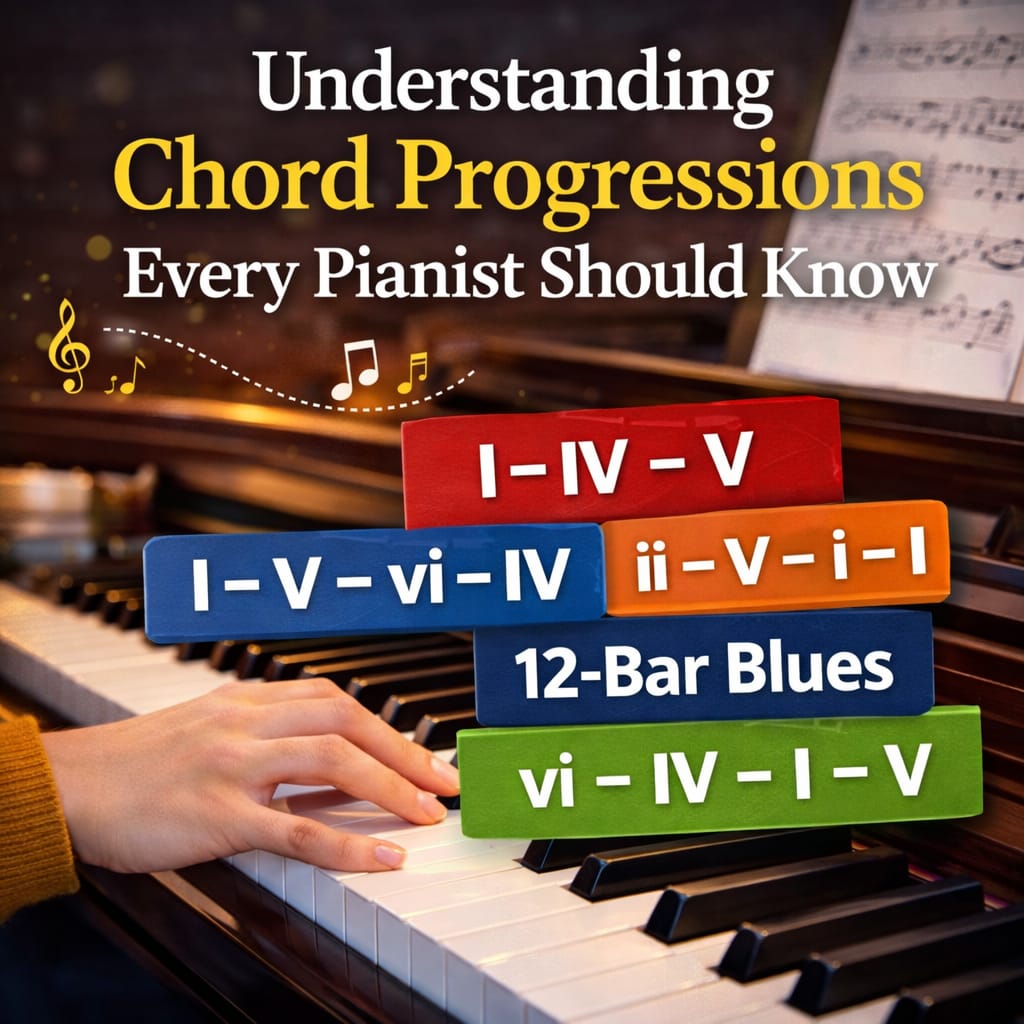
Understanding Chord Progressions Every Pianist Should Know
Chord progressions for pianists are one of the most important concepts to understand when learning piano. A chord progression is a sequence of chords played in a particular order, creating harmony and structure in music. When pianists learn common chord progressions, they can recognize patterns in songs, play accompaniment more easily, and develop stronger musical skills.
Understanding chord progressions for pianists also helps musicians improvise, compose music, and interpret songs with greater confidence. Many popular songs share similar chord patterns, which means that learning just a few essential progressions can open the door to playing hundreds of pieces.
What Is a Chord Progression?
A chord progression is a sequence of chords played one after another in a piece of music. These chords create the harmonic framework that supports the melody.
For example, a simple progression in the key of C major might include:
C – F – G – C
Each chord creates tension and resolution, giving the music direction and emotional impact.
Learning these patterns helps pianists understand how music is structured.
Why Chord Progressions Are Important for Pianists
Understanding chord progressions offers many benefits for piano players.
1. Makes Learning Songs Easier
Many songs use similar chord patterns. Once you recognize these patterns, learning new songs becomes much faster.
2. Improves Musical Understanding
Chord progressions help you understand how harmony works in music. This knowledge makes it easier to analyze songs and play them confidently.
3. Helps with Improvisation
When you know common progressions, you can improvise melodies or accompaniments more easily while playing.
4. Supports Songwriting
Most songwriters rely on chord progressions when creating music. Learning these patterns can help you compose your own pieces.
Common Chord Progressions Every Pianist Should Know
Here are some essential chord progressions that appear frequently in many styles of music.
1. The I – IV – V Progression
One of the most common chord progressions in music is the I – IV – V progression.
In the key of C major, this progression is:
C – F – G
This progression is widely used in:
Pop music
Rock music
Blues music
Folk songs
It creates a strong sense of movement and resolution.
2. The I – V – vi – IV Progression
This progression is extremely popular in modern pop music.
In the key of C major, the chords are:
C – G – Am – F
Many famous songs use this progression because it creates a balanced emotional flow.
Structured lessons make it easier to apply chord progressions in real musical situations.
Final Thoughts
Understanding chord progressions is an essential skill for every pianist. These patterns form the harmonic backbone of most music and allow players to learn songs faster, improvise more confidently, and even create their own compositions.
By practicing common progressions regularly and exploring them in different keys, pianists can develop a deeper understanding of music and become more versatile musicians.
Over time, chord progressions will become a natural part of your playing, helping you perform with greater creativity and expression.
About The Mystic Keys
The Mystic Keys is an online music academy dedicated to helping students build strong musical foundations through personalized instruction. The academy offers one-on-one online lessons for Piano Lessons Online, guitar,vocals,drums,Hindustani music, and more. instruments.
Students receive guidance from experienced instructors along with recorded lessons and customized practice materials. This structured approach helps learners improve technique, musical understanding, and confidence.
The academy also prepares students for internationally recognized music certifications such as Trinity College London, helping students achieve important milestones in their musical journey.
For more information and exciting resources about learning music, visit our website at The Mystic Keys. For more music content and exciting offers follow us on