Carnatic Vocals for Kids | Right Age, Benefits & Learning Method
Carnatic Vocals for Kids | Right Age, Benefits & Learning Method
Music has always been a magical part of childhood, shaping young minds and sparking creativity in unique ways. Among the many forms of classical music, Carnatic Vocals for Kids hold a special place in South Indian tradition, celebrated for their intricate melodies and carefully woven rhythmic patterns. Learning Carnatic vocals at a young age is not just about singing beautifully—it also helps children develop focus, emotional expression, and an appreciation for culture. Starting a child’s journey in Carnatic Vocals for Kids can be an experience filled with joy, curiosity, and personal growth. In this blog, we will explore the ideal age to begin, the benefits of learning, and effective methods to make this journey both enjoyable and meaningful.

When to Start Carnatic Vocals for Kids
Starting Carnatic music at the right age is crucial for building a strong foundation. Typically, children between the ages of 4 to 8 are ideal candidates to begin their musical journey. At this stage, their minds are highly receptive to rhythm, melody, and patterns, making learning easier and more natural.
However, readiness is not only about age. Interest and attention span play a key role. A child who shows curiosity towards sounds, enjoys singing along with tunes, or expresses joy while listening to music may be ready to begin earlier. On the other hand, pushing a child who is reluctant or easily distracted can lead to frustration rather than progress.
Transitioning from casual singing to structured learning is another consideration. Once a child shows consistent interest and can follow simple instructions, structured lessons with a teacher can begin, focusing on basic swaras (notes), simple geethams, and engaging rhythmic exercises.

Signs Your Child is Ready for Carnatic Vocals
Not every child is ready at the same age. Observing a few signs can help decide when to start:
Enjoys listening to songs and tries to mimic tunes
Shows curiosity about instruments or musical notes
Can focus on a task for at least 10–15 minutes
Enjoys performing in front of family or friends
These small indicators often matter more than age alone. Once a child shows enthusiasm and patience, it’s the perfect time to introduce them to structured Carnatic music lessons.
Key Benefits of Learning Carnatic Vocals
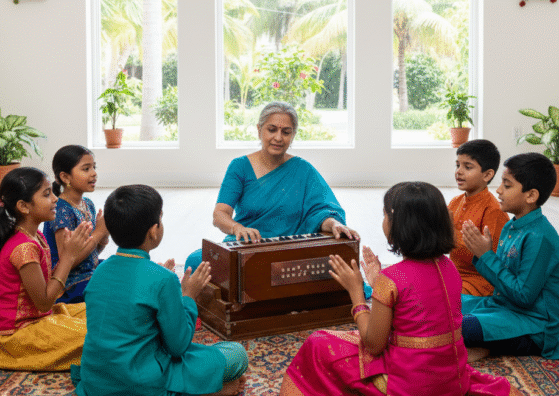
Learning Carnatic music goes beyond simply knowing how to sing. The benefits span cognitive, emotional, and social development.
Enhances Cognitive Abilities – Understanding complex rhythms, patterns, and sequences strengthens memory and analytical skills.
Boosts Emotional Intelligence – Singing ragas helps children connect with emotions, build patience, and foster empathy.
Improves Discipline and Confidence – Regular practice instills self-discipline, while performances gradually build confidence.
Promotes Cultural Connection – Learning the language, lyrics, and traditions of Carnatic music grounds children in their cultural heritage.
Transitioning from these benefits, it’s clear that Carnatic vocals are not just an art form but a holistic development tool.
Learning Carnatic Vocals for Kids | Effective Methods
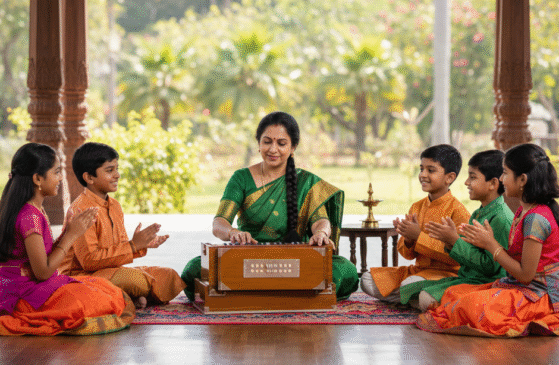
Learning Carnatic music requires a balance between discipline and enjoyment. Some effective approaches include:
Start with Fun Tunes – Introduce simple geethams and songs children can relate to.
Voice Training and Swara Practice – Daily short sessions work better than long, infrequent ones.
Gradual Rhythm Introduction – Use clapping exercises and simple percussion to teach tala (rhythm).
Positive Reinforcement – Praise effort, not just perfection, and provide performance opportunities.
Use of Technology – Apps, recordings, and online tutorials can reinforce lessons and exposure.
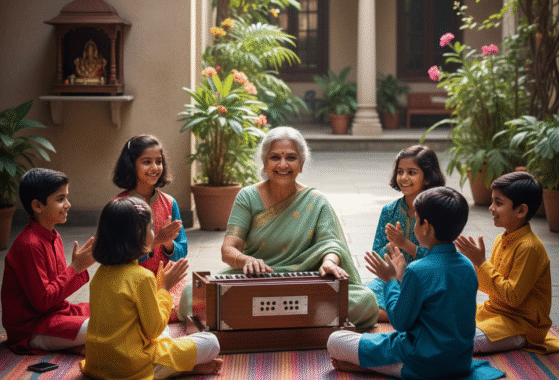
How Parents Can Support Carnatic Vocals for Kids
Parental involvement plays a key role in a child’s musical journey, shaping both their progress and their attitude toward learning. One of the simplest ways to support a child is by creating a dedicated practice space at home—a calm and inviting environment encourages regular practice without distractions.
Alongside this, parents can encourage daily practice, even if it’s just for a few minutes, to help children develop consistency and gradually strengthen their skills. Attending small concerts or recitals together can also be incredibly motivating, as children get to experience music in real-life settings and see the joy it brings to others.
It’s equally important to celebrate progress and milestones, no matter how small, rather than focusing solely on perfection. Praising effort and growth builds confidence and helps children associate learning with enjoyment. Throughout this journey, maintaining patience and a positive attitude toward challenges or slow days is key—children thrive when their learning is supported, acknowledged, and never pressured.
By combining structure, encouragement, and shared musical experiences, parents can transform Carnatic vocal training into a rewarding and joyful part of their child’s life.
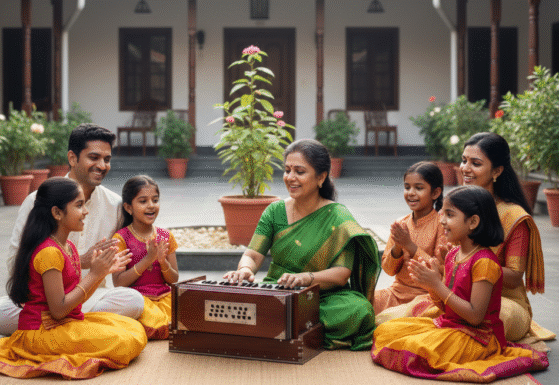
Common Challenges and How to Overcome Them
Even with enthusiasm, children may face challenges:
Short attention spans – Keep practice sessions short and engaging
Difficulty in maintaining pitch – Use simple exercises and gamified learning
Loss of interest – Rotate songs, include games, and occasional breaks
Performance anxiety – Start with family or small groups before moving to larger audiences
With the right guidance, most challenges can be turned into opportunities for growth.
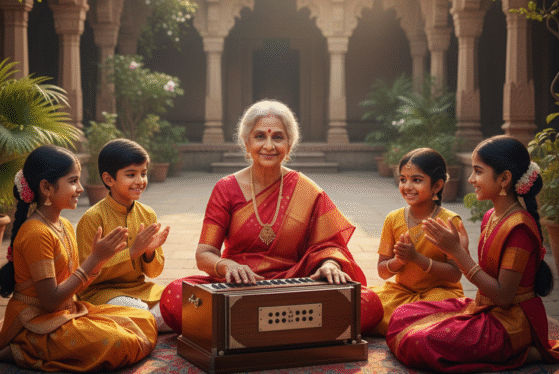
Preparing for Performances and Competitions
Performances are a natural part of learning Carnatic vocals. They help children:
Build confidence and stage presence
Apply what they’ve learned in real situations
Develop resilience and adaptability
Parents and teachers should start small, gradually moving to bigger audiences. Positive reinforcement after every performance ensures the child stays motivated and confident.
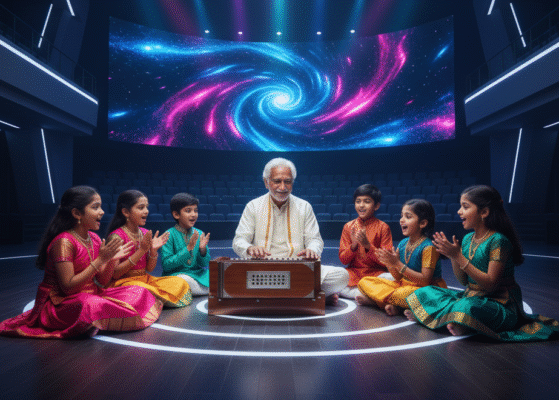
Making Carnatic Vocals for Kids a Lifelong Journey
The journey of learning Carnatic vocals can be truly rewarding when approached with patience and consistency. At The Mystic Keys, starting at the right age and following a child-friendly method lays a strong foundation not only for musical skills but also for overall personality development.
With Carnatic Vocal Lessons Online, children can learn from experts at their own pace, making practice convenient, engaging, and structured.
Ultimately, Carnatic music for kids is more than just singing—it cultivates culture, creativity, discipline, and confidence. With thoughtful guidance, whether in-person or online, children can unlock both their musical talents and essential life skills that last a lifetime.
For more information and exciting resources about learning music, visit our website at The Mystic Keys. For more music content and exciting offers follow us on
Facebook, Instagram, YouTube, LinkedIn, Twitter, Pinterest, and Threads.