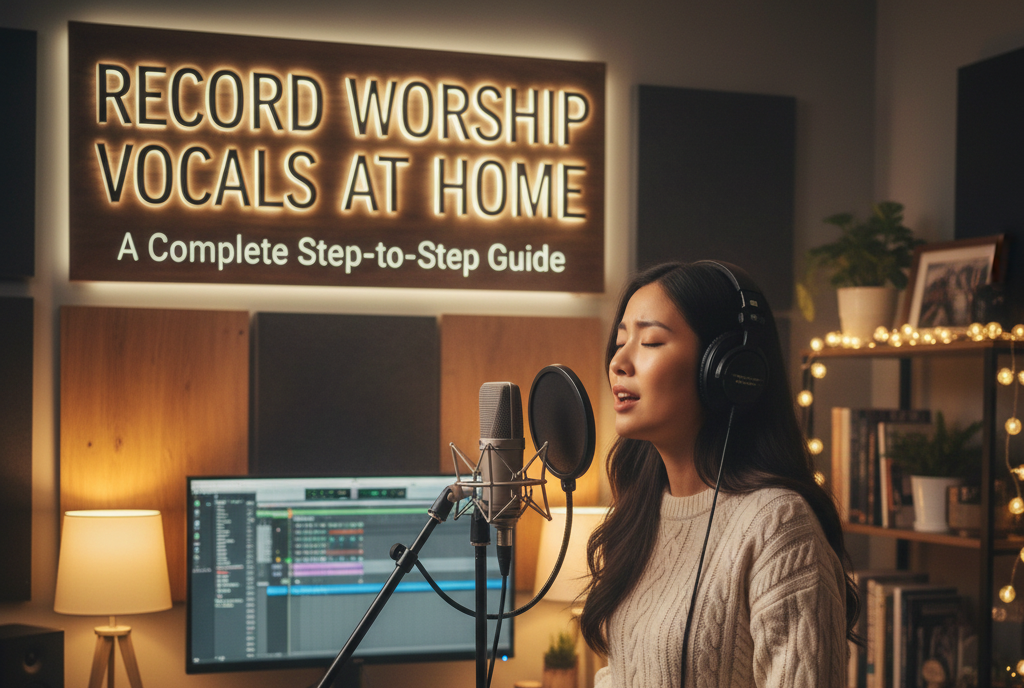
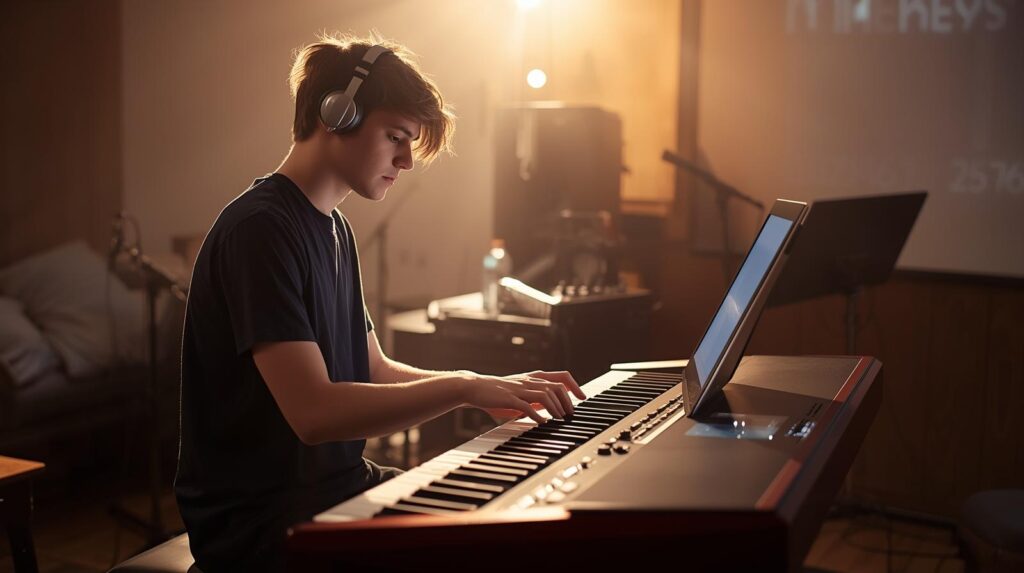
Record Worship Vocals at Home | A Complete Step-by-Step Guide
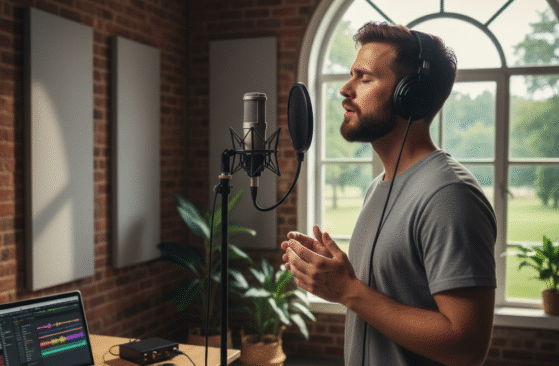
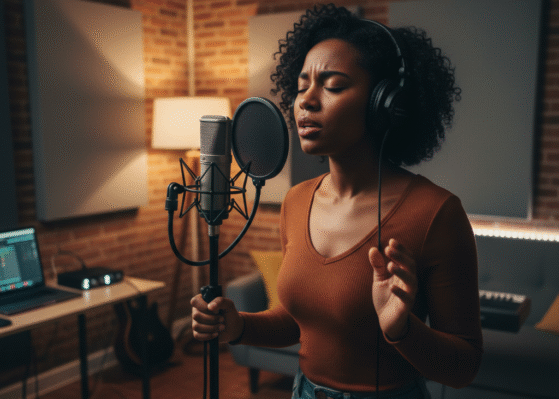
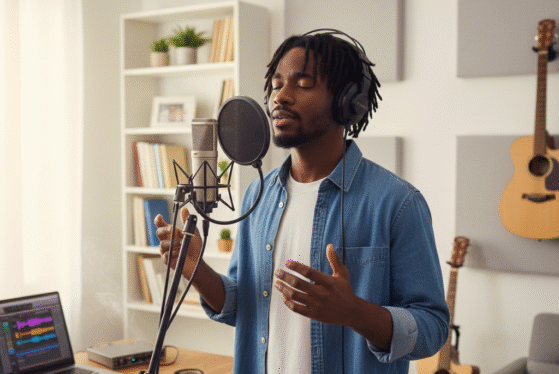
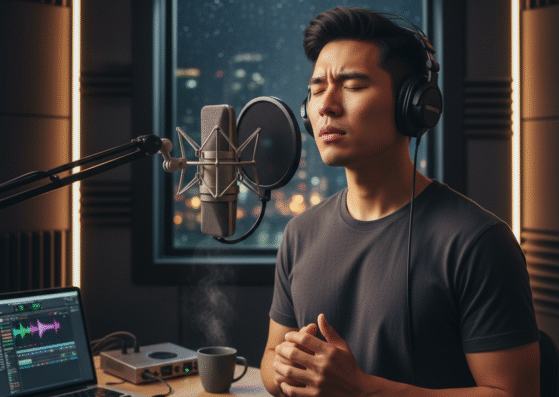
Recording worship vocals at home has become more accessible than ever. As more creators choose to Record Worship Vocals in personal spaces, whether you’re a worship leader, a church vocalist, or a believer longing to record songs of praise, a home setup can still capture reverence, clarity, and emotional depth. With the right approach in place, even a simple space can be transformed into a powerful recording environment that truly honors both the message and the music.
With this in mind, this guide walks you step by step through everything you need to know—from preparing your space to delivering heartfelt vocals—so that as you Record Worship Vocals, your worship recordings sound polished, authentic, and deeply inspiring.
Understanding the Purpose of Worship Vocals
Before setting up any equipment, it’s important to understand what makes worship vocals unique. Unlike commercial singing, worship music is deeply expressive and spiritually driven. The focus is not perfection alone, but sincerity, clarity of lyrics, and emotional connection.
Because of this, your recording process should support:
Clear delivery of words
Natural dynamics and tone
A sense of intimacy and reverence
Keeping this intention in mind will guide every technical and creative choice you make.
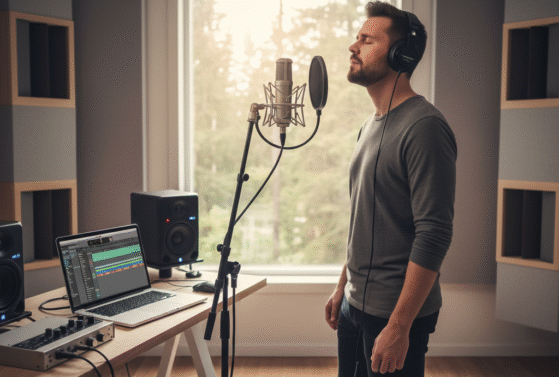
Preparing the Right Space to Record Worship Vocals at Home
The room you record in plays a major role in how your vocals sound. Even high-quality microphones can capture unwanted echoes or background noise if the space is not suitable.
Look for a Quiet Environment
First, select a room away from traffic noise, fans, air conditioners, or household activity. Early mornings or late nights often work best.
Reduce Echo and Reflections
Hard surfaces reflect sound and create reverb that can muddy vocals. Therefore, consider:
Recording in a bedroom with curtains and cushions
Using carpets or rugs on the floor
Hanging blankets or thick cloths on walls
Surprisingly, a walk-in closet filled with clothes can serve as an excellent vocal booth.
Choosing the Right Microphone to Record Worship Vocals Clearly
Your microphone is the heart of your recording setup. Choosing the right type will make a noticeable difference.
Condenser vs Dynamic Microphones
Condenser microphones capture detail and warmth, making them ideal for worship vocals. However, they are sensitive to background noise.
Dynamic microphones are more forgiving in untreated rooms and still sound great for powerful worship singing.
If your room is relatively quiet, a condenser microphone is often the preferred choice.
Essential Accessories
To further improve vocal quality, include:
A pop filter to reduce harsh “P” and “B” sounds
A sturdy mic stand to maintain consistent positioning
A shock mount to prevent vibrations
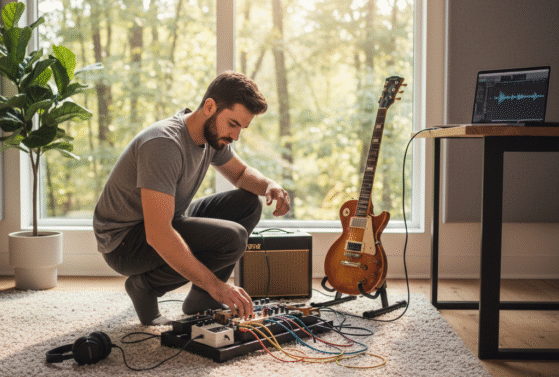
Setting Up Your Recording Equipment
Once your microphone is ready, the rest of the signal chain must support clean sound capture.
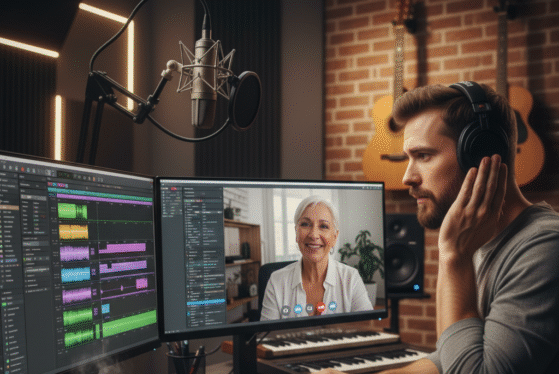
Always record vocals using closed-back headphones. This prevents playback sound from bleeding into the microphone and keeps your recording clean.
Vocal Preparation Before You Record Worship Vocals
A well-prepared voice leads to better takes and fewer retakes.
Warm-Up is Essential
Begin with gentle vocal warm-ups such as:
Humming scales
Lip trills
Light vowel exercises
This helps avoid strain and ensures consistent tone throughout the session.
Stay Hydrated and Relaxed
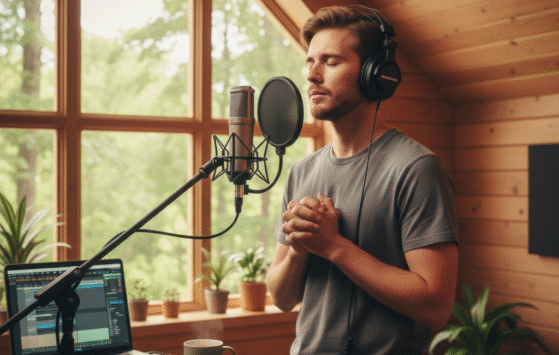
Drink room-temperature water and avoid cold drinks or caffeine right before recording. Moreover, take a few moments to pray, meditate, or reflect, allowing your heart and mind to align with the worship message.
Avoid excessive tuning, as natural imperfections often add authenticity and warmth.
Keep the Lyrics Front and Center
Always ensure that words remain clear and understandable. Worship music connects deeply when the message is heard effortlessly.
Mixing Worship Vocals with Instrumentals
A worship vocal should sit comfortably within the music rather than overpower it.
Lower background instruments slightly during vocal phrases
Pan instruments subtly to create space
Keep vocals centered and present
As a result, listeners feel drawn into the worship experience rather than distracted by the mix.
Creating the Right Atmosphere While You Record Worship Vocals
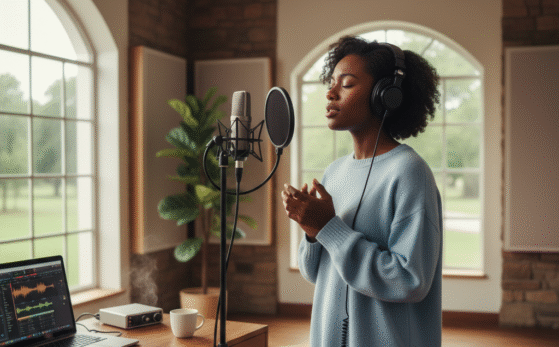
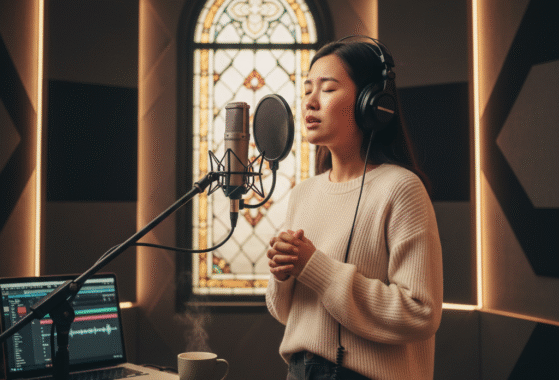
When you Record Worship Vocals, it becomes clear that the emotional environment affects performance more than most people realize. Because of this, creating the right atmosphere is just as important as having the right equipment. Dim lighting, minimal distractions, and a peaceful mindset naturally help you sing with authenticity. In the same way, some worship vocalists prefer to keep lyrics visible, while others choose to sing from memory to stay emotionally connected. Ultimately, the key is to choose what allows you to worship freely and express your heart without restraint.
Final Listening and Sharing to Record Worship Vocals
After completing your recording:
Listen on headphones, speakers, and even a phone
Check for background noise or harsh sounds
Ensure volume levels are consistent
Taking time at this stage ensures your worship vocals translate well across different devices.
Sharing Your Worship Recordings with Confidence
Once your Record Worship Vocals project is ready, take a moment to reflect on its purpose, and then share it with confidence and humility. In doing so, whether you choose to upload it on social platforms, send it to your church, or keep it for personal devotion, always remember that worship music is meant to glorify God. Above all, it is not about showcasing perfection, but about offering a sincere and heartfelt expression of praise.
Closing Thoughts
Recording worship vocals at home is both a technical and spiritual journey. When you choose to Record Worship Vocals with intention, thoughtful preparation, the right tools, and a heart aligned with worship come together to create recordings that sound professional while remaining deeply moving. In the same spirit, every voice carries a unique purpose, and when captured with care, it becomes a powerful instrument of praise.
At The Mystic Keys, this philosophy is reflected through Worship Piano & Singing Lessons Online, where learners are guided not only in technique, but also in musical sensitivity, expression, and worship-focused performance. Through consistent learning and mindful practice, singers and pianists grow in confidence while staying rooted in devotion.
If you’d like, I can also:
Rewrite this blog for SEO optimization
Adapt it for a church website
Shorten it into a Medium or LinkedIn article
Create a step-by-step checklist version
Just tell me what you need next.
For more information and exciting resources about learning music, visit our website at The Mystic Keys. For more music content and exciting offers follow us on
The Science of Keyboard Sound | Polyphony, Sampling, and Synthesis Explained
Modern keyboards and digital pianos may look simple on the outside, but inside they are powered by advanced sound technology. Understanding the science of keyboard sound helps musicians choose the right instrument, improve performance quality, and appreciate how digital music has evolved. This guide explains polyphony, sampling, and synthesis in clear, practical terms—whether you’re a beginner, an intermediate player, or a music educator.
By the end of this article, you’ll know exactly how keyboards create realistic piano tones, rich layers, and expressive sounds.
What Is Polyphony in Keyboards?
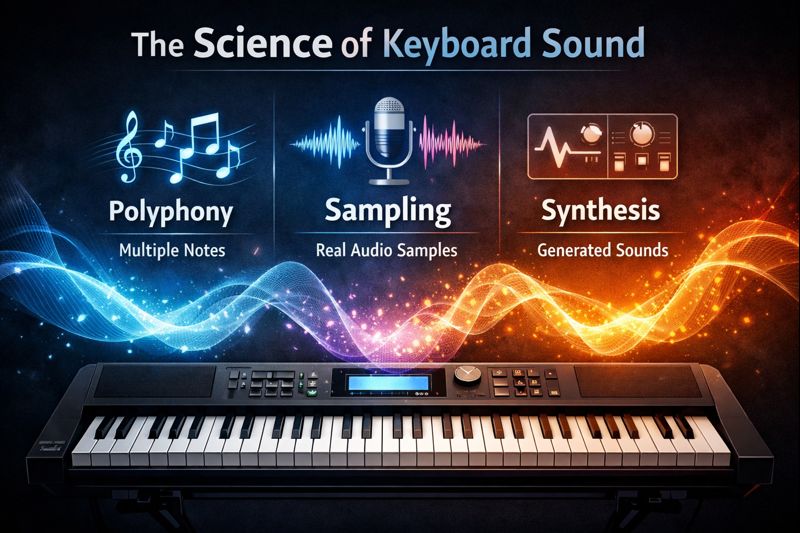
Polyphony refers to the number of individual notes a keyboard can produce at the same time. Each note you play—along with sustain pedal usage, layered sounds, or accompaniment—counts toward the polyphony limit.
Why Polyphony Matters
Allows smooth chord playing without dropped notes
Essential for sustain pedal usage
Crucial for layered and split keyboard sounds
Important for recording and live performances
Common Polyphony Levels
32-note polyphony – Entry-level keyboards
64-note polyphony – Basic learning and practice
128-note polyphony – Standard for intermediate players
192–256-note polyphony – Professional and stage keyboards
Higher polyphony ensures natural decay of notes, especially when playing complex pieces.
Understanding Keyboard Sampling Technology
Sampling is the process of recording real acoustic instruments and storing those recordings digitally inside a keyboard. When you press a key, the keyboard plays back a recorded sample of that instrument.
How Sampling Works
A real instrument (like a grand piano) is recorded
Each note is captured at multiple volume levels
Samples are edited and optimized
The keyboard plays these samples when keys are pressed
Multi-Layer and Velocity Sampling
Advanced keyboards use multi-layer sampling, meaning:
Soft key presses trigger gentle samples
Hard key presses trigger brighter samples
This creates realistic dynamics and expression
Advantages of Sampling
Authentic acoustic sound
Natural instrument tone
Ideal for piano, strings, and orchestral sounds
High-quality sampling is what makes digital pianos sound close to real grand pianos.
What Is Sound Synthesis in Keyboards?
Synthesis generates sound electronically rather than using recordings. It creates tones using oscillators, filters, and envelopes.
Types of Synthesis Used in Keyboards
Subtractive synthesis – Shapes raw waveforms (common in synths)
FM synthesis – Produces metallic and electric sounds
Additive synthesis – Builds sound by combining harmonics
Physical modeling – Simulates real instrument behavior
Benefits of Synthesis
Unlimited sound design possibilities
Ideal for electronic music and modern genres
Lightweight memory usage compared to samples
Synth-based keyboards excel at pads, leads, basses, and experimental sounds.
Sampling vs Synthesis: What’s the Difference?
Feature
Sampling
Synthesis
Sound Source
Recorded instruments
Electronically generated
Realism
Very high
Moderate to creative
Customization
Limited
Extensive
Best For
Piano, acoustic sounds
EDM, ambient, sound design
Most modern keyboards combine both sampling and synthesis to offer versatility.
How Polyphony, Sampling, and Synthesis Work Together
When you play a keyboard:
Polyphony determines how many notes can sound
Sampling provides realistic instrument tones
Synthesis adds creative and electronic textures
High-end keyboards intelligently manage polyphony so important notes aren’t cut off, even during complex performances.
Choosing the Right Keyboard Based on Sound Technology
When buying a keyboard, consider:
Learning & classical music – High-quality sampling + 128 polyphony
Worship & live performance – High polyphony with layered sounds
Electronic music production – Strong synthesis engine
Recording & composing – Combination of sampling and synthesis
Understanding sound technology helps you invest wisely and grow musically.
The Future of Keyboard Sound Technology
Modern keyboards now use:
AI-enhanced sampling
Advanced physical modeling
Higher-resolution audio engines
Cloud-based sound libraries
These innovations continue to blur the line between digital and acoustic instruments.
The science of keyboard sound—polyphony, sampling, and synthesis—is the foundation of how digital keyboards produce music. Knowing how these technologies work empowers musicians to play better, choose smarter, and explore sound creatively.
Whether you’re practicing classical piano, playing worship music, or producing electronic tracks, understanding keyboard sound technology will elevate your musical journey. interested in learning more about keyboard techniques? Explore our Keyboard classes online.
Intersted in learning music with us? Register now
For more information and exciting resources about learning music, visit our website at The Mystic Keys. For more music content and exciting offers follow us on