Worship Music Techniques for Smooth Transitions & Flow
Worship music plays a powerful role in shaping the atmosphere of a church service. Using the right worship music techniques, worship leaders can help people move from distraction into a place of reflection, praise, and connection with God. While choosing the right songs is important, how those songs connect together is just as crucial. Smooth transitions between songs create a continuous flow that keeps the congregation engaged and spiritually focused.
When transitions are abrupt or awkward, the worship atmosphere can break, and people may lose their focus. But when transitions are well-planned and intentional, the worship experience feels natural, unified, and deeply meaningful.
In this article, we will explore practical worship music techniques that help worship teams create smooth transitions and maintain a beautiful flow during worship sets.
1.Worship Music Techniques for Planning the Perfect Setlist

One of the most important steps in creating smooth transitions is planning the worship setlist in advance. A well-structured setlist helps the worship team move naturally from one song to another without confusion or long pauses.
When building a worship set, consider the following:
- Choose songs that have compatible keys or similar chord progressions.
- Arrange songs so that the energy gradually builds or gently slows down.
- Avoid switching suddenly from a slow, reflective song to a fast praise song unless there is a clear musical bridge.
For example, a typical worship set may begin with mid-tempo praise songs, then move into deep worship songs, and finally end with a reflective prayerful moment.
Planning the flow of songs allows the worship team to lead the congregation through a spiritual journey rather than presenting disconnected songs.
2. Use Keyboard Pads to Maintain Atmosphere
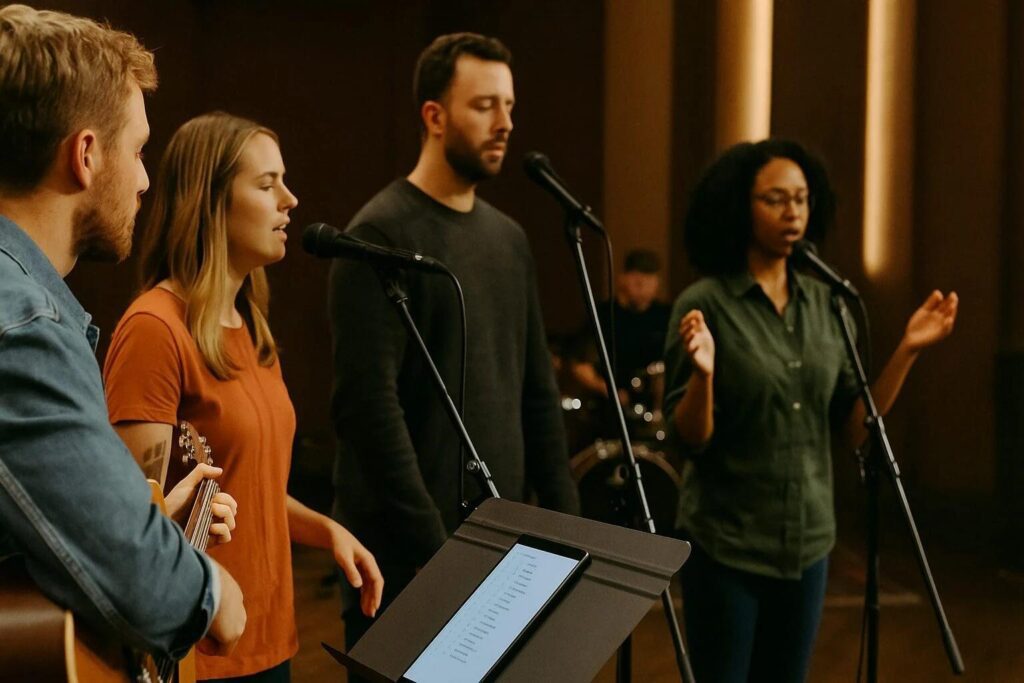
Silence between songs can sometimes break the worship atmosphere. One effective technique used by many worship teams is keyboard pads or sustained background sounds.
Keyboard pads create a soft ambient sound that fills the space and keeps the environment calm and reflective.
Here are a few ways to use pads effectively:
- Let the keyboard sustain the final chord of the song.
- Slowly introduce the pad sound of the next song’s key.
- Keep the pad playing quietly while the worship leader speaks or prays.
This simple technique keeps the worship atmosphere continuous and prevents awkward silence between songs.
3. Worship Music Techniques for Smooth Key Transitions
Another important technique is connecting songs with compatible keys. When songs are in related keys, the transition feels natural and smooth.
Some common key transition techniques include:
- Moving up a whole step to increase energy.
- Using a shared chord between two keys as a bridge.
- Letting the keyboard or guitar create a short musical modulation.
For example:
- A song in G major can transition smoothly into D major.
- A song in C major can transition easily into G major.
If the keys are too different, musicians can play a short instrumental bridge to shift the tonal center.
These techniques help maintain musical flow and avoid sudden changes that may feel awkward to listeners.
4. Create Instrumental Moments Between Songs
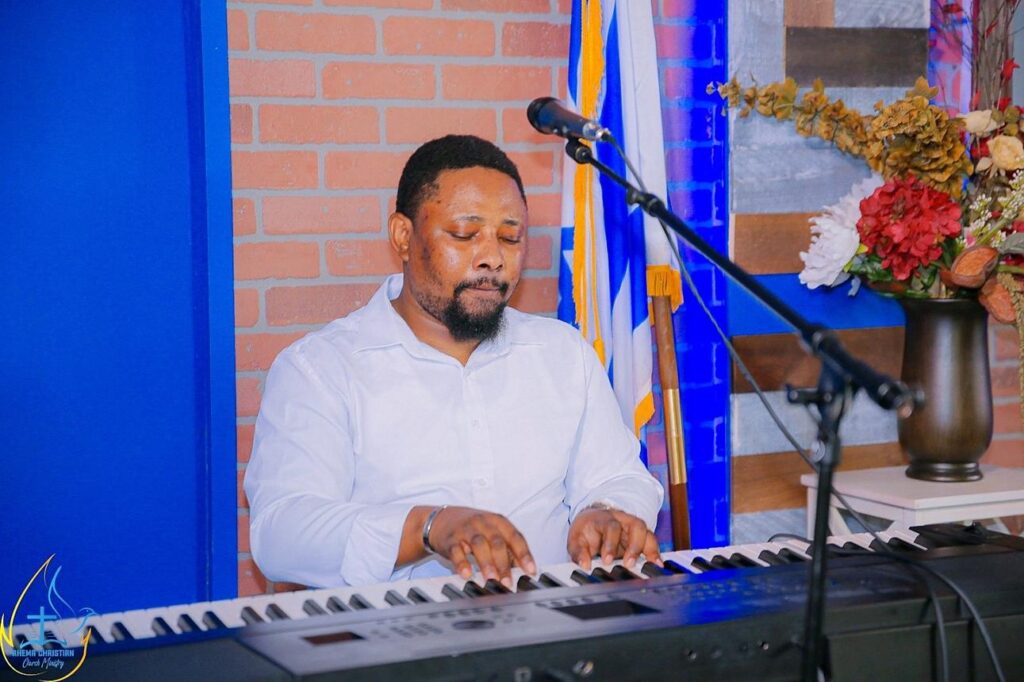
Instrumental transitions are another powerful tool for maintaining worship flow. Instead of stopping immediately after a song, musicians can continue playing a short instrumental progression.
During this moment, the worship leader may:
- Speak a short prayer
- Share a scripture
- Invite the congregation into deeper worship
Musicians can play simple chord progressions such as:
- I – V – vi – IV progression
- Soft ambient guitar delays
- Light piano melodies
These instrumental moments help connect songs emotionally and spiritually while giving the worship leader time to guide the congregation.
5. Worship Music Techniques to Maintain Smooth Tempo

Tempo plays a major role in how smooth transitions feel. Sudden changes in tempo can interrupt the worship flow.
To maintain smooth transitions:
- Choose songs with similar BPM (beats per minute).
- Gradually change the tempo rather than making sudden jumps.
- Allow the drummer or percussionist to guide the tempo change.
For example, if one song is at 72 BPM, the next song could be around 70–76 BPM for a smooth transition.
If the tempo must change significantly, musicians can create a slow instrumental section to gradually shift the rhythm.
6. Communicate Clearly Within the Band
Great worship transitions happen when the band members are well connected and communicate effectively.
During rehearsals, the team should practice:
- Where songs will transition
- How long the instrumental sections will last
- Who will lead the key change or modulation
Live communication is also important. Worship leaders often use visual cues such as:
- Nods
- Hand signals
- Eye contact
These cues help musicians stay together and avoid confusion during transitions.
Strong teamwork ensures that transitions feel smooth and intentional rather than accidental.
7. Use Dynamics to Create Emotional Flow
Dynamics refer to changes in volume and intensity during worship music. A powerful worship set often includes moments that rise and fall emotionally.
For example:
- Start with gentle instrumental sounds
- Gradually build into strong praise sections
- Return to soft reflective worship
This dynamic movement keeps the congregation engaged and helps create a spiritual journey.
Musicians can use techniques such as:
These elements add emotional depth and help transitions feel natural and expressive.
8. Practice Transitions During Rehearsals
Many worship teams focus on practicing songs individually but forget to practice how songs connect together.
Transitions should be rehearsed just as much as the songs themselves.
During rehearsal:
- Practice ending one song and starting the next immediately.
- Test different instrumental bridges.
- Decide which musician will lead the transition.
Recording rehearsals can also help identify areas where transitions feel awkward or rushed.
With practice, transitions become natural and effortless during live worship.
9. Use Spoken Moments Wisely
Worship leaders often guide the congregation between songs with short spoken moments. These moments can strengthen the connection between songs when used carefully.
Examples include:
- Reading a Bible verse
- Offering a short prayer
- Sharing a brief reflection
However, it is important not to speak too long or break the musical flow. The goal is to support the worship moment rather than interrupt it.
A simple, heartfelt sentence can often be more powerful than a long explanation.
10. Focus on the Purpose of Worship
While musical techniques are helpful, the most important goal of worship music is leading people into genuine worship.
Transitions should not feel overly technical or mechanical. Instead, they should serve the purpose of helping people stay focused on God.
Worship leaders and musicians should always remember:
- Worship is about heart connection, not performance.
- Music is a tool to help people express faith and devotion.
- Simplicity often creates the most powerful worship moments.
When the worship team plays with humility and unity, smooth transitions happen naturally.
Creating smooth transitions in worship music requires intentional planning, musical awareness, and strong teamwork. By carefully organizing the setlist, using instrumental pads, connecting keys effectively, maintaining consistent tempo, and communicating clearly within the band, worship teams can create a seamless worship experience.
These techniques help maintain the spiritual atmosphere and guide the congregation through a meaningful journey of praise and worship.
Ultimately, the goal of every worship set is to help people encounter God through music. When transitions are smooth and natural, the focus remains where it truly belongs—on worship.
If you want to improve your worship leading skills, you can also explore Worship Piano & Singing Lessons Online, where musicians and worship leaders learn practical techniques for playing, singing, and leading worship with confidence.
Intersted in learning music with us? Register now
For more information and exciting resources about learning music, visit our website at The Mystic Keys. For more music content and exciting offers follow us on
Facebook, Instagram, YouTube, LinkedIn, Twitter, Pinterest, and Threads.