Why Piano Learning Feels Slow at First
Many beginners feel discouraged during the early stages of piano study. You sit at the keyboard, practice regularly, and yet progress seems painfully slow. Notes feel confusing, coordination feels awkward, and reading music feels overwhelming. If you have ever wondered why piano learning feels slow, you are not alone—and more importantly, nothing is wrong with you.
The piano is one of the most rewarding instruments to learn, but it also places unique demands on the brain and body. Unlike instruments that focus on a single melodic line, the piano requires you to read, process, and execute multiple musical elements at the same time. This article explains why piano learning feels slow in the beginning, what is actually happening beneath the surface, and how patience during this phase leads to long-term success.
Piano Learning Challenges the Brain in Multiple Ways
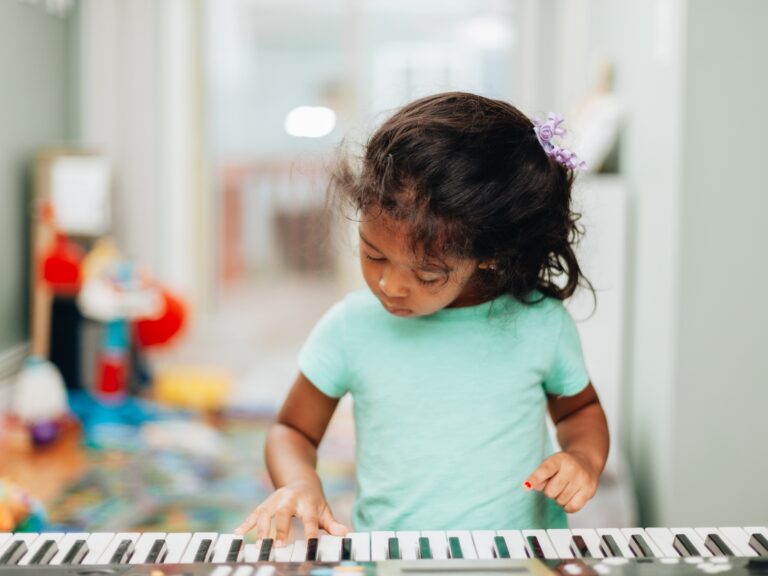
One of the biggest reasons piano learning feels slow is because the brain is being asked to perform several complex tasks simultaneously.
When learning piano, the brain must:
Read two clefs at the same time
Interpret rhythm and pitch together
Coordinate both hands independently
Control finger movement with precision
Listen and self-correct in real time
For a beginner, this level of multitasking is entirely new. The brain is building neural pathways from scratch, which takes time. Even if progress feels invisible, the brain is constantly adapting, organizing, and strengthening connections.
This mental workload is much heavier than it appears, and slow progress is a natural response to deep learning.
Hand Independence Takes Time to Develop
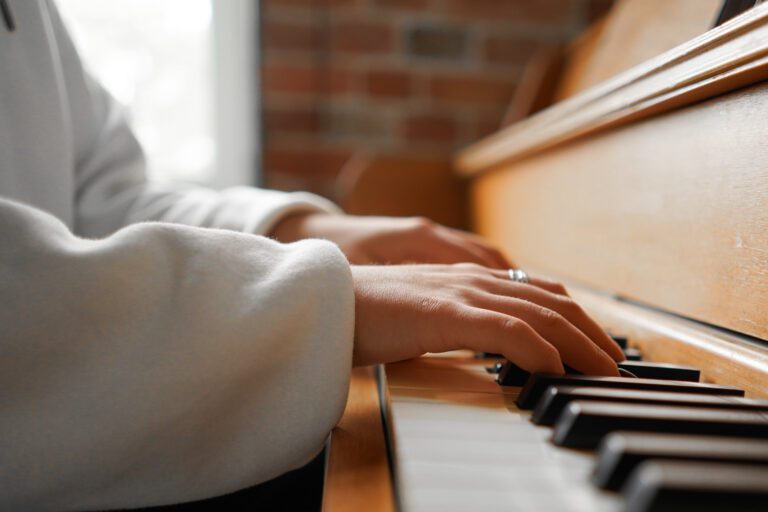
Another major reason piano learning feels slow is hand independence. Each hand often plays different rhythms, notes, and patterns. For beginners, this feels unnatural and mentally exhausting.
Early piano learners often experience:
One hand stopping when the other starts
Tension when coordinating both hands
This is not a lack of talent. It is the nervous system learning a new form of coordination. Hand independence develops gradually through repetition and structured practice. What feels impossible today often becomes automatic weeks later.
Reading Music Is a New Language
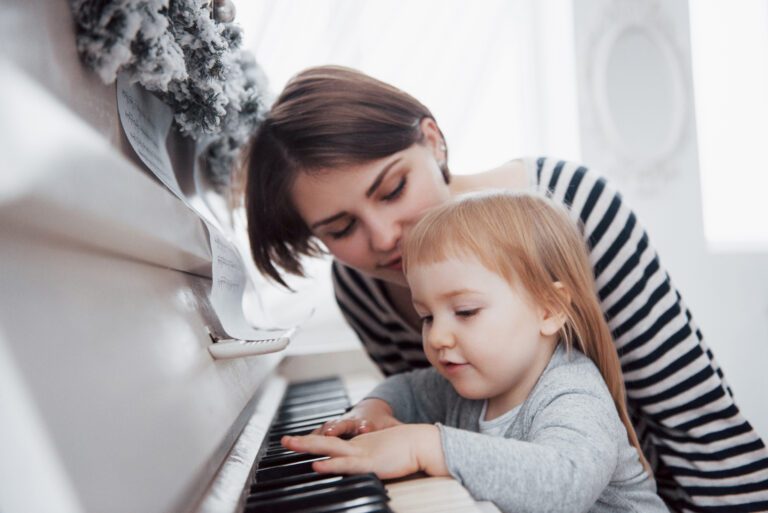
Piano students are essentially learning a new written language. Music notation includes symbols, timing, pitch relationships, dynamics, and expression markings—all interpreted instantly while playing.
When piano learning feels slow, it is often because:
The eyes cannot yet process notes quickly
The brain pauses to translate symbols
The hands wait for instructions
This delay is completely normal. Just as reading words felt slow when you first learned to read, music reading improves with exposure and repetition. Speed comes naturally once recognition becomes automatic.
Progress Happens Internally Before It Shows Externally
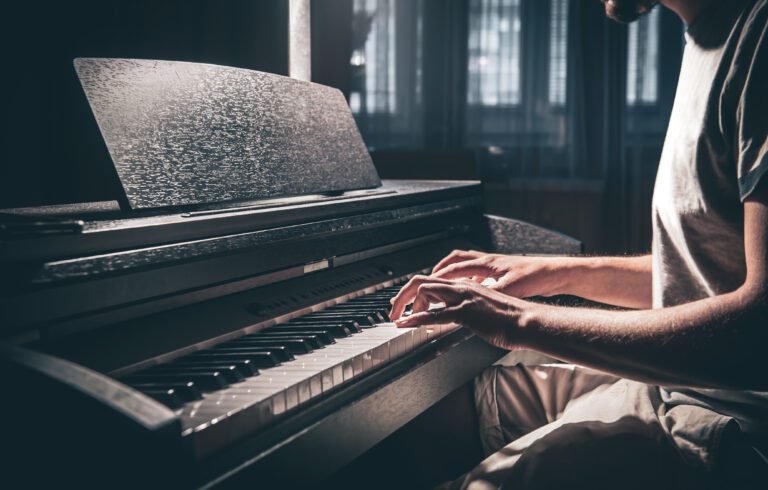
One of the most frustrating aspects of piano study is that progress often happens internally before it becomes audible.
Even when pieces sound uneven, the learner is improving in:
Finger strength
Muscle memory
Timing awareness
Listening accuracy
Error recognition
These internal improvements are essential foundations. Piano learning feels slow because the visible results lag behind internal development. Skipping this stage leads to weak technique later on.
Piano Requires Precision, Not Just Movement
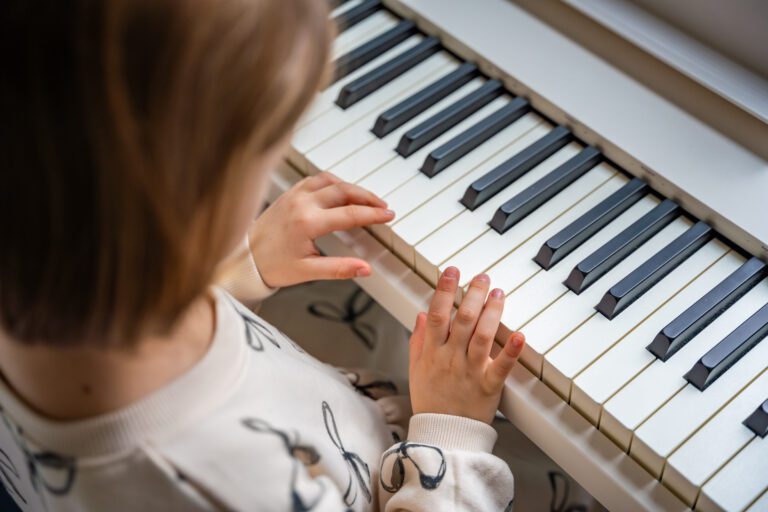
Unlike some instruments where sound is shaped continuously, the piano produces sound instantly with each key press. This means every mistake is audible.
Beginners often feel slow because:
Accuracy matters more than speed
Timing errors are obvious
This precision requirement encourages careful, slower practice. While this can feel discouraging, it is what builds clean technique and expressive control over time.
Comparing Yourself to Others Slows Motivation
Many learners feel piano learning feels slow because they compare themselves to advanced players or social media performances. What is often unseen is the years of consistent practice behind those performances.
Comparison creates unrealistic expectations and ignores:
Individual learning pace
Practice quality differences
Prior musical background
Progress in piano is personal. Measuring success against your own improvement is far more accurate and motivating.
The Piano Has a Steeper Early Learning Curve

Piano is visually and technically accessible, but its early learning curve is steep. Beginners are introduced to complex concepts early on, including harmony, rhythm, coordination, and structure.
This steep curve makes piano learning feel slow initially, but it also means:
Musical understanding develops deeply
Other instruments become easier later
Long-term versatility increases
Once foundational skills settle, progress accelerates noticeably.
Consistency Matters More Than Speed
Many learners expect rapid improvement through long practice sessions. In reality, piano responds best to consistency.
Short, focused practice sessions:
Reinforce muscle memory
Reduce mental fatigue
Build steady confidence
When practice is regular, progress compounds naturally—even when it feels slow day to day.
Emotional Expectations Can Create Frustration
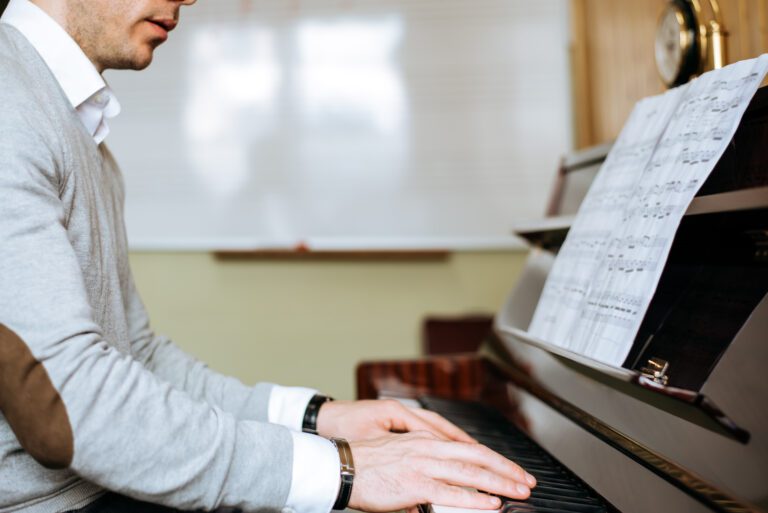
Emotional pressure often makes piano learning feel slower than it actually is. Wanting to sound good quickly creates tension, which interferes with coordination and focus.
Letting go of perfection allows:
Relaxed movement
Better listening
Faster long-term improvement
Learning piano is a journey, not a performance deadline.
Teachers See Progress Before Students Do
One important truth is that instructors often notice improvement long before students do. Subtle changes in posture, timing, and confidence indicate real progress.
If piano learning feels slow, it may be because:
Improvements are gradual
Growth is technical, not dramatic
Skills are stabilizing rather than expanding
Trusting the learning process is essential during this stage.
Breakthroughs Come After the Slow Phase
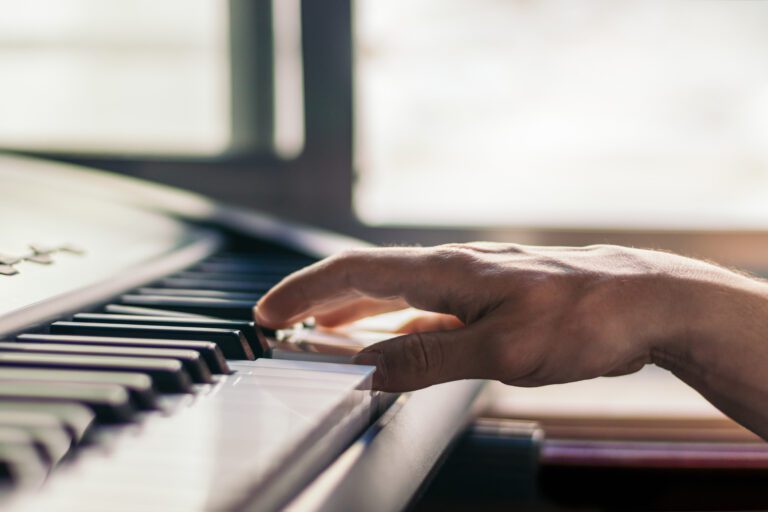
Nearly every pianist experiences a moment when things suddenly feel easier. Reading improves, hands cooperate, and music flows more naturally.
These breakthroughs happen because:
Foundations were built patiently
The brain completed pattern recognition
Muscle memory stabilized
The slow phase is not wasted time—it is preparation.
Conclusion: Slow Progress Is a Sign of Real Learning
If piano learning feels slow, it means your brain and body are doing exactly what they should. Piano is a deeply layered instrument that rewards patience, consistency, and thoughtful practice.
Every note played slowly today builds the freedom and expression you will enjoy later. Progress may not always be obvious, but it is always happening beneath the surface.
For learners who want structured guidance and steady progress, Piano Lessons Online at The Mystic Keys provide personalized support that respects each student’s pace while building strong musical foundations.
Intersted in learning music with us? Register now
For more information and exciting resources about learning music, visit our website at The Mystic Keys. For more music content and exciting offers follow us on
Facebook, Instagram, YouTube, LinkedIn, Twitter, Pinterest, and Threads.