Western Vocals for Kids: Right Age, Benefits & Methods
Music plays a powerful role in a child’s emotional, cognitive, and creative development. Among various musical disciplines, Western vocals for kids has gained tremendous popularity due to its structured technique, expressive freedom, and global appeal. Many parents wonder when their child should begin vocal training, whether formal lessons are necessary, and what benefits singing offers beyond performance.
With proper guidance, Western vocal training can nurture not only musical skills but also confidence, communication ability, and discipline. At The Mystic Keys, we observe how children flourish when they receive age-appropriate and structured vocal instruction. This blog explores the ideal age to begin, the developmental advantages, and the most effective teaching methods for young learners.
What Are Western Vocals for Kids?
Western vocals focus on techniques commonly used in pop, classical Western, musical theatre, jazz, and contemporary music styles. Unlike informal singing, structured vocal training emphasizes:
Breath control
Pitch accuracy
Voice modulation
Pronunciation and diction
Rhythm and timing
Stage confidence
For children, lessons are designed to be engaging, interactive, and safe for developing vocal cords.
What Is the Right Age to Start Western Vocals for Kids?

Parents often ask about the right age to introduce formal singing lessons. While children naturally sing from a very young age, structured training should begin when they are developmentally ready.
Ages 4–6: Musical Exposure Stage
At this age, children benefit from:
Rhythm games
Singing simple songs
Voice exploration activities
Listening exercises
The focus is on enjoyment rather than technical perfection.
Ages 7–9: Foundational Training Stage
This is an ideal age to begin basic structured lessons. Children can:
Understand instructions
Follow pitch exercises
Develop breath awareness
Practice simple vocal warm-ups
Ages 10 and Above: Skill Development Stage
Older children can handle more technical training, including:
Range development
Voice control
Performance techniques
Harmony and advanced rhythm
Each child is unique, so readiness matters more than age alone.
Benefits of Western Vocals for Kids
Structured vocal training offers benefits that extend far beyond music.
1. Improved Confidence
Performing in front of others builds self-esteem. Children become more comfortable expressing themselves.
2. Better Communication Skills
Singing improves pronunciation, clarity, and vocal projection.
3. Enhanced Concentration
Learning melodies and lyrics strengthens memory and focus.
4. Emotional Expression
Music allows children to channel feelings in a healthy and creative way.
5. Cognitive Development
Research in music education shows that musical training supports brain development, especially in areas related to language and problem-solving.
6. Discipline and Responsibility
Regular practice encourages time management and commitment.
How Western Vocal Training Supports Brain Development
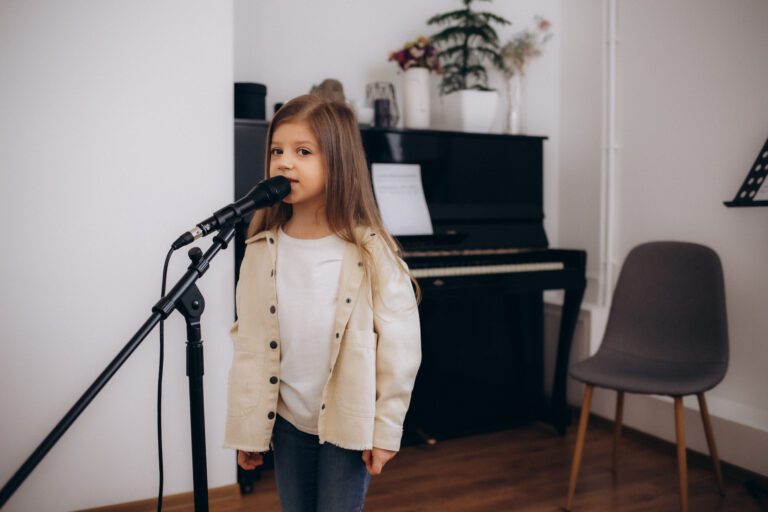
When children learn to sing, multiple areas of the brain work together. These include:
Auditory processing
Motor coordination
Memory recall
Emotional processing
This integrated activity strengthens neural connections and enhances learning capacity in academics as well.

Safe Vocal Training for Growing Voices
Children’s vocal cords are delicate. Proper training ensures that young singers avoid strain or damage.
Safe methods include:
Gentle warm-ups
Limited vocal range exercises
Correct breathing techniques
Avoiding shouting or forced projection
Supervised practice sessions
Professional guidance ensures healthy voice development.
Effective Methods Used in Western Vocals for Kids

Structured programs follow child-friendly methods to make learning enjoyable and productive.
Interactive Warm-Ups
Fun exercises improve breathing and pitch accuracy.
Call-and-Response Techniques
Teachers sing a phrase, and students repeat it. This strengthens listening skills.
Movement-Based Learning
Incorporating gestures and body movement improves rhythm and coordination.
Song-Based Learning
Children learn through simple songs that gradually increase in difficulty.
Performance Opportunities
Small recitals help build stage confidence without pressure.

Importance of Breath Control in Western Singing
Breathing is the foundation of vocal strength. Children learn:
Diaphragmatic breathing
Controlled exhalation
Sustained note holding
Voice stability
Proper breathing prevents strain and improves tone quality.

Building Pitch Accuracy and Musical Ear
Many children struggle with pitch initially. Structured ear training helps them:
Recognize high and low notes
Match pitch correctly
Develop tonal memory
With consistent training, pitch accuracy improves significantly.

Encouraging Practice at Home
Parental involvement plays a crucial role in progress. Parents can support learning by:
Setting a regular practice time
Creating a distraction-free environment
Encouraging without pressuring
Celebrating small improvements
Even 15–20 minutes of daily practice can make a noticeable difference.

Performance and Stage Presence
Western vocal training includes performance skills such as:
Facial expressions
Body language
Audience engagement
These skills enhance overall personality development.

Common Concerns Parents Have
Parents often worry about:
Vocal strain
Academic balance
Stage fear
Time commitment
With professional guidance and balanced scheduling, these concerns are manageable.
Conclusion
Western vocals for kids offers a powerful blend of creativity, discipline, and personal growth. The right age to start depends on a child’s readiness, but early exposure combined with structured training yields remarkable benefits. From improved confidence and concentration to enhanced emotional expression, singing supports holistic development.
At The Mystic Keys, our structured and age-appropriate approach ensures that children develop strong vocal foundations in a safe, encouraging environment. Whether your child dreams of performing on stage or simply enjoys singing, the journey of vocal training can be both transformative and joyful.
If you are ready to help your child explore their musical potential, structured Western vocal lessons can be the perfect starting point.
For more information and exciting resources about learning music, visit our website at The Mystic Keys. For more music content and exciting offers follow us on
Facebook, Instagram, YouTube, LinkedIn, Twitter, Pinterest, and Threads.