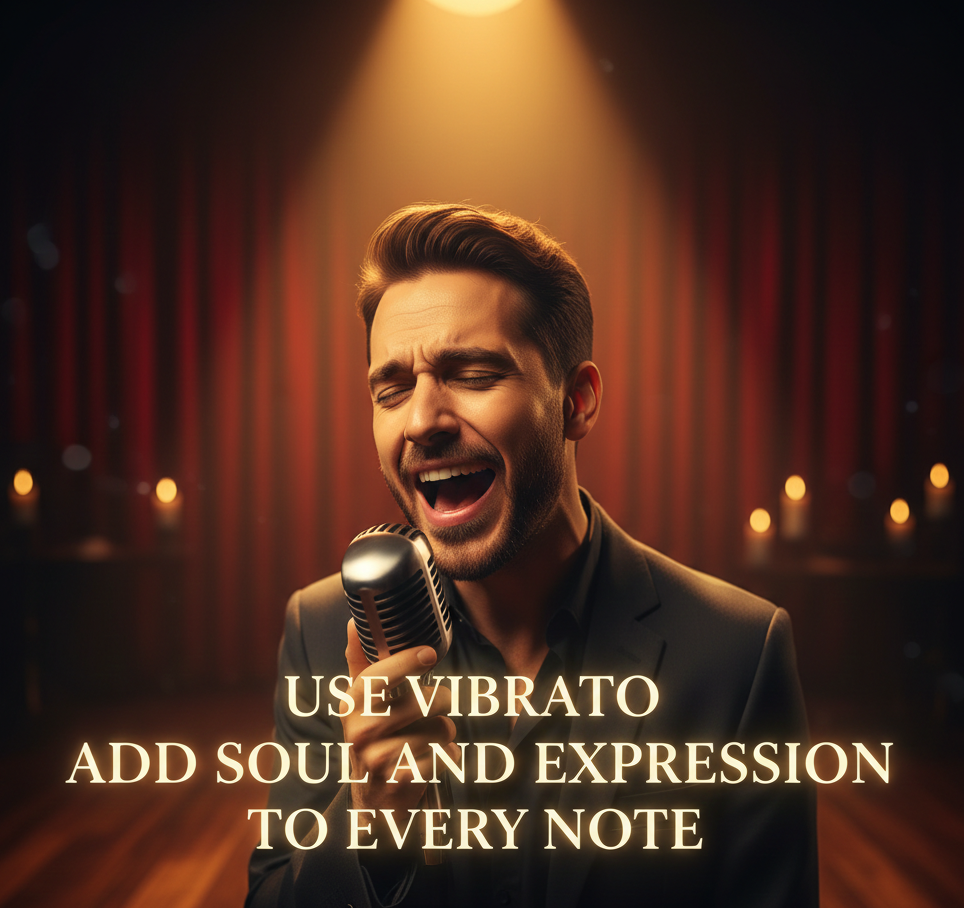
Use Vibrato to Add Soul and Expression to Every Note
Music is more than just a sequence of notes; it is a language of emotion, a way to communicate feelings without words. Every musician, from beginner to professional, seeks to make their playing or singing resonate deeply with listeners. Beyond technical accuracy, the true magic lies in expression—the subtle nuances, the gentle rises and falls, and the moments that make a note feel alive. When applied thoughtfully, vibrato is one of the most effective ways to achieve this, turning simple melodies into living, breathing musical expressions.
It’s not just about technique; it’s about connection. A well-placed oscillation or gentle wavering can convey longing, joy, or intensity, allowing listeners to feel the emotion behind each note. Even small variations in tone or timing can transform a performance from mechanical to mesmerizing. By focusing on expression, control, and intention, musicians can create moments that linger in the listener’s memory, making their music truly unforgettable.

Understanding Vibrato | More Than a Technique
The subtle oscillation of pitch adds warmth, depth, and emotion to a note. While it may seem like a technical flourish, its true purpose is expressive, allowing the musician to convey feeling that goes beyond the written score. The speed and depth of the oscillation can drastically change a note’s character: a slow, wide movement can suggest longing or sorrow, while a faster, narrower motion might evoke excitement, urgency, or intensity. When used thoughtfully, this technique transforms simple notes into something that feels alive and communicative.
The key is to integrate it naturally, letting it enhance rather than overpower the music. Practicing sustained notes while exploring variations in speed and depth develops this sensitivity, teaching the ear to respond as much as the hand or voice. Over time, this subtle modulation becomes instinctive, a seamless extension of a musician’s personal expression, and an essential tool for bringing soul to every performance.

Convey Emotional Nuance
Every piece of music has emotional layers, and vibrato helps bring them to life. Notes without it may be accurate but can sound flat. Adding vibrato gives each note personality and emotional depth, almost like a whisper of the performer’s soul. It can highlight a tender moment, add warmth to a melody, or make a simple phrase feel unforgettable. With practice, this subtle tool becomes a musician’s way of telling a story without words.
Even subtle vibrato can make brief passages shimmer, while a well-placed one at a phrase’s peak leaves a lasting impression. Learning when to add it helps musicians convey the music’s emotion naturally and effectively. Over time, mastering this control allows performers to connect deeply with their audience, making each note feel alive and full of meaning.
The Role of Vibrato in Musical Identity
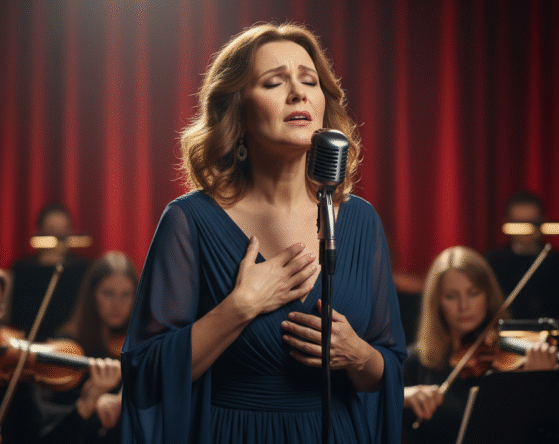
Vibrato is more than a technical skill; it can shape a musician’s style. Classical, jazz, blues, and pop artists all use it differently, adjusting speed, width, and placement for their genre. Developing a unique vibrato helps performers leave a personal mark on their music. Over time, it becomes a subtle signature that makes a performance instantly recognizable. Learning to control it also teaches patience, precision, and awareness of tone.
For singers, vibrato becomes part of their signature sound. Instrumentalists use it to give phrases character and distinction. Practicing it slowly and then weaving it into music helps musicians find their expressive voice. It also encourages listening deeply to each note, creating a connection between performer, music, and audience. With mindful practice, vibrato transforms mere notes into living, emotive sound.

Techniques to Integrate Vibrato Naturally
Ultimately, vibrato makes music feel alive. It adds soul to each note, connecting performer and audience. Subtle nuances—soft dynamics, gentle shifts, and expressive phrasing—turn a technically correct performance into something truly captivating. With intentional practice and careful timing, musicians can create moments that are felt more than heard, leaving a lasting impression. Each note becomes a story, and every phrase carries a sense of purpose and emotion that draws the listener in.
Music without expression can inform, but music with nuance moves. Each wave of pitch invites the listener to linger and feel the emotion behind the notes. Mastering control, highlighting key moments, and shaping phrases naturally allows performers to play not just the notes, but the feeling and soul of the music. This attention to subtle detail transforms ordinary performances into experiences that resonate long after the last note fades.

Bringing Music to Life
Ultimately, vibrato makes music feel alive. It adds soul to each note and connects performer and audience. At The Mystic Keys, students of Western Vocal Lessons Online learn to bring subtle shifts and expressive phrasing into their singing. Practicing with intention helps turn technically correct notes into truly moving performances.
Music without expression can inform, but music with nuance moves. Each slight wave of pitch invites the listener to feel the emotion behind the notes. Through careful practice, singers gain the control to convey not just the notes, but the feeling and story within the music, making every performance resonate deeply.
For more information and exciting resources about learning music, visit our website at The Mystic Keys. For more music content and exciting offers follow us on
Facebook, Instagram, YouTube, LinkedIn, Twitter, Pinterest, and Threads.