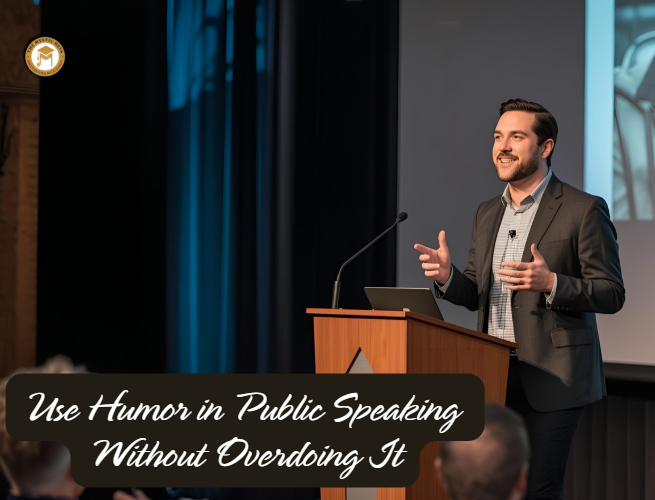
Public speaking can feel intimidating—even for seasoned speakers. The audience is watching, the lights are bright, and the pressure to keep everyone engaged can feel overwhelming. One of the most effective ways to break the tension and create a memorable experience is to use humor in public speaking.
When used thoughtfully, humor doesn’t just make people laugh—it builds connection, lightens the mood, and helps your audience remember your key points. On the other hand, if it’s overdone or misplaced, humor can easily distract, confuse, or even offend. Striking the right balance is essential for making your message resonate.
In this guide, we’ll explore practical strategies to use humor effectively in public speaking, showing you how to entertain, engage, and connect with your audience—without ever going too far.
Understand the Purpose | How to Use Humor in Public Speaking Effectively
Before adding humor, pause and ask yourself why you’re using it. Is it to make people laugh? Or to make them listen? The true purpose of humor in public speaking isn’t to perform stand-up comedy—it’s to connect.
When used with intention, humor can:
Break the ice and ease tension.
Make complex ideas simple and memorable.
Re-energize a tired audience.
Help you appear approachable and confident.
Think of humor as seasoning—it enhances your speech but shouldn’t dominate the flavor.
Know Your Audience | Using Humor in Public Speaking Without Missteps
Once you understand why you’re using humor, the next step is knowing who you’re talking to. A joke that delights a group of college students might puzzle a room full of executives.
Before you add a funny line, take time to understand:
Age group:Younger audiences may appreciate casual humor, while older ones might prefer wit or anecdotes.
Cultural context: Humor doesn’t always translate the same way across cultures.
Occasion:A professional seminar calls for subtle humor; a community event might welcome more playfulness.
Knowing your audience ensures your humor feels natural and respectful—not forced or misplaced.
Use Self-Deprecating Humor | A Natural Way to Use Humor in Public Speaking
Once you’ve gauged your audience, start by making them comfortable. A touch of self-deprecating humor can do wonders. It shows humility and relatability, helping your listeners feel at ease.
For example:
“When I first started public speaking, I was so nervous that I introduced myself twice.”
This kind of humor works because it’s safe and authentic. But be careful—too much self-mockery can make you appear unsure rather than confident. Use it as an icebreaker, not as a recurring theme.
Turn Experiences into Stories | Using Humor in Public Speaking Naturally
As you move deeper into your speech, stories are your best allies. Instead of cracking random jokes, share personal moments with a humorous twist.
For instance:
“I once tried to fix my slides right before a big presentation. My laptop decided it was the perfect time to install updates.”
Stories create connection. They make your audience nod, smile, and think, “That’s so true!”—which is far more powerful than a rehearsed punchline.
Time Your Humor Like a Musician
Just as rhythm defines music, timing defines humor, and knowing when to deliver a funny moment can make all the difference. If you introduce a joke too early, the audience might not be ready; wait too long, and the perfect moment could slip away. This is why it’s essential to use humor in public speaking strategically, placing it where it enhances engagement rather than distracting from your message.
Consider these key moments:
At the beginning,to break the ice and help the audience feel at ease.
In the middle, to re-energize listeners and refocus attention when energy dips.
At the end,to leave a memorable, positive impression that lingers after your talk.
Spacing your humorous moments thoughtfully allows the audience to process, react, and return their attention to your message before moving on. When done this way, using humor in public speaking feels natural, supports your ideas, and keeps your audience fully engaged.
Watch and Adjust Based on Reaction
As your talk unfolds, keep an eye on your audience. Are they smiling, chuckling, or leaning in? If yes, your humor is working.
If not—don’t force it. Avoid repeating the joke or overexplaining it. A smooth transition like,
“Well, maybe that was funnier in my head,” can earn a light laugh and help you move on gracefully.
Adaptability is the mark of a confident speaker.
Stay Away from Sensitive Topics
As you continue to build rapport with your audience, keep in mind that humor works best when it connects rather than divides.This means being careful with sensitive topics such as religion, politics, gender, appearance, or cultural stereotypes, since even a seemingly harmless comment can unintentionally offend or alienate someone in the audience.
Instead, shift your focus toward universal experiences that almost everyone can relate to. Everyday situations like technology glitches, minor life mishaps, or amusing travel stories provide a safe way to make people laugh. By choosing humor that is inclusive and relatable, you not only entertain your audience but also strengthen the connection, keeping them engaged and comfortable throughout your talk.
Enhance Delivery | Using Humor in Public Speaking Through Body Language
Words make people listen, but expressions make them laugh. Your body language and tone are vital tools for delivering humor effectively.
Try using:
A brief pause before the punchline.
A raised eyebrow or knowing smile.
A slight change in tone to highlight the humor.
These subtle techniques make your delivery feel natural and amplify the humor without trying too hard.
Rehearse and Refine
Even the most spontaneous-sounding humor benefits from practice. Rehearse your lines aloud, record yourself, and notice how it sounds. Are you rushing the funny parts? Does your tone feel forced?
You can also test your humor with friends or colleagues. If they laugh naturally, it’s a good sign. If not, revise or remove it. A clean, confident delivery always beats a shaky joke.
Keep Humor in Service of Your Message
As your speech develops, remember the golden rule: humor should support your message, not distract from it. Every story, line, or playful comment should somehow relate to your main theme.
For example, if you’re speaking about teamwork, a lighthearted story about a miscommunication during a group project can reinforce your point while keeping the tone friendly.
When humor strengthens your message, it adds value rather than noise.
End with a Smile—and Substance
A great ending stays with the audience long after the applause fades. You can wrap up with a line that’s both humorous and insightful:
“They say laughter is the best medicine, but in public speaking, it’s more like a vitamin—a small dose keeps everyone healthy and happy.”
Ending on such a note leaves your listeners smiling, thoughtful, and inspired.
Learn from the Masters
Finally, look to the masters for inspiration. Watch TED Talks by leaders like Ken Robinson or Brené Brown, who weave humor seamlessly into their presentations. Pay attention to how they time their pauses, use gestures, and modulate their tone—not to impress, but to genuinely connect with the audience.
By observing these techniques, you can begin to see how humor can be integrated naturally into your own speeches. Learning from experienced speakers sharpens your instincts, helping you craft moments of levity that feel effortless, authentic, and supportive of your message.
Final Thoughts
Humor is a bridge—it connects the speaker and audience through shared humanity. The challenge isn’t just to make people laugh; it’s to make them listen while they laugh.
When you use humor with intention, empathy, and restraint, your words don’t just entertain—they resonate.
At The Mystic Keys, we believe that effective communication—including the art of public speaking—is about connecting authentically. So, the next time you step on stage, don’t be afraid to let your humor shine. Just remember: A little wit goes a long way. Use it to highlight your message—not hide behind it.
For more information and exciting resources about learning music, visit our website at The Mystic Keys. For more music content and exciting offers follow us on