Ukulele Ensemble Playing | The Joy of Learning Music Together
There is something quietly magical about a group of ukuleles playing in harmony. A single instrument carries a warm and cheerful tone, yet when several players come together, that gentle sound expands into something far more textured and alive. Ukulele ensemble playing is not merely about performing songs; it is about building connections, nurturing confidence, and discovering the richness of collective creativity.
In a time when solo performances often receive the spotlight, ensemble music-making gently shifts attention toward collaboration. Shared learning transforms individual practice into a vibrant communal experience. Through this process, musicians grow not only in skill but also in understanding and empathy.

The Unique Charm of the Ukulele Ensemble in a Group Setting
Small in size but expansive in character, the ukulele possesses a tone that blends effortlessly with others. Its brightness brings clarity, while its softness prevents it from overpowering neighboring sounds. Because the instrument is approachable, beginners feel encouraged to participate, and seasoned players find room to explore nuance.
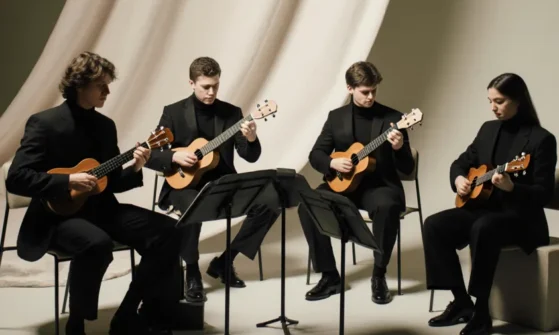
Within an ensemble, different roles naturally emerge. Some musicians anchor the group with steady rhythm patterns. Others shape the melody, allowing it to rise gently above the chords. Additional layers may come from fingerstyle passages or percussive strumming that enrich the overall texture.
Gradually, individual parts interlock like pieces of a musical puzzle. Instead of isolated sounds, listeners hear a unified tapestry. This transformation from many voices into one cohesive expression gives ensemble playing its unmistakable charm.

Building Confidence Through Collective Sound
Standing alone with an instrument can feel intimidating, especially for new learners. Uncertainty about timing or chord changes sometimes creates hesitation. However, the presence of fellow players softens that fear.
When music is shared, mistakes become less daunting. The group continues smoothly even if one person falters, creating a sense of reassurance. As rehearsals progress, shy strums turn into confident rhythms.
Confidence develops naturally within this supportive atmosphere. Applause belongs to everyone, reinforcing the idea that achievement is collective. Over time, players begin to trust both themselves and their ensemble.

The Art of Listening in a Ukulele Ensemble
Ensemble playing cultivates attentive listening in a way solo practice cannot fully replicate. Each musician must remain aware of tempo, balance, and phrasing. Careful attention ensures that no part overwhelms another.
Listening also involves subtle adjustments. Volume may shift to accommodate a melody line, or rhythm may tighten to maintain cohesion. Such responsiveness transforms performance into an ongoing dialogue.
With experience, this awareness becomes instinctive. Musicians anticipate changes before they occur and adapt seamlessly. Through this process, technical precision and expressive sensitivity develop side by side.
Strengthening Rhythm and Coordination in a Ukulele Ensemble
Rhythm forms the foundation of any successful ensemble. Even minor inconsistencies in timing become noticeable when multiple instruments play together. For that reason, rehearsals naturally sharpen precision.
Counting together encourages unity. Coordinated strumming builds a shared pulse that feels almost tangible. As synchronization improves, the music gains clarity and strength.
Visual cues further enhance coordination. A nod, a breath, or a lifted hand can signal transitions. Through consistent practice and mutual attentiveness, timing becomes fluid rather than forced.

Emotional Connection and Shared Expression
Music carries emotion in its phrasing and dynamics. A joyful tune radiates energy when performed collectively. Conversely, a reflective piece can create a quiet intimacy that resonates deeply with listeners.
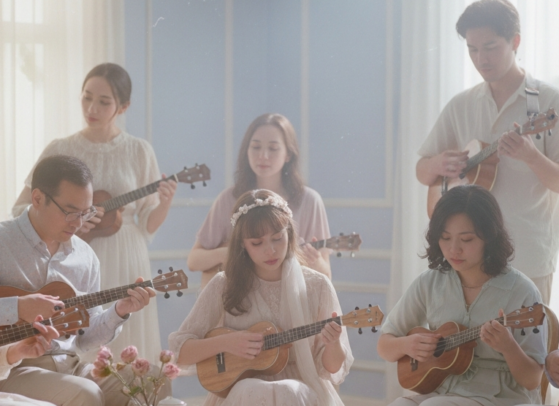
Shared expression strengthens emotional bonds among players. Sensitivity to one another’s interpretation fosters empathy and mutual respect. Rehearsals often include moments of laughter as well as concentration, blending discipline with warmth.
Friendships frequently grow from these experiences. Collaborative creativity builds trust, and performances become celebrations of that connection. In this way, ensemble playing nurtures both artistic and personal growth.
Encouraging Discipline While Preserving Enjoyment
Learning an instrument requires dedication and regular practice. Repetition refines technique, yet practicing alone can sometimes feel routine. Ensemble rehearsals introduce variety and renewed motivation.
Responsibility to the group inspires preparation. Each member understands that their contribution shapes the final sound. Such accountability encourages steady improvement without creating undue pressure.
At the same time, enjoyment remains central. Group warm-ups, shared challenges, and collective achievements infuse rehearsals with energy. Balance between structure and spontaneity keeps enthusiasm alive.

Creative Growth Through Collaboration
Arranging music for multiple ukuleles opens exciting creative possibilities. Simple chord progressions can evolve into layered harmonies and dynamic contrasts. Imagination flourishes when ideas are exchanged freely.
Collaboration transforms songs into shared creations. One player may suggest rhythmic variation, while another experiments with melodic embellishment. Gradually, the ensemble crafts a version that reflects its unique personality.
This process deepens musical understanding. Awareness of harmony, structure, and balance expands through experimentation. Ultimately, creativity thrives within the supportive framework of collective effort.

Performance as a Shared Achievement
Preparing for a performance brings focus and anticipation. Rehearsals gain intensity as the event approaches. Nervousness may surface, yet solidarity provides reassurance.
Stepping onto the stage together shifts perspective. Instead of individual anxiety, there is shared purpose. The first unified chord often dissolves lingering tension.
When the final note fades, satisfaction spreads across the group. Applause acknowledges a collective accomplishment. Memories formed in those moments continue to inspire long after the performance ends.

The Lasting Impact of the Ukulele Ensemble Experience
Ukulele ensemble playing leaves an imprint that extends beyond technical mastery. Patience, teamwork, and attentive listening become natural habits, especially in structured programs such as The Mystic Keys, where collaborative learning is thoughtfully encouraged. Through guided Ukulele Lessons Online, students experience how cooperation naturally replaces competition as the guiding principle.
Lessons learned in rehearsal echo in daily life. Respect for others’ contributions fosters stronger communities, both within the ensemble and beyond it. As learners engage consistently in Ukulele Lessons Online, they begin to see how shared melodies can reveal the quiet power of harmony in music and in relationships.
Ultimately, the joy of learning music together lies in unity. Separate voices blend into a single, resonant expression, shaped by encouragement and shared purpose. Within that harmony, nurtured through platforms like The Mystic Keys, musicians discover growth, friendship, and a lasting sense of belonging.
For more information and exciting resources about learning music, visit our website at The Mystic Keys. For more music content and exciting offers follow us on
Facebook, Instagram, YouTube, LinkedIn, Twitter, Pinterest, and Threads.