The Loudest Concert Ever Recorded in History
Introduction
Music concerts are designed to be powerful, immersive, and emotional—but some performances go far beyond entertainment. They become full-body experiences so intense that the ground shakes, buildings vibrate, and audiences feel the music in their bones. Among these unforgettable events, a few have pushed sound to such extreme limits that they are still discussed today when people talk about the loudest concert in history.
Among these legendary events, many fans search for one question above all:
“What was the loudest concert in history?”
This question has fascinated music lovers for decades because the answer is not as simple as it seems. Over the years, different bands have claimed the title—each pushing sound systems, amplifiers, and stage engineering to new extremes. What began as a quest for powerful live performances soon turned into an unofficial competition where volume became a badge of honour. Rock bands weren’t just trying to impress the audience—they were trying to be remembered, feared, and talked about for generations.
This answer takes us on a wild journey through rock legends, extreme stage setups, dangerous decibel levels, and an era when bands pushed the limits of sound technology to create performances that were louder, bigger, and more earth-shattering than anything heard before. These weren’t just concerts—they were sonic battles, where volume became a symbol of identity, rebellion, and raw musical power.
In this comprehensive guide, you will discover:
Which event is widely recognised as the loudest concert in history
Competing performances that tried to break the record—such as Deep Purple, The Who, and Manowar
How dangerously loud these concerts really were, supported by scientific decibel data
Real fan reactions and physical effects caused by extreme sound pressure
Why Guinness World Records stopped accepting volume-related records
How new concert safety laws changed the future of live sound
The lasting impact high-volume concerts left on music culture, audio engineering, and performance standards
By understanding these legendary events, we uncover not only the story behind the loudest concert in history but also the evolution of live sound—and how it shaped the concert experiences we enjoy today.
What Is Considered the Loudest Concert in History?
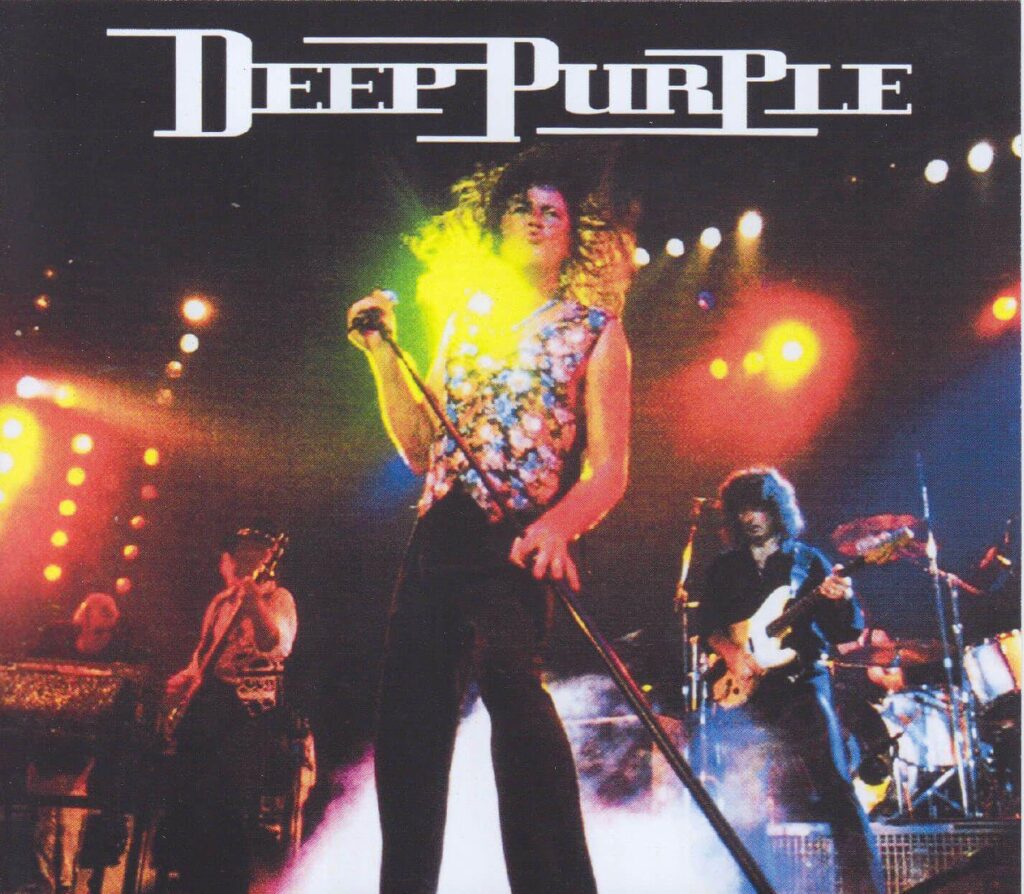
While many bands have delivered earth-shattering performances, one concert is still widely cited as the loudest concert in history—the legendary Deep Purple show at the Rainbow Theatre in London on March 31, 1972. This performance became so iconic that it was officially recognized by Guinness World Records for reaching an incredible 117 dB, measured at a distance of 30 meters (100 feet) from the stage.
To put that into perspective, 117 dB is louder than:
A jet engine during takeoff (around 110 dB)
A chainsaw (115 dB)
Standing directly beside speakers at a modern rock concert (100–110 dB)
The key reason this show became known as the loudest concert in history wasn’t just the raw volume—it was the overwhelming combination of crowd size, acoustics, sound equipment, and the sheer power of Deep Purple’s performance. The band was already famous for pushing their gear beyond standard limits, especially guitarist Ritchie Blackmore, who used high-powered Marshall amplifiers known for producing extreme sound pressure.
The Impact of the 1972 Deep Purple Concert
The loudness at the venue was so intense that:
Several audience members were reportedly knocked unconscious by sound pressure.
Some fans experienced temporary hearing loss and disorientation.
The performance triggered widespread discussion about safe sound levels at concerts.
The event influenced future sound engineering guidelines and stricter venue noise policies.
This historic show became such a cultural phenomenon that it remained in the Guinness record book for years, cementing its reputation as the loudest concert in history. Even though later bands attempted to surpass it, Deep Purple’s performance is still considered the benchmark for extreme concert loudness because it was the first scientifically measured and officially certified.
Why Guinness Doesn’t Track the Record Anymore
Guinness eventually retired the category due to increasing safety concerns. As bands tried to outdo each other, hearing damage, lawsuits, and health risks became too significant for the organisation to encourage competition. This decision further solidified Deep Purple’s 1972 show as the most officially recognised loudest concert in history.
How Loud Was the Loudest Concert in History?
Deep Purple’s 117 dB at 50 meters = Unbelievably extreme
To understand how powerful this is:
| Sound Source | Decibel Level |
|---|---|
| Busy Road | 70 dB |
| National Stadium Concert | 100 dB |
| Threshold of Pain | 120 dB |
| Jet Engine (Close Range) | 130 dB |
| Deep Purple (Effective Peak) | 130–135 dB near the stage |
Even at 50 meters away, Deep Purple reached 117 dB, proving why this performance is overwhelmingly considered the loudest concert in history.
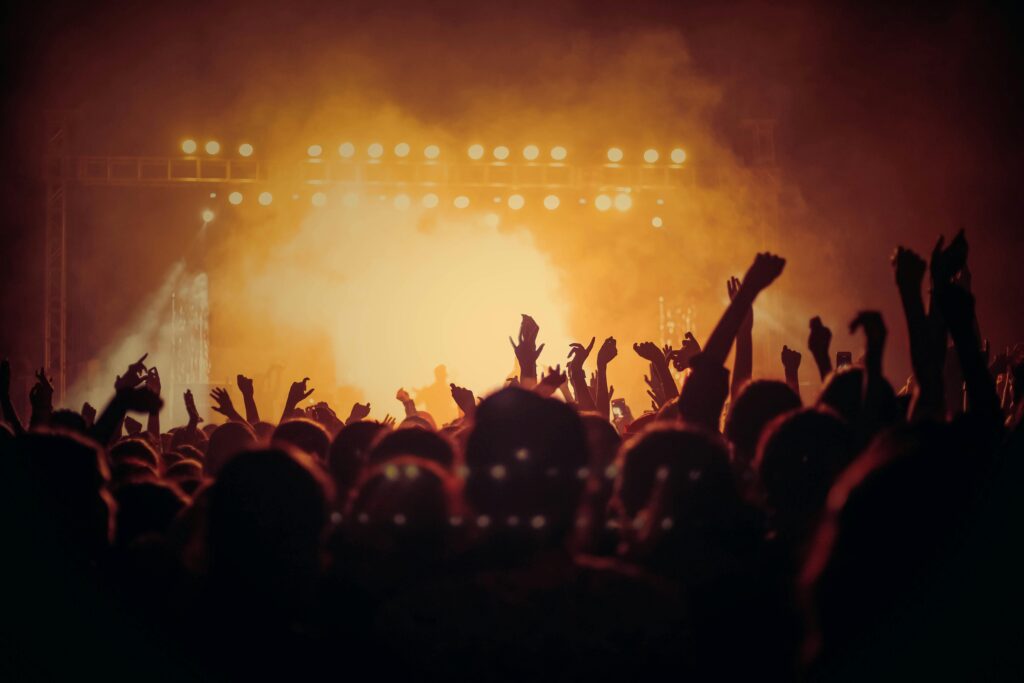
Why Deep Purple Created the Loudest Concert in History
Several factors contributed to this legendary event:
1. Enormous Marshall Amplifier Stacks
Deep Purple utilised powerful, custom-built Marshall amplifiers specifically designed for maximum output. These amps were iconic in the 1970s rock scene and known for delivering extreme sound pressure.
2. Acoustics of the Rainbow Theatre
The enclosed, echo-heavy architecture of the Rainbow Theatre in London amplified low frequencies and intensified the overall loudness of the performance.
3. Raw, Aggressive Sound of the 1970s
Before modern audio engineering techniques existed, bands relied heavily on sheer amplifier power and minimal sound regulation. This era shaped the loud, unfiltered rock sound that defined Deep Purple’s performances.
4. High-Energy Rock Setlist
Deep Purple performed explosive tracks like “Highway Star” and “Smoke on the Water”—songs built on aggressive riffs and powerful vocals, often played at dangerously high volume levels.
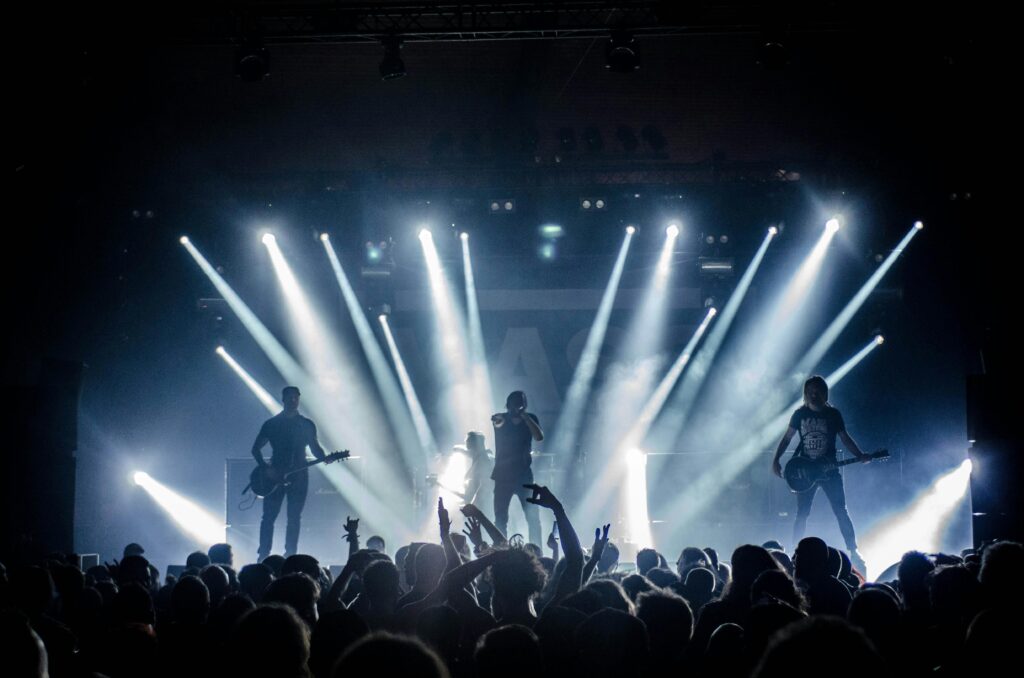
Bands That Challenged the Title of the Loudest Concert in History
Although Deep Purple holds the most widely recognized official record, several legendary rock and metal bands delivered performances that pushed the boundaries of volume. Many of these shows were even louder on paper—but they could not take the title of the loudest concert in history due to inconsistent measurements, unofficial testing methods, or lack of certified documentation.
Below are the most famous challengers:
1. The Who – 1976 (126 dB)
The Who has long been known as one of the loudest bands in rock history, and their 1976 performance at The Valley in London is often said to have surpassed Deep Purple’s volume. Reports and fan recollections describe the concert as overwhelmingly loud, with powerful guitar amplifiers, explosive drums from Keith Moon, and high-energy vocals.
Why It’s Not Officially the Loudest Concert in History
Despite hitting a massive 126 dB, The Who’s performance is not recognised as the loudest concert in history because:
- Measurements were inconsistent and taken at different distances
- Guinness World Records discontinued the “loudest band” category shortly after
- Some readings were taken dangerously close to the speakers, inflating the numbers
Even so, this show remains one of the most deafening performances ever recorded and cemented The Who’s legacy as pioneers of high-volume rock.
2. Manowar – 139 dB (Sound Check Record)
Manowar proudly holds the reputation of being “The Loudest Band on Earth.” Their 139 dB reading, achieved during a sound check in 1994, is one of the highest decibel levels ever produced by a musical act.
Why It Isn’t the Loudest Concert in History
Even though 139 dB exceeds most jet engines and is medically dangerous:
The reading was made during a sound test, not a live concert with an audience
It did not qualify under Guinness guidelines
The test was more of a technical demonstration than a public performance
Therefore, despite their incredible volume, Manowar’s achievement cannot replace Deep Purple’s official title.
3. Motörhead – 130 dB Range
Motörhead was famous for their philosophy: “Everything louder than everyone else.” Their concerts frequently pushed the 125–130 dB range, often making them louder than aeroplanes, jackhammers, or explosions.
Fans who attended their shows often reported:
Ringing ears for days
Powerful bass vibrations in the chest
Physical pressure from intense sound waves
Lemmy Kilmister believed that rock music should be felt as much as it was heard, which led Motörhead to consistently deliver some of the most brutally loud concerts in history.
4. KISS – Stage Explosions & 130 dB Shows
KISS was not only loud—they were theatrical. Their concerts frequently reached 125–130 dB, but what made them especially intense was the use of:
Massive pyrotechnics
Explosions and flame cannons
Thunderous drums
Huge arena speaker systems
These effects combined to create a sensory experience that was almost overwhelming. While exceptionally loud, their readings were not standardised scientifically, which prevented them from claiming the official title of the loudest concert in history.
5. AC/DC – Cannon Fire & Extreme SPL Levels
AC/DC’s concerts were already known for high volume, but their iconic “For Those About to Rock” cannon blasts took things to another level. These cannons could exceed 140 dB, reaching levels comparable to a fighter jet engine.
However:
The extreme readings came from the cannons themselves, not the full-stage audio system
Measurements were not taken according to Guinness standards
Many readings occurred during isolated moments, not during the full concert
Therefore, despite producing one of the loudest effects ever heard at a concert, AC/DC could not officially surpass Deep Purple for the title.

Why Guinness Stopped Recognizing the Loudest Concert in History
The loudest concert in history became such a controversial topic that Guinness World Records eventually decided to retire the category entirely. What started as a fun competition among rock bands quickly turned into a dangerous race that risked the health of fans, musicians, and venue staff.
Here are the major reasons Guinness discontinued the record:
1. Bands Began Intentionally Increasing Volume to Break the Record
After Deep Purple earned recognition for the loudest concert in the early 1970s, other bands started chasing the title. Groups like The Who, Manowar, and Motörhead pushed their systems louder and louder—not for musical clarity, but purely to beat the previous record.
This created a dangerous trend where volume became a publicity stunt, leading Guinness to worry that the competition encouraged unsafe behaviour.
2. Fans Were Experiencing Permanent Hearing Damage
Medical professionals began reporting cases of:
- Tinnitus (constant ringing in the ears)
- Temporary or permanent hearing loss
- Inner ear damage from extreme sound pressure
At decibel levels above 120 dB, the risk of hearing injury skyrockets. Some concerts reached 130–140 dB, a range where:
- Pain becomes immediate
- Eardrums can rupture
- Long-term damage is almost guaranteed
Guinness did not want to promote a record that could physically harm audiences.
3. Venues Suffered Structural Damage
Several venues reported:
- Cracked plaster and walls
- Vibrating foundations
- Damaged ceiling panels and lighting rigs
Deep Purple, The Who, and other high-volume bands performed in older buildings not designed for such extreme sound levels. The structural risks made the category too dangerous to support.
4. Encouraging Louder Concerts Became Unsafe and Ethically Problematic
Guinness realised that continuing to award the “loudest concert” title would push bands to take even bigger risks. The organisation did not want to be responsible for:
- Promoting unsafe sound practices
- Fueling a competition that endangered fans
- Encouraging higher decibel levels known to cause physical harm
Because the record incentivised dangerous behaviour, Guinness officially discontinued the category in the 1990s.
The Result: Deep Purple’s Achievement Became Permanently Cemented
By retiring the category, Guinness effectively froze the title in history.
This means:
- Deep Purple’s 1972 performance remains the most recognised and loudest concert in history
- Later, louder performances cannot officially challenge it
- The record stands as a unique moment in rock history that will likely never be repeated
Guinness’s decision ensured safety for future concertgoers while preserving one of rock’s most legendary achievements.
How Modern Rules Prevent Another Loudest Concert in History
1. Strict Sound Level Limits at Venues
Most countries today enforce maximum decibel limits for concerts—usually between 100–105 dB, depending on the duration of exposure. Sound engineers must monitor real-time SPL (Sound Pressure Levels) throughout the show, ensuring the music never reaches the dangerous 120–130 dB levels that defined older rock concerts.
2. Mandatory Sound Monitoring Equipment
Professional venues now use digital sound meters that log audio levels constantly. If the volume crosses the legal threshold, alarms alert the engineer, and in some cases, the venue’s power limiters automatically lower the output.
3. Artist and Crew Hearing-Protection Regulations
Musicians today are far more aware of hearing risks. Many use:
In-ear monitors (IEMs)
Noise-isolating earplugs
Controlled stage mixes
This greatly reduces the need for giant amplifiers blasting at maximum volume.
4. Architectural Acoustic Planning
Modern stadiums and arenas are designed with careful acoustic treatment. Instead of relying on raw amplifier power, engineers use strategic speaker placement, digital sound processors, and line arrays to ensure clarity without excessive volume.
5. Legal Liability and Insurance Requirements
If a concert exceeds legal noise limits and causes injury, organisers can face:
Lawsuits
Insurance penalties
Venue fines
Show cancellations
This legal risk alone prevents artists from attempting to recreate an extremely loud show.
6. The End of SPL Competitions
Guinness World Records’ retiring the category removed the incentive for bands to push beyond safe sound levels. Without a title to win, there is no reason for modern artists to risk fan safety or their careers.
Collectively, these rules ensure that the era of dangerously loud rock concerts has ended. While modern shows can still feel powerful and immersive, they are engineered for clarity—not destructive noise.
Why the Loudest Concert in History Still Matters
Even though modern regulations prevent concerts from ever reaching the extreme decibel levels of the past, the loudest concert in history has tremendous cultural, historical, and musical significance.
1. It Represents a Wild Era of Rock and Rebellion
Deep Purple, The Who, Motörhead, AC/DC, and other high-volume bands defined a time when music was bold, experimental, and unrestrained. Loudness symbolised freedom, power, rebellion, and raw energy.
2. It Transformed Modern Audio Engineering
The extreme noise levels of older concerts forced engineers to innovate:
Better speaker designs
Safer mixing techniques
Improved stage monitoring
Enhanced hearing protection
More efficient amplifier technology
The industry evolved because the limits had been pushed so far.
3. It Sparked Global Awareness About Hearing Safety
The deafening concerts of the past were responsible for:
Medical research on noise-induced hearing loss
Public awareness campaigns
Worldwide hearing protection standards
Concert safety laws
Today’s safer concert experiences exist because of the lessons learned from earlier excess.
4. It Cemented Rock Legends in History
Deep Purple’s 1972 performance—and the other massive shows from bands like The Who, Manowar, and Motörhead—became unforgettable cultural milestones. These concerts are studied, debated, and celebrated decades later.
5. It Shows How Far Live Music Has Come
Comparing past concerts to today reveals the evolution of live performance:
From raw volume to acoustic precision
From uncontrolled sound to engineered clarity
From risky experiences to safe, enjoyable events
The story of the loudest concert in history highlights the journey of music itself.
A Legacy That Will Never Be Repeated
Because of modern safety rules, engineering standards, and legal regulations, it is nearly impossible for any modern band to achieve—or surpass—the loudest concert in history.
And that’s a good thing.
The legendary shows of the past remain unforgettable not because they were reckless, but because they were a turning point—a moment when music pushed the limits of technology and human tolerance, shaping the concert experiences we enjoy today.
Conclusion
Why the loudest concert in history still matters goes beyond just holding a dramatic world record — it stands as a powerful reminder of how our understanding of sound, safety, and responsible entertainment has evolved. What once seemed like an extraordinary achievement later revealed the real risks of extreme volume, leading to stronger safety rules and modern noise regulations. Today, these improved standards allow us to enjoy live music with the same excitement but far less danger. The legacy of that historic concert remains a lesson, not in going louder, but in creating safer, richer, and more immersive musical experiences for everyone.
Intersted in learning music with us? Register now
For more information and exciting resources about learning music, visit our website at The Mystic Keys. For more music content and exciting offers follow us on
Facebook, Instagram, YouTube, LinkedIn, Twitter, Pinterest, and Threads.