The Evolution of Guitar Music in Film and Media
Introduction
The evolution of Guitar music in film and media has played a powerful and continuously transforming role in visual storytelling, shaping emotions, defining characters, enhancing narratives, and creating unforgettable cinematic moments. From gentle acoustic passages in early films to aggressive electric guitar riffs in modern action movies and subtle ambient textures in contemporary streaming content, the guitar has consistently adapted to the changing language of cinema and media.
At The Mystic Keys, we believe that understanding the evolution of guitar music in film and media helps musicians, students, and music lovers appreciate how deeply sound and storytelling are connected. This comprehensive blog explores the history, technological growth, stylistic developments, and emotional impact of guitar music across film, television, advertising, and digital media.
The Origins of Guitar Music in Early Cinema (1930s–1950s)

During the early decades of cinema, orchestral scores dominated film soundtracks. However, the guitar gradually emerged as a subtle yet meaningful instrument, particularly in genres that focused on realism, rural settings, and human emotion.
Role of Acoustic Guitar in Early Films
Primarily nylon-string and steel-string acoustic guitars
Strong influence of folk, country, and classical traditions
Used to support emotional scenes rather than dominate them
In Western films, the guitar symbolized freedom, travel, and solitude. In romantic and dramatic films, it conveyed intimacy and vulnerability. Even when used sparingly, guitar music added warmth and relatability to cinematic storytelling.
Cultural Shifts and the Rise of Electric Guitar (1960s–1970s)
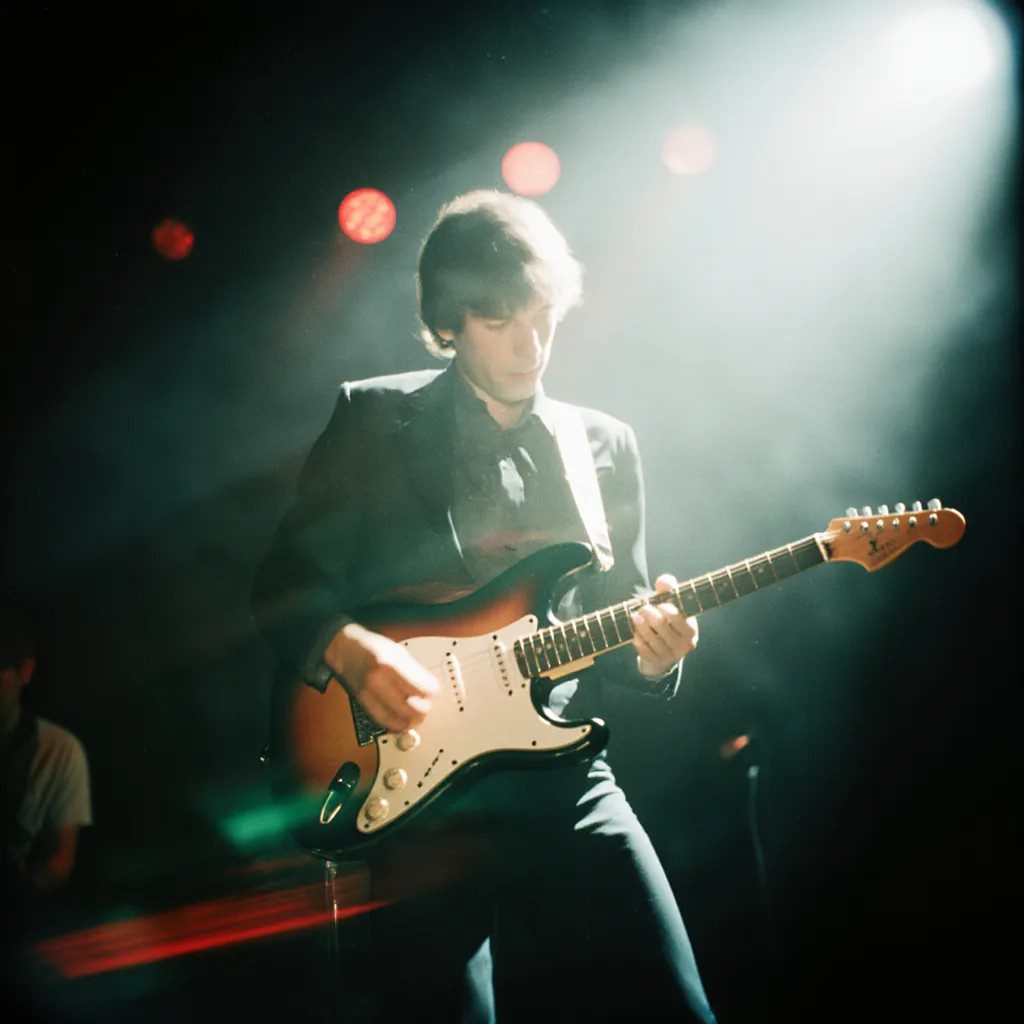
The 1960s and 1970s marked a turning point in both music and cinema. Rock and roll, blues, and psychedelic music reshaped popular culture, and the electric guitar became a symbol of rebellion, youth, and self-expression.
Guitar as a Cultural Statement
Distorted electric guitar tones gained prominence
Rock musicians began contributing directly to film soundtracks
Guitar-driven music represented counterculture movements
Films from this era used guitar music not only as background score but as a narrative voice. Electric guitar riffs amplified emotional intensity, reflected social change, and gave films a modern, edgy identity.
Genre Definition and Iconic Guitar Themes (1980s–1990s)

By the 1980s and 1990s, guitar music had become firmly established as a core element of film scoring. Advances in recording technology, amplification, and effects pedals allowed composers to experiment with richer and more complex guitar sounds.
Guitar Across Film Genres
Action Films: Powerful riffs and fast-paced solos to drive energy and tension
Drama Films: Clean electric and acoustic guitar tones for emotional depth
Romantic Films: Soft melodic guitar lines to express intimacy and longing
Sports & Inspirational Films: Uplifting guitar themes symbolizing perseverance
Many guitar themes from this era became iconic, often recognized instantly by audiences. Soundtracks featuring guitar music also achieved commercial success, influencing popular music trends outside cinema.
Guitar Music in Television Series and Episodic Storytelling
As television evolved, guitar music became a defining element in TV shows and episodic content. Opening theme songs and recurring motifs often relied on memorable guitar melodies.
Impact on Television Media
Guitar-based theme songs increased audience recall
Consistent guitar motifs helped define characters and moods
Used extensively in dramas, sitcoms, and youth-oriented shows
Television composers favored the guitar for its flexibility—it could sound modern, nostalgic, emotional, or energetic depending on context.
The Role of Guitar in Advertising and Brand Identity

Guitar music plays a crucial role in advertising and commercial media. Short guitar hooks and riffs are effective in capturing attention and building brand recognition.
Why Guitar Works in Advertising
Instantly relatable sound
Suitable for short-form content
Adaptable across demographics and cultures
From acoustic strumming that conveys trust to electric guitar riffs that suggest innovation and excitement, the guitar remains one of the most effective instruments in media branding.
Technological Advancements and Guitar Sound Design
Technological progress has significantly influenced how guitar music is used in film and media. Digital recording, sound processing, and effects have expanded the instrument’s expressive possibilities.
Key Innovations
Multi-track recording and digital audio workstations
Effects such as reverb, delay, distortion, and modulation
Guitar synthesizers and MIDI integration
Modern composers often treat the guitar as both a melodic and textural instrument, blending it seamlessly with orchestral and electronic elements.
Modern Cinema and Digital Media (2000s–Present)
In contemporary film, streaming platforms, video games, and web series, guitar music has taken on new roles. Instead of dominating the soundtrack, it often serves as an atmospheric or emotional layer.
Current Trends in Guitar Music for Media
Ambient and minimalist guitar textures
Fusion of rock, jazz, classical, and world music styles
Guitar-driven themes in video games and interactive media
Digital media platforms have expanded creative freedom, allowing guitarists and composers to experiment with unconventional sounds and storytelling approaches.
Emotional Psychology of Guitar Music in Visual Storytelling
The guitar’s emotional effectiveness lies in its human-like expressiveness. A single note, bend, or harmonic can communicate complex emotions without words.
Emotional Strengths of the Guitar
Expresses vulnerability, tension, joy, and introspection
Easily connects with audiences on a personal level
Enhances character development and narrative arcs
This psychological connection makes the guitar a timeless choice for filmmakers and content creators
Learning Guitar for Film and Media at The Mystic Keys
At The Mystic Keys, we go beyond traditional guitar lessons. Our programs help students understand how guitar music functions within film, television, and digital media.
What We Offer
Online acoustic and electric guitar lessons
Music theory and composition fundamentals
Genre-based learning: rock, classical, ambient, blues, and cinematic styles
Our structured curriculum is designed for beginners, intermediate learners, and advanced musicians who want to explore performance, composition, or media scoring.
Career Opportunities in Guitar and Media Music
Learning guitar for film and media opens doors to various creative career paths:
Music for advertisements and brand campaigns
Session guitarist and content creator
With the growth of digital platforms, skilled guitarists are in higher demand than ever.
Conclusion
The evolution of guitar music in film and media mirrors the evolution of storytelling itself. From simple acoustic accompaniments to immersive cinematic soundscapes, the guitar has remained a powerful narrative tool. Its adaptability, emotional depth, and cultural significance ensure its continued presence in future film, television, and digital media.
For those inspired to explore the cinematic potential of the guitar, The Mystic Keys provides professional, accessible, and comprehensive guitar lessons online, helping students develop musical skill, creative expression, and the confidence to transform passion into true artistry.
Intersted in learning music with us? Register now
For more information and exciting resources about learning music, visit our website at The Mystic Keys. For more music content and exciting offers follow us on
Facebook, Instagram, YouTube, LinkedIn, Twitter, Pinterest, and Threads.