Tala System in Hindustani Music: Rhythm Made Simple
The tala system in Hindustani music forms the rhythmic foundation of Indian classical performance. Just as melody gives music its emotional shape, rhythm gives it structure, balance, and flow. For beginners, tala may initially feel complex due to claps, waves, counts, and cycles, but when understood step by step, it becomes intuitive and deeply musical.
In Hindustani classical music, rhythm is not just about keeping time. It is a living framework that interacts with melody, improvisation, and expression. Whether you are a vocalist, instrumentalist, or music student, understanding tala helps you perform with confidence, accuracy, and artistic freedom.
This guide simplifies the tala system so that learners at any level can grasp its logic, purpose, and practical application.
Understanding Rhythm in Hindustani Music
Rhythm in Hindustani music is cyclical rather than linear. Instead of counting endlessly forward, rhythm moves in repeating cycles called talas. Each cycle creates a sense of return, grounding the music while allowing creativity within its boundaries.
Key elements of rhythm include:
Time organization
Repetition and balance
Interaction between melody and percussion
Predictability combined with variation
This cyclic nature is what makes Indian classical rhythm both structured and expressive.
What Is the Tala System in Hindustani Music?
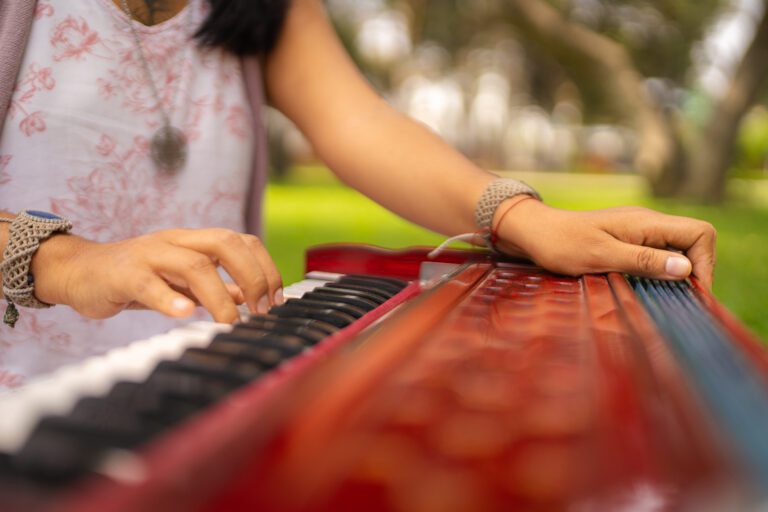
The tala system in Hindustani music is a rhythmic framework made up of a fixed number of beats arranged into sections. These beats repeat in cycles, allowing musicians to improvise while staying rhythmically aligned.
A tala consists of:
A set number of beats
Division into sections called vibhags
Accented and unaccented beats
A recurring rhythmic cycle
Unlike Western time signatures, tala emphasizes returning to the first beat of the cycle, creating anticipation and resolution.
Key Components of the Tala System
To understand the tala system clearly, it helps to break it into its core components.
Sam
Sam is the first and most important beat of the tala cycle. It marks the beginning and end of a rhythmic cycle and is strongly emphasized. Performers often return to sam together, making it a focal point of coordination.
Matra
Matra refers to each individual beat within a tala. The total number of matras defines the length of the rhythmic cycle.
Vibhag
Vibhags are sections within a tala that group beats together. These sections help performers remember the structure and maintain balance during performance.
Tali and Khali
Tali represents clapped sections of the tala, while khali represents waved sections. Together, they indicate stressed and unstressed parts of the rhythm.
Why the Tala System Is Cyclical
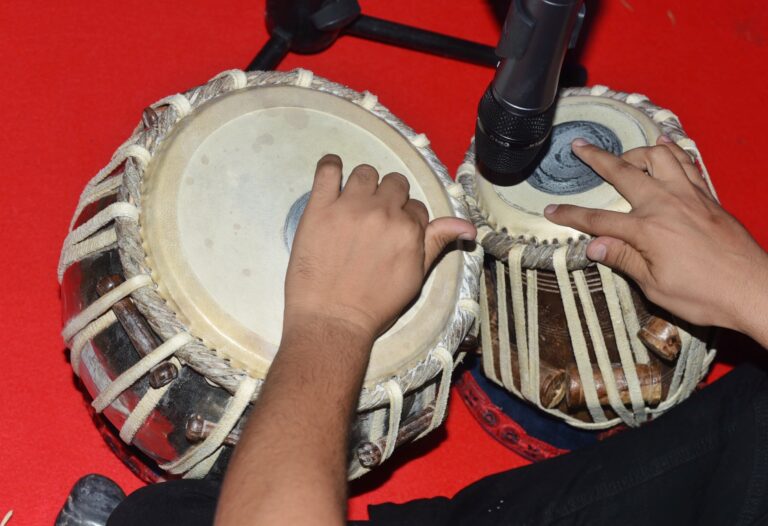
The tala system in Hindustani music operates in cycles rather than straight lines. This cyclical structure allows musicians to explore melodic ideas freely while staying rhythmically grounded.
Benefits of a cyclical rhythm include:
Clear points of return
Better coordination between musicians
Freedom for improvisation
Strong audience connection through repetition
As listeners become familiar with the cycle, they subconsciously anticipate sam, creating engagement and emotional impact.
Common Talas in Hindustani Music
Hindustani music features many talas, but a few are especially important for beginners.
Teentaal
Teentaal is the most commonly used tala, consisting of 16 beats divided into four sections of four beats each. It is widely used in vocal and instrumental music.
Ektaal
Ektaal has 12 beats arranged in six sections. It is often used in slower, more classical compositions.
Jhaptal
Jhaptal consists of 10 beats divided unevenly. Its asymmetrical structure adds rhythmic interest and challenge.
Keharwa
Keharwa is an 8-beat tala frequently used in light classical, devotional, and folk-based compositions.
Dadras
Dadras has 6 beats and is commonly used in semi-classical forms such as thumri and ghazal.
How Clapping and Waving Help Understand Tala
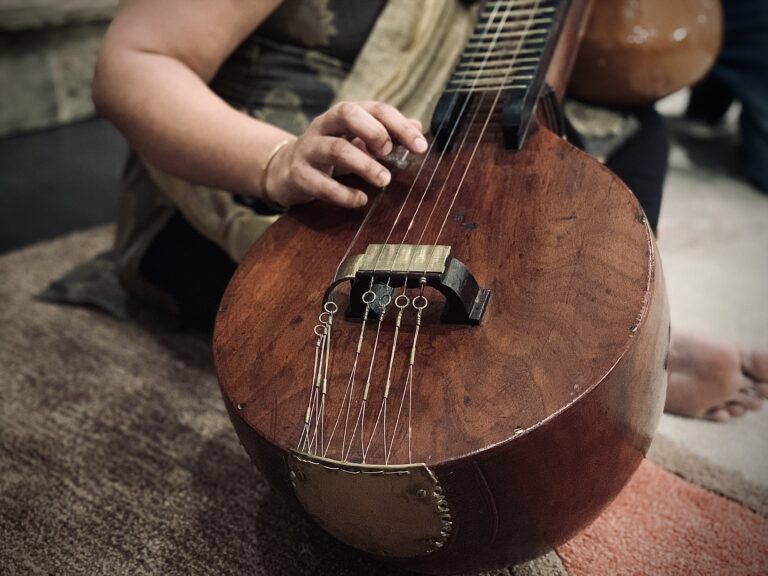
Physical gestures play a crucial role in learning the tala system in Hindustani music. Clapping and waving help internalize rhythm beyond counting numbers.
Clapping and waving help students:
Feel the rhythm physically
Remember tala divisions
Identify stressed and unstressed beats
Stay synchronized with other performers
These gestures act as visual and kinesthetic tools that reinforce rhythmic awareness.
The Role of Tabla in the Tala System
The tabla is the primary percussion instrument used to express the tala system. The tabla player maintains the rhythmic cycle while interacting creatively with the melody.
The tabla:
Emphasizes sam and important beats
Supports improvisation
Adds rhythmic variation through compositions
Understanding tala becomes much easier when listening closely to tabla patterns during practice.
Tala and Improvisation in Hindustani Music
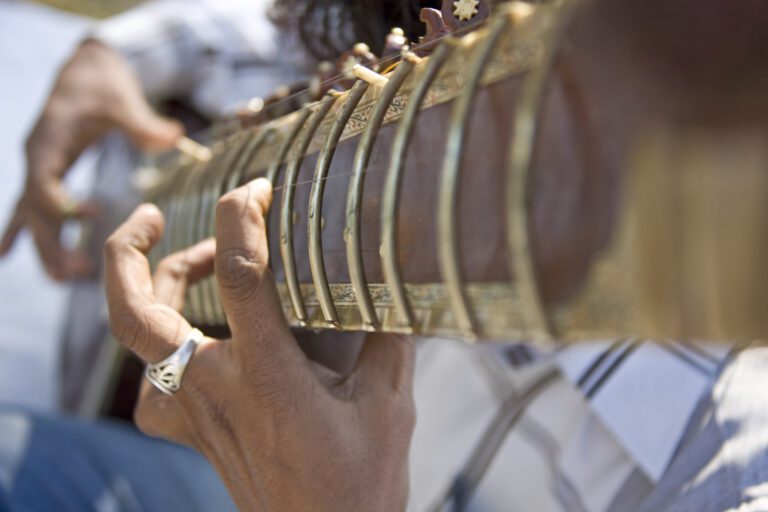
One of the most beautiful aspects of the tala system in Hindustani music is its relationship with improvisation. While the tala remains constant, melodic improvisation flows freely within its boundaries.
Improvisation within tala involves:
Staying aligned with the beat cycle
Returning to sam accurately
Creating rhythmic tension and release
Exploring creative phrasing
This balance between discipline and freedom defines the artistic depth of Hindustani music.
How Tala Supports Vocal Music
For vocalists, tala acts as a rhythmic anchor. It helps singers maintain tempo, phrase correctly, and coordinate with accompanists.
Vocal benefits of tala understanding include:
Improved timing and breath control
Stronger sense of phrasing
Better coordination with tabla
Confidence during improvisation
Even slow compositions rely heavily on internal rhythmic awareness.
How Instrumentalists Use the Tala System

Instrumentalists rely on tala to shape their phrasing, speed, and improvisational patterns. Whether playing sitar, harmonium, flute, or keyboard, rhythmic clarity is essential.
Instrumentalists use tala to:
Structure melodic ideas
Coordinate with percussion
Build climactic moments
A strong tala foundation enhances musical expression across all instruments.
Learning Tala as a Beginner
Beginners often feel intimidated by tala, but a gradual approach makes it accessible.
Effective learning strategies include:
Starting with simple talas
Practicing clapping patterns regularly
Listening actively to tabla
Counting aloud during practice
Singing or playing with recordings
Consistency matters more than speed when learning rhythm.
Common Mistakes When Learning Tala
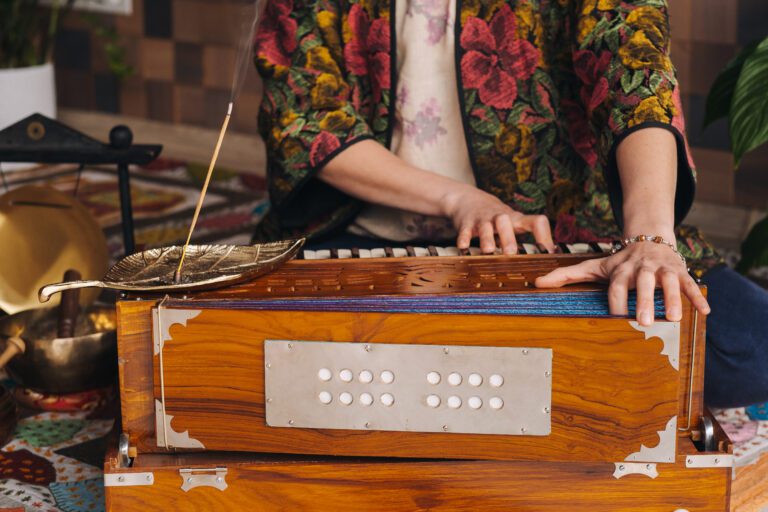
Understanding common mistakes helps learners progress faster.
Mistakes to avoid:
Focusing only on counting numbers
Ignoring sam placement
Losing awareness during improvisation
Relying solely on tabla cues
Developing internal rhythm is the ultimate goal.
Tala in Modern Learning Environments
Today, students can learn the tala system in Hindustani music using modern tools such as metronome apps, tala loop recordings, and interactive rhythm software.
These tools help:
Maintain steady tempo
Practice independently
Visualize beat cycles
Track rhythmic accuracy
Technology complements traditional teaching methods effectively.
Why Understanding Tala Deepens Musical Expression
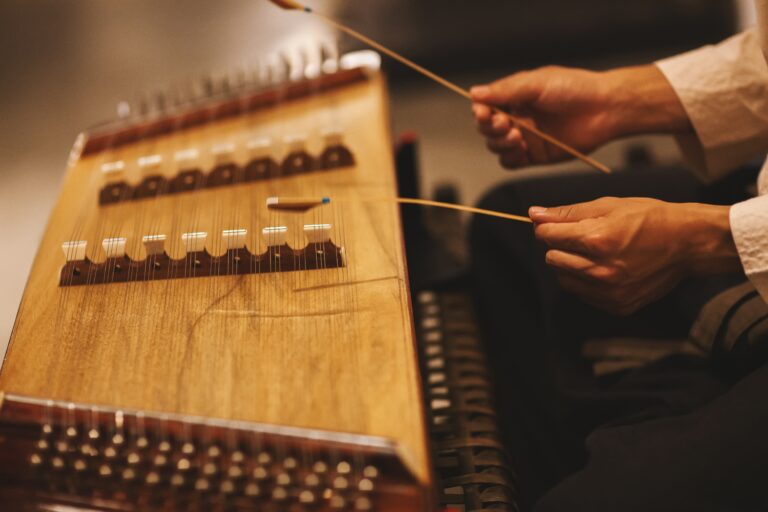
Tala is not just a technical requirement; it is a pathway to deeper musical expression. When rhythm becomes internalized, musicians can focus fully on emotion, phrasing, and communication.
A strong tala foundation allows musicians to:
Perform confidently
Collaborate effectively
Explore creative freedom
Respect tradition while innovating
Rhythm transforms music from sound into experience.
Conclusion
The tala system in Hindustani music is the heartbeat that gives structure, balance, and life to melody. By understanding its cycles, components, and expressive potential, musicians gain rhythmic confidence that enhances every aspect of performance.
Whether you are learning vocals, harmonium, or keyboard, mastering rhythm is essential. Structured guidance through Hindustani Lessons Online at The Mystic Keys helps learners develop rhythmic clarity, musical discipline, and artistic freedom in a supportive and modern learning environment.
For more information and exciting resources about learning music, visit our website at The Mystic Keys. For more music content and exciting offers follow us on
Facebook, Instagram, YouTube, LinkedIn, Twitter, Pinterest, and Threads.