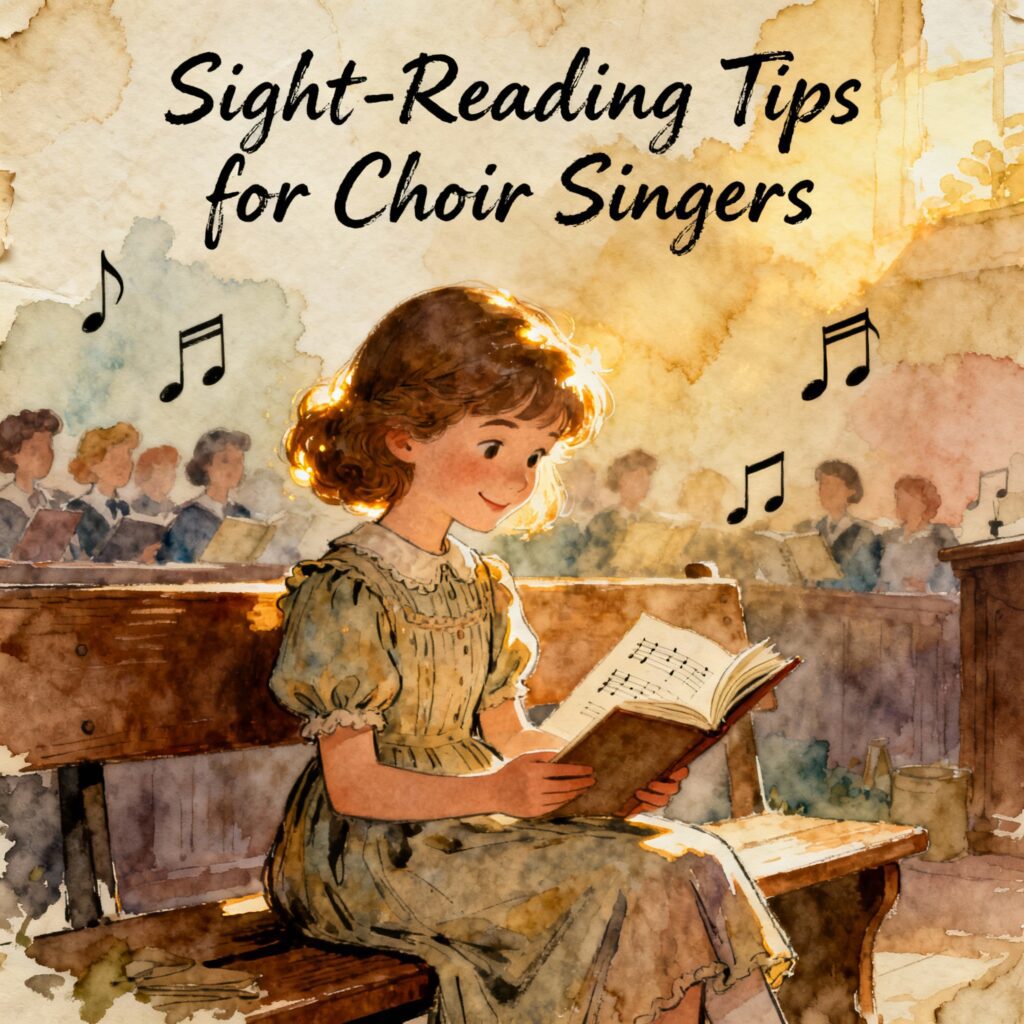
Sight-Reading Tips for Choir Singers
Sight-reading for choir singers is one of the most valuable skills a vocalist can develop, yet it is often one of the most challenging. Whether you are part of a church choir, school ensemble, community chorus, or professional vocal group, the ability to read and sing music accurately at first sight can transform your confidence, rehearsal efficiency, and overall musical growth. For many singers, sight-reading feels intimidating, but with the right approach, it becomes a powerful and achievable skill.
At The Mystic Keys, we see sight-reading not as a talent you are born with, but as a skill you train consistently. This guide is designed to help choir singers at every level understand sight-reading clearly, practice it effectively, and apply it confidently in rehearsals and performances.
Why Sight-Reading Matters for Choir Singers
Sight-reading for choir singers is more than simply singing the correct notes. It allows singers to respond quickly to new music, blend effectively with their section, and support the overall musical direction of the choir. Strong sight-reading skills reduce rehearsal time, lower stress during performances, and help choirs explore more challenging repertoire.
Choirs often work under time constraints, and singers who read music fluently contribute to smoother rehearsals. When each singer understands rhythm, pitch, and phrasing from the start, the ensemble can focus more on musical expression rather than constant correction.
Understanding the Basics of Sight-Reading in a Choir Setting
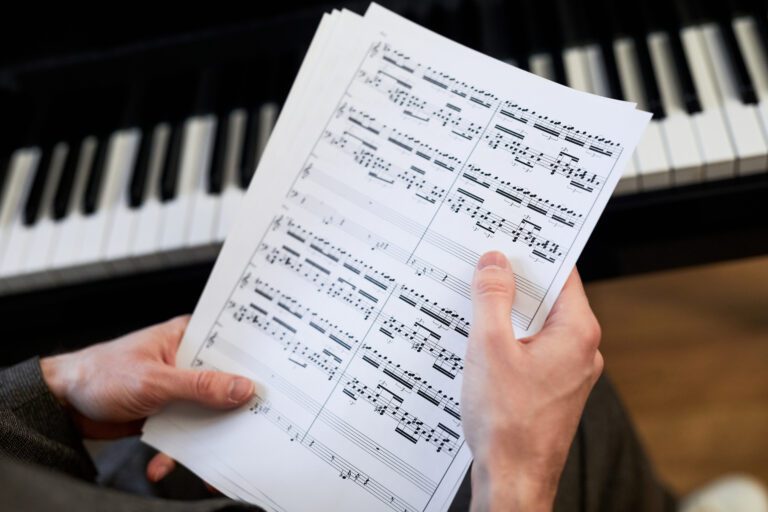
Sight-reading for choir singers begins with understanding how vocal music is structured. Unlike instrumentalists, choir singers rely heavily on internal pitch awareness and relative pitch. Before singing a single note, a singer should learn to scan the score carefully.
This includes identifying the key signature, time signature, tempo markings, dynamic instructions, and any repeated patterns. Recognizing these elements prepares the mind before the voice engages, reducing mistakes and hesitation.

How to Train Your Eyes Before You Sing
One of the most effective sight-reading tips for choir singers is learning to read ahead. Instead of focusing only on the note you are singing, train your eyes to anticipate what comes next. This skill allows smoother transitions, better rhythm control, and fewer pitch errors.
Practicing silent score reading is extremely helpful. Look at the music and imagine the sound internally before vocalizing. This mental rehearsal strengthens the connection between notation and sound, which is essential for accurate sight-reading.
Rhythm First: The Foundation of Sight-Reading for Choir Singers
Many choir singers struggle with sight-reading because they focus too much on pitch and ignore rhythm. Rhythm is the backbone of musical accuracy. If rhythm is incorrect, even correct pitches will sound wrong within the ensemble.
A strong approach is to clap or tap rhythms before singing. Count aloud, feel the pulse, and understand how notes fit within each measure. Once rhythm feels secure, adding pitch becomes much easier and more reliable.

Developing Pitch Accuracy Through Solfege
Sight-reading for choir singers improves significantly when solfege is part of regular practice. Using syllables such as do, re, mi helps singers understand pitch relationships rather than memorizing isolated notes.
Solfege strengthens relative pitch, which is critical in choral singing where harmony depends on how notes interact with each other. Over time, singers begin to recognize intervals visually and aurally, allowing faster and more accurate sight-reading.
Breathing and Posture While Sight-Reading
Good sight-reading is not only a mental skill but a physical one. Poor posture and shallow breathing can affect pitch stability and rhythm control. Choir singers should maintain relaxed posture, open chest alignment, and controlled breathing even when reading unfamiliar music.
When breath support is steady, singers can focus on reading accurately instead of struggling with vocal tension. This physical stability creates consistency during first-read performances.

Training Your Ear Alongside Your Eyes
Sight-reading for choir singers improves fastest when ear training and notation reading develop together. Singers should practice matching pitch accurately, recognizing intervals, and identifying chord tones within their vocal line.
Listening to simple melodies and reproducing them without written music strengthens internal pitch memory. This skill transfers directly to sight-reading, making unfamiliar notes feel more predictable and manageable.
Section Awareness in Choral Sight-Reading
Choir singers do not sing in isolation. Understanding how your part fits within the full harmony is essential. During sight-reading, be aware of whether your line carries the melody, harmony, or rhythmic support.
Listening across sections while maintaining your own line helps prevent drifting off pitch. Strong sight-readers balance confidence in their part with awareness of the ensemble’s sound.
Common Sight-Reading Mistakes Choir Singers Should Avoid
One common mistake in sight-reading for choir singers is stopping after an error. In performance and rehearsal, continuity is more important than perfection. Learning to recover quickly and continue singing builds resilience and confidence.
Another mistake is ignoring dynamics and articulation during sight-reading. Musical markings are part of the music, even on the first read. Paying attention to these details early helps choirs sound more unified and expressive.
Daily Practice Habits That Improve Sight-Reading
Consistent short practice sessions are more effective than occasional long ones. Choir singers benefit from reading a small amount of new music daily. Hymns, simple choral exercises, or unfamiliar melodies work well for this purpose.
Practicing slowly at first allows accuracy to develop before speed. Over time, tempo naturally increases as confidence grows. Patience and regular exposure are key to long-term improvement.

Using Technology to Support Sight-Reading Practice
Modern tools can support sight-reading for choir singers when used correctly. Apps that provide pitch reference, rhythm exercises, or sight-singing drills can supplement traditional practice.
However, technology should not replace active listening and ensemble awareness. The goal is to develop independent reading skills that translate directly into live choral settings.
How Choir Directors Can Support Sight-Reading Growth
Choir directors play a vital role in shaping sight-reading confidence. Encouraging a supportive rehearsal environment where mistakes are part of learning helps singers take risks without fear.
Gradually increasing musical difficulty and reinforcing fundamentals ensures steady progress. When singers feel safe to try, sight-reading becomes an empowering skill rather than a stressful task.

Sight-Reading and Performance Confidence
Strong sight-reading skills directly affect performance confidence. Choir singers who trust their reading ability feel more secure on stage, especially during complex or unfamiliar repertoire.
Confidence allows singers to focus on expression, blend, and communication rather than survival. This transformation elevates both individual singers and the choir as a whole.
Long-Term Benefits of Sight-Reading for Choir Singers
Sight-reading for choir singers is a lifelong skill that extends beyond choir rehearsals. It enhances overall musicianship, supports solo singing, and opens opportunities to join advanced ensembles.
At The Mystic Keys, we believe sight-reading is not about perfection but preparation. With structured guidance, consistent practice, and the right mindset, every choir singer can develop this essential musical skill.

Final Thoughts
Sight-reading for choir singers is a journey of patience, discipline, and musical awareness. By focusing on rhythm, pitch relationships, breathing, and consistent practice, singers gradually transform uncertainty into confidence. Choirs thrive when their members read fluently, listen deeply, and sing together with clarity and purpose.
If you are ready to strengthen your vocal foundation and grow as a confident choir singer, structured training and guided practice make all the difference. Explore Vocal Lessons Online through The Mystic Keys to build strong sight-reading skills with expert support and flexible learning options.
Intersted in learning music with us? Register now
For more information and exciting resources about learning music, visit our website at The Mystic Keys. For more music content and exciting offers follow us on
Facebook, Instagram, YouTube, LinkedIn, Twitter, Pinterest, and Threads.