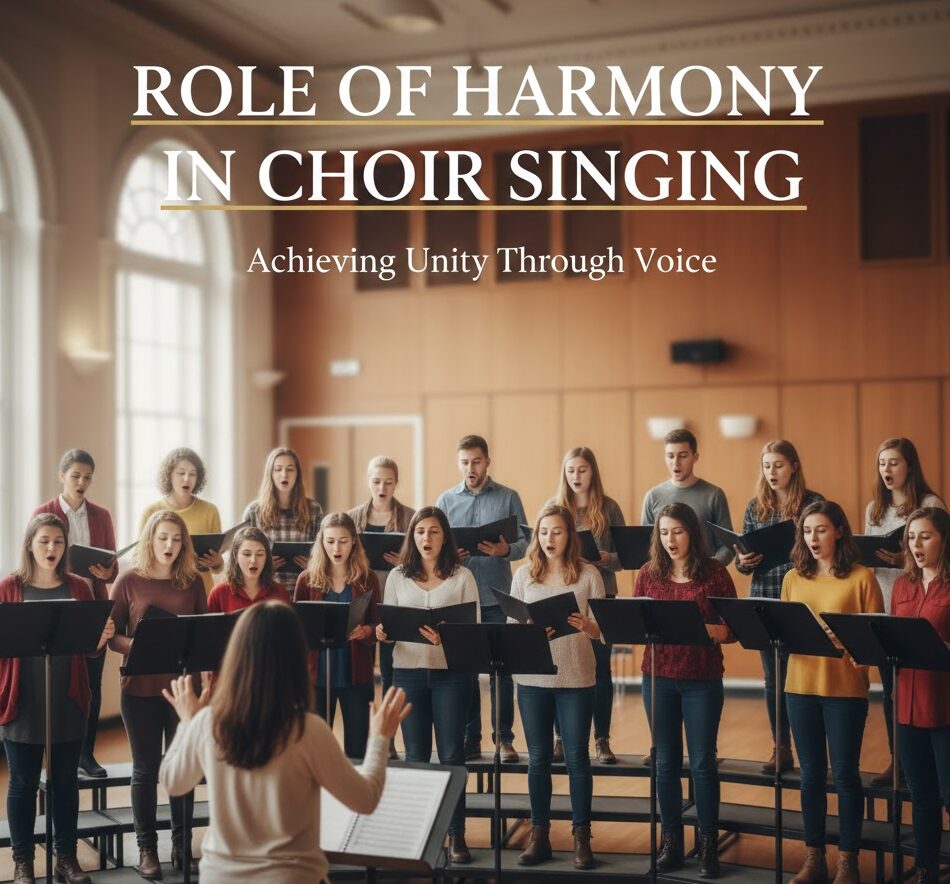
Role of Harmony in Choir Singing | Achieving Unity through voice
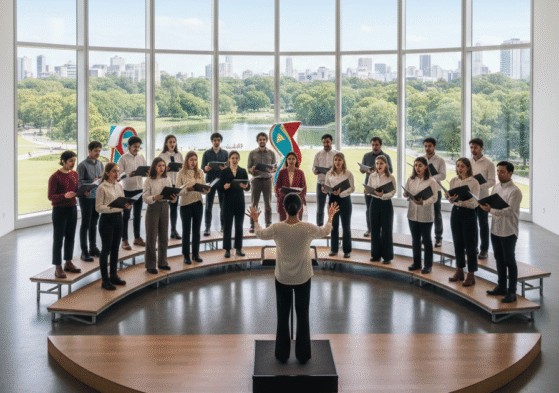
Choir singing has always been one of the most powerful expressions of collective music-making. Unlike solo performances, a choir thrives on togetherness—many voices blending into a single musical identity. At the heart of this unity lies harmony. Harmony is not merely an added musical layer; it is the element that gives choral music its depth, emotional richness, and spiritual resonance. Understanding the role of harmony helps singers, conductors, and listeners appreciate why choir music can feel so profound and transformative.
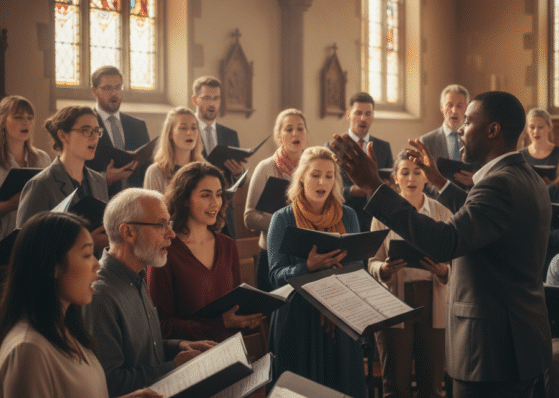
Role of Harmony in a Choral Context
Harmony in choir singing refers to the simultaneous sounding of different pitches that complement one another. While melody often carries the tune that listeners remember, harmony supports, colors, and elevates that melody. In a choir, harmony emerges when different voice parts—soprano, alto, tenor, and bass—interact with balance and intention. Each part has its own musical responsibility, yet none exists in isolation.
In choral music, harmony is also a discipline. Singers must listen as much as they sing, adjusting pitch, tone, and dynamics to ensure that their individual voice strengthens the collective sound. This active listening cultivates musical sensitivity and creates a shared awareness that is unique to ensemble singing.
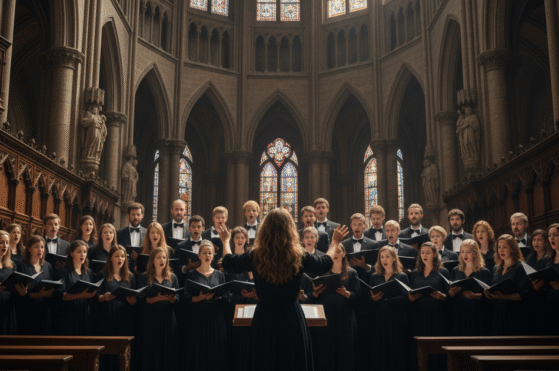
Role of Harmony in Emotional Depth and Expressive Power
One of the most significant roles of harmony in choir singing is its ability to convey emotion. Harmonies can create tension, release, warmth, or solemnity depending on how they are structured and performed. A simple chord, when sung with precision and blend, can evoke feelings that words alone cannot express.
In sacred music, harmony often symbolizes unity and transcendence, lifting the listener into a reflective or spiritual space. In secular choral works, it can paint vivid emotional landscapes—joyful celebrations, quiet introspection, or dramatic conflict. The emotional power of harmony lies in its subtlety; small shifts in pitch or voicing can completely transform the mood of a piece.

Role of Harmony in Unity, Balance, and Collective Responsibility
Harmony teaches singers the value of unity. In a choir, no single voice should dominate unless the music specifically calls for it. Instead, harmony demands balance, where each section supports the others. This balance fosters a sense of shared responsibility: every singer understands that their accuracy and commitment directly affect the overall sound.
This collective responsibility often extends beyond music. Choirs naturally encourage teamwork, discipline, and mutual respect. Harmony becomes a metaphor for collaboration—different voices, backgrounds, and strengths coming together to create something beautiful and meaningful.

Role of Harmony in Musical Growth and Aural Skills
Singing harmony significantly enhances a musician’s technical and aural skills. Choristers learn to recognize intervals, adjust intonation, and maintain their line even when surrounded by contrasting parts. This strengthens pitch awareness and musical independence.
For beginners, harmony can initially feel challenging, but with guidance and practice, it becomes an essential tool for musical growth. Platforms like The Mystic Keys, an online music learning platform, play an important role here by helping learners understand harmony through structured lessons, guided listening, and practical exercises. Such resources make complex musical concepts more accessible, even for those learning remotely.

Cultural and Historical Significance
Harmony has shaped the evolution of choral music across cultures and centuries. From the early organum of medieval church music to the rich polyphony of the Renaissance and the expressive harmonies of modern choral compositions, harmony reflects changes in musical thought and cultural expression.
Different traditions approach harmony in unique ways. Western classical choirs often focus on structured chordal harmony, while folk and contemporary choirs may explore open harmonies, drones, or experimental textures. This diversity shows how harmony adapts while remaining central to choral identity.
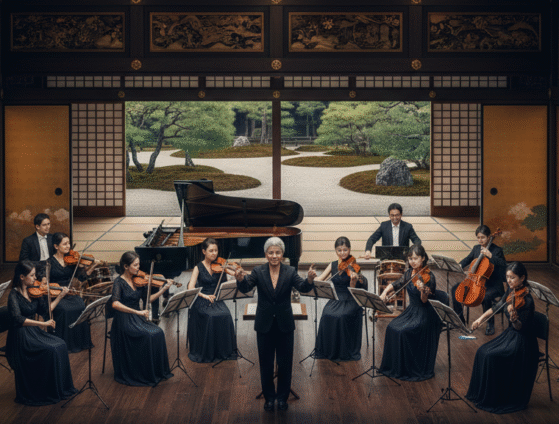
Role of Harmony in Modern Choir Singing
In today’s musical landscape, choirs are more versatile than ever. They perform classical works, contemporary arrangements, film scores, and even popular music. Harmony allows these transitions by providing flexibility and richness across genres. Modern choirs often experiment with close harmonies, vocal effects, and unconventional voicings, pushing creative boundaries while still relying on the fundamental principles of harmonic balance.
Online learning platforms such as The Mystic Keys support this modern approach by offering accessible training for singers who may not have traditional classroom exposure. Through digital tools, learners can explore harmony at their own pace while staying connected to the communal spirit of choral singing.
Conclusion
Harmony is the soul of choir singing. It transforms individual voices into a unified musical expression and gives choral music its emotional, cultural, and artistic depth. Beyond technical skill, harmony teaches listening, cooperation, and empathy—qualities that resonate far beyond the rehearsal room.
Whether learned in a traditional choir setting or through modern resources like The Mystic Keys, harmony remains essential to understanding and experiencing the true power of choral music. It reminds us that music, at its best, is not about standing alone, but about standing together—different voices, perfectly aligned, creating one resonant sound.
For more information and exciting resources about learning music, visit our website at The Mystic Keys. For more music content and exciting offers follow us on
Facebook, Instagram, YouTube, LinkedIn, Twitter, Pinterest, and Threads.