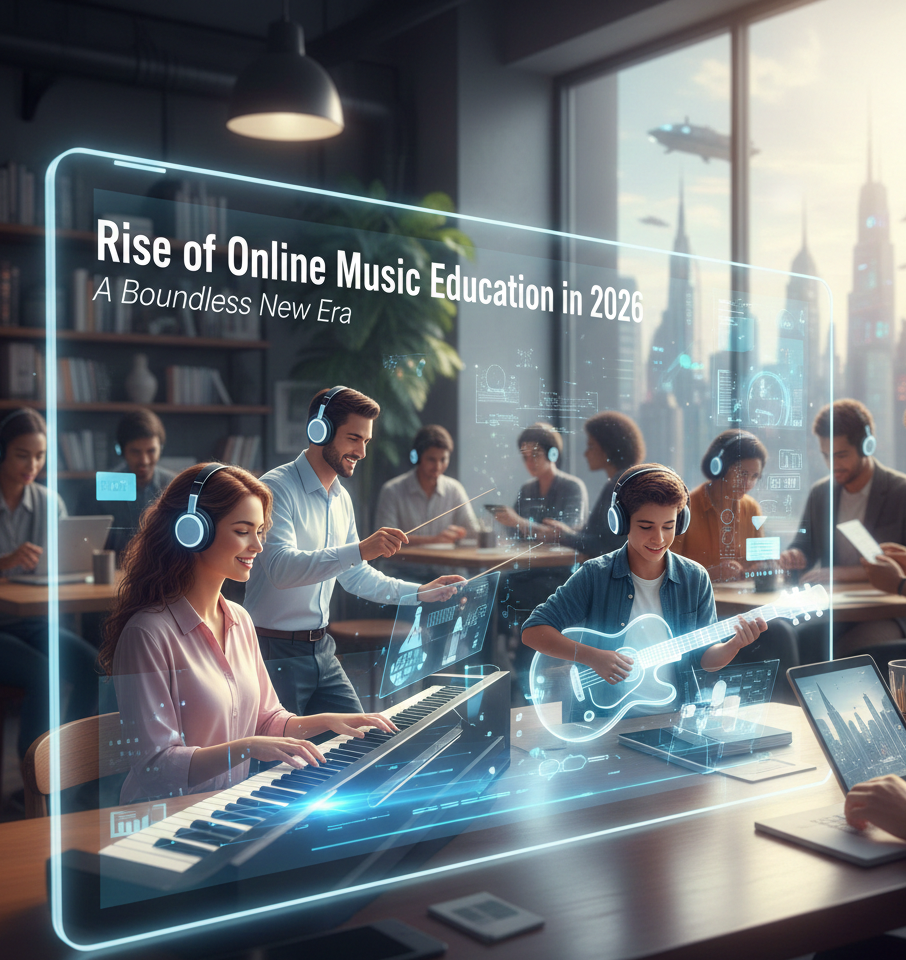
Rise of Online Music Education in 2026 | A Boundless New Era
The way people learn music has changed quietly yet profoundly over the past decade. By 2026, the rise of online music learning has become impossible to ignore. What was once seen as a temporary alternative to in-person lessons has evolved into a respected and widely preferred form of learning. Online music education is no longer just about convenience; it reflects a deeper rethinking of how musical knowledge is shared, practiced, and experienced worldwide. For many learners, it has opened doors that traditional systems once kept closed.
As technology, pedagogy, and cultural attitudes come together, online music learning in 2026 sits at the crossroads of accessibility, personalization, and global collaboration. Digital platforms now support structured guidance alongside creative freedom, allowing learners to progress with clarity and confidence. Teachers, too, are reimagining their roles in this evolving space. Together, these changes are reshaping the musical journey into one that is more inclusive, flexible, and globally connected.
The Rise of Online Music Learning | From Emergency Solution to Mainstream Practice
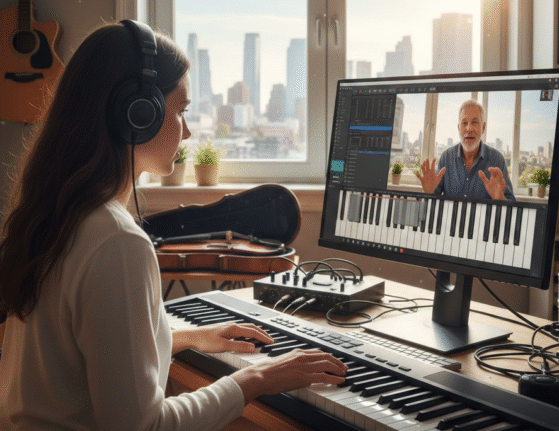
The early rise of online music learning was largely reactive rather than intentional. Teachers and students initially turned to digital platforms out of necessity, often treating them as temporary substitutes for physical classrooms. At first, the experience felt experimental and uncertain. Over time, however, both groups began to see that online instruction was not inferior—it simply followed a different rhythm. This realization laid the foundation for a more confident shift toward digital learning.
By 2026, this perception has fully evolved. Online music learning is no longer viewed as a compromise but as a credible, long-term educational model. Institutions, independent tutors, and learners now design programs specifically for online delivery rather than copying offline methods. Teaching strategies, lesson structures, and assessments have adapted to the digital space. This shift in mindset has been a defining moment, allowing online music education to grow and thrive on its own terms.
Technology as an Enabler, Not a Distraction
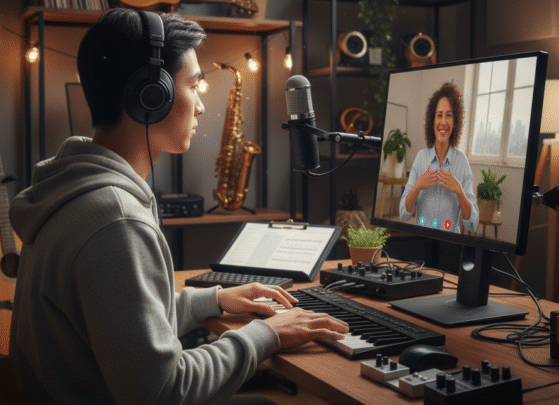
One of the key drivers behind the rise of online music learning is the seamless integration of technology into the learning process. By 2026, digital tools no longer feel intrusive; they work quietly in the background to support musical growth. Students can now access virtual instruments, AI-assisted practice aids, and collaborative platforms that make learning more interactive and engaging. Gamified lessons and progress tracking motivate learners to stay consistent and explore new musical genres. This technology also bridges gaps for learners with disabilities, making music education more inclusive and accessible.
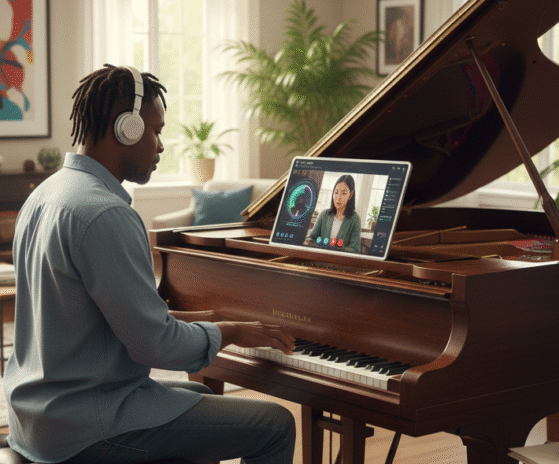
High-quality audio, low-latency video, and intelligent practice tools allow teachers to hear nuance and technique with greater clarity. Learners benefit from real-time feedback, recorded sessions, and interactive notation. Virtual masterclasses and global workshops give students exposure to diverse styles and teaching methods, expanding their musical horizons. Technology enhances creativity, encourages experimentation, and strengthens focus. Rather than replacing the human element of music education, it deepens teacher–student communication and overall learning experience.
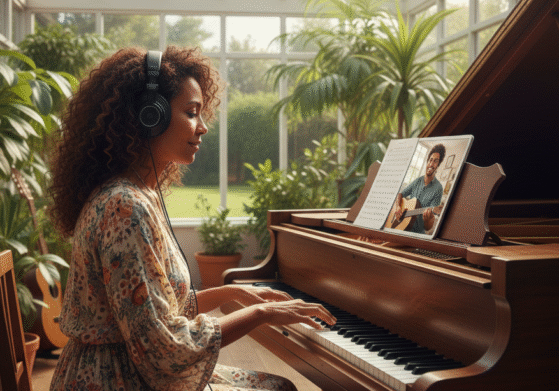
Personalized Learning at the Core
Another defining feature of online music education in 2026 is its emphasis on personalization. Traditional classroom settings often require a one-size-fits-all approach, constrained by fixed schedules and standardized lesson plans. Online learning, by contrast, offers the flexibility to adapt instruction to individual goals, learning speeds, and musical interests.
This personalized approach has proven especially valuable for music learners, whose needs can vary widely depending on genre, instrument, and prior experience. Whether a student is preparing for professional performance, learning music as a creative outlet, or returning to an instrument after years away, online platforms allow lessons to be tailored with precision. As a result, learners feel more engaged, motivated, and invested in their progress.
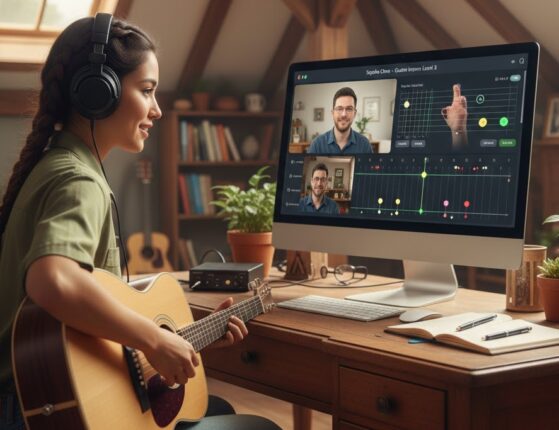
The Rise of Online Music Education Beyond Geography
Perhaps the most transformative impact of online music learning lies in its ability to transcend physical boundaries. In 2026, access to high-quality music education is no longer limited by location. Students in small towns or remote areas can now learn from accomplished musicians and educators based anywhere in the world.
This global reach has enriched the learning experience in unexpected ways. Exposure to diverse teaching styles, cultural traditions, and musical philosophies has broadened students’ perspectives and deepened their appreciation of music as a universal language. At the same time, teachers are able to build international studios, reaching students they would never have encountered in a purely local setting.
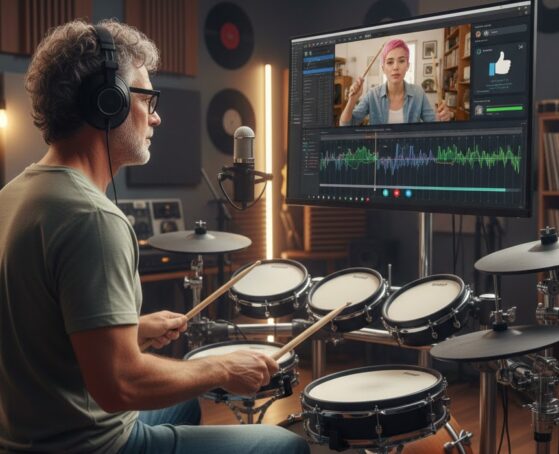
Redefining the Teacher–Student Relationship
The rise of online music learning has also reshaped the dynamics between teachers and students. Without the formal structure of a physical classroom, relationships often become more collaborative and conversational. Lessons tend to focus less on rigid instruction and more on shared exploration, problem-solving, and reflection.
In 2026, many educators act not only as instructors but also as mentors and guides, supporting students in setting goals, developing practice habits, and navigating creative challenges. The ability to revisit recorded lessons and maintain ongoing communication outside scheduled sessions further strengthens this connection, creating a sense of continuity that extends beyond weekly classes.
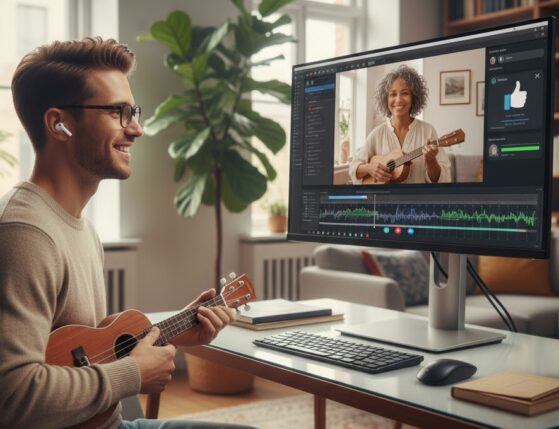
The Rise of Online Music Learning as a Lifelong Practice
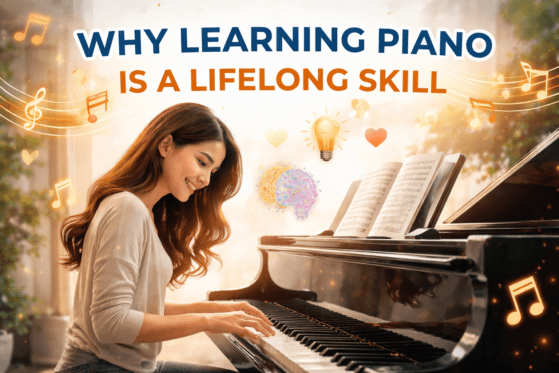
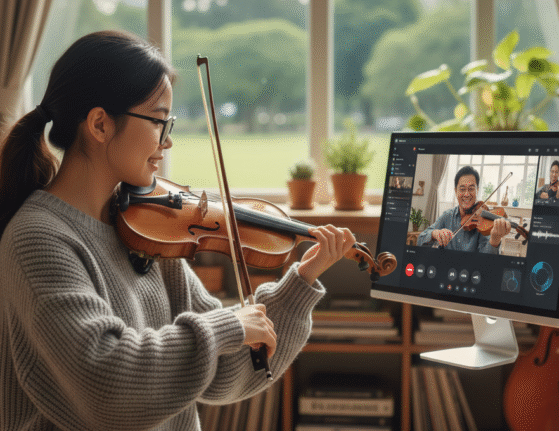
Online music education has made learning music a lifelong pursuit rather than just a childhood phase. Adults with busy schedules, careers, or family find online lessons much easier to fit into their lives. The ability to learn at one’s own pace removes the pressure of rigid class timings, making music study more enjoyable and sustainable. Learners can revisit lessons, experiment freely, and explore styles that truly interest them, creating a more personal and engaging experience. This approach has shifted music from being a structured obligation to a flexible, fulfilling journey.
By removing barriers like travel and fixed lesson times, online platforms help learners weave music into daily routines. In 2026, this flexibility has inspired more people to start—or return to—music, benefiting both personal well-being and the wider musical community. Beyond convenience, online learning also opens doors to global instructors, collaborative opportunities, and diverse musical genres. This exposure encourages creativity, broadens perspectives, and fosters a sense of connection with musicians worldwide. As a result, music is no longer confined to classrooms—it becomes a living, evolving part of everyday life.
Challenges That Continue to Shape the Space
Despite its rapid growth, online music learning in 2026 is not without challenges. Maintaining student discipline, ensuring consistent practice, and fostering performance confidence in virtual settings remain ongoing areas of exploration. Educators continue to refine methods for addressing these issues, often blending online instruction with occasional in-person workshops or virtual performance opportunities.
Rather than slowing progress, these challenges have pushed the field toward innovation. The continued experimentation with hybrid models and community-based online learning reflects a willingness to adapt and improve, ensuring that online music education remains dynamic and responsive.
Looking Ahead | A Harmonized Future
As we move further into 2026, it is clear that online music learning is not a passing trend but a permanent and evolving part of the educational landscape. Platforms like The Mystic Keys are leading the way, showing that the true success of online lessons lies not in replacing traditional education, but in expanding what is possible—opening doors, personalizing learning journeys, and connecting people through sound and creativity.
The rise of online music learning represents a broader cultural shift toward flexibility, inclusivity, and global connection. By embracing these values, The Mystic Keys demonstrates how music education can thrive in the digital age, proving that even online, the human desire to learn, create, and express through music remains as strong and vibrant as ever.
For more information and exciting resources about learning music, visit our website at The Mystic Keys. For more music content and exciting offers follow us on
Facebook, Instagram, YouTube, LinkedIn, Twitter, Pinterest, and Threads.