Learning popular choral songs as a beginner can feel both exciting and overwhelming. Choir music often sounds rich, powerful, and emotionally moving, yet many beginners worry that choral singing is too complex or requires years of training. The truth is, with the right guidance and structured approach, anyone can begin learning popular choral songs confidently and joyfully.
At The Mystic Keys, we believe choral singing is one of the most beautiful ways to grow musically. It develops listening skills, vocal control, teamwork, and musical confidence. This guide is designed to help beginners understand how to approach choral music step by stepwithout pressure, confusion, or unrealistic expectations.
Whether you are a student, a parent exploring music education, or an adult returning to music after years, this blog will show you how to learn choral music the right way.
Understanding What Makes Choral Music Unique
Choral singing is different from solo singing. In a choir, voices blend together to create harmony, balance, and emotional depth. Beginners often assume they must be perfect singers to join a choir, but choral music is designed to support every voice.
Once you understand these fundamentals, learning popular choral songs becomes far more approachable.
Choosing the Right Popular Choral Songs as a Beginner
Not all choral pieces are beginner-friendly. Starting with the right material makes learning smoother and more enjoyable.
Beginner-friendly popular choral songs usually have:
Simple melodies
Repetitive patterns
Clear lyrics
Moderate tempo
Limited vocal range
Examples of commonly chosen styles include inspirational songs, simple worship pieces, folk arrangements, and modern choral adaptations of well-known songs.
At The Mystic Keys, beginners are always introduced to choral songs that allow them to succeed early, building confidence before moving to complex arrangements.
Learning Your Vocal Part Step by Step
One of the most important skills in choral singing is learning to focus on your assigned part.
Choirs are typically divided into:
Soprano
Alto
Tenor
Bass
As a beginner, you do not need to worry about vocal labels immediately. What matters is understanding where your voice fits comfortably.
This method prevents overwhelm and strengthens musical accuracy.
Developing Pitch Accuracy and Listening Skills
Choral singing trains your ear more than any other musical activity. Beginners often struggle not because they lack talent, but because their listening skills are still developing.
To improve pitch and listening:
Match pitch with a piano or guide track
Hum your part before singing lyrics
Listen to other sections without copying them
Practice call-and-response exercises
Sing scales together with others
At The Mystic Keys, ear training is woven naturally into every choral lesson, ensuring beginners develop accuracy without frustration.
Understanding Harmony Without Fear
Harmony may sound complicated, but it does not need to be.
Harmony simply means singing a different note that supports the melody. Beginners are often surprised by how satisfying harmony feels once they stop trying to sing the melody.
Helpful harmony tips for beginners:
Trust your assigned notes
Avoid drifting toward the melody
Listen more than you sing initially
Let your voice blend, not dominate
Stay relaxed and steady
Harmony becomes easier with repetition and guided practice.
Breathing Techniques for Choral Singing
Breathing is the foundation of good choral sound. Poor breathing causes strain, pitch issues, and fatigue.
Basic choral breathing principles include:
Breathing deeply from the diaphragm
Avoiding shoulder movement
Taking quick, silent breaths
Supporting long phrases evenly
Simple breathing exercises before rehearsal make a noticeable difference, even for beginners.
Pronunciation, Diction, and Unified Sound
Choral singing is about unity. When everyone pronounces words differently, the song loses clarity.
Beginners should focus on:
Clear vowel shapes
Soft consonants
Matching word endings
Watching the conductor for cues
Unified diction helps the choir sound professional, even at an early level.
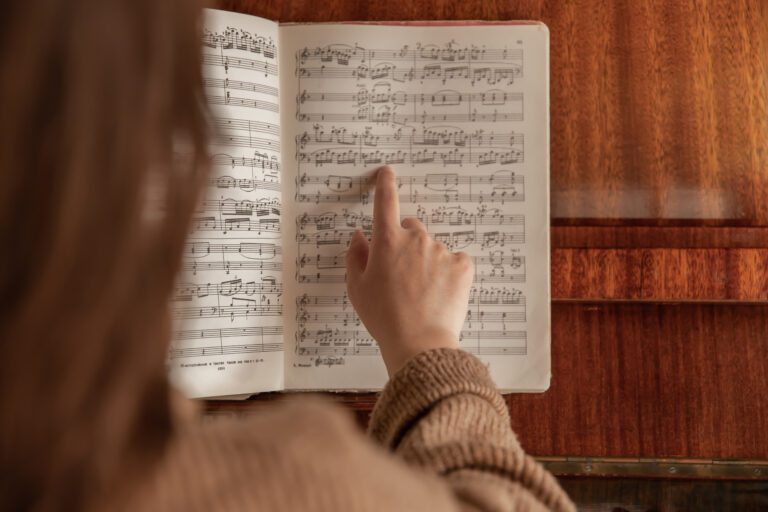
Reading Basic Choral Sheet Music
You do not need advanced music theory to learn popular choral songs. However, understanding basic notation helps you learn faster.
Important elements include:
Reading pitch direction (up or down)
Following rhythmic patterns
Recognizing repeats
Watching dynamic markings
At The Mystic Keys, beginners are introduced to reading music gradually, without pressure, through practical singing rather than theory-heavy lessons.
Practicing Popular Choral Songs at Home
Home practice does not need to be long or stressful. Short, focused sessions are far more effective.
An ideal beginner practice routine includes:
5 minutes of breathing warm-ups
5 minutes of vocal exercises
10 minutes of song practice
Listening to recordings afterward
Consistency matters more than duration.
Singing With Confidence in a Group
Many beginners feel nervous singing in front of others. This is completely normal.
Confidence grows when:
You know your part well
You trust the group sound
You focus on blending, not perfection
You attend rehearsals consistently
Choir singing is one of the safest musical environments to grow confidence because no one sings alone.
Common Mistakes Beginners Should Avoid
Avoiding common mistakes helps beginners progress faster.
These include:
Singing too loudly
Trying to copy other parts
Skipping warm-ups
Ignoring the conductor
Overthinking mistakes
Mistakes are part of learning. Progress matters more than perfection.
Why Learning Choral Songs Is Ideal for Beginners
Choral singing offers benefits that few other musical experiences can match.
These benefits include:
Improved pitch accuracy
Stronger breathing control
Enhanced musical listening
Emotional expression
Teamwork and discipline
Confidence building
At The Mystic Keys, choral training is viewed as a powerful foundation for all musical growth.
Learning Choral Songs Through Online Guidance
Modern online learning has transformed how beginners learn choral music. With expert guidance, structured lessons, and personalized feedback, students can progress faster from anywhere.
Online choral learning allows:
Flexible scheduling
Individual attention
Recorded practice resources
Comfort of learning from home
The Mystic Keys offers guided online sessions designed specifically for beginners, ensuring clarity, encouragement, and steady improvement.
Conclusion: Everyone Can Learn Popular Choral Songs
Learning popular choral songs as a beginner is not about talent—it is about guidance, consistency, and encouragement. With the right song choices, structured practice, and supportive instruction, anyone can experience the joy of choral singing.
At The Mystic Keys, we believe music should feel welcoming, achievable, and meaningful. Choral singing brings people together, strengthens musical skills, and builds confidence in a way few other experiences can.
If you’ve ever dreamed of singing in harmony, now is the perfect time to begin.
Intersted in learning music with us? Register now
For more information and exciting resources about learning music, visit our website at The Mystic Keys. For more music content and exciting offers follow us on