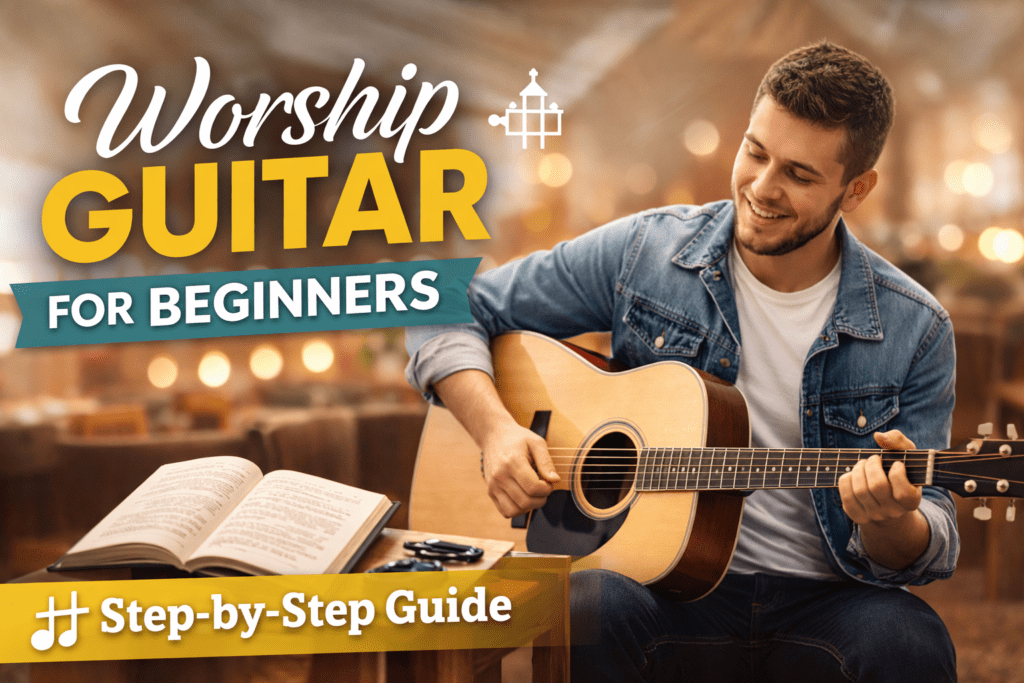
How to Start Playing Worship Songs on Guitar for Beginners (Step-by-Step Guide)
Playing worship songs on guitar is one of the most meaningful ways to use music in church and personal devotion. Many worship songs are written with simple chord progressions, making them perfect for beginners who are just starting their guitar journey.
If you want to learn how to start playing worship songs on guitar for beginners, this guide will help you understand the basics, from choosing the right guitar to learning chords and playing your first worship song.
Whether you want to play in church, youth fellowship, or personal prayer time, this beginner guide will help you build a strong foundation.
Why Worship Guitar is Great for Beginners
The guitar is one of the most popular instruments used in modern worship music. Churches around the world use acoustic and electric guitars to lead congregations in worship.
Here are a few reasons why the guitar is ideal for worship songs:
• Most worship songs use simple chord progressions • Easy to accompany singers and bands • Portable and affordable • Great for both personal worship and church services
Many famous worship songs are built around just three or four chords, making them beginner-friendly.
Step 1: Choose the Right Guitar
Before you start learning worship songs, you need the right guitar.
Acoustic Guitar (Best for Beginners)
Acoustic guitars are commonly used for worship music. They produce a warm and natural sound that blends well with vocals.
Benefits of acoustic guitar:
• No amplifier required • Perfect for church or home practice • Easier to learn rhythm playing
Electric Guitar
Electric guitars are used more in modern worship bands for ambient sounds and lead lines. However, beginners usually start with acoustic guitar first.
If you are starting your journey, an acoustic guitar is the best choice.
Step 2: Essential Chords for Worship Guitar Beginners
Most worship songs use simple chords. Learning these chords will allow you to play hundreds of worship songs.
Start with these beginner chords:
Common Worship Guitar Chords
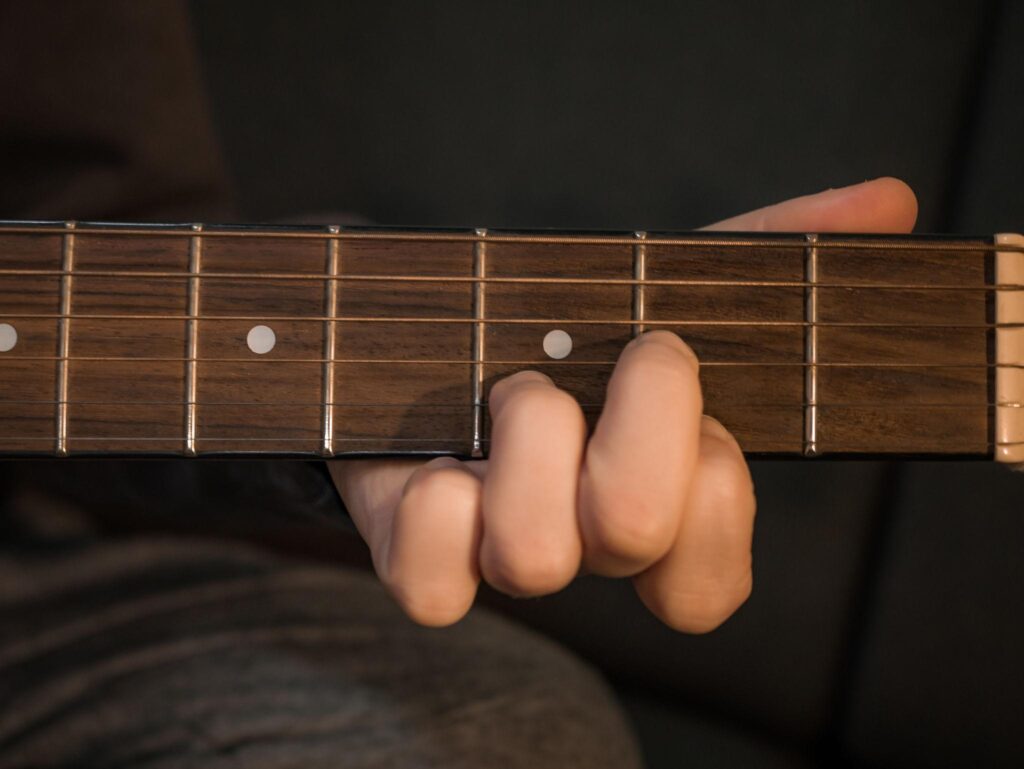
G C D Em Am
These five chords are used in many popular worship songs.
Examples:
• Amazing Grace – G, C, D • 10,000 Reasons – G, C, Em, D • How Great Is Our God – G, Em, C, D
Practice switching between these chords slowly until the transitions become smooth.
Step 3: Practice Simple Strumming Patterns
Strumming is an essential skill when playing worship songs on guitar.
If possible, join your church worship team or youth group band.
Step 10: Focus on Worship, Not Just Technique
While learning guitar is important, worship music is ultimately about leading people into worship.
Remember:
• Play with humility • Focus on the message of the song • Support the singers and congregation
A great worship guitarist plays with both skill and heart.
Common Mistakes Beginners Should Avoid
Many beginners struggle because of small mistakes.
Avoid these common problems:
• Playing too fast • Ignoring rhythm practice • Not tuning the guitar • Trying advanced songs too early
Focus on mastering the basics first.
If you want to grow faster and play worship music confidently, learning with the right guidance can make a big difference.
Our Worship Piano & Singing Lessons Online and Guitar Lessons Online are designed to help beginners and church musicians develop the skills needed to lead worship effectively. In these lessons, you will learn worship chords, song structure, vocal techniques, and how to play and sing worship songs with confidence.
Whether you are a beginner or someone who wants to improve your worship leading skills, these online lessons provide step-by-step training to help you grow musically and spiritually.
Intersted in learning music with us? Register now
For more information and exciting resources about learning music, visit our website at The Mystic Keys. For more music content and exciting offers follow us on