Musical Timing | How to Develop Strong Rhythm on Piano
Many piano learners believe that playing the correct notes is the main goal. Yet the real magic of music appears only when those notes move through time with clarity, balance, and intention. Musical timing is what transforms a simple melody into something expressive, confident, and enjoyable to listen to. Even a beginner piece can sound beautiful with strong rhythm, while advanced compositions may feel awkward without it.
Strong timing is not something people are simply born with. It grows gradually through awareness, listening, and consistent practice. Once rhythm becomes natural, your playing feels more relaxed, coordinated, and musical. Most importantly, confidence increases because the music starts flowing instead of feeling forced.
Let’s explore how timing develops and how you can strengthen it step by step in a practical and encouraging way.
What Is Musical Timing in Piano Playing?
Musical timing refers to your ability to place notes accurately within a steady pulse or beat. Rhythm, tempo, and phrasing all depend on this internal sense of structure. Instead of guessing when the next note should happen, your hands begin to know when it belongs.
At first, learners often pause between notes while searching for keys or reading notation. That hesitation interrupts the musical flow. Gradually, timing improves as the brain starts predicting patterns rather than reacting to them. Eventually, music begins to feel continuous rather than mechanical.
Because piano involves both hands working together, timing also includes coordination between left and right hand movement. When each hand understands its role in the rhythmic structure, the overall sound becomes balanced and expressive.

Why Musical Timing Matters More Than Speed
Many students try to play faster too early. Speed feels impressive, but steady rhythm creates musical clarity. Listeners respond far more positively to controlled timing than to rushed performance.
Accuracy builds trust between you and the instrument. Once that connection forms, faster playing becomes easier without tension or mistakes. Instead of chasing tempo immediately, developing rhythmic stability allows speed to arrive naturally.
Confidence also improves when your playing stays consistent. Rather than worrying about losing your place, you begin to enjoy shaping phrases and dynamics.
Understanding the Pulse Before Playing Notes
Every piece of music has a heartbeat. That pulse keeps everything connected from beginning to end. Feeling the beat internally helps your fingers move with purpose instead of uncertainty.
Clapping rhythms away from the keyboard can be surprisingly effective. Counting aloud while tapping your hand builds awareness of spacing between notes. Over time, your body begins to recognize rhythmic patterns automatically.
Listening carefully to recordings also strengthens pulse recognition. Instead of focusing only on melody, try noticing how evenly the beats continue underneath the surface. This awareness gradually transfers into your own playing.
Learning to Count Without Losing Musical Flow
Counting is one of the simplest tools for improving rhythm. However, many learners stop counting once they feel comfortable with a piece. Keeping the count active for longer helps timing become stable rather than accidental.
Start by counting slowly and clearly while playing simple passages. Your voice acts like a guide that keeps both hands aligned with the beat. Eventually, counting becomes internal instead of spoken.
Although counting may seem mechanical at first, it actually creates freedom later. Once the structure is secure, musical expression becomes easier and more natural.

Practicing Slowly to Strengthen Musical Timing Faster
Slow practice may sound like a contradiction when trying to improve rhythm. Surprisingly, it works better than rushing through mistakes repeatedly.
Playing slowly allows your brain to understand spacing between notes. Each movement becomes intentional instead of reactive. Gradual repetition strengthens coordination between the eyes, ears, and hands.
Consistency matters more than speed during early stages of learning a piece. When timing stays steady at a slower tempo, increasing speed becomes smooth rather than stressful.
Think of slow practice as building a strong foundation that supports everything else in your musical journey.

Using a Metronome to Improve Musical Timing Effectively
A metronome is one of the most powerful tools for developing timing. Rather than treating it as something strict or intimidating, try using it as a musical partner that keeps you steady.
Start by choosing a comfortable tempo where mistakes are minimal. Play along with the clicks until your notes align naturally with the beat. Gradually increase speed only after the rhythm feels secure.
Sometimes students depend too heavily on the metronome. After practicing with it, turn it off and check whether the steady pulse remains inside your playing. That balance helps timing grow naturally instead of mechanically.
Over time, the metronome trains your internal clock so that rhythm continues even without external support.

Improving Hand Coordination Through Rhythm Awareness
One of the biggest timing challenges on piano comes from coordinating both hands together. Each hand often plays different patterns, which can feel confusing at first.
Practicing each hand separately helps you understand its rhythmic role clearly. Once both parts feel comfortable individually, combining them becomes much easier.
Another helpful strategy involves tapping one hand’s rhythm on your lap while playing the other hand on the keyboard. This builds independence between the hands while maintaining connection to the beat.
Gradually, coordination improves and both hands begin working together naturally.
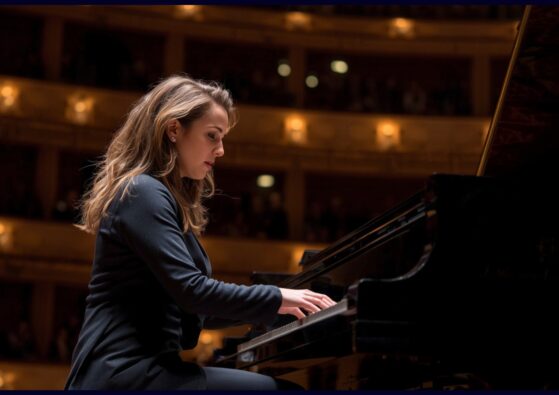
Listening More Carefully to Develop Musical Timing
Strong timing develops not only through practice but also through attentive listening. When you listen deeply to your own playing, small rhythmic inconsistencies become easier to notice and correct.
Recording yourself occasionally can be very helpful. Many players discover timing gaps they never noticed during practice. Awareness creates opportunity for improvement.
Careful listening to professional performances also strengthens your rhythmic imagination. Observing how experienced musicians shape phrases within the beat helps you understand how timing supports expression rather than limiting it.

Developing Internal Rhythm Instead of External Dependence
At first, timing depends on counting, tapping, or using a metronome. Eventually, something shifts. The pulse begins to exist inside your mind rather than outside the instrument.
That internal rhythm allows you to stay steady even during difficult passages. Instead of stopping after mistakes, your playing continues smoothly.
Building this internal sense takes patience. Regular exposure to rhythm through clapping, listening, and structured practice slowly strengthens musical instinct.
Once internal timing develops, playing becomes far more enjoyable and expressive.

Staying Relaxed While Maintaining Steady Rhythm
Tension often interferes with timing more than technical difficulty. Tight shoulders or stiff wrists make movement uneven and unpredictable.
Relaxed posture helps your hands respond naturally to the beat. Breathing steadily while practicing also improves rhythmic flow. Many musicians notice immediate improvement when they release unnecessary tension.
Comfort allows rhythm to settle into the body rather than feeling forced by effort.
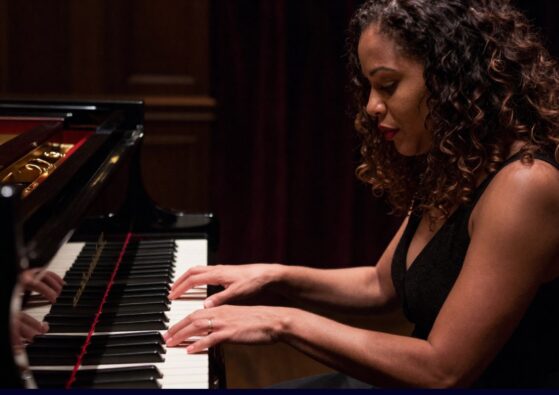
Turning Rhythm Practice Into Musical Expression
Timing is not only about accuracy. It also shapes the emotional character of music. Slight changes in spacing between phrases can make a melody feel calm, energetic, playful, or dramatic.
Once your timing becomes steady, try experimenting with phrasing while keeping the pulse consistent underneath. Expression grows naturally when rhythm feels secure.
Music begins to feel less like reading instructions and more like telling a story.

Building Strong Timing Through Consistent Habits
Progress in rhythm rarely happens overnight. Improvement appears gradually through regular attention and thoughtful practice. Even a few minutes of focused timing exercises each day can create noticeable change over time.
Short, consistent practice sessions often work better than long sessions filled with distractions. Keeping your awareness on pulse, coordination, and listening helps rhythm develop steadily.
Most importantly, patience plays a major role in this process. Timing strengthens quietly in the background while you continue exploring new music and techniques.
Final Thoughts
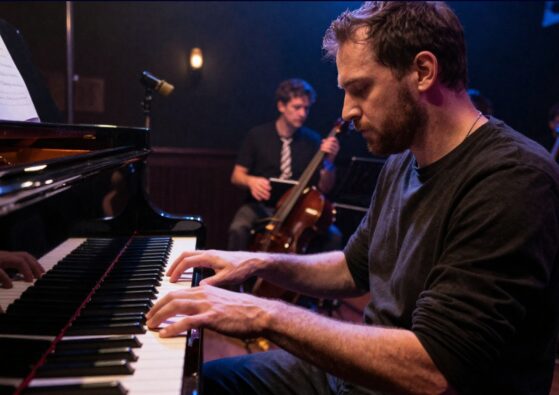
Strong musical timing gives piano playing clarity, confidence, and expression. Instead of struggling to keep notes together, your music begins to flow naturally from one phrase to the next. That transformation makes practice more enjoyable and performance more rewarding.
Every pianist develops rhythm step by step through listening, counting, slow practice, and coordination exercises. With consistency and attention, timing gradually becomes one of your greatest strengths.
At The Mystic Keys, our structured Piano Lessons Online are designed to help students strengthen musical timing through guided practice, rhythm-focused exercises, and personalized support from experienced teachers. With the right guidance and regular training, developing a steady sense of rhythm becomes an achievable and rewarding part of your musical journey.
Keep working with the pulse, trust the process, and enjoy the journey as your music starts to breathe with steady rhythm and life
For more information and exciting resources about learning music, visit our website at The Mystic Keys. For more music content and exciting offers follow us on
Facebook, Instagram, YouTube, LinkedIn, Twitter, Pinterest, and Threads.