Music Practice Apps and Tools for Practicing at Home
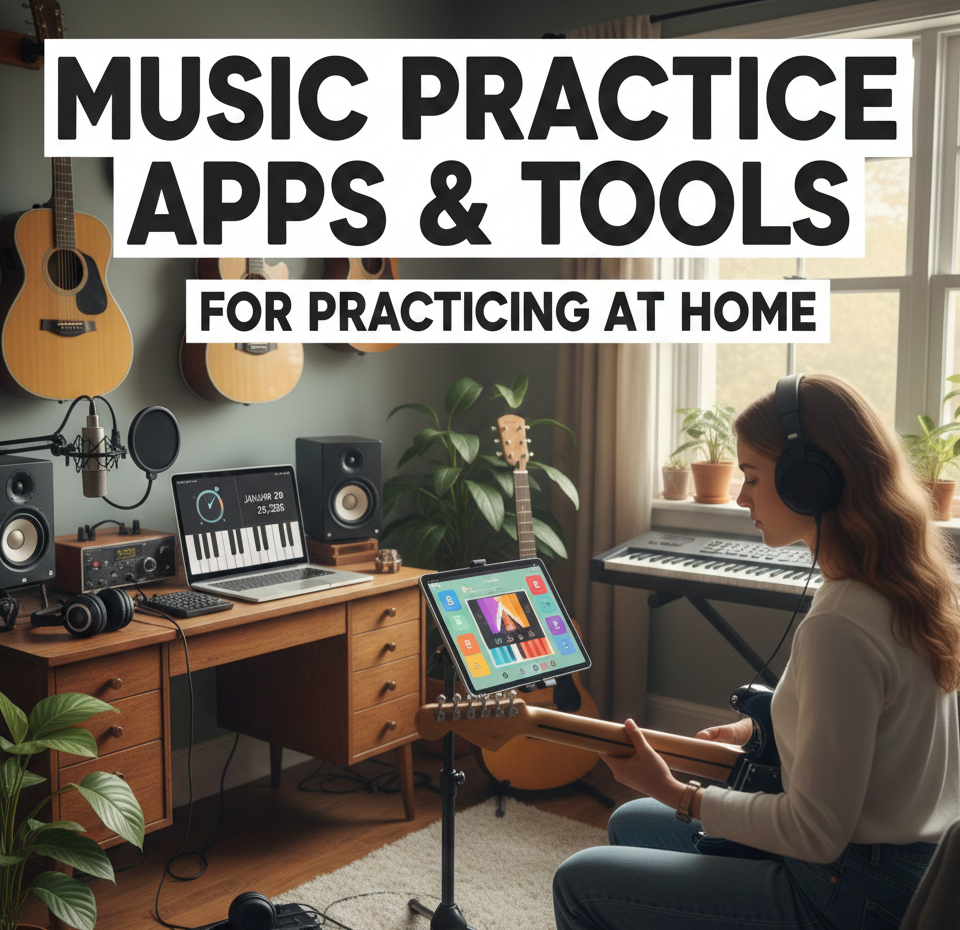
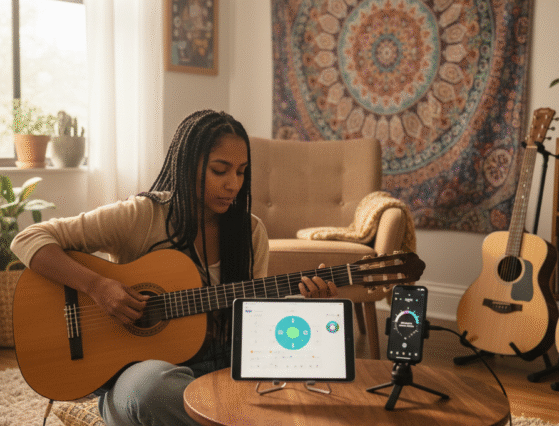
Practicing music at home has evolved far beyond repetitive drills and static sheet music. Today, musicians have access to powerful digital tools, including music practice apps, that make sessions more engaging and structured. From guided lessons to real-time feedback, modern technology bridges the gap between independent practice and formal training.
In this blog, we explore some of the best apps and tools for practicing music at home. The focus is on how music practice apps support different aspects of learning. Rather than listing endless options, we look at how these tools fit into a consistent and rewarding practice routine.
Music Practice Apps That Guide Daily Learning
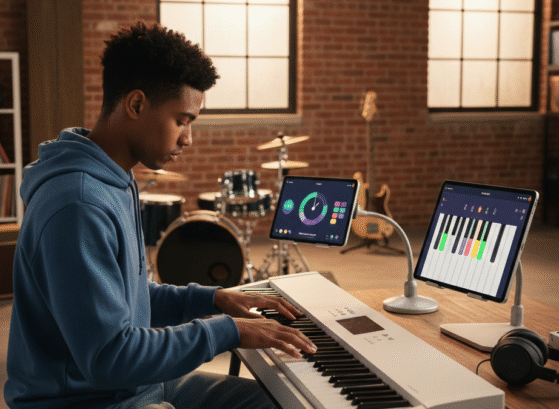
For many musicians, the hardest part of home practice is knowing what to practice and how to progress. This is where music practice apps play a crucial role. Designed to act like virtual instructors, these apps provide structured lessons that guide musicians step by step.
Apps such as Yousician and Simply Piano offer interactive learning experiences by listening as you play and responding instantly. This feedback loop keeps practice sessions focused and prevents common mistakes from going unnoticed. Over time, these guided lessons help build technique, accuracy, and confidence—especially for beginners who may not have regular access to a teacher.
As musicians advance, these apps continue to be useful by reinforcing fundamentals while introducing more challenging material, making them a long-term companion rather than just a beginner’s tool.
Music Practice Apps for Rhythm, Timing, and Discipline
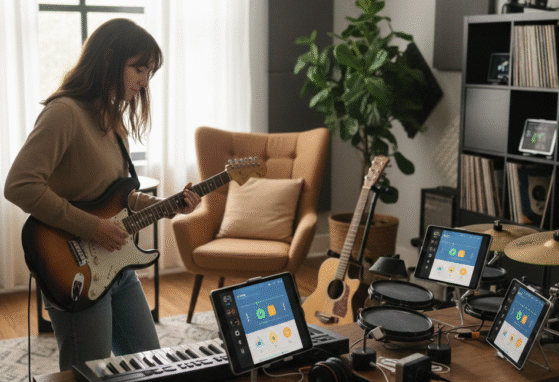
Once the basics are in place, rhythm and timing become central to musical growth. Practicing at home without external reference can make it easy to rush, drag, or lose consistency. Fortunately, several music practice apps are designed specifically to strengthen rhythmic awareness.
Metronome-based apps like Soundbrenner bring a modern edge to an essential practice tool. With features such as tempo automation and visual cues, they help musicians stay locked into a steady pulse. Over time, this builds internal timing, which is critical for both solo and ensemble playing.
Complementing metronomes, rhythm-training apps encourage musicians to actively engage with complex patterns and subdivisions. By integrating these tools into regular practice, musicians often notice improvements not just in accuracy, but also in overall musical confidence.
Developing Musical Ears with Smart Practice Tools
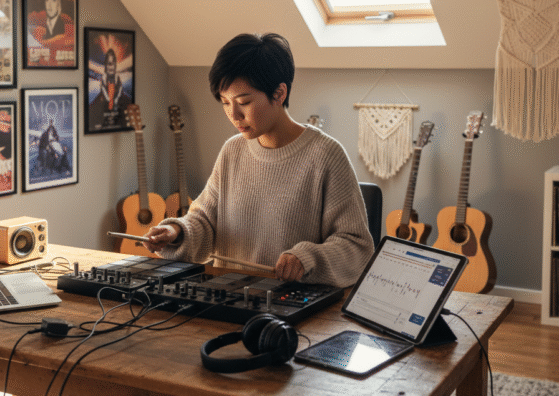
Technical proficiency alone does not make a musician expressive. A strong musical ear is equally important, and home practice is an ideal time to develop this skill. Ear training tools and apps help musicians sharpen their listening abilities in a focused, systematic way.
Apps like Functional Ear Trainer and EarMaster are especially effective because they connect theory with real musical contexts. Instead of treating ear training as an abstract exercise, they help musicians recognize pitch, harmony, and rhythm as they naturally occur in music.
When used consistently, these tools make learning new pieces faster and more intuitive, as musicians begin to anticipate sounds rather than rely solely on written notation.
Recording Tools That Turn Practice into Progress
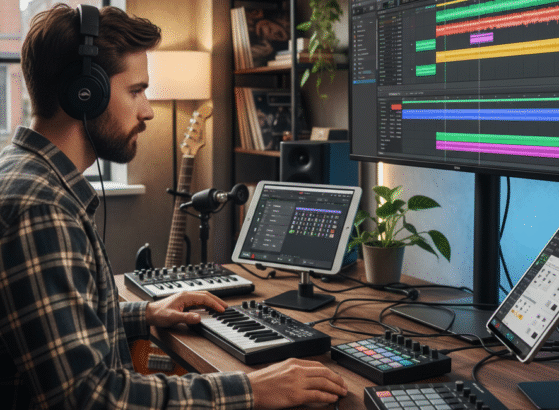
Another powerful yet often overlooked aspect of home practice is self-evaluation. Recording tools allow musicians to step outside the moment and listen objectively to their playing.
Simple recording apps can capture everyday practice sessions, making it easier to identify issues with tone, phrasing, or timing. For those looking for deeper control, digital audio workstations such as GarageBand or Ableton Live provide options for looping sections, slowing passages down, and layering parts.
Listening back regularly transforms practice from repetition into reflection, encouraging mindful improvement rather than mechanical playing.
Enhancing Home Practice with Digital Scores and Backing Tracks
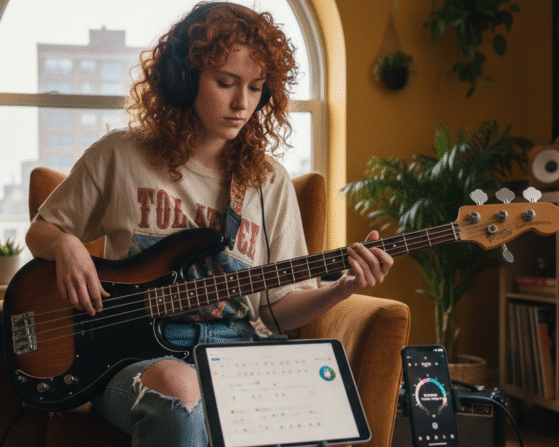
To keep practice engaging, musicians need access to inspiring material. Digital sheet music platforms and accompaniment tools make it easier to explore new repertoire and simulate ensemble playing from home.
Apps like MuseScore provide interactive scores that can be adjusted in tempo and playback, while backing-track tools such as iReal Pro allow musicians to practice with realistic harmonic support. These resources help musicians develop musicality, phrasing, and stylistic awareness, even when practicing alone.
Adding variety through digital resources not only improves technical skills but also keeps motivation high over the long term.
Final Thoughts
The best apps and tools for practicing music at home are most effective when used intentionally. Music practice apps, rhythm tools, ear training software, and recording platforms all serve different purposes, but together they create a balanced practice ecosystem. Platforms like The Mystic Keys bring these elements together by offering structured guidance and thoughtfully designed resources that support consistent musical growth.
Rather than replacing traditional practice methods, these tools enhance them—providing direction, feedback, and inspiration. When combined with the right approach and resources such as The Mystic Keys, home practice becomes more structured, enjoyable, and musically fulfilling.
For more information and exciting resources about learning music, visit our website at The Mystic Keys. For more music content and exciting offers follow us on
Facebook, Instagram, YouTube, LinkedIn, Twitter, Pinterest, and Threads.