Learning Piano Without Reading Music | Is It Possible?
Learning piano without reading music is a question many beginners ask when they first start exploring the instrument. Some people feel intimidated by sheet music, musical symbols, and unfamiliar theory concepts. They may wonder if it is truly necessary to learn how to read music in order to play the piano well. With the rise of online tutorials, apps, and video lessons, many learners now begin their musical journey by watching and imitating rather than reading notation.
The truth is that it is possible to start learning piano without reading music, but there are both advantages and limitations to this approach. Many successful musicians have developed strong playing skills using listening, memorization, and pattern recognition before fully understanding musical notation. However, reading music remains one of the most powerful tools for long-term musical growth.
Understanding the balance between these two approaches can help beginners make smarter decisions about how they start learning the piano.

Why Many Beginners Want to Avoid Reading Music
For someone new to music, sheet music can look complicated and overwhelming. A page filled with symbols, notes, lines, and rhythms may feel more like mathematics than creativity.
There are several reasons beginners often prefer to avoid reading music at first.
* Sheet music appears complex and intimidating
* Beginners want quick results and instant gratification
* Many tutorials online teach songs visually instead of through notation
* Some learners prefer learning by ear
* People believe music theory will slow down their progress
These concerns are understandable, especially for adult learners who simply want to play their favorite songs for enjoyment.
However, avoiding sheet music completely can sometimes limit a musician’s growth later on.
How People Learn Piano Without Reading Music
Many beginners successfully start playing piano without reading sheet music by using alternative learning methods. These methods focus more on listening, watching, and memorizing patterns rather than reading notation.
1. Learning by Ear
Learning by ear means listening to a song and trying to reproduce it on the piano. This method strengthens musical listening skills and helps musicians develop a deeper connection with sound.
Great ear training allows musicians to:
* Recognize melodies
* Identify chords
* Recreate songs without written notes
* Improvise more freely
Many professional musicians rely heavily on this skill.
2. Watching Tutorials
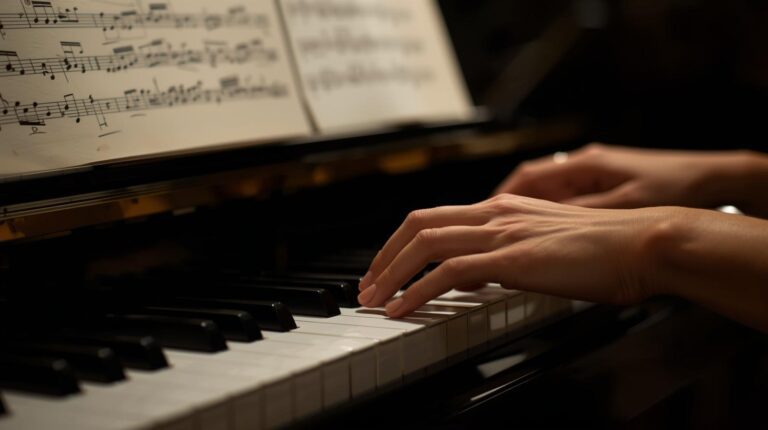
Online video tutorials have become extremely popular for beginners. Platforms like YouTube offer thousands of lessons where instructors demonstrate exactly which keys to press.
Students can pause, rewind, and repeat sections until they understand the song.
This visual learning method helps beginners play songs quickly, often within a short time.
3. Using Pattern Recognition
The piano keyboard is highly visual. Once students understand patterns such as chords, scales, and intervals, they can remember musical shapes instead of reading notes.
For example, many pop songs follow similar chord progressions like:
C – G – Am – F
Once learners memorize this pattern, they can play many songs without reading music.
4. Memorizing Songs
Some players simply memorize the sequence of keys required to play a song. After repeating the pattern several times, the fingers begin to remember the movement automatically.
This approach relies heavily on muscle memory.
Famous Musicians Who Didn’t Rely on Sheet Music
It might surprise some people that several famous musicians did not rely heavily on reading sheet music.
Some legendary artists developed their skills primarily through listening and experimentation.
Many jazz, blues, and pop musicians began their musical journey by playing by ear. These styles often emphasize improvisation and personal interpretation rather than strict notation.
However, even musicians who do not read music fluently usually develop strong theoretical understanding through experience.
Limitations of Learning Piano Without Reading Music
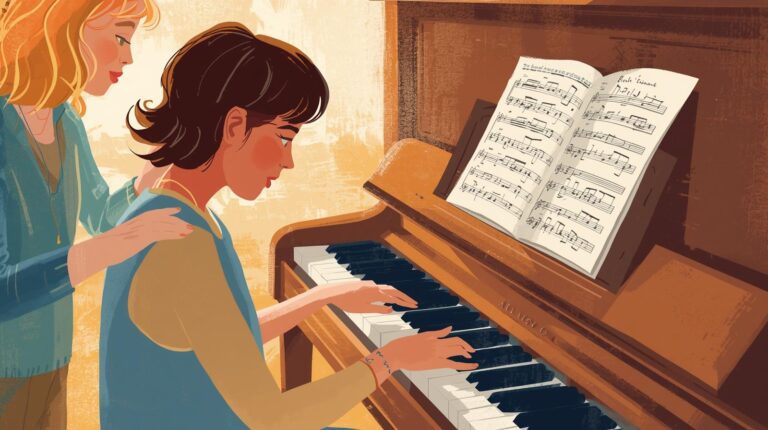
While it is possible to learn piano without reading music, there are some important limitations to consider.
1. Limited Musical Repertoire
Without reading music, it becomes difficult to learn more complex pieces, especially classical compositions.
Many great works by composers are available only in written notation.
2. Difficulty Understanding Music Theory
Reading music naturally introduces students to important theoretical concepts like:
* Rhythm
* Key signatures
* Scales
* Harmony
Without this knowledge, musical development can become slower over time.
3. Harder to Communicate with Other Musicians
When playing with other musicians, sheet music is often used as a shared language.
Being able to read music allows musicians to quickly understand arrangements and collaborate more easily.
4. Dependence on Memory
If a musician relies only on memorization, forgetting a section of a song can make it difficult to recover without written guidance.
Sheet music acts as a reliable reference.
Why Learning to Read Music Is Still Valuable
Even if beginners start by learning songs visually or by ear, developing the ability to read music offers significant long-term benefits.
Reading sheet music helps musicians:
* Learn new songs faster
* Understand musical structure
* Improve sight-reading skills
* Explore classical repertoire
* Become more versatile performers
Think of reading music like learning a new language. Once you understand it, the entire world of written music becomes accessible.
The Best Approach | Combining Both Methods
The most effective way to learn piano is often a combination of reading music and playing by ear.
Both approaches strengthen different aspects of musicianship.
Reading music develops:
* Accuracy
* Theory knowledge
* Musical literacy
Playing by ear develops:
* Creativity
* Listening skills
* Improvisation
When students combine these skills, they become more well-rounded musicians.
Tips for Beginners Who Feel Intimidated by Sheet Music
If reading music feels difficult at first, remember that every musician once started from the same place.
Here are a few helpful strategies.
Start with Simple Music
Begin with beginner-level pieces that use only a few notes.
Learn the Grand Staff Slowly
The grand staff consists of two clefs:
Treble clef (right hand)
Bass clef (left hand)
Understanding these gradually makes reading easier.
Practice a Little Every Day
Consistent short practice sessions are more effective than long occasional sessions.
Use Visual Aids
Charts and keyboard diagrams can help connect written notes with physical keys.
How Online Music Lessons Make Learning Easier
Today, online music education has made learning piano more accessible than ever.
Students can now receive personalized instruction, structured lessons, and real-time guidance from experienced teachers without leaving their homes.
Online lessons allow instructors to:
* Demonstrate techniques visually
* Correct mistakes immediately
* Provide customized exercises
* Guide students through both reading and playing by ear
This balanced learning approach helps beginners progress faster.
About The Mystic Keys
The Mystic Keys is a professional online music academy dedicated to helping students learn music in a structured and enjoyable way. Through one-on-one Zoom lessons, students receive personalized guidance from experienced teachers who specialize in instruments like Piano Lessons Online, guitar, vocals, drums, Hindustani music, and more.
The academy focuses on building strong musical foundations while keeping lessons engaging and flexible. Students receive session recordings, practice notes, and individual attention that helps them improve consistently. For those interested in professional music education, The Mystic Keys also prepares students for internationally recognized certifications such as Trinity College London exams.
By combining traditional music theory with modern online teaching methods, the academy helps students develop both technical skills and creative confidence.
Final Thoughts
So, is learning piano without reading music possible?
Yes, it absolutely is possible to begin playing the piano without reading sheet music. Many beginners start by learning songs through listening, watching tutorials, or memorizing patterns. These methods can help students quickly experience the joy of making music.
However, reading music eventually becomes an extremely valuable skill that expands a musician’s opportunities and understanding.
Rather than choosing one method over the other, the most effective path is to combine both approaches. Developing the ability to listen, play, and read music creates a strong musical foundation that supports long-term growth.
In the end, the goal is not just to press the right keys but to truly understand and express the language of music.
For more information and exciting resources about learning music, visit our website at The Mystic Keys. For more music content and exciting offers follow us on
Facebook, Instagram, YouTube, LinkedIn, Twitter, Pinterest, and Threads.