Improvisation in Hindustani Music: Alap, Taan, and Layakari Explained
Improvisation in Hindustani music is the defining element that transforms structured ragas into expressive, living art forms. From slow melodic exploration to complex rhythmic play, improvisation allows musicians to communicate emotion, intellect, and spirituality within a disciplined classical framework. Understanding how Alap, Taan, and Layakari function together is essential for anyone serious about Indian classical music.
Unlike fixed musical systems, Hindustani music encourages artists to create in the moment while strictly respecting raga grammar and rhythmic rules. This balance between freedom and discipline is what makes every performance unique.
The Concept of Improvisation in Hindustani Classical Music
Hindustani music is not accidental or unplanned. It is guided by years of training, deep listening, and a thorough understanding of raga structure, swara relationships, and tala cycles. A musician learns how to explore melodic ideas creatively without violating the identity of the raga.
This approach ensures that creativity remains meaningful and culturally rooted rather than random or excessive.
Alap and Its Role in Improvisation
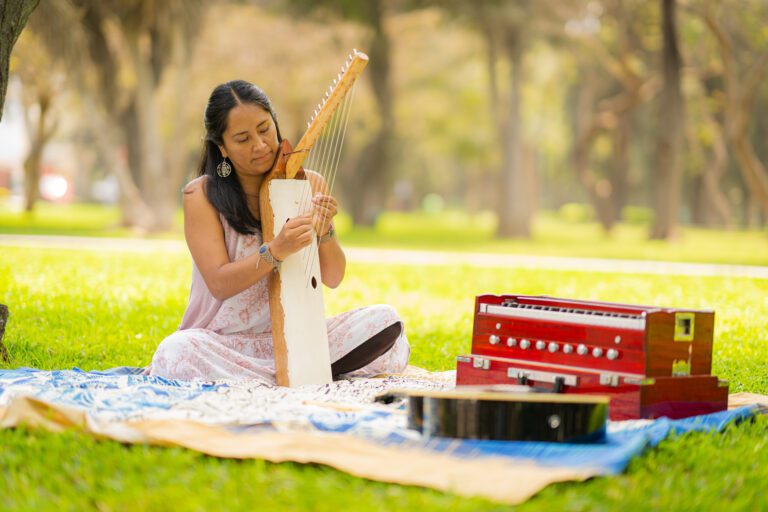
Alap is the foundation of improvisation in Hindustani music. It is the slow, unmetered introduction of a raga, performed without rhythmic accompaniment.
Key aspects of Alap include:
Absence of tala or percussion
Gradual unfolding of raga phrases
Focus on tonal purity and microtones
Emphasis on emotional depth
Meditative and expressive pacing
Through Alap, the performer establishes the raga’s mood and character, allowing listeners to emotionally connect before rhythmic elements begin.
Emotional and Spiritual Depth Through Alap
Hindustani music reaches its most introspective form during Alap. This phase allows artists to:
Explore emotional subtleties
Develop melodic tension slowly
Highlight raga aesthetics
Create a contemplative atmosphere
Many listeners consider Alap the most spiritually immersive part of a performance.
Understanding Taan in Hindustani Music
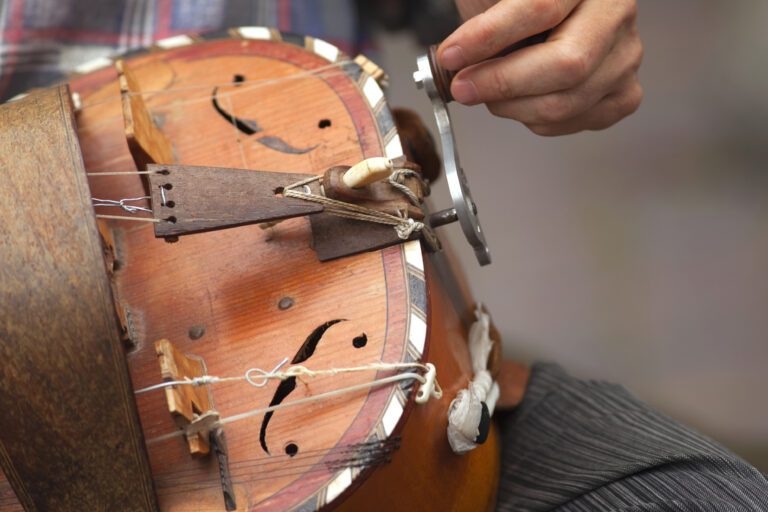
Taan represents the energetic and technically demanding side of improvisation in Hindustani music. It consists of fast melodic passages performed within the raga framework.
Characteristics of Taan include:
Rapid note sequences
Clear articulation of swaras
Breath or bow control
Precision and clarity
Alignment with rhythmic cycles
Taans demonstrate an artist’s technical mastery while maintaining melodic discipline.
Types of Taans Used in Improvisation Hindustani Music
Hindustani music includes several forms of Taan, such as:
Bol Taan using lyrical syllables
Sapat Taan with straight note runs
Gamak Taan featuring heavy oscillations
Mishra Taan combining multiple techniques
Each type adds variety, excitement, and depth to a performance.
Layakari and Rhythmic Improvisation
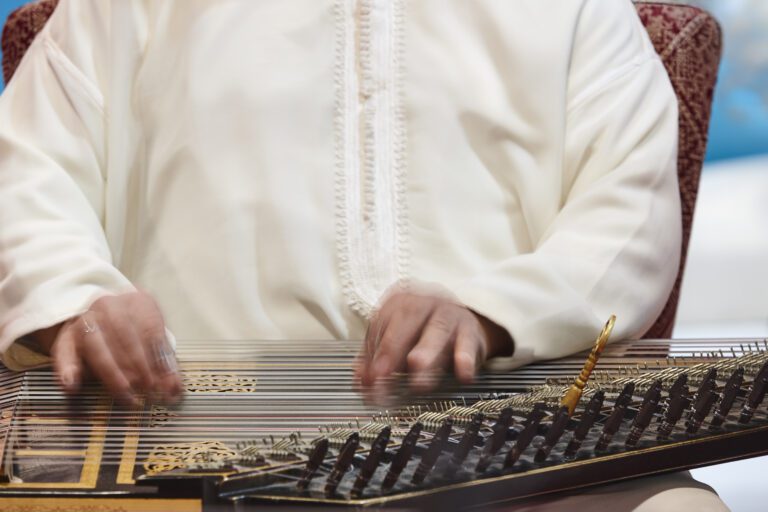
Layakari refers to rhythmic improvisation within a fixed tala. It is one of the most intellectually demanding aspects of improvisation in Hindustani music.
Layakari involves:
Manipulating rhythmic subdivisions
Shifting accents creatively
Playing with tempo variations
Maintaining alignment with sam
Demonstrating rhythmic intelligence
It reflects a musician’s deep understanding of rhythm rather than melody alone.
How Layakari Enhances Musical Expression
Hindustani music becomes more dynamic when melodic creativity meets rhythmic sophistication. Layakari adds:
-
Dramatic tension
-
Mathematical precision
-
Audience engagement
-
Structural balance
-
Performance depth
Skilled artists use Layakari subtly so that complexity enhances musical flow rather than disrupting it.
Relationship Between Alap, Taan, and Layakari
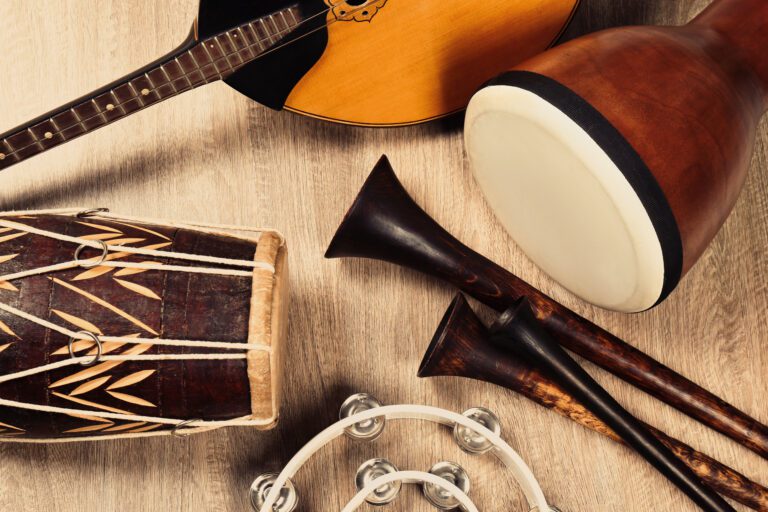
Improvisation in Hindustani music succeeds because these elements function together:
Alap establishes melodic identity
Taan adds brilliance and energy
Layakari introduces rhythmic complexity
Together, they create a complete and evolving musical narrative.
Improvisation in Vocal and Instrumental Performances
Both vocalists and instrumentalists rely heavily on improvisation in Hindustani music, though techniques vary.
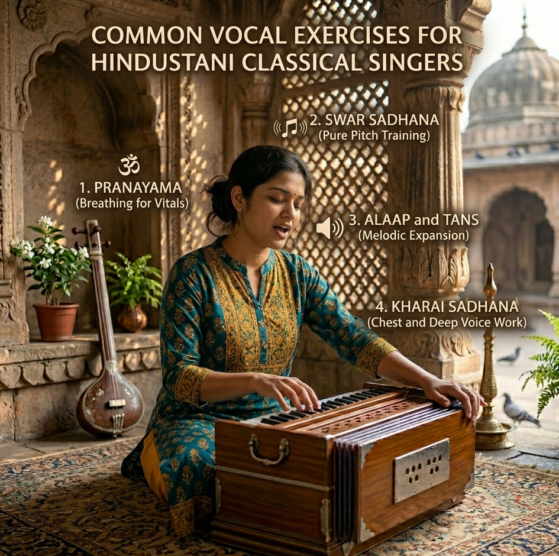
Vocal improvisation emphasizes:
Breath control
Pronunciation clarity
Emotional expression
Lyrical taans
Instrumental improvisation focuses on:
Fingering or bowing precision
Speed control
Tonal sustain
Instrument-specific ornamentation
Despite differences, the artistic intent remains the same.
Learning Improvisation the Right Way
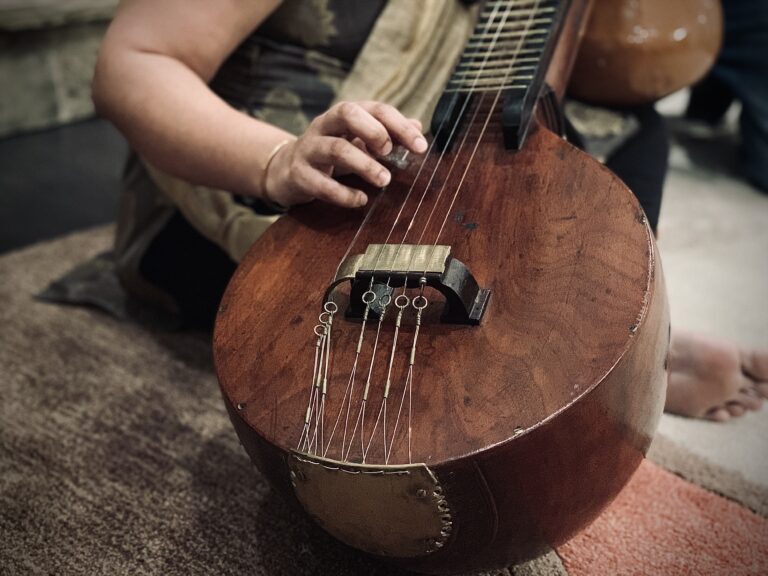
Improvisation in Hindustani music develops gradually through:
Raga-focused practice
Tala training
Slow tempo exploration
Listening to legendary maestros
Guided improvisation exercises
Consistent real-time feedback
Unstructured learning often leads to confusion, while guided training ensures clarity and discipline.
Modern Learning Support at The Mystic Keys
The Mystic Keys offers structured guidance for students learning improvisation in Hindustani music through:
Live one-on-one lessons
Real-time instructor feedback
Adaptive pacing based on progress
Exposure to classical traditions
Global access to experienced teachers
This approach preserves traditional values while using modern teaching tools.
Why Improvisation Defines Mastery in Hindustani Music
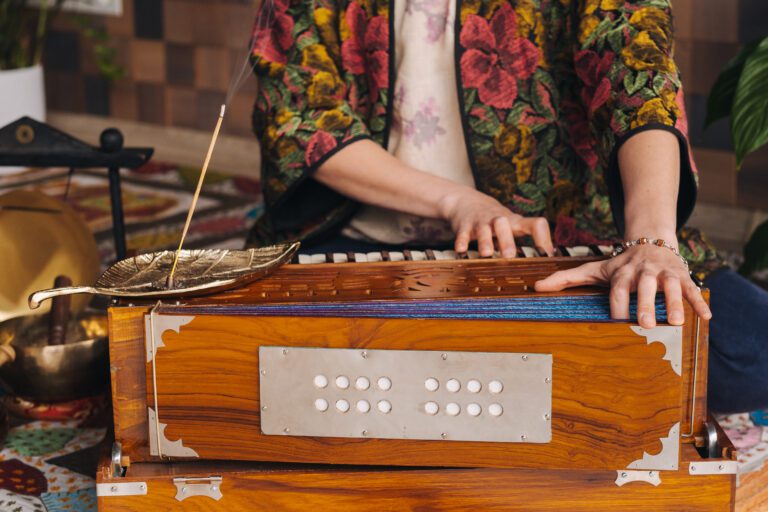
Improvisation in Hindustani music reflects:
Musical maturity
Technical command
Emotional intelligence
Rhythmic understanding
Cultural awareness
True mastery is achieved when creativity flows naturally within classical boundaries.
Trusted External References for Hindustani Music Learning
For deeper academic and cultural understanding, students often refer to:
Sangeet Natak Akademi resources
ITC Sangeet Research Academy publications
All India Radio classical archives
Documented works of legendary Hindustani maestros
These platforms preserve and promote authentic Indian classical traditions.
Conclusion
Improvisation in Hindustani music through Alap, Taan, and Layakari is what transforms technical knowledge into meaningful artistic expression. These elements allow musicians to explore creativity while remaining rooted in tradition, discipline, and emotional depth.
With structured guidance, real-time feedback, and adaptive learning methods, students can develop strong improvisational skills without losing classical authenticity. Platforms like The Mystic Keys make this journey accessible to modern learners worldwide.
For those looking to build a strong foundation in Indian classical music with structured guidance, Hindustani Lessons Online provide a practical and disciplined way to begin mastering Hindustani improvisation.
For more information and exciting resources about learning music, visit our website at The Mystic Keys. For more music content and exciting offers follow us on
Facebook, Instagram, YouTube, LinkedIn, Twitter, Pinterest, and Threads.