Improve Your Worship Singing | Sing with Clarity & Confidence
Worship singing is more than hitting the right notes. It connects the singer with the congregation and God. Many leaders struggle with clarity and confidence and feel unsure of their abilities. The good news is that with practice, the right mindset, and simple techniques, anyone can improve your worship singing. Focus on clear pronunciation, steady breath, and emotional expression to inspire others. Regular practice builds both skill and confidence. Over time, your singing becomes a heartfelt act of worship that touches everyone.
Listening to skilled singers and learning from their techniques can help you grow faster. Recording yourself allows you to hear your strengths and areas to improve. Engaging fully with each song helps your voice carry both power and meaning. Even small, consistent efforts can lead to big improvements in clarity and confidence. With dedication, your worship singing can uplift hearts and create a lasting impact.
Understanding the Power of Clarity to Improve Your Worship Singing
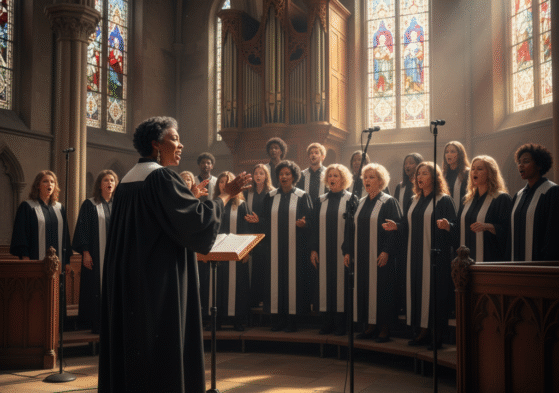
Clarity in singing is essential for effective worship. When your words are clear, your message reaches the congregation, allowing them to engage fully with the lyrics. Many singers focus solely on pitch or melody, forgetting that the power of worship often lies in the words themselves. To sing with clarity, start by enunciating each syllable deliberately. Practice singing slowly and articulating difficult words, then gradually increase your tempo while maintaining precision. Breathing is also crucial—support your voice with steady, controlled breaths so that your tone remains consistent throughout each phrase. Just as famous pop songs like Adele’s “Rolling in the Deep” or Ed Sheeran’s “Shape of You” are instantly recognizable not only for melody but also for clear diction, your worship singing can capture attention and resonate deeply when clarity is prioritized.

Building Confidence to Improve Your Worship Singing
Confidence in worship singing is inseparable from preparation. Even experienced singers can feel hesitant if they are unsure of their material. Begin by learning your songs thoroughly, focusing on both lyrics and melody until they feel second nature. Familiarity breeds confidence, allowing your heart to engage fully in worship rather than worrying about mistakes. Consider practicing with a mirror or recording yourself; hearing your voice from an external perspective helps you identify areas of improvement and reinforces your sense of control. Pop songs like Beyoncé’s “Halo” or Sam Smith’s “Stay With Me” demonstrate the power of emotional delivery combined with technical mastery, showing that confidence stems from preparation, consistency, and a genuine connection with the music.
Engaging Emotionally with the Music
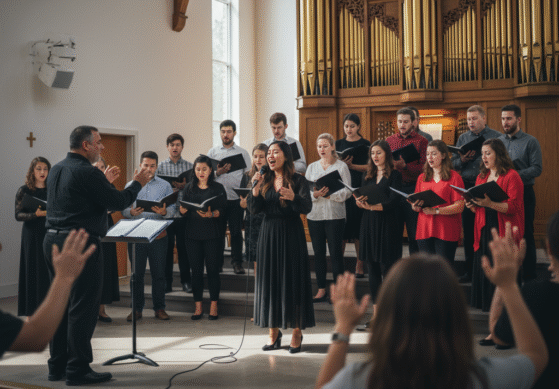
Worship is not just a performance; it is an expression of faith and emotion. When you connect emotionally with the song, your clarity and confidence naturally improve. Feel each lyric, understand the message, and allow the music to guide your vocal expression. Just as in pop hits such as Lady Gaga’s “Shallow” or Shawn Mendes’ “In My Blood”, emotional authenticity transforms a good performance into a compelling experience, and the same principle applies to worship singing. By embodying the meaning of the words, you make your singing more convincing, and your congregation is more likely to engage and be moved.

Mastering Breath and Vocal Control to Improve Your Worship Singing
A strong, confident voice relies heavily on proper breath management and vocal control. Many worship singers strain their voices or run out of breath mid-phrase because they do not practice sufficient breath support. Focus on diaphragmatic breathing, inhaling deeply and releasing air steadily as you sing. This technique allows you to sustain longer phrases, control dynamics, and deliver each note with authority. Practicing scales, arpeggios, and vocal exercises regularly strengthens your vocal range and flexibility, which in turn boosts confidence when performing live. Pop icons like Ariana Grande, with her exceptional control in songs like “No Tears Left to Cry”, exemplify how mastery of breath and vocal technique enhances overall performance, a principle equally vital in worship contexts.

Connecting with Your Audience
Singing with clarity and confidence is not just about your voice—it’s about creating a connection. Eye contact, body language, and intentional phrasing help communicate sincerity and invite your audience into the worship experience. Remember that worship is communal; your role as a singer is to guide others in lifting their hearts through music. Observing live performances by artists like Bruno Mars in “Just the Way You Are” or Taylor Swift in “All Too Well” shows how authentic engagement can elevate a song from ordinary to extraordinary. By focusing on this connection, your confidence grows naturally because you are not just singing for yourself but leading others in a shared spiritual journey.
Embracing Your Unique Voice
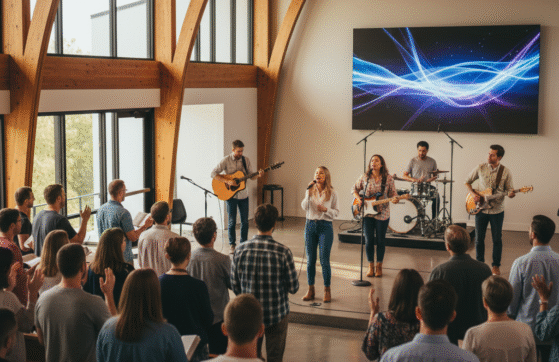
Every singer has a unique voice, and embracing it is a key factor in confidence. Comparing yourself to others can undermine your performance, but understanding your strengths allows you to shine authentically. By focusing on your own style, you can improve your worship singing and make it more powerful. Pop artists like Billie Eilish, with her distinct tone in “Bad Guy”, or Sam Smith with their soulful voice, show that individuality is a strength, not a limitation. Worship singing becomes more meaningful when you embrace your natural voice rather than trying to imitate someone else.

Practicing Mindfulness and Presence
Singing with clarity and confidence also involves mental focus and mindfulness. Being present in the moment helps reduce nervousness and allows you to fully express the emotion behind the song. Take a few moments before each performance to breathe, focus, and visualize yourself delivering the song with clarity. This presence not only improves vocal quality but also strengthens your emotional connection with the congregation. Just as in pop performances, where artists like Adele or Justin Bieber captivate audiences through presence and authenticity, worship singing benefits immensely from being fully engaged.

Developing Stage Awareness
Even in worship settings, being aware of your environment can improve your confidence. Understand how to position yourself for optimal acoustics, use your body to communicate energy, and interact with other musicians or singers smoothly. Stage awareness helps you manage potential distractions and maintain focus on your singing, ensuring a consistent and confident delivery. Pop stars like Lady Gaga in “Poker Face” or Ed Sheeran during live acoustic performances show how awareness of space and movement contributes to an effortless and compelling presentation.
Practice as a Lifestyle
Finally, improvement in worship singing comes from consistent and mindful practice. Dedicate time each day to vocal exercises, lyrical study, and emotional immersion in the music. Record your progress, seek feedback from mentors or fellow singers, and challenge yourself with new songs or techniques regularly. Over time, these efforts accumulate, creating a strong foundation of clarity and confidence that cannot be achieved overnight. The dedication seen in pop performers such as Ed Sheeran, Billie Eilish, or Adele reflects the same principle: consistent practice and deep engagement with the material are keys to mastery.

Conclusion
Singing with clarity and confidence in worship is a journey, not a destination. By focusing on clear enunciation, emotional connection, breath control, preparation, self-awareness, and consistent practice, you can improve your worship singing and transform your performance into a powerful act of devotion. With guidance from The Mystic Keys through their Worship Piano & Singing Lessons Online, you can develop your skills and build confidence in both piano and vocals. Like the singers of world-famous pop songs who captivate millions, you too can make your voice resonate with impact, sincerity, and faith, elevating the worship experience for everyone present.
For more information and exciting resources about learning music, visit our website at The Mystic Keys. For more music content and exciting offers follow us on
Facebook, Instagram, YouTube, LinkedIn, Twitter, Pinterest, and Threads.