How Modern Guitarists Are Blending Classical and Contemporary Styles
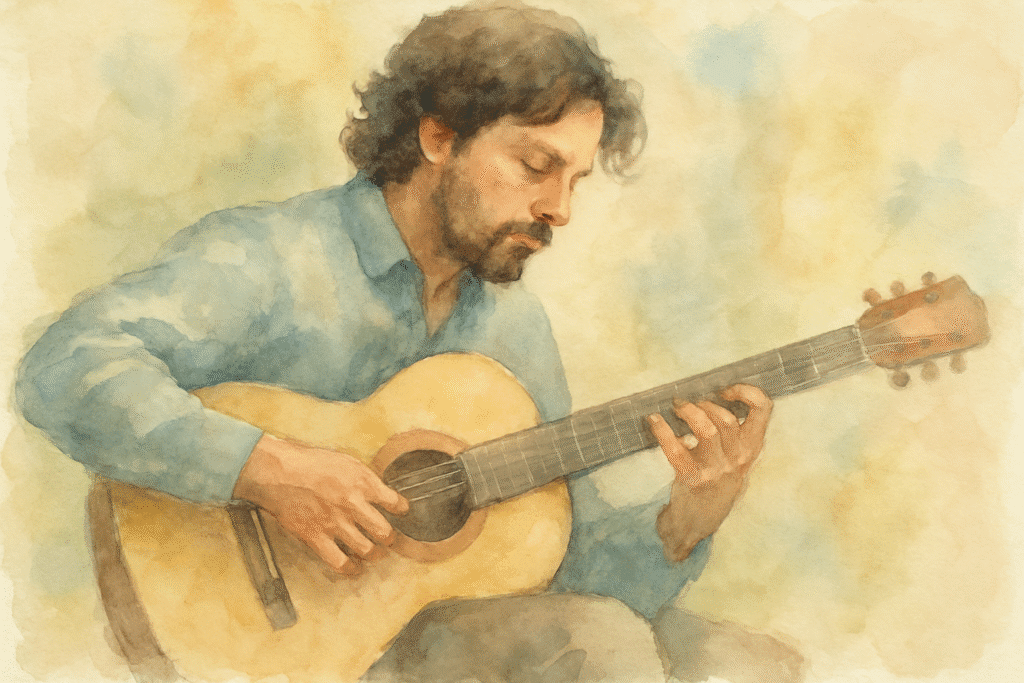
Music is constantly evolving, and nowhere is this more evident than in modern guitar playing. Today’s guitarists are no longer confined to a single genre. Instead, they are blending classical guitar techniques with contemporary styles such as rock, pop, jazz, film music, and even electronic genres. This fusion has created a new wave of expressive, technically rich guitar music that appeals to both traditional audiences and modern listeners. At The Mystic Keys, we believe understanding this blend helps students become versatile, expressive, and future-ready musicians. In this blog, we explore how modern guitarists combine classical foundations with contemporary creativity, why this trend matters, and how aspiring guitarists can learn this powerful approach.
What Is Classical Guitar Influence?
Classical guitar is rooted in centuries-old Western music traditions. It emphasizes:
These elements train guitarists to develop precision, discipline, and musical sensitivity—skills that translate beautifully into modern music styles.
The Rise of Contemporary Guitar Styles
Contemporary guitar styles are shaped by modern genres and technology. They include:
Rock and blues lead guitar
Jazz and fusion improvisation
Pop and acoustic songwriting
Worship and cinematic guitar
Progressive and experimental music
Modern guitarists often focus on:
Effects and tone shaping
Improvisation and feel
Songwriting and arrangement
Rhythmic grooves and percussive playing
When combined with classical technique, these styles become richer and more expressive.
How Modern Guitarists Blend Classical and Contemporary Styles
1. Fingerstyle Fusion
Many modern guitarists use classical fingerpicking techniques to play contemporary music. This allows them to:
Play bass, chords, and melody simultaneously
Create full arrangements on a single guitar
Add emotional depth to pop and rock songs
Artists often adapt classical arpeggios and tremolo techniques into modern acoustic and electric guitar pieces.
2. Classical Harmony in Modern Songs
Classical music introduces complex chord progressions, modulations, and counterpoint. Modern guitarists apply these ideas to:
Film and background scores
Progressive rock and metal
Jazz and neo-soul compositions
This results in music that feels sophisticated yet emotionally engaging.
3. Technique Meets Expression
Classical training emphasizes clean execution and control, while contemporary styles focus on emotion and individuality. Blending both helps guitarists:
Maintain technical clarity even in expressive solos
Use dynamics effectively in live performances
Balance discipline with creative freedom
This combination is especially powerful for solo performers and recording artists.
4. Acoustic Guitar as a Solo Instrument
Inspired by classical repertoire, modern guitarists now treat the acoustic guitar as a complete orchestra. They incorporate:
Percussive body taps
Harmonics and altered tunings
Classical-style phrasing in modern compositions
This approach is popular in instrumental music, worship settings, and social media performances.
5. Genre-Crossing Compositions
Many contemporary guitarists compose music that cannot be boxed into one genre. Their work may include:
Classical-inspired intros with modern grooves
Baroque-style counterpoint with ambient textures
Flamenco techniques fused with pop and rock
This genre-blending attracts global audiences and reflects the modern listener’s diverse taste.
Classical training strengthens technique and theory, making it easier to learn any modern style.
Enhances Creativity
Understanding classical structures gives students more tools for songwriting and improvisation.
Improves Career Opportunities
Versatile guitarists are in demand for:
Live performances
Studio recordings
Film and media music
Teaching and content creation
Develops Musical Confidence
Students trained in both classical and contemporary styles adapt quickly to different musical settings
How to Learn This Style at The Mystic Keys
At The Mystic Keys, our guitar programs are designed to bridge tradition and modern music. We focus on:
Classical fingerstyle fundamentals
Contemporary chord progressions and rhythm patterns
Music theory explained practically
Acoustic, electric, and worship guitar techniques
Performance and expression-focused learning
Our personalised lessons help students apply classical concepts directly to the music they love playing today.
Tips for Aspiring Modern Guitarists
Start with basic classical posture and finger exercises
Learn modern songs using fingerstyle arrangements
Study harmony and chord construction
Listen to instrumental and crossover guitar music
Practice both discipline and improvisation
Consistency and curiosity are key to mastering this blended approach.
Conclusion
The fusion of classical and contemporary guitar styles represents the future of guitar music. By blending technical precision with modern expression, today’s guitarists create music that is timeless and deeply engaging. Take the next step in your musical journey with Guitar Lessons Online at The Mystic Keys, where tradition meets modern creativity.
For more information and exciting resources about learning music, visit our website at The Mystic Keys. For more music content and exciting offers follow us on