
Healing Through Music: How Melodies Help Cancer Patients Cope
When words fall short, music steps in — carrying emotions that cannot be spoken and easing pains that cannot be explained. For many cancer patients, this power of sound becomes more than just comfort; it becomes therapy, strength, and even hope. Healing through music transforms moments of despair into gentle resilience, offering solace where medicine alone cannot reach. The journey of fighting cancer is emotionally, physically, and mentally challenging. But amidst the uncertainty, melodies often emerge as silent companions, helping patients heal from within.

Healing Through Music and the Mind
Music is more than entertainment. It directly influences the brain’s chemistry and emotional state. Listening to soothing tunes or singing along can stimulate the release of dopamine — the “feel-good” neurotransmitter — which brings moments of relief and positivity. For cancer patients undergoing treatments like chemotherapy or radiation, music offers a form of mental escape, helping them focus on something beautiful amid the chaos of hospital routines and physical discomfort.
Over time, researchers and therapists have discovered that rhythm and harmony can lower cortisol levels (the stress hormone), improve sleep, and even regulate breathing patterns. These effects make music a natural partner in the healing process, helping the mind stay calm and the heart stay hopeful.

The Rise of Music Therapy in Cancer Care
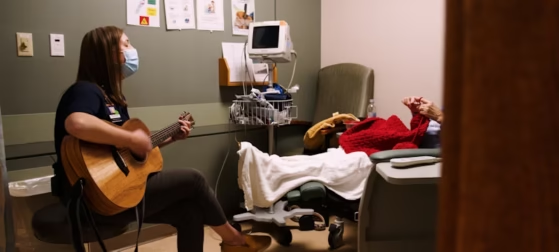
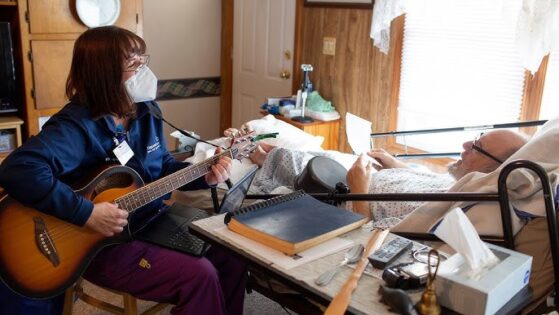
In many hospitals around the world, music therapy has become a vital part of cancer care. It’s not about learning an instrument or mastering a song — it’s about using sound to express emotions that words often can’t. Certified music therapists work with patients individually or in groups, using techniques like songwriting, guided imagery, and rhythmic drumming to help them release tension and process difficult emotions.
For example, during chemotherapy sessions, gentle background music can ease anxiety and reduce the perception of pain. Some patients find strength in singing, while others prefer simply listening to instrumental or classical pieces that calm their nerves. Over time, these moments of musical connection bring balance, helping patients handle both physical symptoms and emotional distress more effectively.

Relieving Pain and Reducing Anxiety
Pain is one of the hardest parts of the cancer journey — not just physically, but mentally. Music provides a natural form of distraction, shifting the patient’s focus away from discomfort. Slow, rhythmic melodies can synchronize with the body’s natural rhythms, slowing the heartbeat and steadying breathing. This synchronization creates a sense of peace that gradually eases pain perception.
Anxiety, too, finds a quiet opponent in music. Patients waiting for test results or facing another round of treatment often turn to calming playlists or instrumental music. These moments of serenity restore a sense of control, helping them face uncertainty with greater resilience.

Healing Through Music as an Emotional Outlet
Cancer affects more than the body — it impacts identity, confidence, and emotional well-being. Many patients experience fear, anger, or grief that’s difficult to articulate. Here, music becomes an emotional outlet. Whether through humming, songwriting, or simply immersing in a favorite melody, patients rediscover the freedom to express themselves.
Some describe it as “unloading the weight of silence.” Music provides the space to cry, to remember, and even to smile again. It helps them reconnect with who they are beyond the illness — a reminder that their spirit still sings, no matter how tough the fight.
Creating a Sense of Community
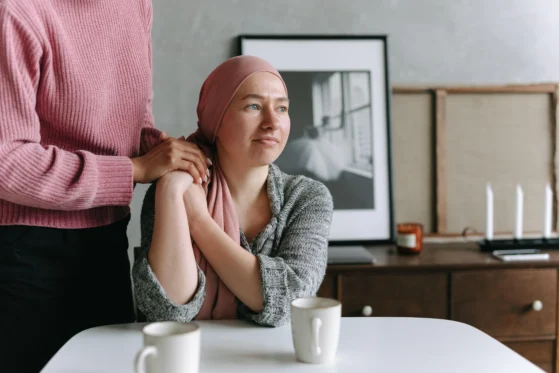
Cancer can make one feel isolated, but music helps rebuild connections. Group sessions, hospital choirs, or shared playlists bring patients, families, and caregivers together. Singing or listening together fosters unity and empathy, bridging the gap between individual struggles. These shared experiences become small but powerful reminders that no one is alone in the journey.
In fact, some cancer centers host “healing concerts,” where survivors and patients perform together, celebrating resilience through music. The sound of shared harmony brings warmth, inspiration, and renewed courage to everyone present.
Empowering the Spirit Through Hope
Beyond therapy, music nurtures the human spirit. A patient humming softly before a medical procedure, or tapping their foot to an old favorite tune, is finding strength in sound. Each rhythm becomes a heartbeat of hope — a reminder that healing is not just about the body, but also about restoring peace to the mind and soul.
For many survivors, the songs they listened to during treatment later become symbols of victory and gratitude. They serve as musical diaries — chapters of perseverance and healing written not with words, but with melodies.

Healing Through Music and Science
Scientific studies continue to reveal how deeply music interacts with the body. Neurologists have found that musical vibrations stimulate multiple brain regions simultaneously — those linked to emotion, memory, and motor function. This explains why even a few minutes of listening can reduce pain perception and improve mood.
Additionally, certain frequencies and harmonies can promote relaxation and lower blood pressure. Music, in essence, helps restore physiological balance, making it an effective complement to traditional medical treatment.

Harmony Beyond Hospital Walls
The beauty of music therapy lies in its accessibility. Healing through harmony doesn’t stop when the hospital visits end. Patients can continue the practice at home — listening to uplifting tracks, meditating with soft instrumentals, or creating playlists that align with their emotions. Caregivers and family members can also join in, creating shared spaces of comfort and joy.
These musical moments extend the healing atmosphere into daily life. They remind patients that recovery isn’t only about medical progress, but about nurturing inner peace.
Conclusion | When Music Becomes Medicine
Music may not cure cancer, but it heals in ways medicine cannot measure. It soothes the spirit, strengthens the will, and brings beauty to even the darkest days. Each note carries hope, each rhythm builds resilience, and each melody speaks to the soul — reminding us that healing is as much about harmony as it is about health.
At The Mystic Keys, we believe in this profound power of music to transform lives. Through our passion for music education and expression, we continue to celebrate its ability to comfort, inspire, and uplift — especially for those walking difficult paths. For cancer patients, music is more than sound; it’s a companion that whispers courage, restores calm, and helps them move forward — one note at a time.
Intersted in learning music with us? Register now
For more information and exciting resources about learning music, visit our website at The Mystic Keys. For more music content and exciting offers follow us on
Facebook, Instagram, YouTube, LinkedIn, Twitter, Pinterest, and Threads.