Essential Vocal Warm-Ups for Worship Singers | Elevate Your Voice for Exceptional Ministry
Worship singing transcends technical vocal ability; it is the conduit through which spiritual messages are communicated with authenticity, power, and emotional resonance. For worship leaders and vocalists in church settings, vocal longevity, clarity, and expressiveness are paramount. The human voice, though remarkably versatile, is also inherently fragile. Without appropriate preparation, the vocal folds can experience strain, fatigue, or even long-term damage. In this comprehensive guide, we explore essential vocal warm-ups for worship singers, elucidate advanced techniques, provide curated video resources, and outline methods for integrating these practices into a sustainable vocal routine suitable for both emerging and seasoned worship leaders.
The Imperative of Vocal Warm-Ups for Worship Singers
The vocal apparatus consists of delicate structures including the vocal folds, larynx, and associated musculature. When engaged in sustained singing, particularly within the dynamic range required in worship music, these structures necessitate meticulous preparation. Neglecting vocal warm-ups can result in diminished vocal quality, decreased range, and susceptibility to injury.
Comprehensive Essential Vocal Warm-Ups provide multiple critical benefits:
The voice is both an instrument and a ministry tool; proper preparation ensures that it remains a reliable medium for spiritual expression.
Structuring an Effective Worship Vocal Warm-Up Session
An optimal warm-up regimen should be structured methodically, targeting all aspects of vocal production, including resonance, articulation, breath management, and dynamic control. A typical session spanning 10–20 minutes can be broken down as follows:
Diaphragmatic Breathing and Postural Alignment – Standing tall with relaxed shoulders facilitates optimal airflow and support.
Lip Trills and Buzzing Exercises – Activates the vocal folds gently, reduces laryngeal tension, and encourages efficient breath flow.
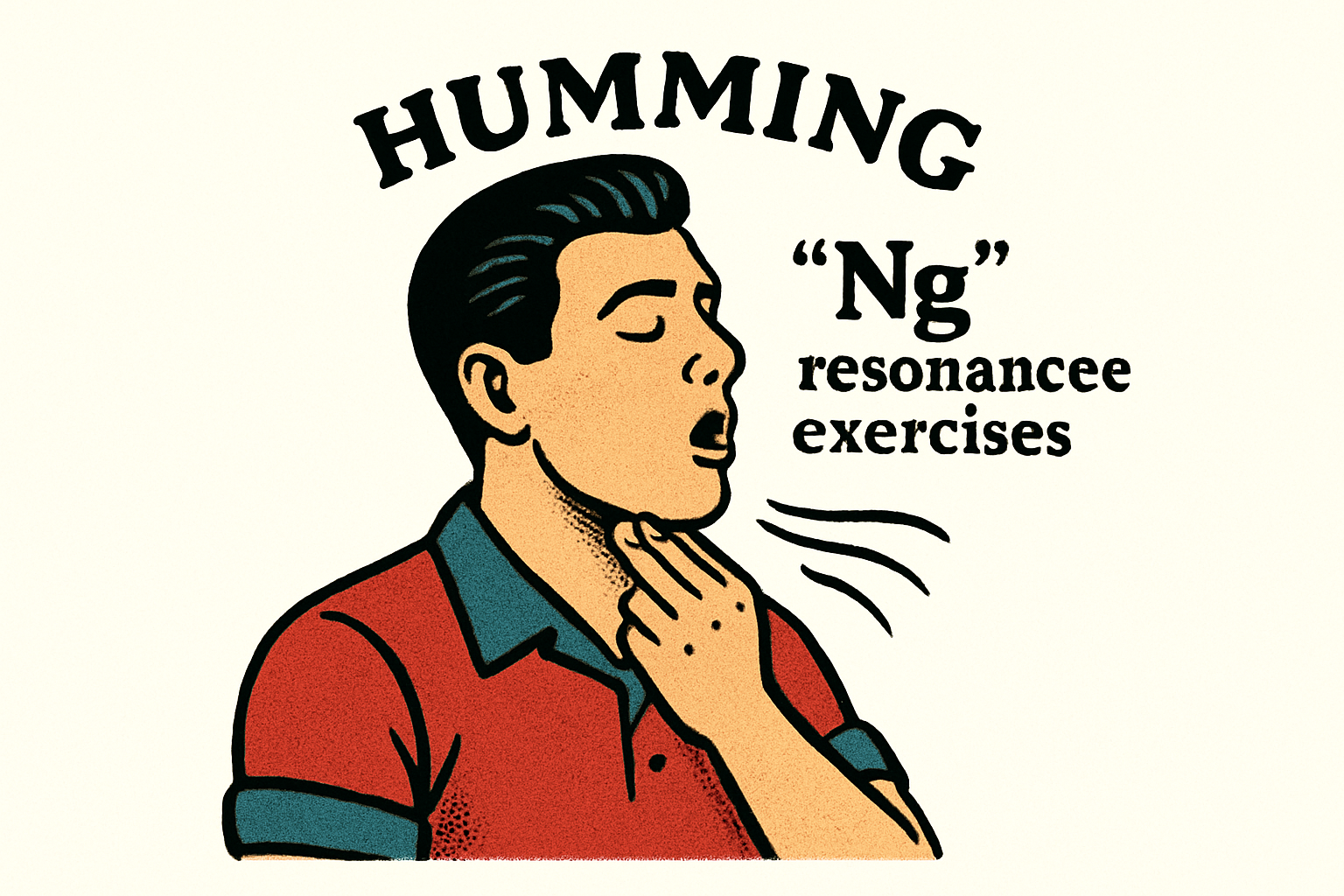
Humming and Closed-Mouth Resonance Exercises – Engage the resonating cavities, prepare tonal richness, and minimize strain on the vocal folds.
Sirens and Glide Exercises – Facilitate smooth register transitions and expand comfortable vocal range.
Scales and Arpeggios – Conducted softly with neutral vowels to condition all vocal registers.
Articulation and Diction Drills – Tongue twisters and consonant-focused exercises enhance intelligibility and lyrical precision.
Cool-Down and Vocal Recovery – Concludes the session by gradually reducing intensity to promote vocal health.
Structured warm-ups enhance muscular coordination, neural adaptation, and vocal stamina, ensuring singers can execute demanding worship repertoire with excellence.
Advanced Vocal Warm-Up Techniques for Worship Leaders
The following exercises are essential for cultivating both technical proficiency and expressive capability:
Lip Trills and Buzzing for Essential Vocal Warm-Ups
Methodology:
Initiate airflow through relaxed lips, producing a “brrrr” sound.
Integrate ascending and descending scales, maintaining consistent airflow and minimizing tension.
Physiological Impact:
Encourages efficient vocal fold oscillation.
Improves breath control and dynamic modulation.
Humming and “Ng” Resonance Exercises
Methodology:
Begin at a comfortable pitch, humming with lips gently closed.
Glide through scales or semi-tones to engage resonance spaces, particularly the nasal cavity.
Benefits:
Strengthens vocal resonance.
Reduces excessive strain on the vocal folds.
Prepares the singer for extended phrases and sustained notes.
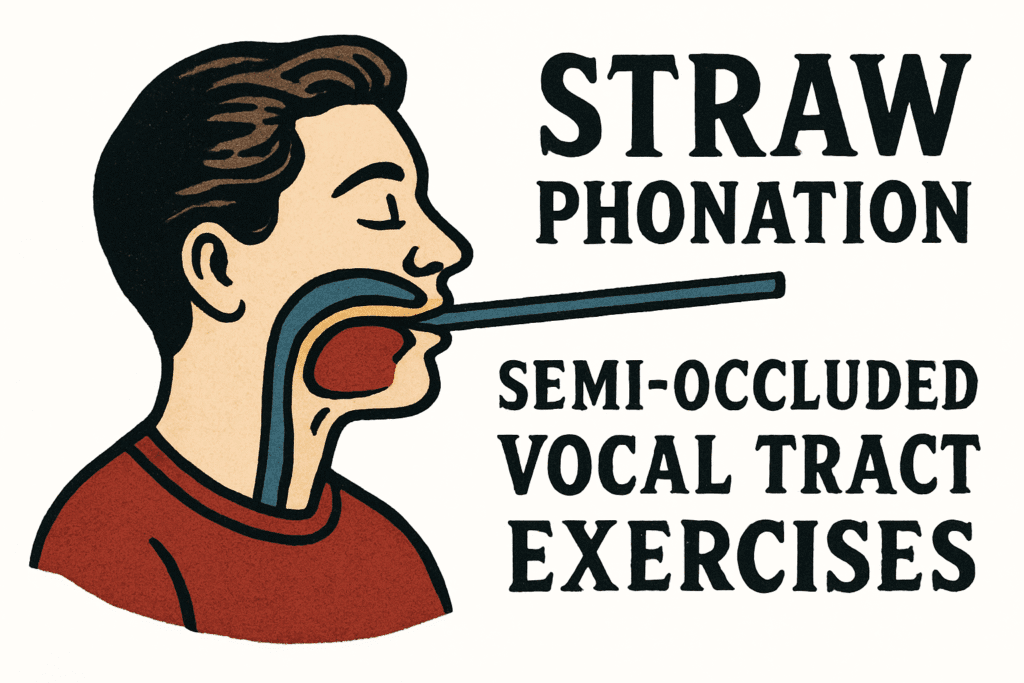
Straw Phonation and Semi-Occluded Vocal Tract Exercises
Methodology:
Employ a straw to phonate gently, producing continuous sound through minimal resistance.
Vary pitch and intensity to exercise both registers safely.
Advantages:
Promotes balanced vocal fold vibration.
Reduces laryngeal compression and improves breath management.
Enhances overall vocal endurance.
Sirens and Glide Exercises
Methodology:
Execute continuous gliding from the lowest comfortable note to the highest, then back down, maintaining even tone and minimal tension.
Benefits:
Smoothes transitions between chest, mix, and head registers.
Expands range while maintaining vocal flexibility.
Scales, Arpeggios, and Interval Training
Methodology:
Use vowels such as “ah,” “ee,” and “oo” while performing ascending and descending scales or arpeggios.
Incorporate wide intervals to challenge and stretch vocal agility.
Benefits:
Facilitates comprehensive warming of the vocal registers.
Improves intervallic accuracy and control over melodic embellishments.
Articulation, Diction, and Tongue Twisters
Methodology:
Practice enunciation drills with phrases like “Red leather, yellow leather” and “Unique New York.”
Focus on precision of consonant and vowel articulation while maintaining smooth vocal flow.
Benefits:
Ensures clarity of worship lyrics.
Strengthens articulatory muscles for expressive delivery.
Supports intelligibility in amplified or acoustic settings.
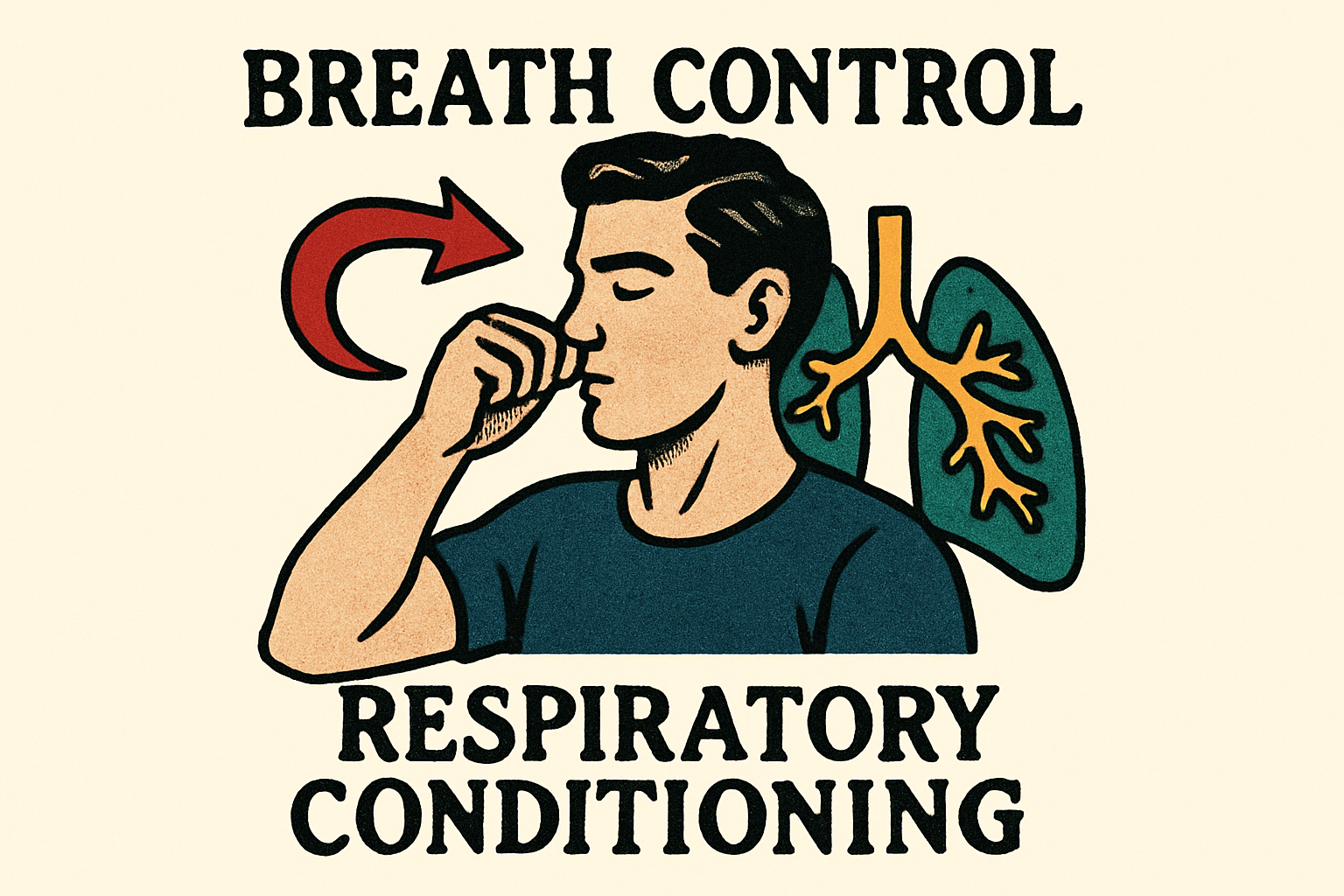
Breath Control and Respiratory Conditioning
Methodology:
Execute controlled inhalation followed by sustained exhalation while maintaining steady phonation.
Gradually increase duration and dynamic control to enhance stamina.
Benefits:
Develops diaphragmatic strength and endurance.
Enables the singer to execute long phrases without tension.
Supports expressive phrasing and dynamic contrast.
Advanced Tips for Sustained Vocal Health
Hydration: Adequate water intake lubricates vocal folds and optimizes phonation.
Progressive Intensity: Avoid high-intensity singing without sufficient warm-up.
Regular Vocal Rest: Periods of silence and cool-down exercises promote recovery and longevity.
Consistent Practice: Daily warm-ups and disciplined technique are essential for professional vocal performance.
Conclusion
Vocal warm-ups are an indispensable component of effective worship ministry. Integrating structured exercises — including lip trills, humming, straw phonation, sirens, scales, diction drills, and breath conditioning — ensures technical proficiency, expressive capacity, and vocal longevity. By embedding authoritative video resources, consulting reputable references, and maintaining a disciplined practice routine, worship singers can achieve superior vocal performance while safeguarding their instrument.
At The Mystic Keys, we are committed to empowering worship leaders and singers to realize their full vocal potential. Begin integrating these techniques today to elevate your ministry, inspire congregations, and lead worship with confidence and excellence.
FAQ for Worship Vocalists
Q: How long should a comprehensive warm-up last? A: For optimal preparation, 15–20 minutes is recommended. Shorter warm-ups can be effective if time is constrained.
Q: Can beginners safely perform these exercises? A: Yes. Begin at a comfortable range and gradually expand both pitch and duration under mindful supervision.
Q: Why is breath control critical for worship singers? A: Breath control underpins dynamic variation, sustained phrasing, and vocal consistency across extended worship sets.
For more information and exciting resources about learning music, visit our website at The Mystic Keys. For more music content and exciting offers follow us on