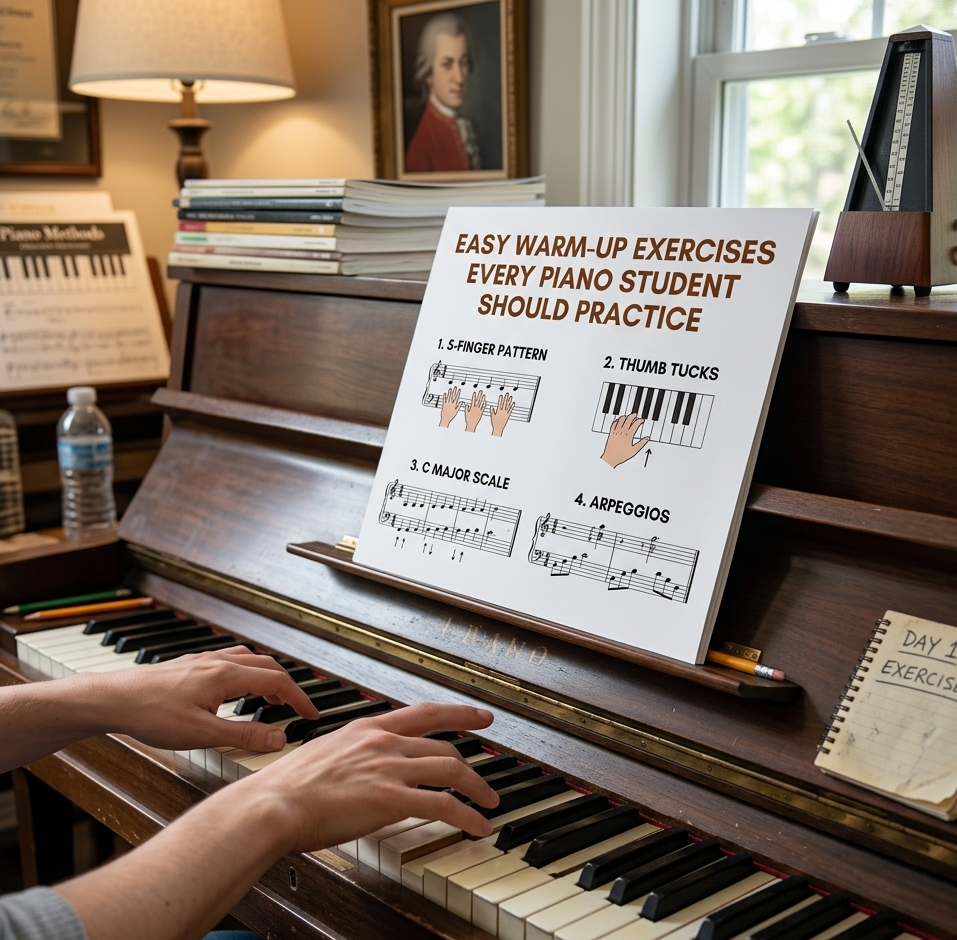
Easy Warm-Up Exercises Every Piano Student Should Practice
Learning the piano is a beautiful journey that blends creativity, discipline, and expression. However, just like athletes prepare their bodies before a game, pianists also need to prepare their hands and mind before playing. Warm-up exercises serve as the bridge between sitting at the piano and performing comfortably with control and confidence.
Many students are eager to jump straight into a piece they enjoy, yet skipping warm-ups can lead to stiff fingers, uneven playing, and unnecessary mistakes. A thoughtful warm-up routine gradually awakens the muscles, sharpens focus, and helps the fingers respond naturally to the keys. Over time, this small habit builds stronger technique and prevents strain.
Below are some simple yet highly effective warm-up exercises that every piano student can practice before beginning their main lesson or practice session.
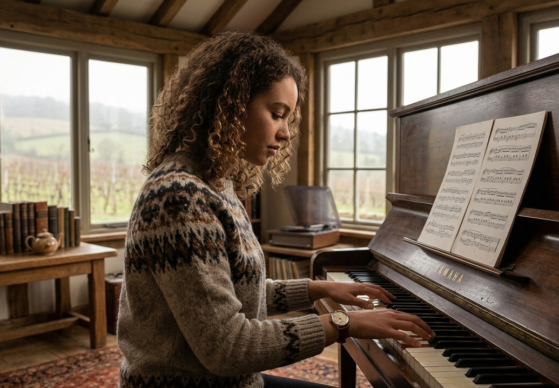
Why Easy Warm-Up Exercises Matter Before Playing the Piano
Before diving into exercises, it is important to understand why warm-ups are essential. Piano playing involves a surprising amount of physical coordination. Fingers, wrists, arms, and even posture must work together smoothly.
When the hands are cold or stiff, finger movements tend to become slower and less precise. As a result, students may struggle with passages that normally feel easy. Gentle warm-ups help loosen the fingers and increase flexibility, making it easier to play with accuracy and expression.
Another benefit lies in mental preparation. A few minutes of structured warm-up gives the mind time to shift into a focused musical state. Instead of rushing into a difficult piece, students begin gradually, allowing both the brain and fingers to coordinate naturally.
With that in mind, a warm-up routine does not need to be long or complicated. Even ten minutes of thoughtful exercises can make a noticeable difference.
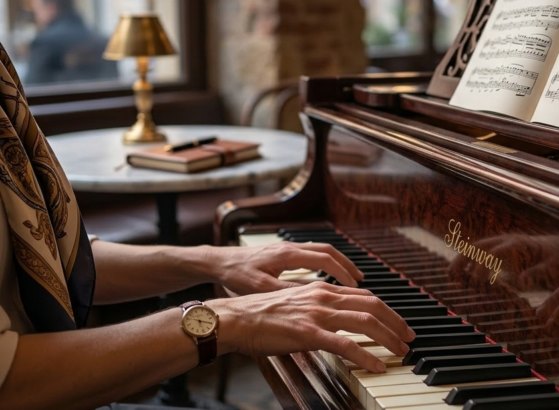
Simple Finger Stretching to Relax the Hands
A short moment away from the keys can actually be the best place to start. Gentle finger stretching helps release tension and prepares the muscles for movement.
Begin by relaxing the hands at your sides and slowly opening and closing the fingers. The movement should remain soft and natural rather than forced. After that, lightly stretch each finger by spreading them apart and then bringing them back together.
Rotating the wrists in slow circles can also help improve flexibility. These small movements warm up the joints and prevent stiffness before the fingers touch the keyboard.
Once the hands feel relaxed and flexible, transitioning to the piano becomes much easier and more comfortable.

Easy Warm-Up Exercises Using Five-Finger Patterns
After the hands feel loose, five-finger patterns provide an excellent starting point on the keyboard. These patterns involve playing five consecutive notes with each finger assigned to a key.
For example, students can place the right hand on C–D–E–F–G and play the notes ascending and descending slowly. The goal is not speed but control. Each finger should press the key evenly, producing a consistent tone.
Gradually, the same pattern can be practiced in different keys. This approach encourages the fingers to become familiar with various positions across the keyboard. Over time, the exercise strengthens finger independence and helps develop a balanced sound.
Practicing both hands separately at first is helpful. Later, students may try playing the patterns with both hands together to improve coordination.

Easy Warm-Up Exercises with Slow Scales
Scales are among the most valuable exercises in piano practice, and they also serve as excellent warm-ups. Playing scales slowly allows students to focus on finger movement, hand position, and even tone.
Instead of rushing through the notes, attention should remain on smooth transitions between fingers. A relaxed wrist and curved fingers make a significant difference in maintaining fluid motion.
During this exercise, listening carefully to the sound is just as important as playing the notes correctly. Each note should feel connected to the next, creating a seamless musical line.
As students grow more comfortable, scales can be practiced in different rhythms or dynamics. These small variations keep the exercise interesting while improving technique.

Broken Chords for Hand Coordination
Once the fingers feel more active, broken chords introduce a slightly richer movement across the keys. A broken chord means the notes of a chord are played one after another instead of simultaneously.
For instance, a C major chord can be played as C–E–G in sequence. The pattern can then continue up the keyboard or return downward. This movement encourages the hand to shift naturally while maintaining control.
Because broken chords require the fingers to stretch slightly farther than simple patterns, they gently expand flexibility. At the same time, the exercise improves the ability to move smoothly between notes without tension.
Practicing these patterns slowly helps students maintain accuracy while developing comfort with wider hand positions.

Easy Warm-Up Exercises for Improving Rhythm and Timing
Warm-ups should not only focus on finger movement; rhythm deserves attention as well. Even a short rhythmic exercise can sharpen a student’s sense of timing.
Clapping a steady beat before playing can be surprisingly effective. After establishing the rhythm, the same beat can be transferred to the piano using a single note or small pattern.
Students may experiment with different note values such as quarter notes, eighth notes, or simple repeating rhythms. The goal is to maintain a consistent tempo while staying relaxed.
This type of practice prepares the mind to think musically, making it easier to approach more complex pieces later in the session.
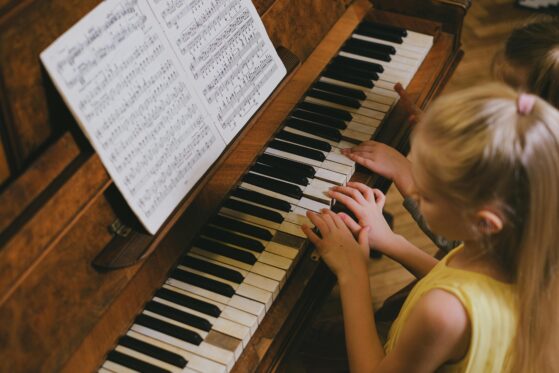
Gentle Improvisation to End the Warm-Up
A warm-up routine does not always have to feel mechanical. Ending with a moment of simple improvisation allows creativity to flow naturally.
Students can choose a comfortable set of notes and explore short melodies or patterns. There are no strict rules during this stage. The focus shifts from technical control to musical expression.
Improvisation also helps students listen closely to the sounds they create. Instead of thinking only about finger placement, they begin to feel the emotional and artistic side of playing the piano.
This relaxed transition prepares the mind beautifully for practicing repertoire.
Building a Consistent Warm-Up Habit
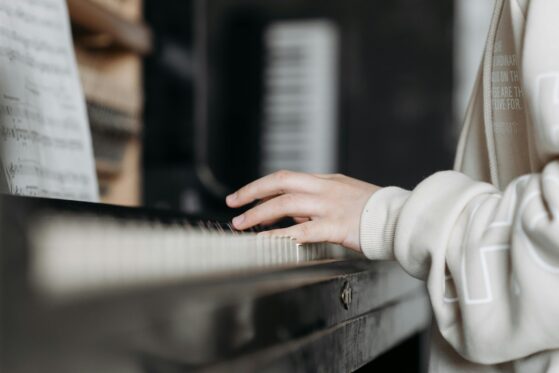
Consistency matters far more than complexity. A short routine practiced every day will bring much greater benefits than an occasional long session.
Over time, students may adapt their warm-up exercises according to their level and musical goals. Beginners might focus more on finger patterns and simple scales, while advanced players can include more technical passages.
The important point is to treat warm-ups as an essential part of practice rather than an optional step. When the hands are relaxed and the mind is focused, learning new music becomes far more enjoyable and effective.
Final Thoughts
Warm-up exercises may seem simple, yet their impact on piano playing is profound. They prepare the hands, improve coordination, and set the tone for productive practice. With just a few minutes of thoughtful preparation, students can avoid tension and play with greater confidence.
Every pianist, regardless of age or level, benefits from this habit. A consistent warm-up routine not only strengthens technique but also nurtures a deeper connection with the instrument. At The Mystic Keys, our Piano Lessons Online also encourage students to begin each practice session with thoughtful warm-ups to build strong musical foundations.
In the end, those quiet first moments at the piano often shape the quality of everything that follows. When the fingers begin gently and the mind settles into the music, the entire practice session becomes more rewarding and enjoyable.
For more information and exciting resources about learning music, visit our website at The Mystic Keys. For more music content and exciting offers follow us on
Facebook, Instagram, YouTube, LinkedIn, Twitter, Pinterest, and Threads.