How to Improve Your Choir Singing Skills
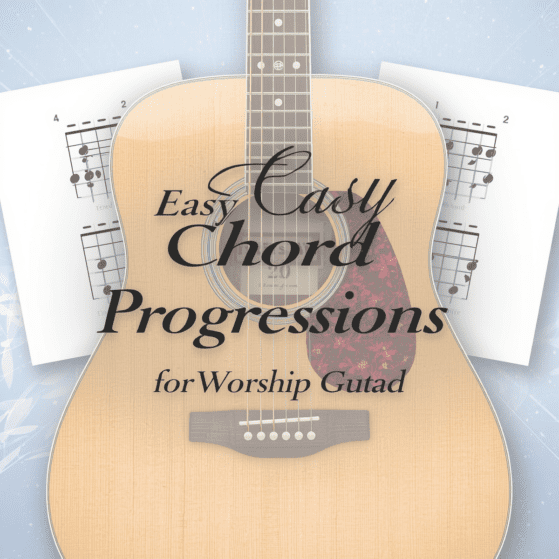
Easy chord progressions for worship guitar are the foundation of meaningful and expressive worship music. Whether you are leading a congregation, playing in a church band, or practicing personal worship, understanding how worship guitar chord progressions work can help you play with confidence, emotion, and spiritual depth. In this guide, we explore simple and effective chord patterns that every worship guitarist should know.
At The Mystic Keys, we work closely with choir singers at different stages of their musical journey. Many singers are surprised to discover how much progress they can make by focusing on the fundamentals rather than trying to “sing louder” or “sing harder.” This guide is designed to help you understand what truly strengthens choir singing skills and how you can apply these principles consistently.

Understanding the Role of Choir Singing Skills in an Ensemble
Choir singing skills go far beyond individual vocal ability. Singing in a choir requires coordination, listening, and adaptability. A singer who understands their role within the group contributes to balance and harmony rather than overpowering others.
Choirs function as a single musical body. Each voice supports the others, and success depends on collective awareness. When singers prioritize blend, timing, and musical intention, the choir sounds unified and expressive.
Building Strong Foundations for Choir Singing Skills
Strong choir singing skills begin with healthy vocal foundations. This includes posture, breathing, and relaxed vocal production. Standing tall with relaxed shoulders allows the lungs to expand fully, supporting sustained and controlled singing.
Breath control is especially important in choir settings. Coordinated breathing helps sections enter together and sustain phrases evenly. Practicing slow, controlled inhalation and steady exhalation builds consistency across rehearsals and performances.

Improving Pitch Accuracy in Choir Singing
Pitch accuracy is a cornerstone of choir singing skills. Singing in tune requires both ear training and vocal control. Choir singers benefit from developing relative pitch, which helps them adjust their notes in relation to others rather than relying solely on memory.
Listening carefully to surrounding voices helps stabilize pitch. When singers remain flexible and responsive, small adjustments happen naturally, improving overall intonation. Regular warm-ups that focus on intervals and scales reinforce pitch awareness over time.
The Importance of Listening in Choir Singing Skills
Listening is often underestimated, yet it is one of the most important choir singing skills. Singing well in a choir means constantly listening to the ensemble while maintaining your own part.
Effective listening helps singers blend vowels, match tone color, and align rhythm. Choirs that listen deeply achieve a richer, more cohesive sound. Practicing active listening during rehearsals transforms individual voices into a unified musical expression.

Developing Vocal Blend and Tone Matching
Blend is what separates a group of singers from a true choir. Developing choir singing skills includes learning how to adjust tone, volume, and vowel shape to match others in your section.
Rather than singing with a solo voice, choir singers should aim for a balanced tone that supports the ensemble. This does not mean suppressing your voice, but shaping it to fit within the group sound. Awareness and flexibility are key.
Rhythm and Timing in Choir Singing
Strong choir singing skills rely heavily on rhythmic accuracy. Even slight rhythmic inconsistencies can affect clarity and impact. Choir singers should internalize the pulse and understand how their rhythms align with other parts.
Counting internally, watching the conductor, and feeling the beat help maintain consistent timing. When rhythm is secure, the choir sounds confident and polished, even in complex passages.

Easy chord progressions for worship guitar beginners should start with
A choir is guided by its conductor, and responding accurately to direction is an essential choir singing skill. This includes watching for cues, tempo changes, dynamics, and expressive gestures.
Developing visual awareness while singing helps singers enter confidently and stay aligned with the ensemble. Over time, singers learn to anticipate direction, making performances smoother and more expressive.
Sight-Reading as a Tool to Improve Choir Singing Skills
Sight-reading strengthens choir singing skills by increasing musical independence. Singers who read confidently can focus on expression rather than survival during rehearsals.
Regular exposure to new music trains the brain to recognize patterns, intervals, and rhythms quickly. This skill reduces rehearsal stress and allows choirs to progress efficiently through repertoire.

Breathing Together as a Choir
Unified breathing is one of the most overlooked choir singing skills. When singers breathe together, phrases sound more connected and intentional. This shared breath creates a sense of musical unity.
Watching the conductor’s preparatory gesture and inhaling together before entrances improves synchronization. Over time, this habit becomes instinctive and enhances ensemble cohesion.
How easy chord progressions for worship guitar support congregational singing
Choir singing skills are not limited to technical accuracy. Emotional connection and musical meaning elevate performances. Understanding lyrics, phrasing, and the message behind the music allows singers to communicate more authentically.
When singers connect emotionally, the audience feels it. Expressive singing transforms technical execution into a meaningful musical experience.

Practice Habits That Strengthen Choir Singing Skills
Consistent practice is essential for improving choir singing skills. Short, focused practice sessions are often more effective than long, unfocused ones. Reviewing difficult passages, listening to rehearsal recordings, and practicing with a tuning reference all contribute to steady improvement.
Individual practice supports collective success. When each singer prepares well, rehearsals become more productive and enjoyable.
Overcoming Common Challenges in Choir Singing
Many choir singers struggle with confidence, especially when singing unfamiliar music. Developing choir singing skills includes learning how to recover from mistakes without stopping or losing focus.
Mistakes are part of learning. Choir singers who stay calm and continue singing contribute to ensemble stability. Confidence grows through experience, preparation, and supportive rehearsal environments.

The Role of Consistency in Choir Singing Growth
Choir singing skills improve gradually through repetition and commitment. Regular rehearsals, attentive participation, and openness to feedback create long-term progress.
Singers who remain consistent develop stronger musical instincts and greater confidence. Improvement is cumulative, and patience plays a crucial role in vocal development.
How Structured Training Supports Choir Singers
Structured vocal training helps choir singers refine technique and address individual challenges. Personalized guidance enhances breath control, pitch accuracy, and vocal endurance.
At The Mystic Keys, structured learning supports choir singers by strengthening foundational skills that directly impact ensemble performance. Guided training helps singers feel more confident and prepared in rehearsals and on stage.
Performance Confidence Through Strong Choir Singing Skills
Performance confidence grows naturally when choir singing skills are well developed. Singers who trust their technique and musical understanding feel more relaxed during concerts and services.
Confidence allows singers to focus on expression, connection, and communication rather than fear. This shift transforms performances into meaningful musical moments.
Final Thoughts
Improving your choir singing skills is a journey that combines technical training, active listening, and emotional connection. By focusing on breath control, pitch accuracy, rhythm, blend, and consistent practice, choir singers can grow steadily and confidently.
Choir singing is a shared experience, and each voice matters. When singers commit to developing their skills, the entire ensemble benefits, creating music that is powerful, unified, and inspiring.
If you are looking to strengthen your vocal foundation and grow as a confident choir singer, guided instruction can make a lasting difference. Explore Vocal Lessons Online through The Mystic Keys to develop strong choir singing skills with structured support and flexible learning.
Intersted in learning music with us? Register now
For more information and exciting resources about learning music, visit our website at The Mystic Keys. For more music content and exciting offers follow us on
Facebook, Instagram, YouTube, LinkedIn, Twitter, Pinterest, and Threads.